@bobbykazz
Instagram · Yap
@bobbykazz instagram

@bobbykazz
Instagram · Yap
@bobbykazz instagram
Performance
Video #13951 · Yap
[01]
The creator, while preparing food in his kitchen, poses a philosophical question to the audience about whether they have opened more doors or closed more doors in their lifetime. He then verbally explores the arguments for both sides, citing public spaces for opening and private spaces like bathrooms for closing. He concludes by proposing to track his own door interactions for a week to find a definitive answer, while still guessing that 'opening' is the more frequent action.
[02]
[03]
 2.4M6×Creator asks a weird question@bobbykazz · Pope In The Pool Multitask
 1.9M23.9×Podcast clip reframes life choices@brian_pruett · Anecdotal Philosophy
 304.5KPersonal story about slowing down@wacomo · Journey Documentation
 3.8M9.9×Stylish man gives blunt relationship advice@lohause · Motivational Mantra
 1.1M1.3×Creator dismantles the reversed gender roles argument with an analogy@bradley.thor · Breakdown
 902.5K6.1×Creator reflects on podcast dating advice@gstaadguy · Anecdotal Philosophy
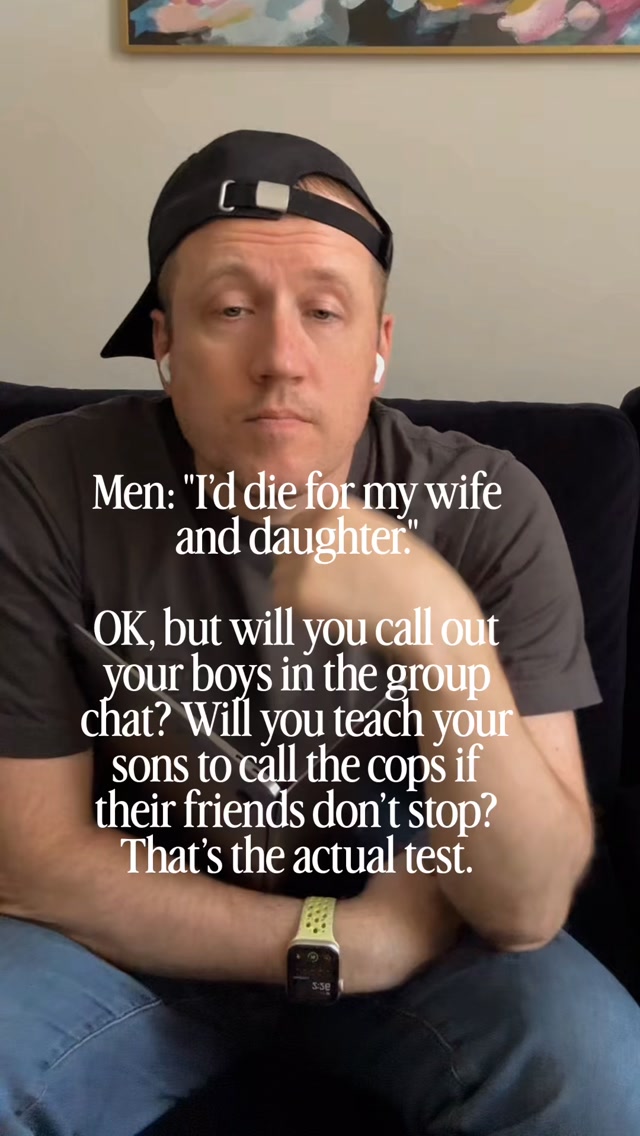 1.2M902.1×Challenging statement via text overlay@mikeinprogress_ · Hot Take
 1.3M1.5×Creator shares ideas and philosophy on self-reliance vs consumerism@bradley.thor · Anecdotal Philosophy
 165.9K2.2×Creator shares theory on gay dating@joshforeman2 · Vulnerable Monologue
 1.1M19.4×Explaining gendered internet algorithm experiences@orenmeetsworld · Breakdown
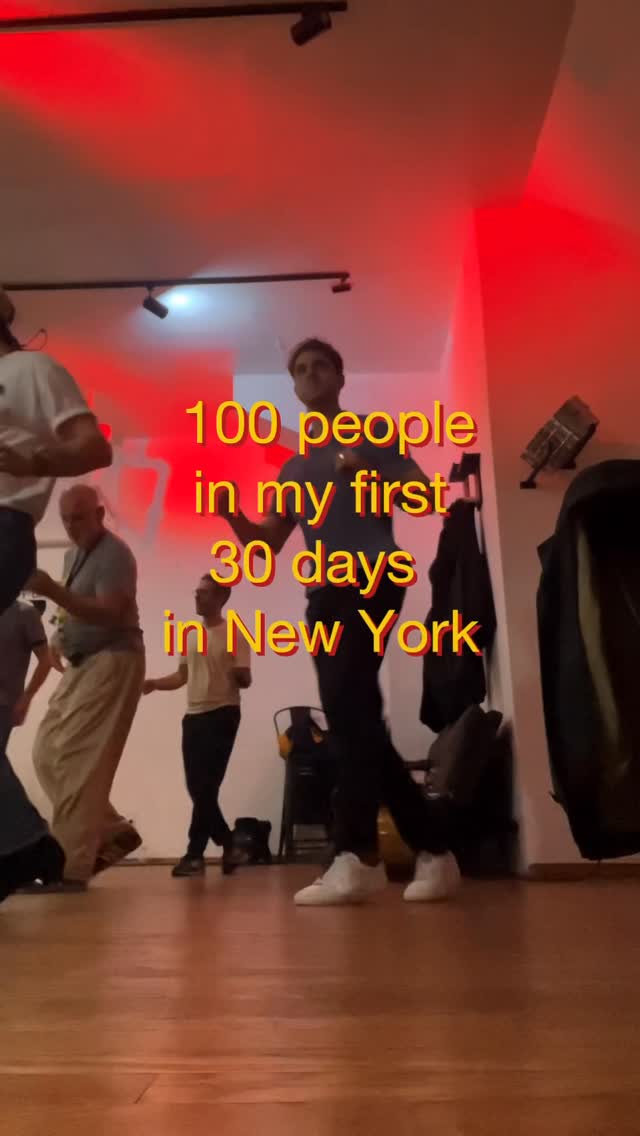 1.1M3.4×30 day social networking challenge@markianb · Challenge
 1.6M1.1×Street interview about subway etiquette@subwaytakes · Street Interview
[04]
[05]
What stops the scroll in the first 3 seconds
Verbal hook · 70%
In your lifetime, do you think you've opened more doors or closed more doors?
Visual hook · 30%
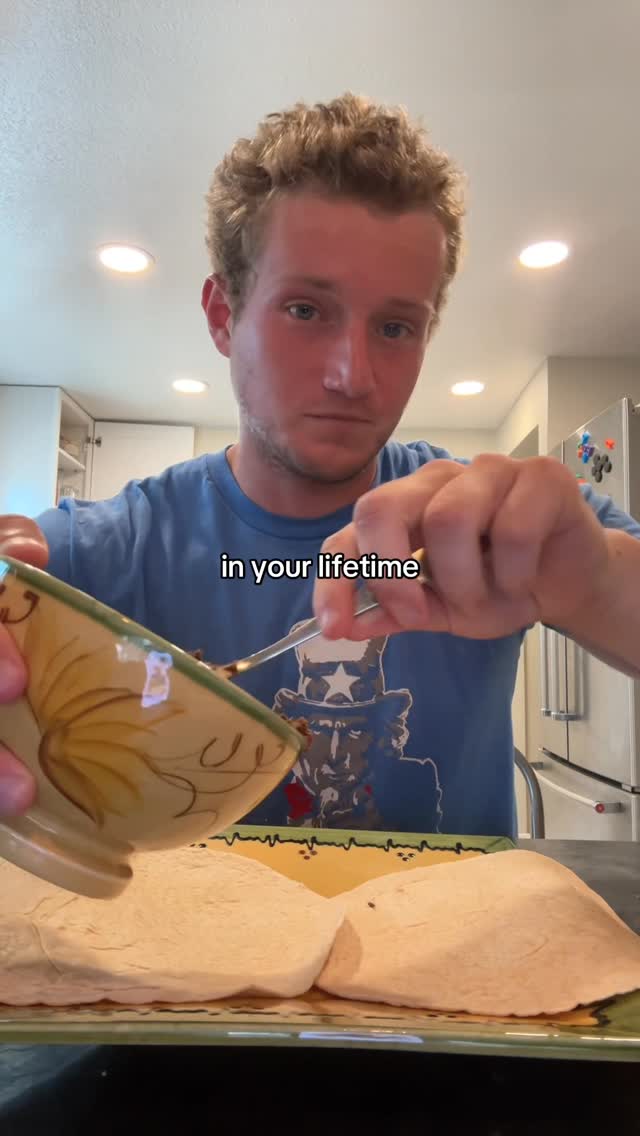
A person actively preparing food, pouring a brown paste from a bowl onto tortillas, creating immediate movement and action.
[06]
Steal this for your own video
In your lifetime, do you think you’ve done more or ?
[07]
The promise the opener makes, and how the video pays it back
Hook
A direct-to-camera question that reframes a mundane, universal action as a profound, unanswerable binary choice, immediately sparking the viewer's curiosity.
Payoff
The payoff is not a definitive answer but the promise of a future resolution. This creates an open loop, encouraging viewers to follow for the results of the proposed experiment.
[08]
The structural pattern this video runs on
Framework
The Mundane Mystery
To take a common, universal, and overlooked daily action and turn it into a compelling philosophical debate with a proposed real-world experiment to find the answer.
The Philosophical Premise
The creator poses a simple 'more or less' question about a common activity, establishing the video's central intellectual puzzle.
The Common Sense Case
The creator presents the most intuitive and widely assumed answer, validating the viewer's initial gut reaction.
The Niche Counter-Argument
The creator introduces a specific, highly relatable exception or scenario that fundamentally challenges the common-sense assumption, creating intellectual tension.
The Scientific Method Proposal
The creator announces a plan to resolve the debate by collecting data over a set period, transforming the abstract question into a tangible, forward-looking narrative arc.
The Open-Ended Conclusion
The creator restates their initial hypothesis but acknowledges the strength of the counter-argument, leaving the final answer unresolved and promising a future update.
In your lifetime, do you think you've opened more doors or closed more doors? Like, literally, like, the act of opening rank closing a good. Which one have you done more, do you think? Now I feel like off first instinct, the correct answer should be opening more doors. Right? Best like thinking about all the times you're out in public opening doors at, like, restaurants, offices, wherever. Right? However, something I thought of for the closing doors argument is think of how many times, for example, you use the bathroom rank close the door. I feel like 95 of the time, the bathroom door is already open, so you're not opening the bathroom door. You're just closing it. So I don't know. I think I'm gonna take the next, like, seven days to, like, log it and track it and see how many doors I open and how many I close. But I just wonder, like, how, like, in my life, have I opened more or have I closed more? I don't know why that popped in my head, but I think, yeah, I'm a track it for a week. But I think I still wouldn't be correct the correct answer is open if you worse to ask me without tracking it. But there is an argument for close.