@oliviabarbulescu
Instagram · Yap

@oliviabarbulescu Guy at my old job trying to appropriate my culture #storytime #mealprep

@oliviabarbulescu
Instagram · Yap
@oliviabarbulescu Guy at my old job trying to appropriate my culture #storytime #mealprep
Performance
Video #14570 · Yap
[01]
The creator recounts a conversation with a former male coworker named Craig. She describes how he boasted about his restrictive diet of meal prepping, eating only chicken and brown rice, and intermittent fasting. She then explains her response, stating that as a former competitive ice skater, she is familiar with disordered eating and that he is simply rebranding it, taking credit for "women's work," and appropriating her "culture."
[02]
[03]
 111.2KDark humor story about recovery@oliviabarbulescu · Vulnerable Monologue
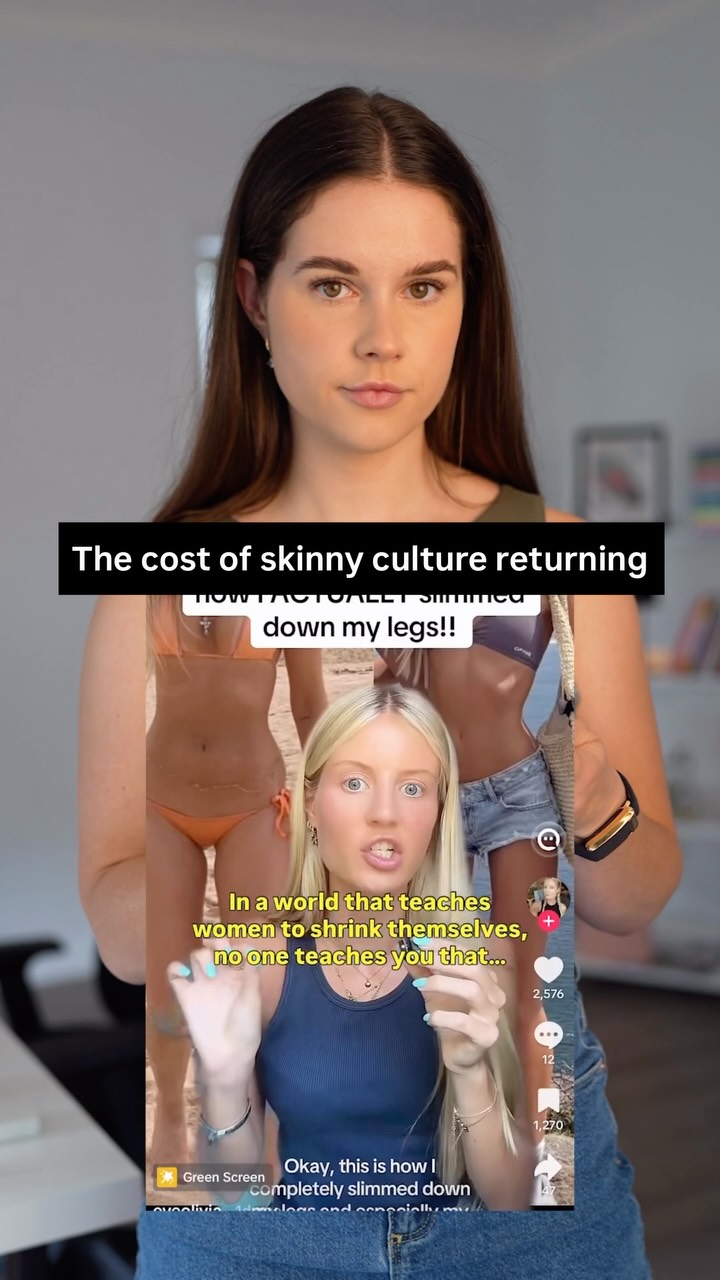 358.4K21.7×Reframing diet culture with facts@sharellegrant · Breakdown
 6.9M13.5×Vulnerable life update then grocery vlog@mikaylanogueira · Vulnerable Monologue
 158.2K11.6×Doctor debunks gym bro takes@dr.tommymartin · Reaction
 1.7M5.3×Personal story about body acceptance@lolayounggg · Vulnerable Monologue
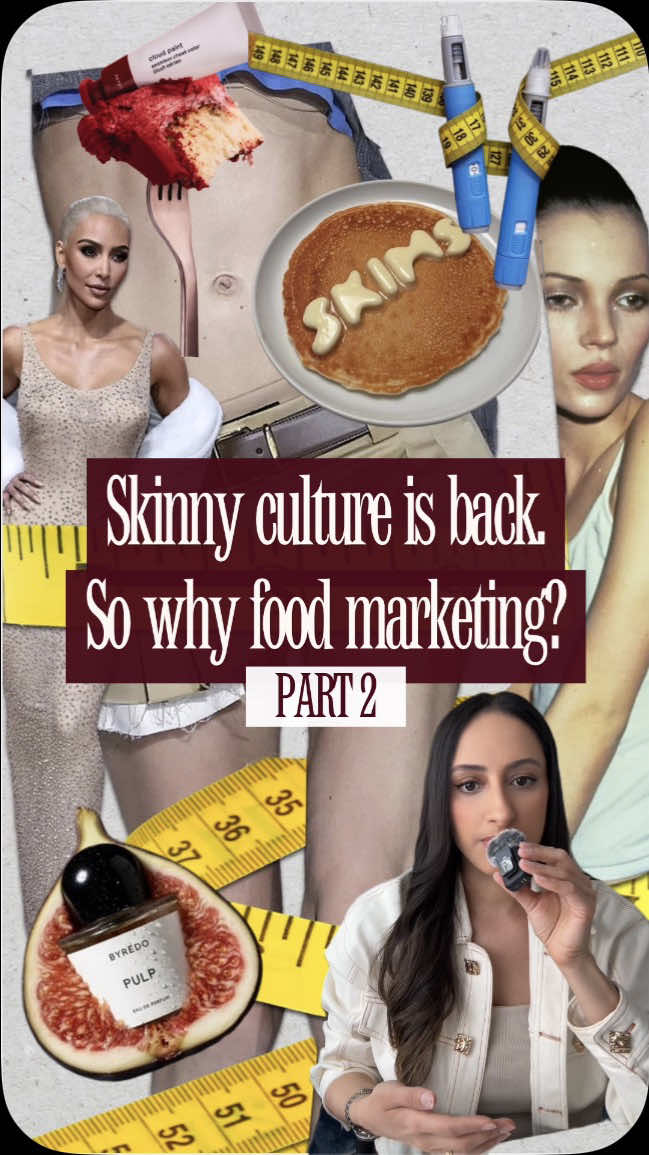 754.3K95.2×Analyzing food marketing and skinny culture@ashi.branding · Breakdown
 642K267.9×Rebuts stereotype with personal story@addietheoptimist · Hot Take
 246.4K6.4×Comedic podcast clip hot take@tylerbenderr · Cultural Rant
 97.2K6.9×Split screen diet trend critique@reecebrah · Hot Take
 135.9K7.5×Commentary on another creator's behavior@womp_tomp · Breakdown
 505.8K85.3×Refuting claim with nostalgic clips@sharellegrant
 1.8M4.6×Emotional business podcast interview clip@gracebeverley · Vulnerable Monologue
[04]
[05]
What stops the scroll in the first 3 seconds
Verbal hook · 75%
Sky at my old job was like, Olivia, I meal prep.
Visual hook · 25%
A close-up, handheld shot of the speaker talking directly to the camera, creating a sense of immediacy and personal connection.
[06]
Steal this for your own video
My was like, '].'
[07]
The promise the opener makes, and how the video pays it back
Hook
The video begins in media res, quoting an antagonist's self-important statement. This creates immediate conflict and establishes a relatable scenario of dealing with an annoying person.
Payoff
The narrator delivers a sharp, personal insult that weaponizes the previously established metaphor, serving as a final, conclusive judgment and punchline.
[08]
The structural pattern this video runs on
Framework
The Escalating Rebuttal
A narrative structure that refutes an antagonist's statement through a series of increasingly broad and unexpected counter-arguments, culminating in a definitive punchline.
The Antagonist's Monologue
The narrator presents the antagonist's initial claims or actions, establishing them as naive, arrogant, or misguided. This sets up the central point of contention.
The Authority Counter
The narrator immediately invalidates the antagonist's premise by asserting their own superior, long-held expertise on the subject, effectively dismissing the antagonist's need to explain.
The Critical Reframe
The narrator re-labels the antagonist's behavior with a more critical and insightful term, shifting the audience's perception and establishing the core thesis of the argument.
The Systemic Accusation
The argument is broadened from a personal annoyance to a larger societal issue, framing the antagonist's actions as part of a recognized negative pattern.
The Metaphorical Twist
A sharp, unexpected metaphor is introduced to condemn the behavior, escalating the argument into a new, more abstract, and often comedic domain.
Guy at my old job trying to appropriate my culture #storytime #mealprep
Sky at my old job was like, Olivia, I meal prep. I only eat chicken best and brown rice. I intermittent fast. I was like, Craig, I I skated for fifteen years. You don't have to explain distorting eating to me. Okay. You can't just rebrand eating disorders. Another man taking credit for women's work, Craig. And also, my culture is not your costume. And you would never fit into my costume, fat bitch.