@ashi.branding
TikTok · Talking Head Edit
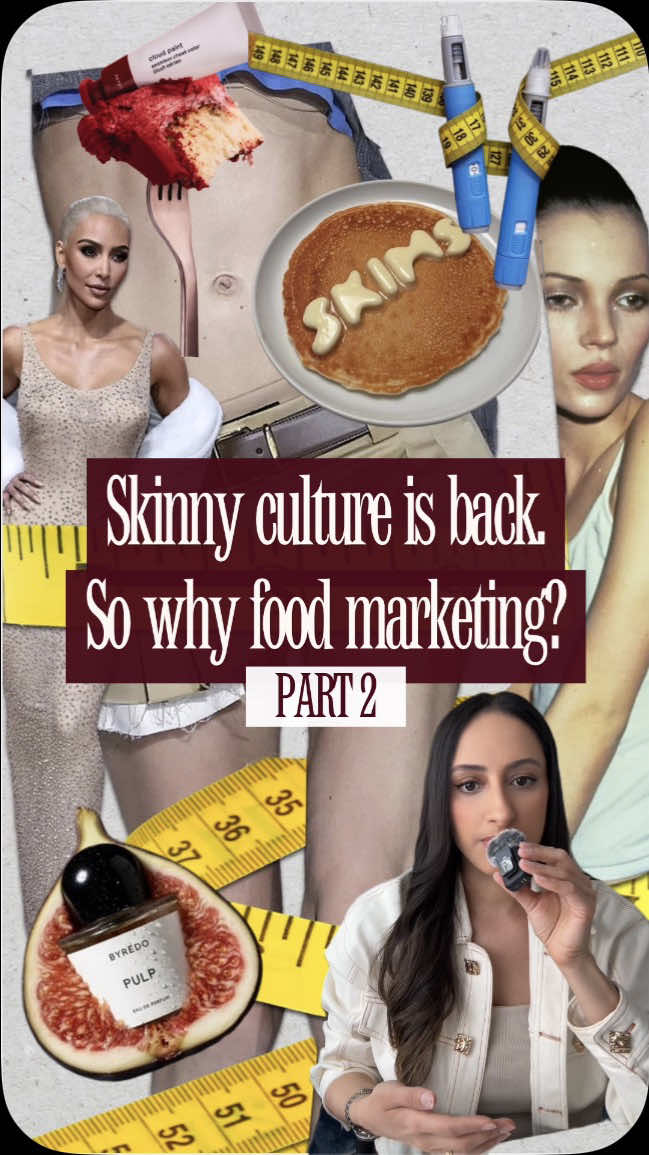
@ashi.branding This isn’t sensory marketing. The brands that have figured out the next status symbol, are defining culture. #branding #sociology #desire #genz #marketing

@ashi.branding
TikTok · Talking Head Edit
@ashi.branding This isn’t sensory marketing. The brands that have figured out the next status symbol, are defining culture. #branding #sociology #desire #genz #marketing
Performance
Video #33107 · Talking Head Edit
[01]
The creator presents a cultural analysis explaining the paradox of rising 'skinny culture' alongside prevalent food marketing. She argues that with the rise of appetite suppressants like Ozempic, food has shifted from a consumable good to a voyeuristic status symbol. The new 'flex' is not abundance, but restraint amidst access, turning discipline into a public performance where the toned body serves as the ultimate proof of wealth that cannot be faked.
[02]
[03]
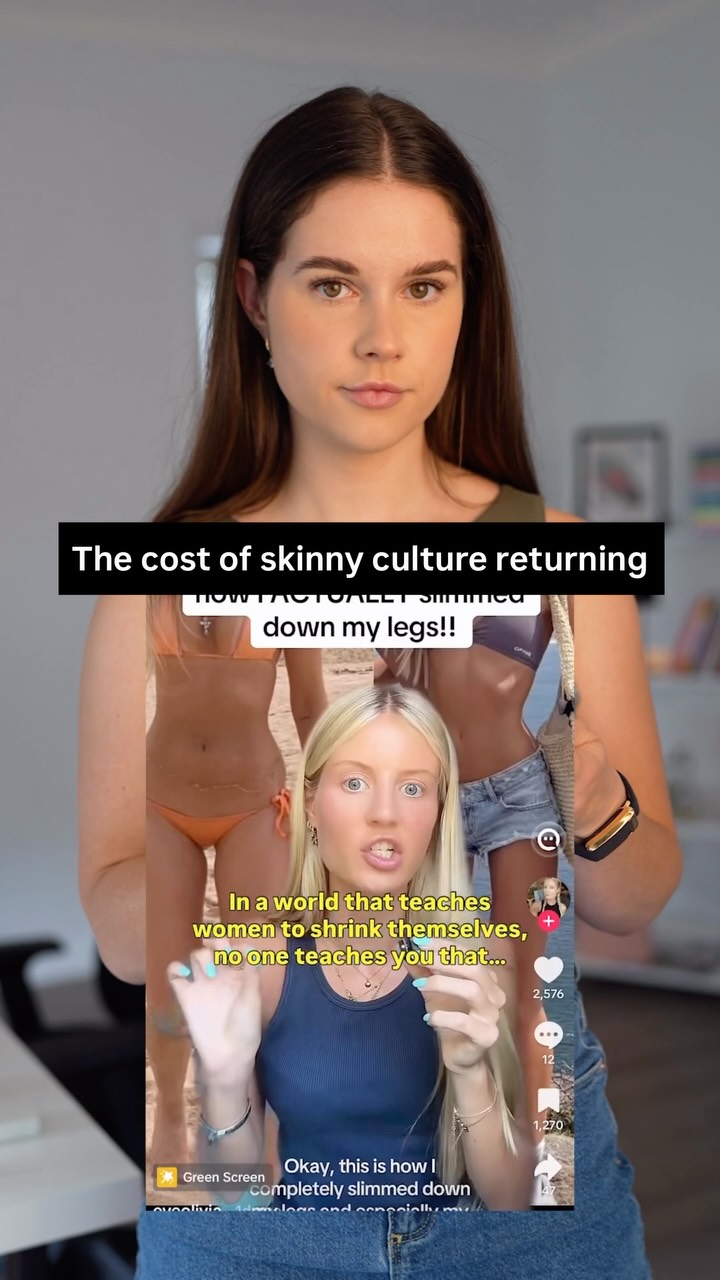 358.4K21.7×Reframing diet culture with facts@sharellegrant · Breakdown
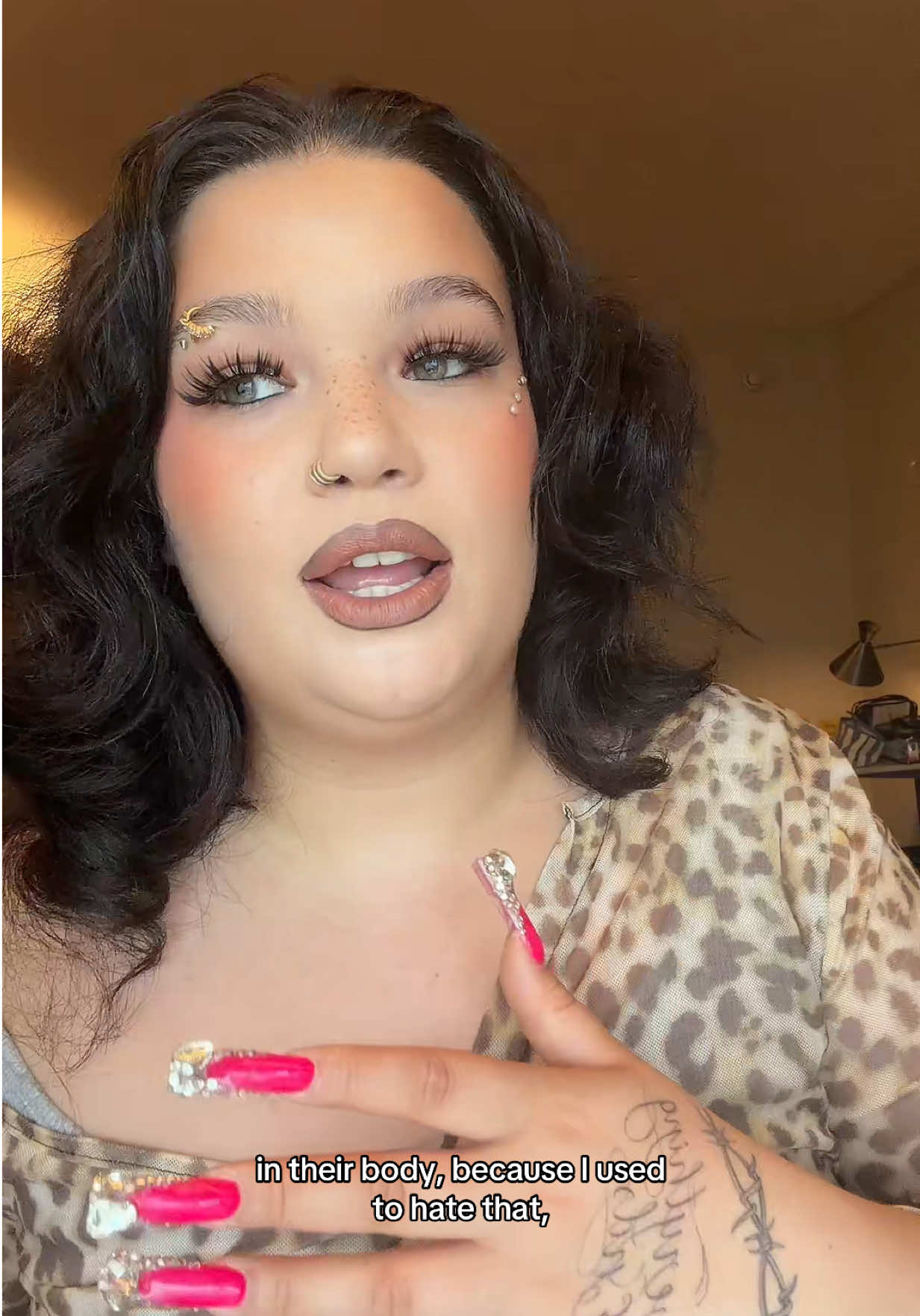 1.7M5.3×Personal story about body acceptance@lolayounggg · Vulnerable Monologue
 339.6K4.4×Podcast clip about body positivity@reikoslivingroom · Anecdotal Philosophy
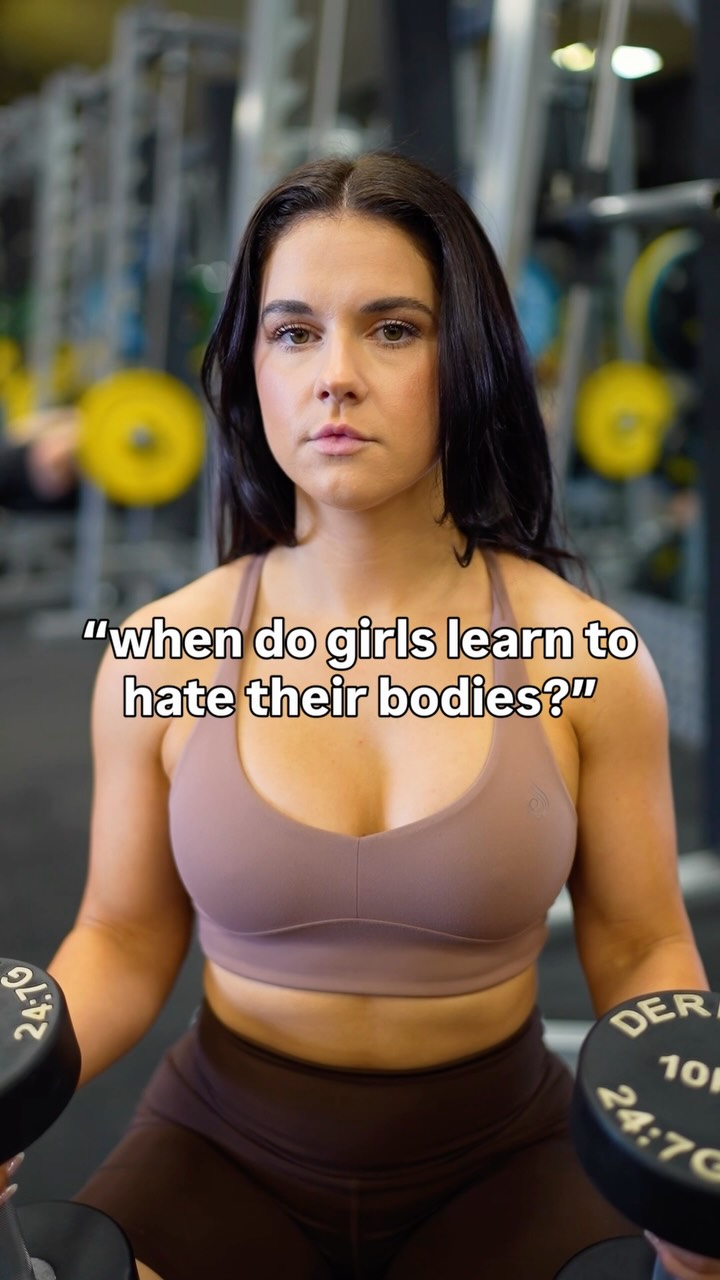 519.7K80.7×Media clips show negative body image@sharellegrant · Narrative Montage
 6.9M13.5×Vulnerable life update then grocery vlog@mikaylanogueira · Vulnerable Monologue
 505.8K85.3×Refuting claim with nostalgic clips@sharellegrant
 11.2M45.7×Creator rants about coworker's diet@oliviabarbulescu · Cultural Rant
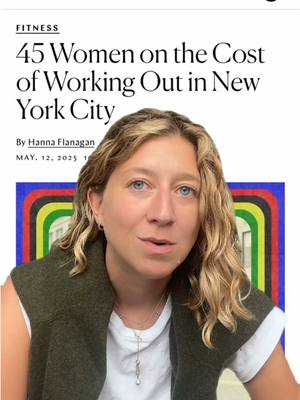 67.7K1.1×Creator analyzes NYC fitness costs@caseymorrowlewis · Headlines
 158.2K11.6×Doctor debunks gym bro takes@dr.tommymartin · Reaction
 2.6M51.9×Skeptical product review turns positive@naomi_senggg
 553.2K8.4×Personal story justifies media commentary@shamelesspodcast · Vulnerable Monologue
 246.4K6.4×Comedic podcast clip hot take@tylerbenderr · Cultural Rant
[04]
[05]
What stops the scroll in the first 3 seconds
Title hook · 45%
Skinny culture is back. So why food marketing? PART 2
Verbal hook · 40%
If skinny culture is back, why is there so much food in marketing?
Visual hook · 15%
A dense, fast-paced digital collage of culturally relevant images, including Kim Kardashian, a thin model, a measuring tape, Ozempic pens, and decadent food like cake and pancakes.
[06]
Steal this for your own video
If is back, why is there so much everywhere?
[07]
The promise the opener makes, and how the video pays it back
Hook
Pose a direct, counter-intuitive question about a current cultural trend, creating an immediate knowledge gap and sense of intrigue.
Payoff
Deliver a grand, unifying theory that summarizes the entire argument in a single, memorable sentence, followed by a practical takeaway or implication for the audience or a specific industry.
[08]
The structural pattern this video runs on
Framework
The Cultural Paradox Deconstruction
Posing a confusing or contradictory cultural observation and then systematically building a novel theory to explain it, using a mix of visual evidence, data, and psychological insight.
The Opening Paradox
State a clear contradiction observed in current culture or media, framing the central mystery the video will solve.
The Evidence Montage
Present a rapid-fire sequence of visual examples that support both sides of the initial paradox, establishing the conflict.
The Statistical Anchor
Introduce a hard data point or statistic that validates one side of the paradox, grounding the cultural observation in concrete fact and raising the stakes.
The First Synthesis
Offer an initial, partial explanation that begins to resolve the contradiction, reframing the audience's understanding of the topic (e.g., 'It's not for consumption, it's for display').
The 'Then vs. Now' Status Shift
Contrast the current trend with a past equivalent to highlight how values and status symbols have evolved, adding depth to the analysis.
The New Paradigm Defined
Clearly articulate the new rule, behavior, or status symbol that resolves the central paradox. This is the core 'aha' moment of the argument.
The Paradigm in Action
Showcase modern examples of this new paradigm being performed, proving its existence and relevance.
The Infallible Proof
Identify the ultimate, non-falsifiable evidence of this new paradigm, often linking it to a high-cost, high-effort outcome that signals true status.
This isn’t sensory marketing. The brands that have figured out the next status symbol, are defining culture. #branding #sociology #desire #genz #marketing
title · beginning
Skinny culture is back. So why food marketing? PART 2
contextual · beginning
If skinny culture is back, why is there so much food in marketing? Part 2
informational · beginning
Sugary treats in beauty campaigns,
informational · beginning
Loewe's food themed bags,
informational · beginning
Dior printing their logos onto pastries
informational · beginning
not to be consumed but photographed.
informational · beginning
With one in eight Americans chemically suppressing their appetite with a
informational · beginning
glp drug like Ozempic,
informational · middle
food has moved from something you consume to something you display.
informational · middle
Freed from actually being eaten,
informational · middle
it's become voyeuristic.
informational · middle
Abundance used to be the ultimate status symbol.
informational · middle
The oyster towers and overflowing dinner table.
informational · middle
Remember when celebrities used to post their restaurant bills to instagram?
informational · middle
But in a world where 90% of Americans are stressed about grocery costs,
informational · middle
having access to everything and still choosing restraint is the new flex.
informational · middle
The Erewhon smoothie and $19 strawberries you photograph but don't finish.
informational · middle
And it goes beyond food. The V02 max scores and Strava stats posted to stories.
informational · end
Discipline has migrated from private routines to public performance.
informational · end
And the body is the proof.
informational · end
Because while thinness is now democratised, muscle tone can't be faked.
informational · end
The body maintain through expensive systems like IV drips and personal trainers signals a level of wealth that can't be duped.
informational · end
We stopped consuming food and started fetishizing it.
informational · end
Brands that understand this think about their products as props.
informational · end
What does it let their customer perform and is it worth posting about?
If skinny culture is back, why is there so much food in marketing? Sugary treats and beauty campaigns, Hueve's food themed bad, Dior printing their logos onto pastries not to be consumed better photographed. With one in eight Americans chemically suppressing their appetite with a GLP one drug like Ozempic, food has moved from something you consume to something you display. Freed from actually being eaten, it's become voyeuristic. Abundance used to be the ultimate status symbol. The oyster towers rank overflowing dinner table. Remember when celebrities used to post their restaurant bills to Instagram? But in a world where 90% of Americans are stressed about grocery costs, having access to everything and still choosing restraint is the new flex. The Air One smoothie and $19 strawberries you photograph better don't finish, and it goes beyond food. The v o two max scores and Strava stats posted to tier. Discipline has migrated from private routines to public performance, and the body is the proof. Because while thinness is now democratized, muscle tone can't be faked. The body maintained through expensive systems like IV drips and personal trainers signals a level of wealth that can't be duped. We stopped consuming food and started fetishizing it. Brands that understand this think about their products as props. What does it let their customer perform, and is it worth posting about?