@wacomo
Instagram · Vlog
@wacomo i’m not a neuroscientist

@wacomo
Instagram · Vlog
@wacomo i’m not a neuroscientist
Performance
Video #16787 · Vlog
[01]
The creator begins by sharing a personal reflection on how time seems to speed up as he gets older. He then introduces a psychological concept: the brain's perception of time is linked to the creation of new memories. To test this theory, he documents his experience of walking the entire 30km length of Manhattan in a single day with his girlfriend, an activity he's never done before, and concludes that the novel experience made the day feel significantly longer.
[02]
[03]
 464.4K5.8×Explains time perception with lifestyle montage@happywithmeg · Breakdown
 304.5KPersonal story about slowing down@wacomo · Journey Documentation
 2.3M134.7×Reflective text over lifestyle montage@thomasmalucelli
 1.7M18.8×Creator debates nostalgia with self@dangerbean_55 · Anecdotal Philosophy
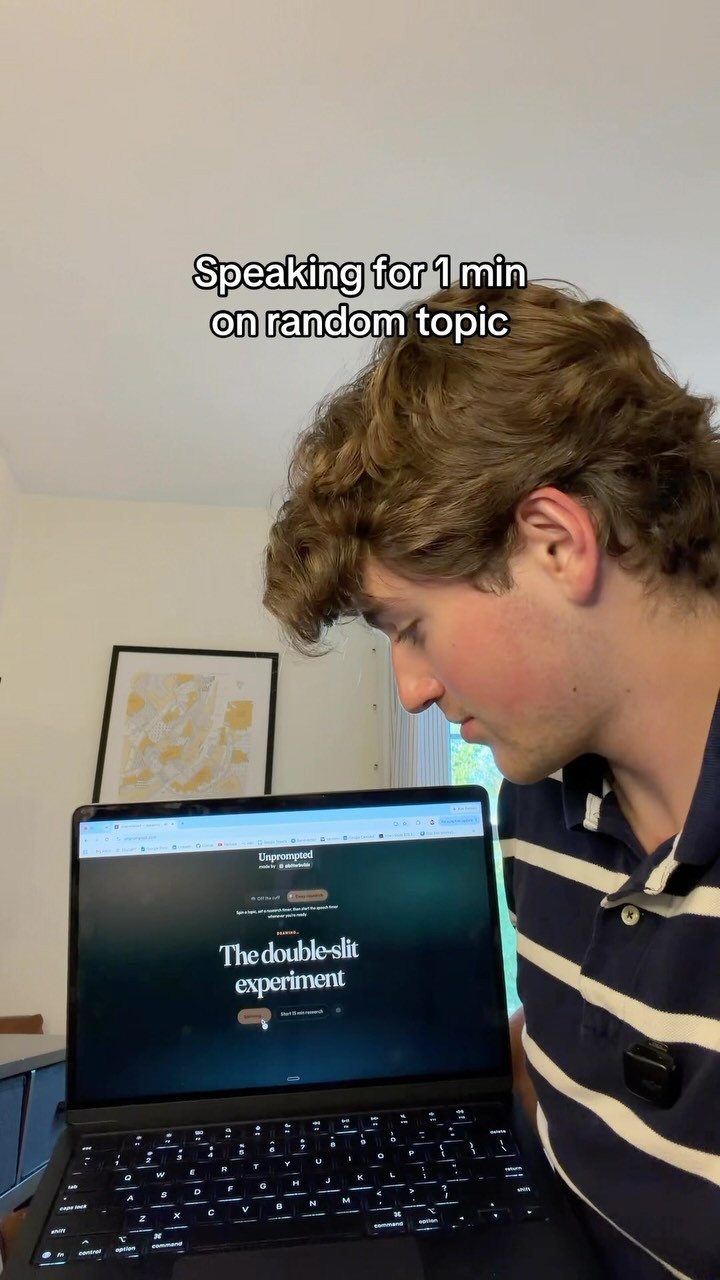 8MResearches and explains random topic@bitterbuilds · Challenge
 423.9K1.4×Reflective monologue over life montage@milkytran · Vulnerable Monologue
 70.1KVoiceover personal growth journey montage@coltinhill2 · Vulnerable Monologue
 213.1K6.3×Explains brain hack for creativity@fakeplasticbrands · Tutorial / How To
 966.9K10.3×Cinematic voiceover reframing life timelines@therealdanielpark · Vulnerable Monologue
 3.3M19.8×Visualizing your life in months@denny_dure · Breakdown
 159.1KExplaining the significance of age 29@oluwatosin.the.oracle · Opportunity Explainer
 22.1M17.4×Creator reflects on becoming adult@wacomo · Relatable Skit
[04]
[05]
What stops the scroll in the first 3 seconds
Title hook · 55%
my summers used to feel like eternities
Verbal hook · 40%
My summers used to feel like eternities
Visual hook · 5%
Creator walks energetically towards the camera in a hallway, followed by an expressive close-up shot, creating dynamic movement and a personal connection.
[07]
The promise the opener makes, and how the video pays it back
Hook
Present a widely-felt, often negative, universal experience as a problem to be solved, creating immediate relatability.
Payoff
Deliver a satisfying, emotionally resonant confirmation that the proposed solution works, framed as a personal feeling or perception rather than hard data, which validates the viewer's journey and leaves them with a memorable takeaway.
[08]
The structural pattern this video runs on
Framework
The Personal Science Experiment
To take a relatable, abstract concept, explain it with a simple metaphor, and then test it through a personal, tangible challenge, ultimately delivering a subjective but satisfying conclusion.
The Nostalgic Problem
Frame a common feeling as a problem that has changed over time (e.g., 'It used to be like X, but now it's like Y'), hooking the viewer with a shared experience.
The Hopeful Pivot
Introduce a surprising piece of information or a potential solution that counters the initial problem, shifting the narrative from lament to curiosity.
The Metaphorical Mechanism
Explain the underlying principle or 'science' behind the solution using a simple, visual, and easily understandable analogy to make a complex idea digestible.
The Novelty Clause
Define the specific condition or rule that must be met for the solution to work (e.g., it only works with new experiences), creating a clear objective for an experiment.
The Hypothesis Test
Announce a specific, challenging, and novel personal action that will be undertaken to test the principle in the real world.
The Experiential Montage
Show a condensed visual journey of the experiment being carried out, highlighting key moments and progress to build investment in the outcome.
i’m not a neuroscientist
contextual · beginning
my summers
contextual · beginning
used to feel like
contextual · beginning
eternities
contextual · beginning
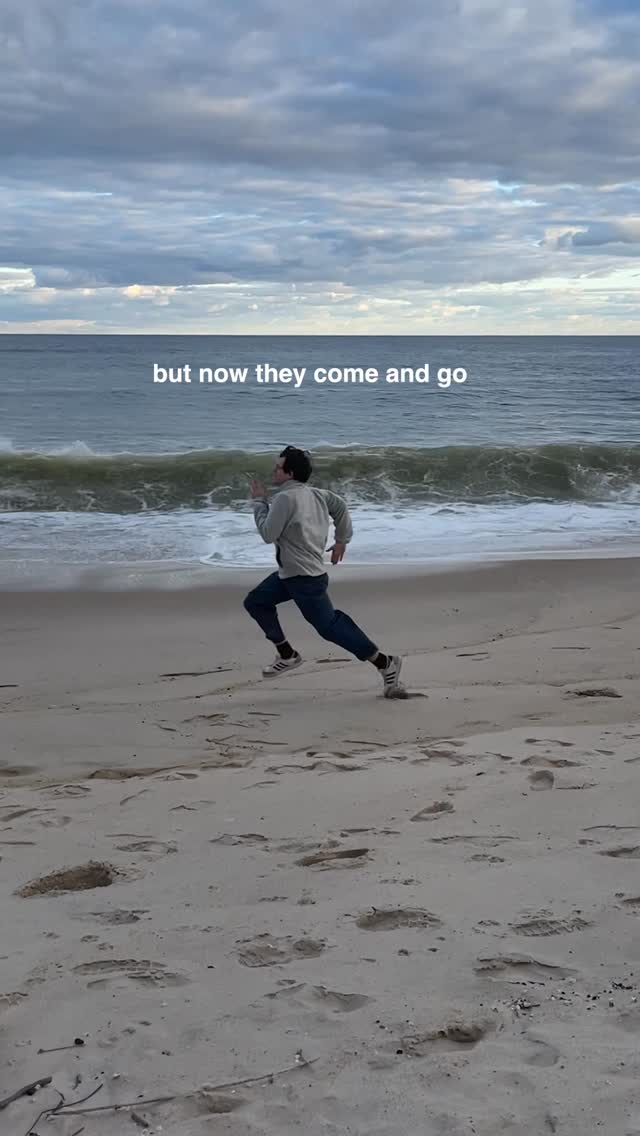
but now they come and go
contextual · beginning
and I don't even realize it
contextual · beginning
the good news
contextual · beginning
I recently discovered
contextual · beginning
sorta slow down time
contextual · beginning
our brain uses the memories we make in order to measure the passing of time
contextual · middle
the more memories you accumulate
contextual · middle
The more time seems to slow down
contextual · middle
the problem is that our brain finds it way easier to remember new experiences
contextual · middle
your brain is probably not going to remember when you brushed your teeth
contextual · middle
but it will remember when you climbed everest
contextual · middle
I decided to walk the entire island of Manhattan
informational · middle
30KM
contextual · middle
in a day
contextual · end
to test whether or not decelerates after doing something I've never done before
contextual · end
I'm certainly no neuroscientist
contextual · end
but that day felt like two weeks
My summers used to feel like eternities, but now they keep going. I don't even realize it. The good news is that I recently discovered that you can sort of slow down time. Apparently, our brain uses the memories we make in order to measure the passing of time. The more memories you accumulate, the more time seems to slow down. But the problem is that our brain finds it way easier to remember new experiences. Like, your brain's probably not gonna remember when you brushed your teeth four days ago. Better it will remember when you climbed Everest. So I decided to walk the entire island of Manhattan with my girlfriend in a day to test whether or not tier these salaries after doing something I've never done before. I'm certainly no neuroscientist, but that day felt like two weeks.