@bitterbuilds
Instagram · Speaker address
@bitterbuilds Comment “speech” and I’ll send you the website I use completely for free

@bitterbuilds
Instagram · Speaker address
@bitterbuilds Comment “speech” and I’ll send you the website I use completely for free
Performance
Video #39725 · Speaker address
[01]
The creator takes on a challenge to speak for one minute on a randomly assigned topic, "The Baader-Meinhof Phenomenon," which he initially doesn't know. He shows a montage of his 15-minute research process, then starts a timer and delivers a presentation defining the phenomenon with an analogy, explaining its psychological basis, and contrasting its 20th-century context with its modern use as a marketing tactic within algorithmic bubbles.
[02]
[03]
 17.9M164.2×Explains random topic after research@bitterbuilds · Timed Challenge
 6.3M59.1×Creator explains random topic in one minute@bitterbuilds · Timed Challenge
 866.4K15.1×Meme text over repurposed clip@throwingfits
 1.1M19.4×Explaining gendered internet algorithm experiences@orenmeetsworld · Breakdown
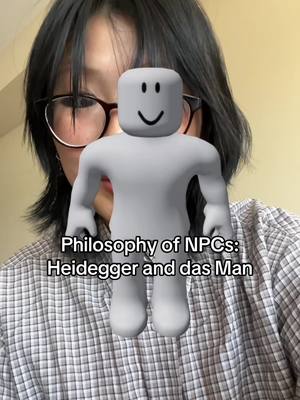 86.5KPhilosophy explanation of NPC meme@glass__museum · Breakdown
 593.1K1.2×Greenscreen hot take with examples@gregsebell · Hot Take
 68.1KMotivational voiceover with fast edits@johnbucog · Motivational Mantra
 1.5M13.3×Motivational speech about starting now@bitterbuilds · Motivational Mantra
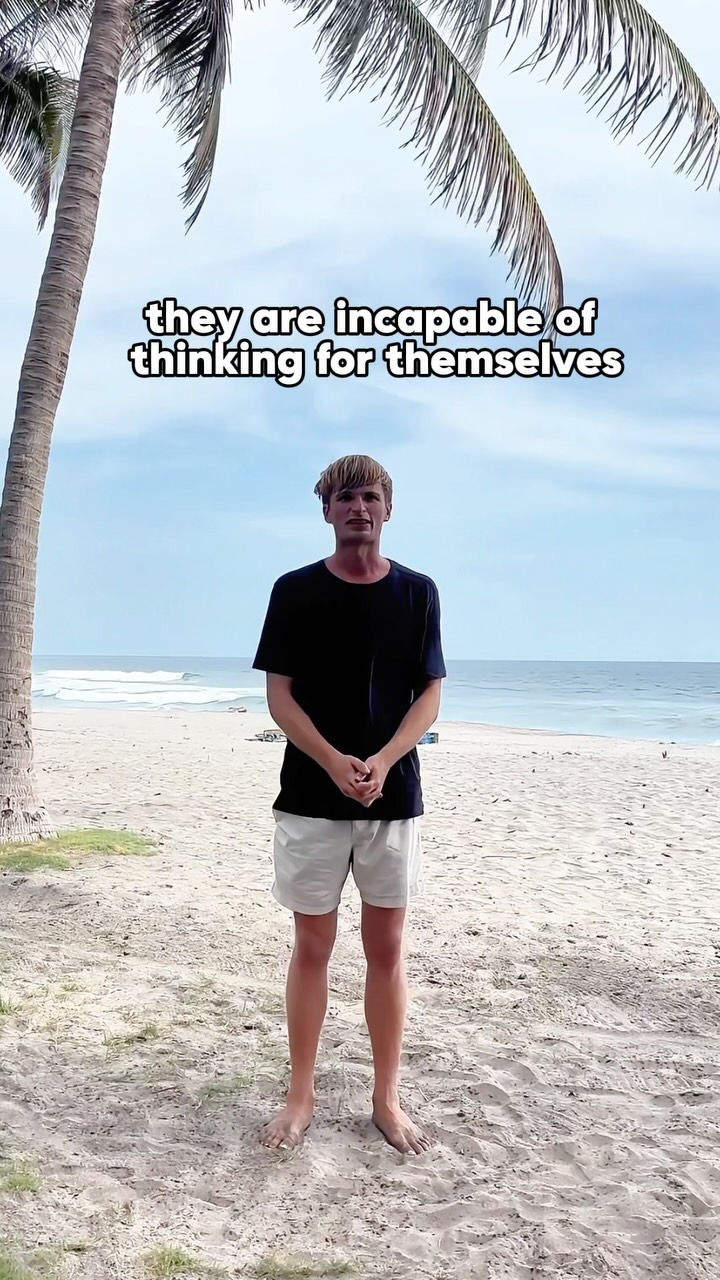 267.2K34.9×Creator explains why people are brainwashed@holistic.grenade · Hot Take
 1.3M1.5×Creator shares ideas and philosophy on self-reliance vs consumerism@bradley.thor · Anecdotal Philosophy
 458.3KCreator critiques fake podcast trend@nickalexcomedy · Reaction
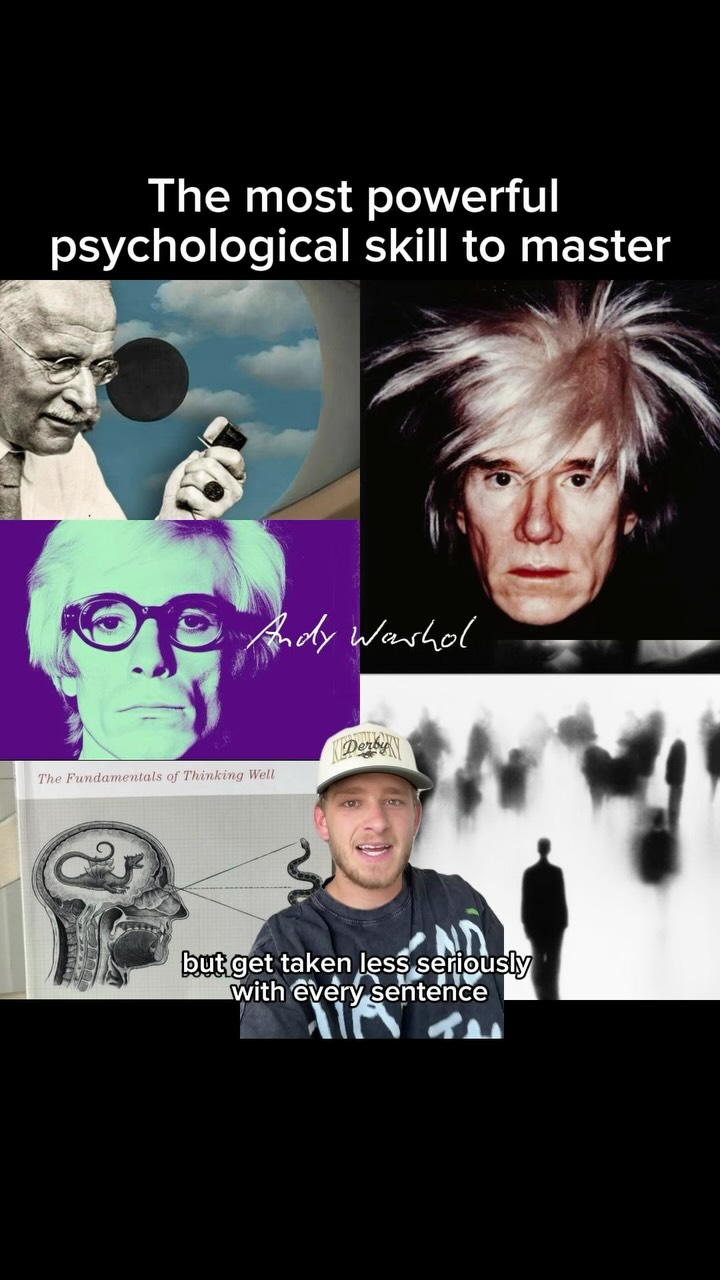 215K77.8×Explaining power of ambiguity with examples.@kolbykirschner · Case Study Breakdown
[04]
[05]
What stops the scroll in the first 3 seconds
Title hook · 35%
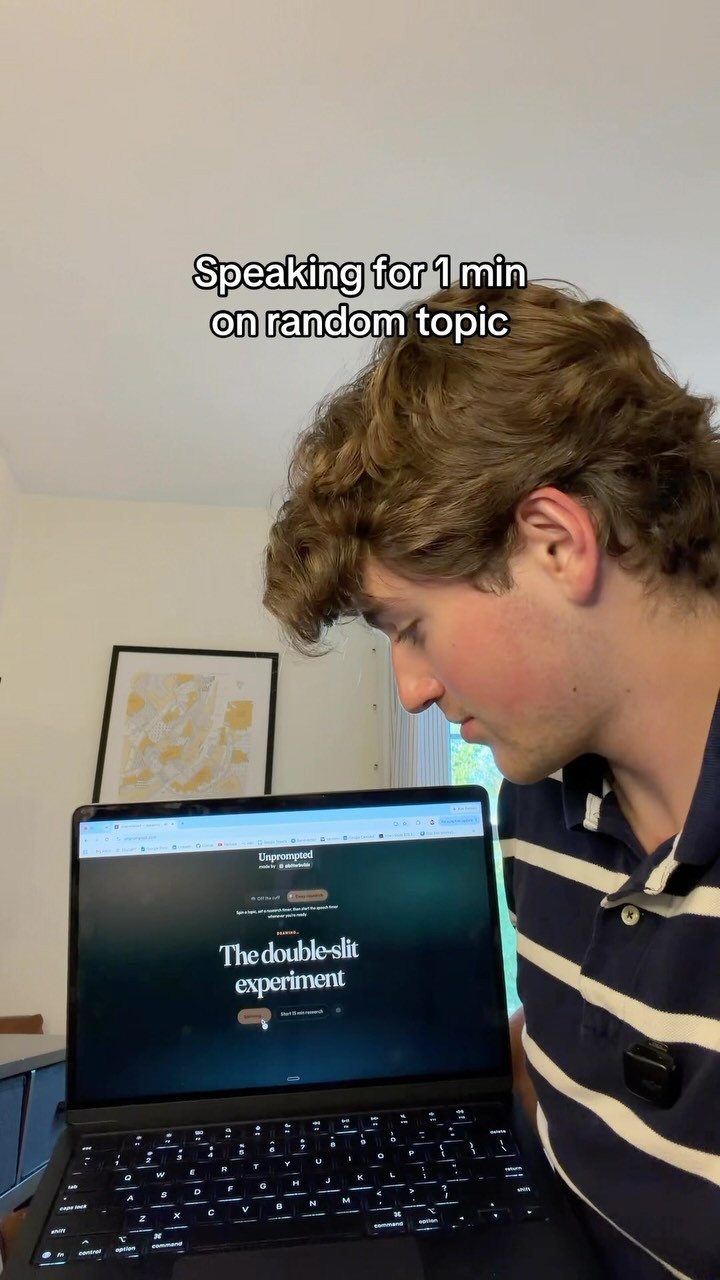
Speaking for 1 min on random topic
Verbal hook · 45%
Genuinely no clue what that is.
Visual hook · 20%
A laptop screen shows a digital random topic generator spinning through options before landing on a specific term, creating suspense and setting the premise.
[06]
Steal this for your own video
I genuinely have no idea what is — but I have to figure it out and explain it to you.
[07]
The promise the opener makes, and how the video pays it back
Hook
A random, obscure topic is generated, followed by the creator's immediate and candid admission of ignorance. This creates a relatable starting point and a clear, compelling challenge for the viewer to see resolved.
Payoff
The creator successfully delivers a coherent, insightful, and well-structured speech, completing the transformation from novice to expert and providing the viewer with a satisfying resolution to the initial challenge.
[08]
The structural pattern this video runs on
Framework
The Instant Expert Challenge
To showcase a rapid, time-bound transformation from complete ignorance on a complex topic to articulate expertise, satisfying the viewer's curiosity about both the process and the outcome.
The Research Gauntlet
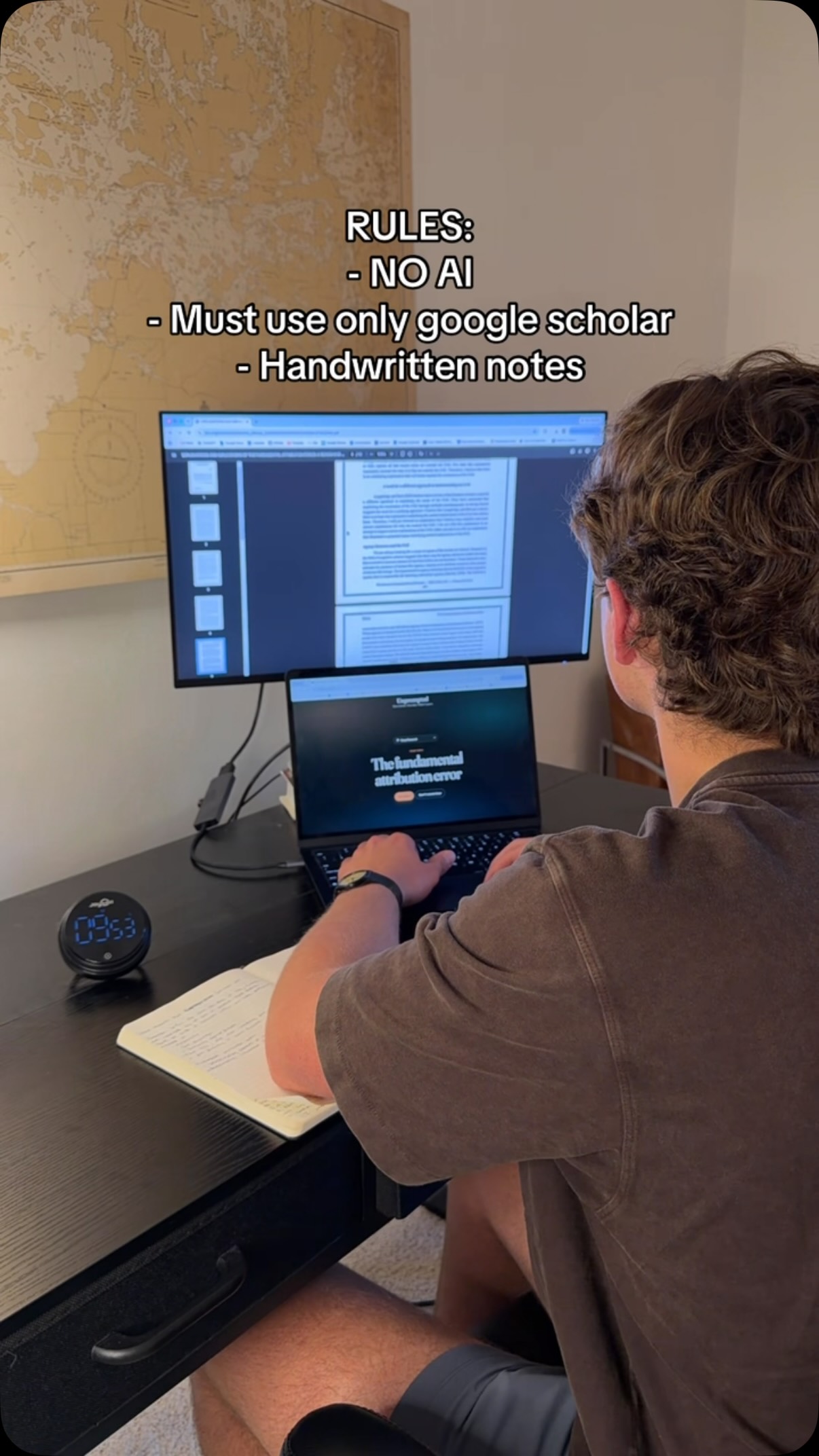
A time-lapsed montage showing the creator studying under visible constraints (a timer, on-screen rules like 'NO AI'). This beat builds anticipation and establishes the credibility of the upcoming performance.
The Performance Frame
A distinct transition where the creator prepares to deliver the final presentation, often expressing nervousness. This resets the scene and heightens the stakes for the final payoff.
The Anecdotal Bridge
The speech begins not with a dry definition, but with a simple, relatable story or analogy (the 'Smart car' example) that makes the abstract concept immediately accessible to a broad audience.
The Concept Reveal
After grounding the viewer with an analogy, the formal name and definition of the topic are presented, satisfying the initial curiosity established in the hook.
The 'Then vs. Now' Pivot
The explanation is elevated by contrasting the topic's historical context with its modern-day application. This adds a layer of surprising depth and relevance.
The Modern Relevance Payoff
The speech concludes by connecting the abstract concept directly to the viewer's life (e.g., marketing, tech algorithms), providing a powerful and memorable takeaway that feels urgent and important.
Comment “speech” and I’ll send you the website I use completely for free
title · beginning
Speaking for 1 min on random topic
contextual · beginning
The BAADER-MEINHOF Phenomenon
contextual · beginning
Deep research for 15 min
informational · middle
Rules: - NO AI - Must use only google scholar - Handwritten notes
contextual · middle
Then 1 min presentation...
informational · throughout
Filler words: 0
Genuinely no clue what that is. I'm kinda scared for this one, but starting timer now. Okay. Imagine you're driving on a highway, and across the way, you notice a smart car. That's kinda crazy. You haven't seen a smart car in a while. The next day, you're driving on the highway, and all you see is smart cars. This is known as the Baader Meinhof phenomenon, and it is our propensity to overperceive information that we've been recently paying attention to. This happens because of selective attention and confirmation bias. Now, what I find so fascinating is that when the working definition of the Baader Meinhof phenomenon was popularized in the twentieth century, our information that we consumed was fixed. So you get your information from the news, the newspaper, billboards, books, all of these things do not morph or shift based on your preferences. Flash forward to the twenty first century, the Baader Meinhof phenomenon is the marketing tactic for a lot of these tech companies. We exist in algorithmic bubbles in which our thoughts are shown back to us as a mirror. So recognizing this is extremely important for maintaining an objective perspective. I know I went a little bit over there.