Post caption
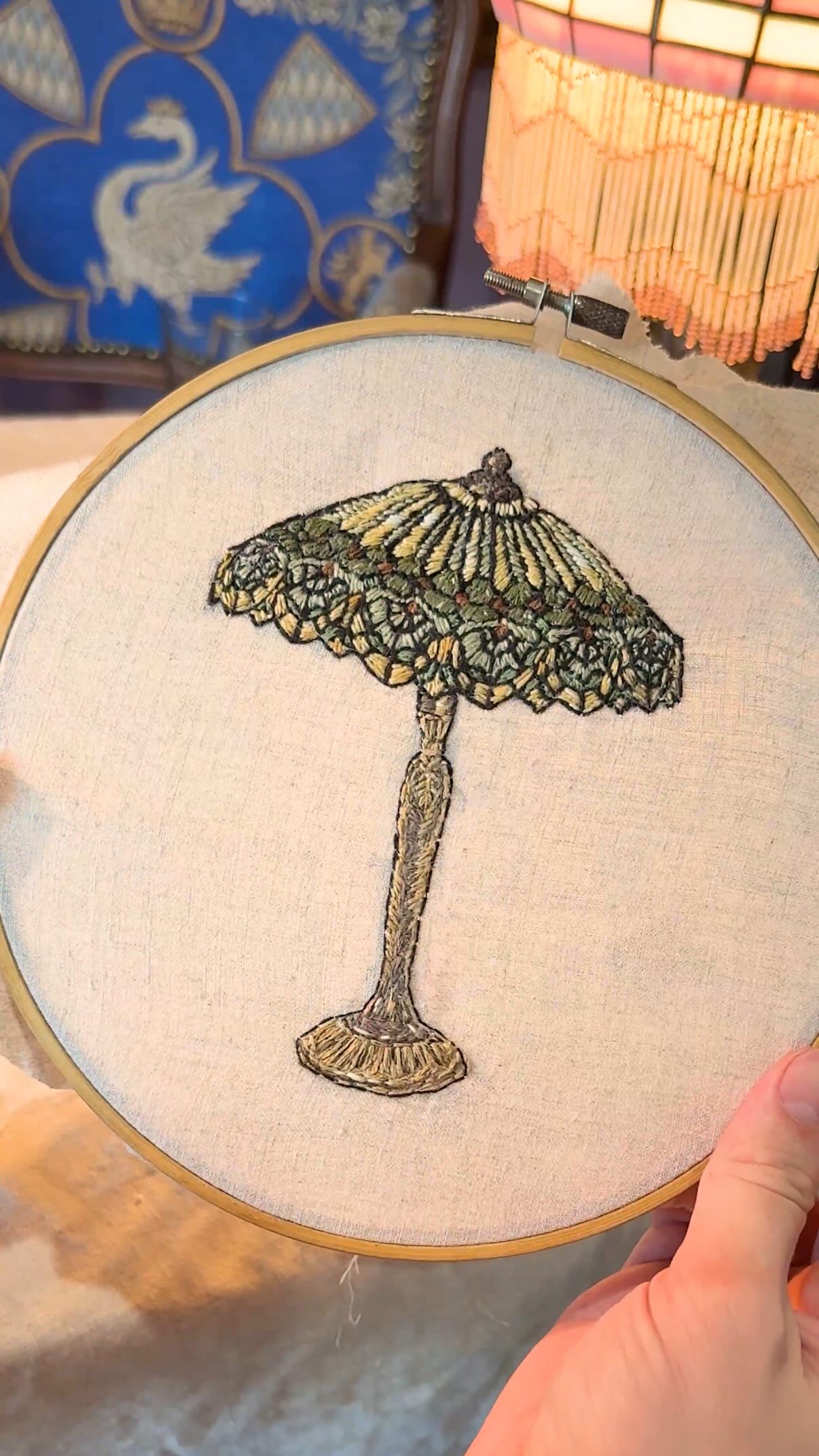
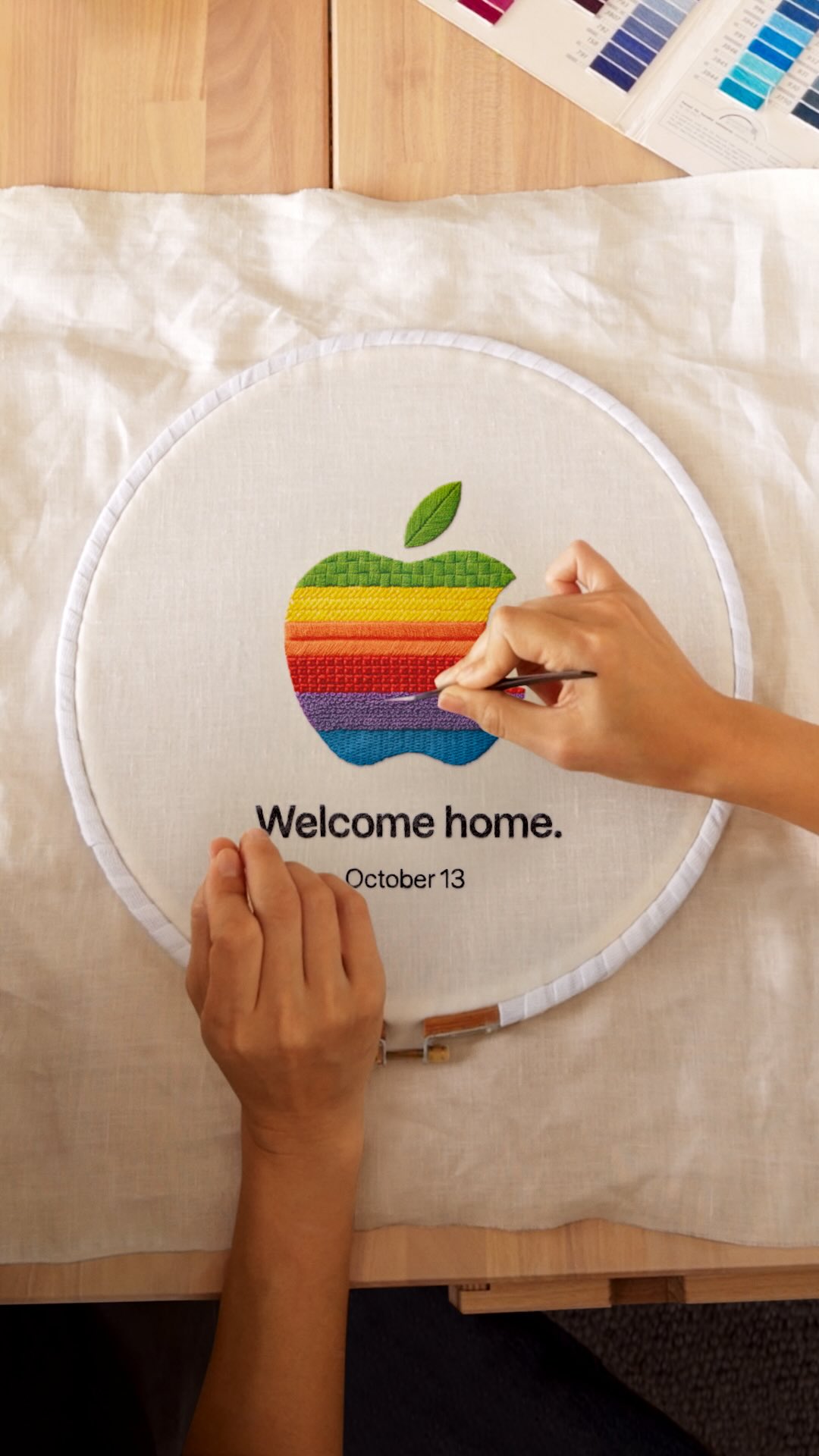
Let’s learn ancient crafts to counter brain rot. Next up, embroidery!!
.
While stitching fabric began as practical repair 30,000 years ago, embroidery as we know it today appeared around 5,000 years ago. Originating in Ancient Egypt and China, it spread around the world. It started as decoration for nobility and religious figures and became an essential hobby for young women in the 1800s and 1900s.
.
This is a very basic introduction, there are so many more techniques and skills to learn, but learning by doing is the best teacher! I recommend longer YouTube videos to perfect each stitch!
.
Can’t wait to see what you guys create!
.
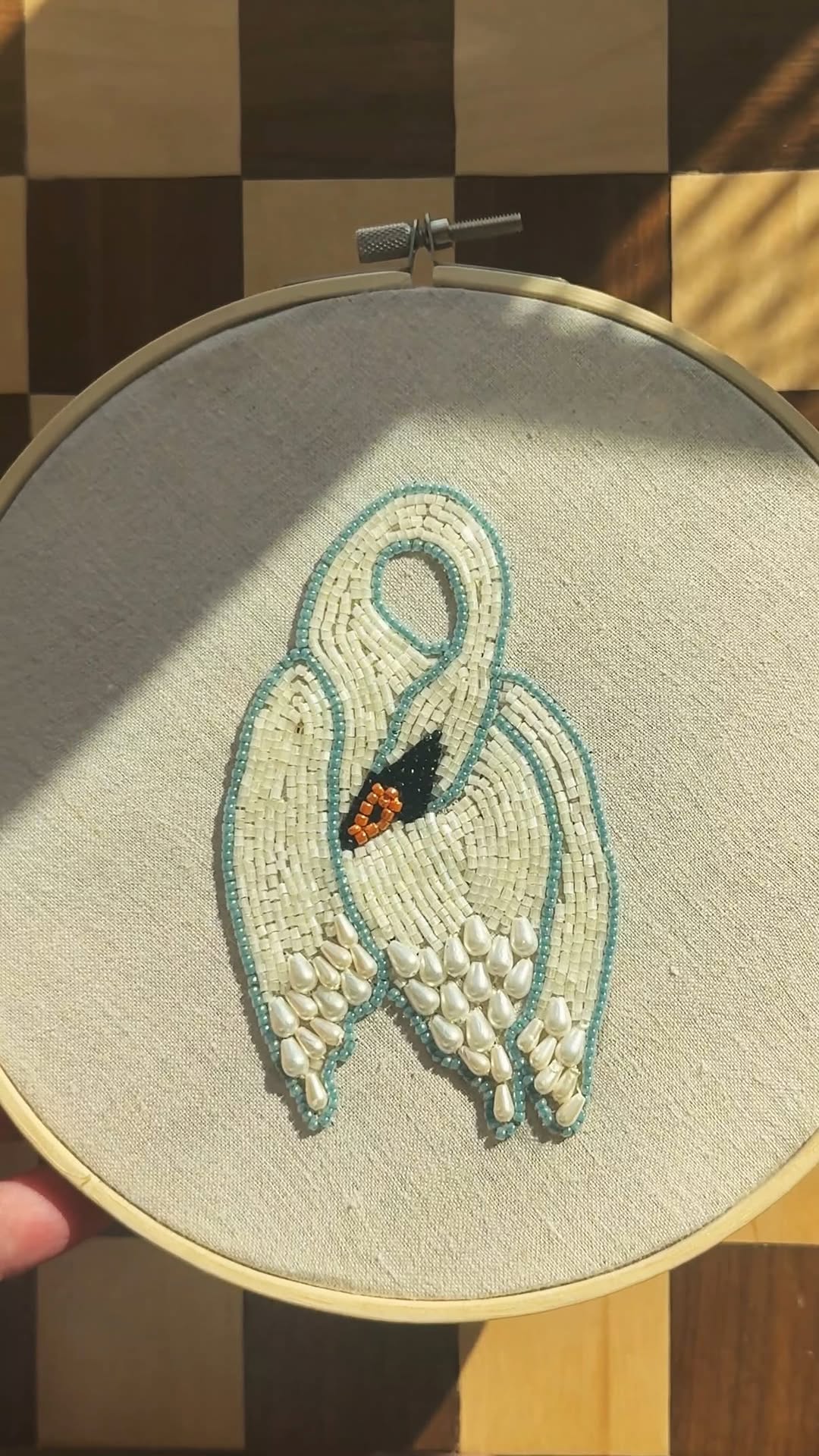
#diy #craft #history #beading #beads
Transcript
Better learn ancient crafts to counter brain rot. Today, embroidery. Embroidery as we know it developed five thousand years ago in ancient China and Egypt. It spread across the world with different cultures creating their own patterns and traditions. To get started, you'll need an embroidery hoop, embroidery needles, and embroidery floss. Stretch your fabric tight in the hoop so it doesn't move. I use cotton or linen with a tight weave. Embroidery floss generally comes with six strings. It's best to slowly separate them and use a few at a time. Thread your needle and knot the end. The best stitch to start with is the back stitch. Make one stitch, then come back up a stitch length away. Then, go back into the end of the previous stitch. It makes a continuous line that's perfect for outlines. Also, the satin stitch. Fill a shape in with straight stitches placed side by side. I like to do a few guiding stitches before filling it in. It creates smooth blocks of color. I've been embroidering for a decade, and these are the two stitches I use the worst. But there are so many other stitches to learn and use. I love embroidery because it's soothingly repetitive, but can also be very expressive. Research shows that it calms your nervous system and reduces anxiety, something we probably all need right now.