@shamelesspodcast
Instagram · Clip

@shamelesspodcast Hypoallergenic? Yes. Hated by their own creator? Also yes.

@shamelesspodcast
Instagram · Clip
@shamelesspodcast Hypoallergenic? Yes. Hated by their own creator? Also yes.
Performance
Video #19663 · Clip
[01]
The speaker narrates the ironic origin story of the Labradoodle, detailing how creator Wally Conron bred the dog for a specific purpose but now regrets the craze he started, viewing it as a "Frankenstein monster."
[02]
[03]
 1.4M2188.2×Veterinarian satirically explains dog's appearance.@aranisagoodboy · Satirical Expertise
 304.6KIllustrated history of famous dogs@wikipedia · Strange but True
 399.2K1.1×Creator shows daily life with pet deer@immrexotic · Character Introduction
 713K3.6×Explaining misheard phrases with gags@wacomo · Opportunity Explainer
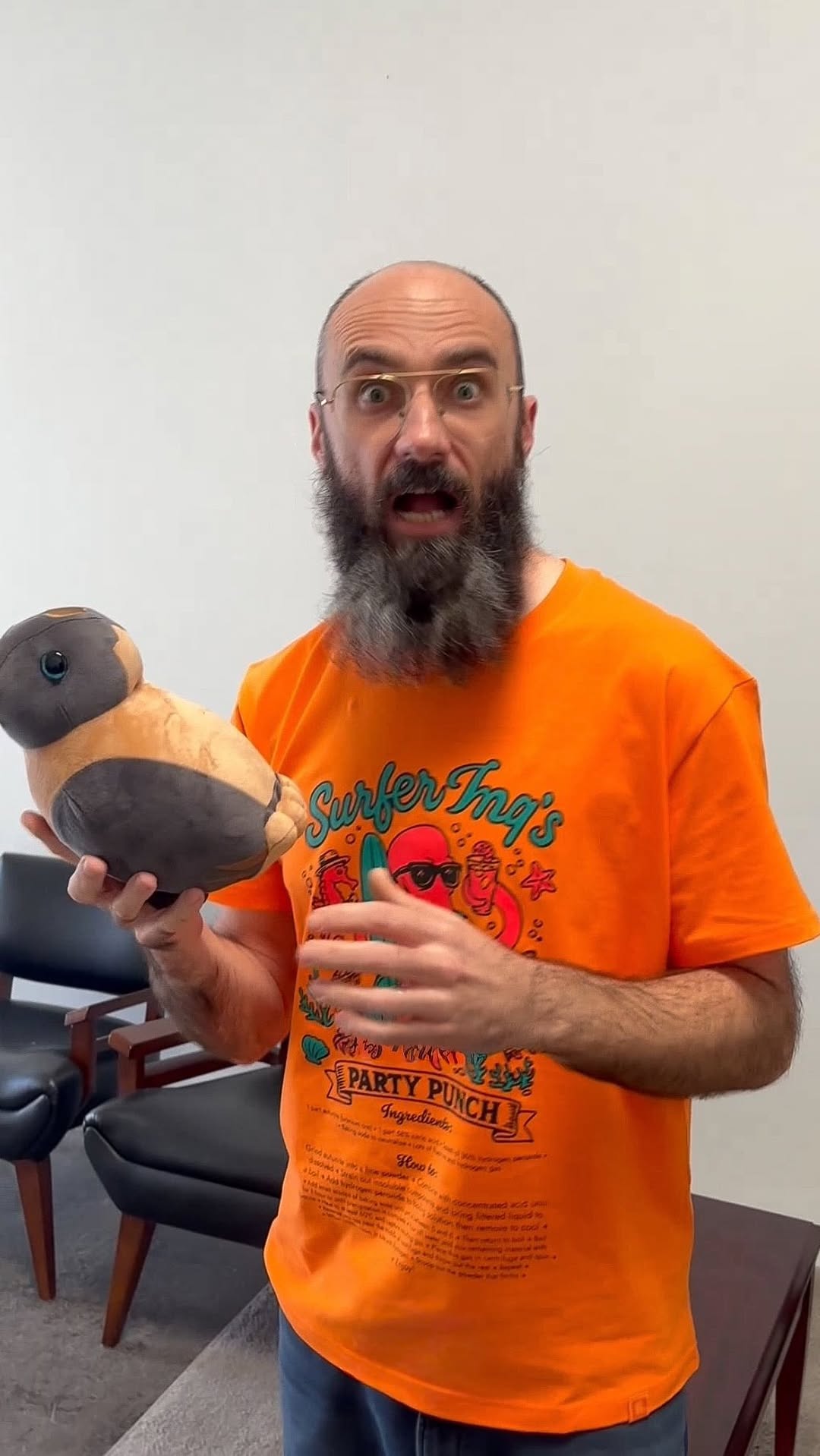 811.2K2.3×Comedic argument over optical illusion.@thecuriositybox · Skit
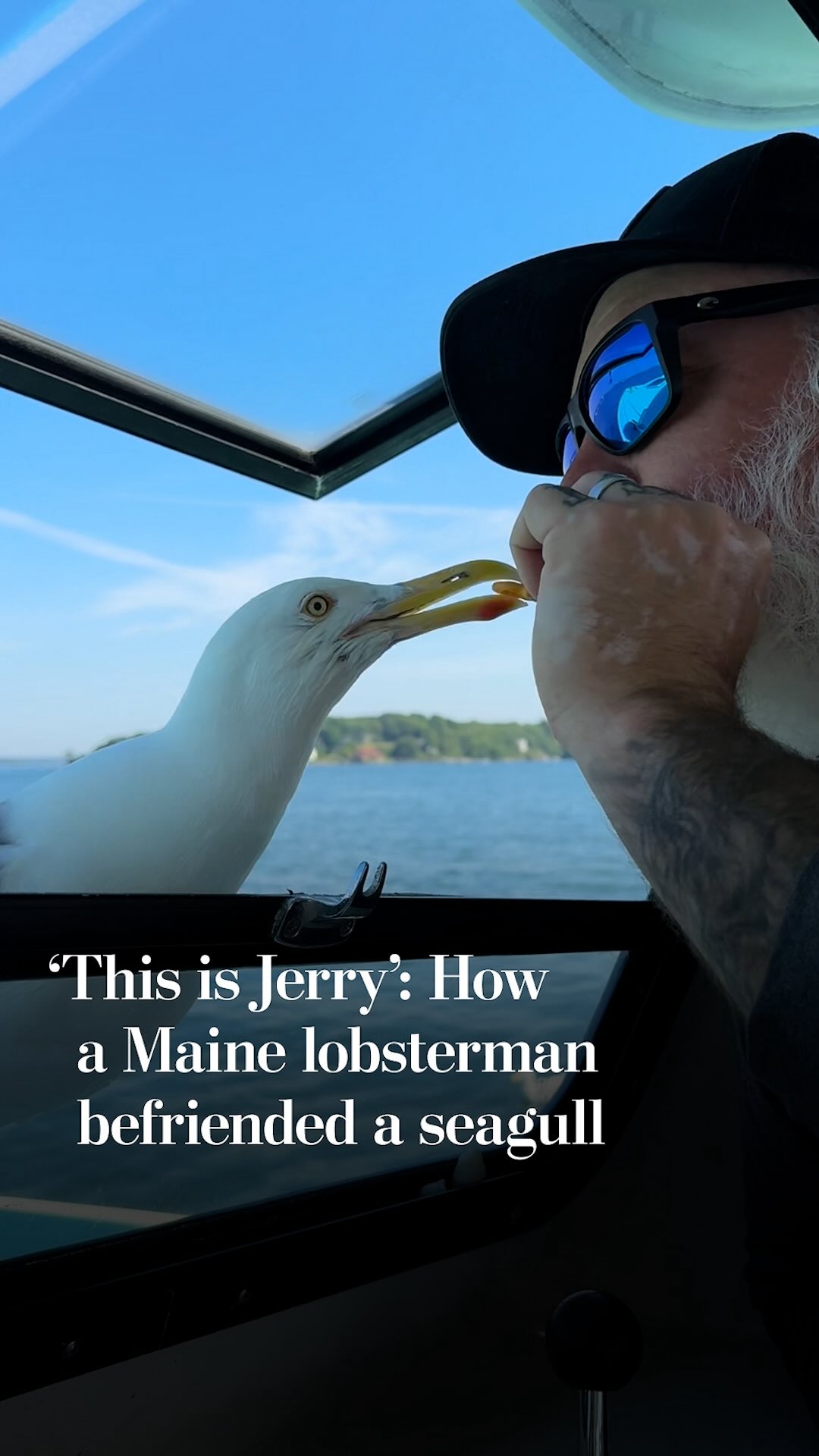 359.6K14.6×Reporter profiles lobsterman's seagull friend@natbco · Character Profile
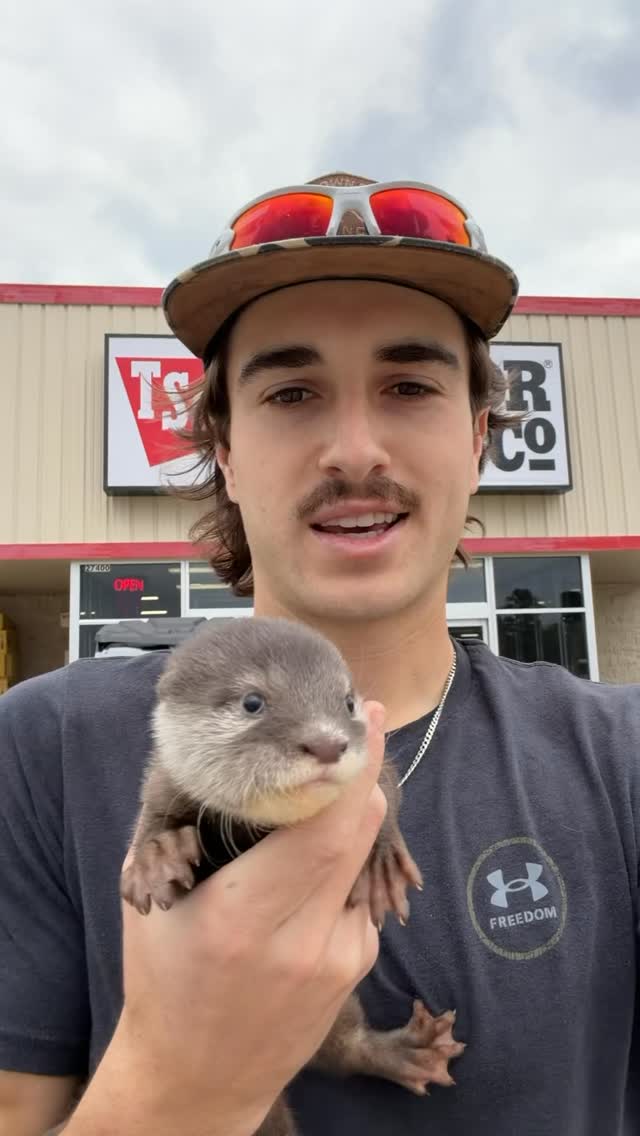 336.9KMan captures reactions to pet otter@immrexotic · Candid Spectacle
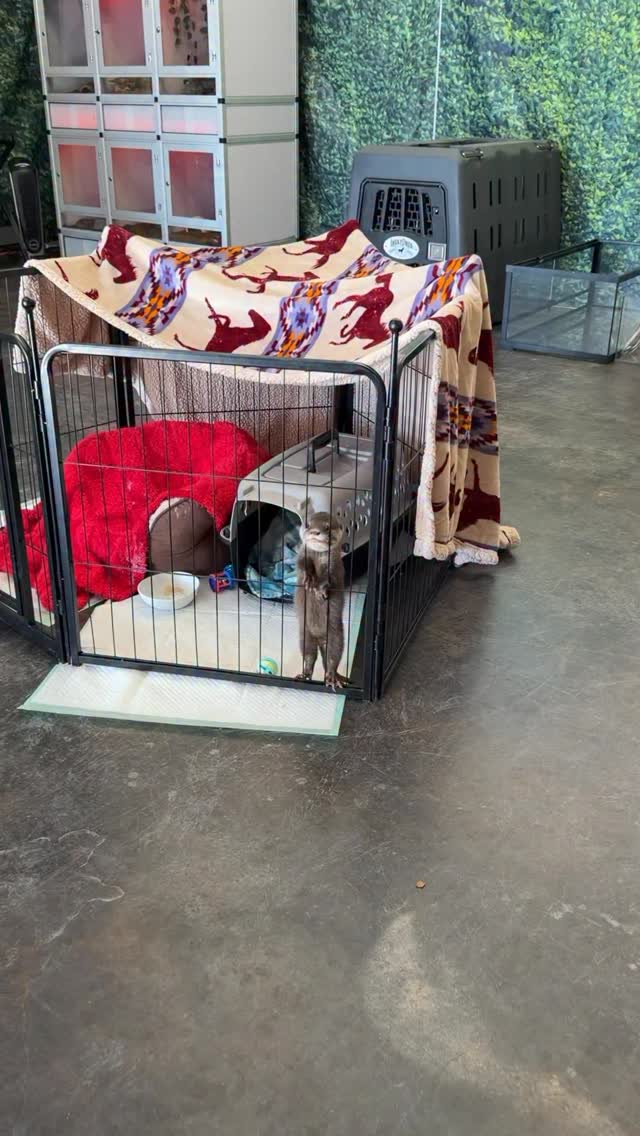 2.2M5.8×Man plays with pet otter outside@immrexotic · Lifestyle Showcase
 430.4K1.1×Responding to comment with animals@immrexotic · Q&A Response
 274.1K1.7×Touching tribute to neighbor's cat@timmchiusano · Narrative Montage
 526.1K1.4×Man introduces his new pet zebra@immrexotic · Character Introduction
 777.2K27.1×Debunking five alligator myths@kidflamess · Breakdown
[04]
[05]
What stops the scroll in the first 3 seconds
Title hook · 55%
The creator of the Labradoodle reaaaaally hates Labradoodles
Verbal hook · 40%
The creator of the Labradoodles is a bigger Labradoodle hater than anyone else.
Visual hook · 5%
Close-up of speaker with a prominent text overlay box above her head and a picture-in-picture insert of the subject (Wally Conron) appearing shortly after.
[06]
Steal this for your own video
The person who invented is its biggest
[07]
The promise the opener makes, and how the video pays it back
Hook
The Counter-Intuitive Thesis: Opens with a shocking statement that directly contradicts public perception (e.g., the creator of a beloved thing hates it).
Payoff
The Ironic Conclusion: Circles back to the hook, confirming why the creator's regret is justified—the marketing worked too well, leading to unethical mass production he never intended.
[08]
The structural pattern this video runs on
Framework
The Frankenstein Origin Arc
A storytelling structure that reveals the ironic, often regretful history behind a massive success, utilizing a 'did you know' conversational format to deliver a counter-intuitive business lesson.
The Utilitarian Genesis
Establishes the humble, practical reason the invention was created (solving a specific disability need), contrasting with its current status as a mass-market trend.
The Prototype Failure
Introduces the conflict: despite solving the functional problem, the invention was initially rejected by the market due to poor perception (e.g., 'mongrel' vs. purebred).
The Branding Hack
The turning point where a superficial change in framing (PR/Naming) instantly transforms the unwanted item into a desirable commodity.
The Unintended Consequence
Describes the uncontrollable explosion of popularity that followed the rebrand, validating the 'Frankenstein' metaphor from the hook.
Hypoallergenic? Yes. Hated by their own creator? Also yes.
title · beginning
The creator of the Labradoodle reaaaaally hates Labradoodles
narrative · beginning
Creator of the Labradoodles is a bigger labradoodle hater than anyone else
Tier creator of the Labradoodles is a bigger Labradoodle hater than anyone else. In the 1980s, an Australian man called Wally Conron devised, created, invented the Labradoodle. And he needed to do this, Sara, because he was working for Guide Dogs Victoria. Oh, okay. Fair. So the Labradoodle was invented right here. We're in the home of the Labradoodle, baby. Oh, yeah? Wally needed to breed the world's first Labradoodle because there was a blind lady living in Hawaii who needed a guide dog, but her husband was, like, really allergic to dogs. So they couldn't have your standard guide dog Labrador. They needed one that didn't shed hair because her husband was really struggling with allergies. So, you know, her story seems like it went around the worse, and they needed a solution for this poor couple where she's vision impaired, her husband can't have a Labrador around. I mean, fair enough. We need a super dog. Yes. So he told ABC's Some of Us podcast in 2019 why people are breeding them today, I haven't got a clue. He went on, I opened a Pandora's box and released a Frankenstein monster. My favorite part of the story is Wally ended up with three puppies. He bred these two dogs together. The best puppy went to Hawaiian lady, and he was left with two Labradoodle puppies. And did he keep them? Well, he didn't want them. Okay. Well, famously, he doesn't like the Labradoodle. No one else wanted them. So he was stuck with these puppies being like, what do I do with them? Nobody wants these dogs. I am trying to get these dogs out there. I cannot home rehome these two dogs. So he went to the PR department of Guide Dogs Victoria, and he said, what can you do for me? Like, I'm really frustrated. I've got these two dogs that I know what to do. And they said, well, we need a new name. We'll call it the Labradoodle, and we'll tell everyone it's hypoallergenic. And they had a bit of a PR campaign of just these two dogs. That went so well, everyone started wanting Labradoodles. Fast forward in almost thirty years, the Labradoodle is the most popular family dog in Australia.