@kidflamess
Instagram · Talking Head Edit
@kidflamess They are so misunderstood. #alligators

@kidflamess
Instagram · Talking Head Edit
@kidflamess They are so misunderstood. #alligators
Performance
Video #43011 · Talking Head Edit
[01]
The creator stands in an alligator enclosure and systematically debunks five common misconceptions about the animals, using a combination of direct-to-camera explanation and illustrative B-roll footage for each point, covering topics like aggression towards humans, eating habits, saltwater tolerance, speed, and climbing ability.
[02]
[03]
 646.8K23.1×Creator shares facts while with alligators@kidflamess · Rapid Fire Listicle
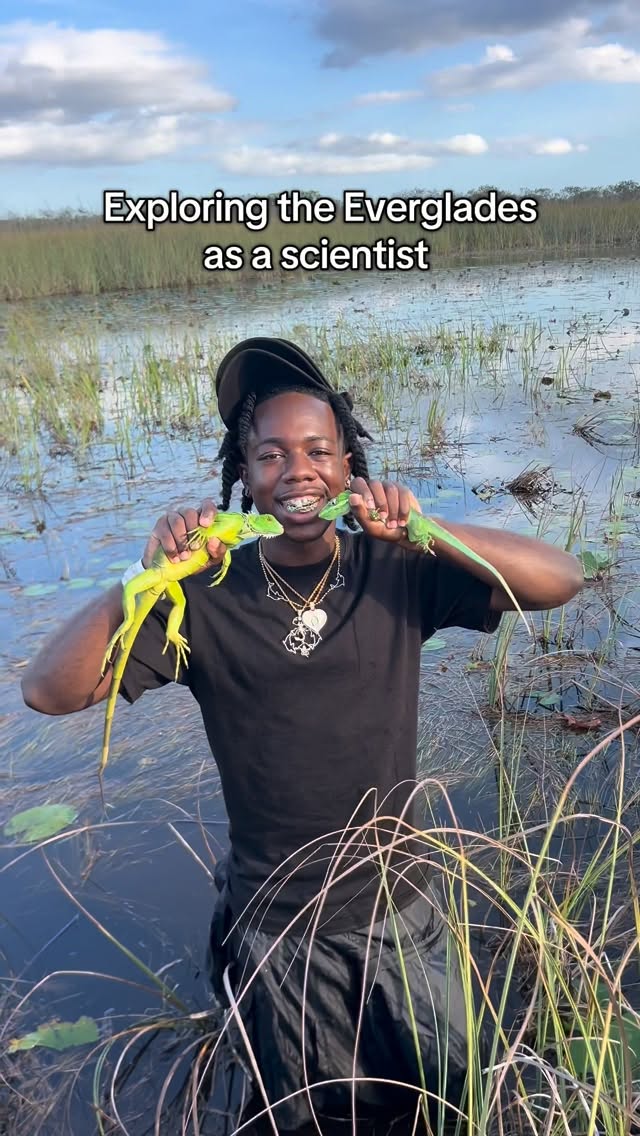 2.8M96.1×In-field invasive species explainer@kidflamess · Show and Tell
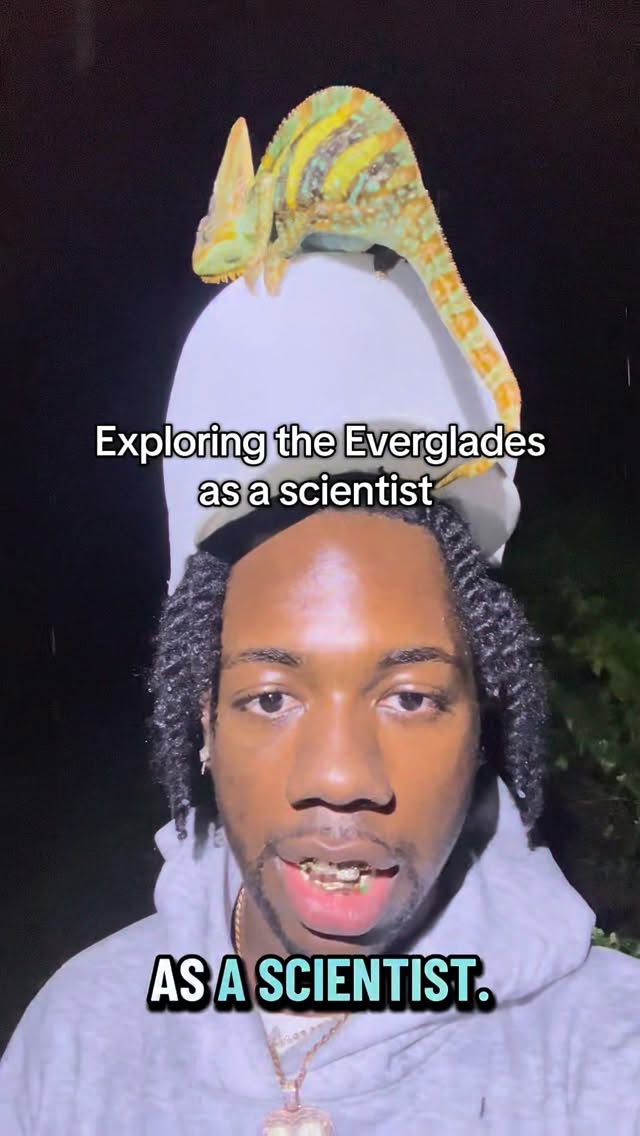 119.1KScientist explains invasive chameleon@kidflamess · Show and Tell
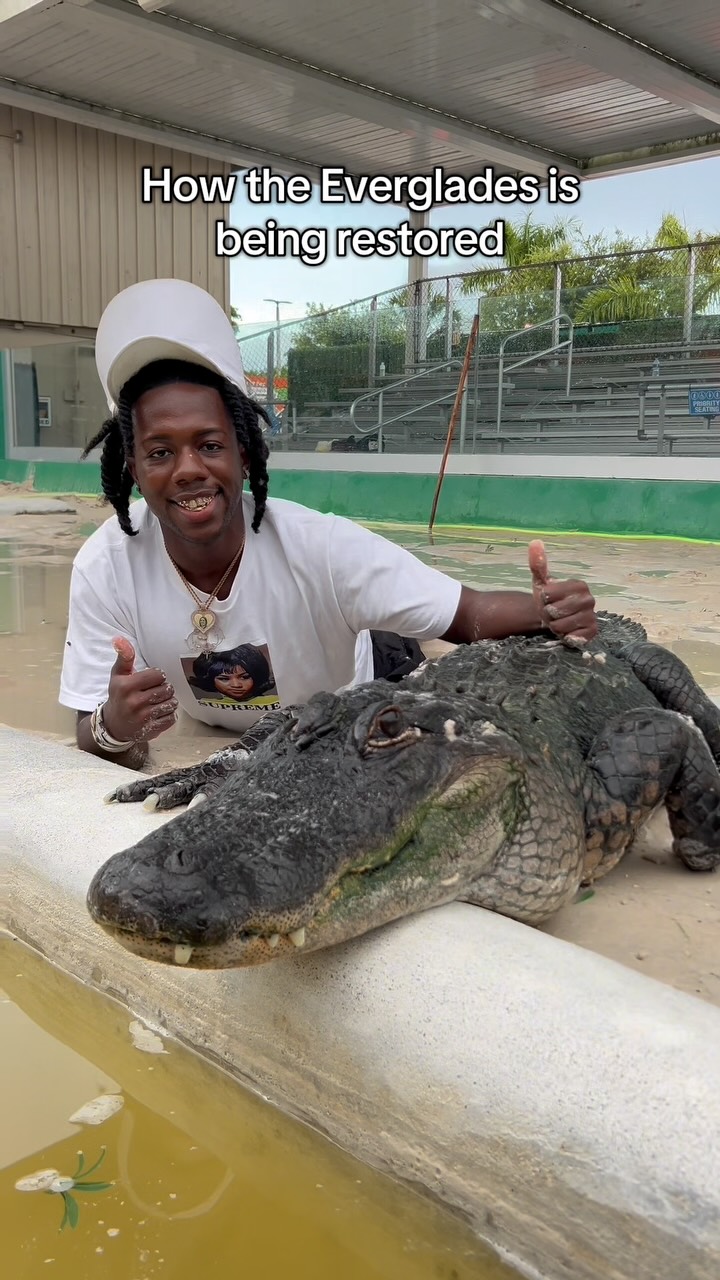 288.1K8.9×Scientist explains restoration with alligator@kidflamess · Pope In The Pool Multitask
 604.4K21.6×Staged event explains nature fact@kidflamess · What Is X?
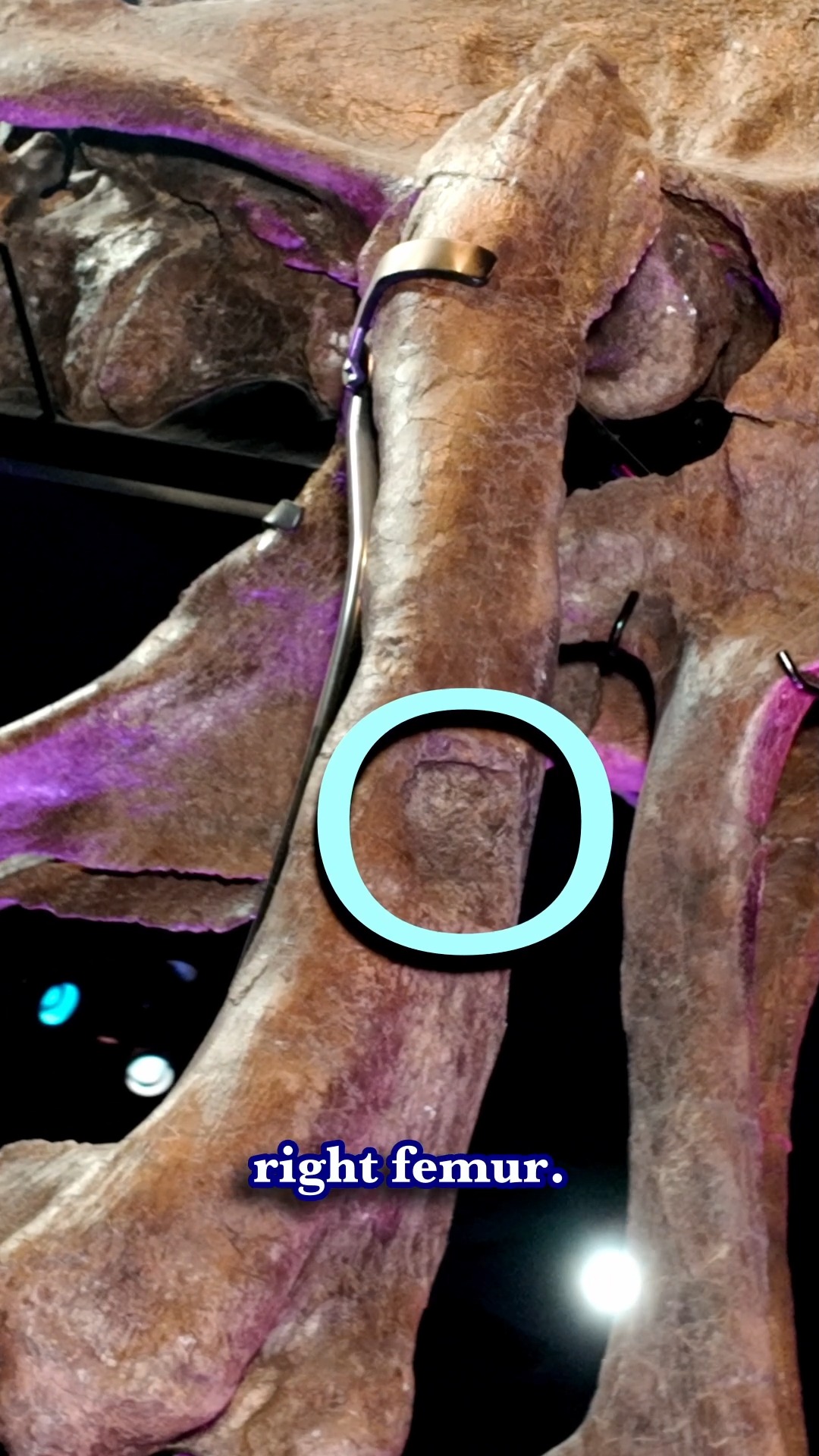 4.3M676.1×Rapid fire surprising dinosaur facts@hmns · Rapid Fire Listicle
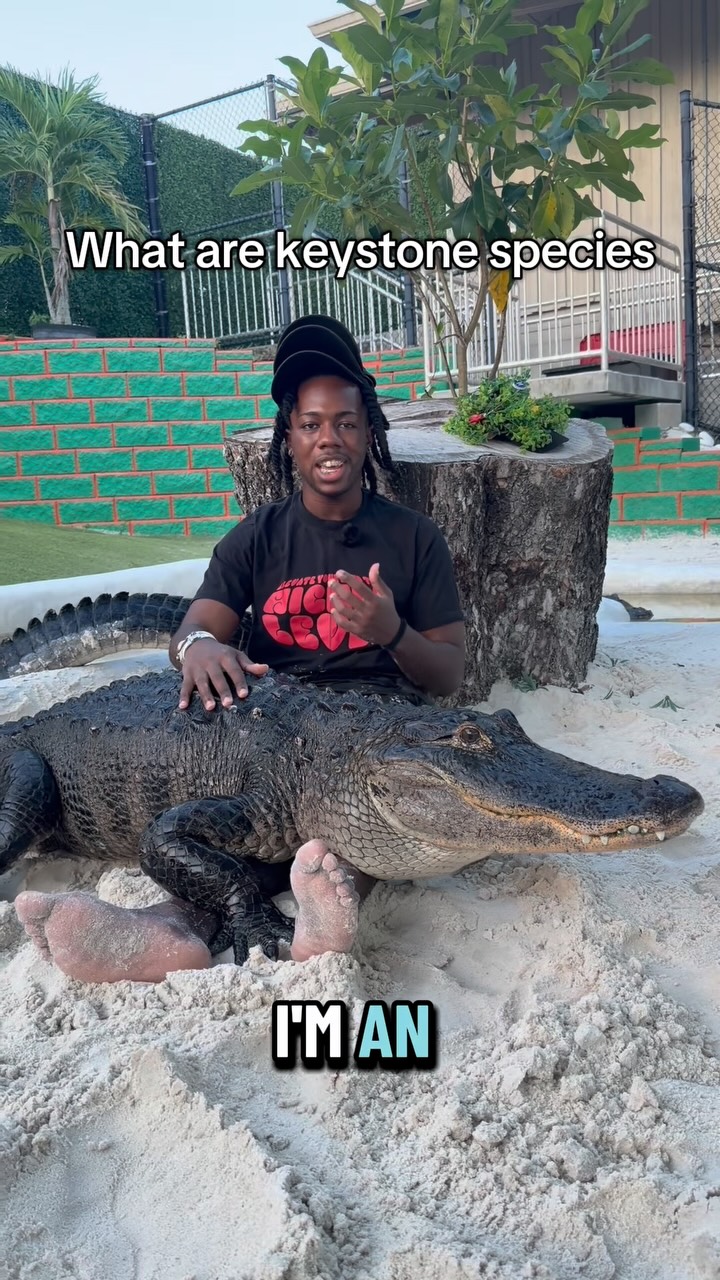 504.2K17.3×Explaining keystone species with alligator@kidflamess · What Is X?
 276KCreator shows off captured animals@kidflamess · Show and Tell
 918.1KQuestion, debunk, reveal surprising fact@cleoabram · Strange but True
 1.7M2.1×Five surprising Gila monster facts@natgeo · Rapid Fire Listicle
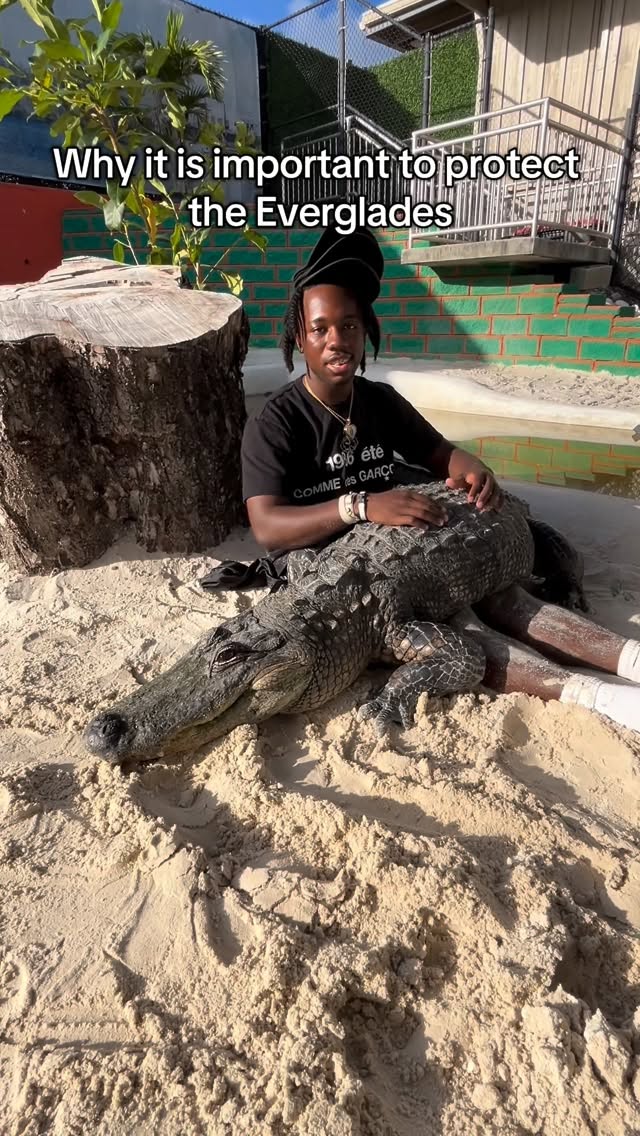 426K19.3×Explaining Everglades importance with alligator.@kidflamess · Breakdown
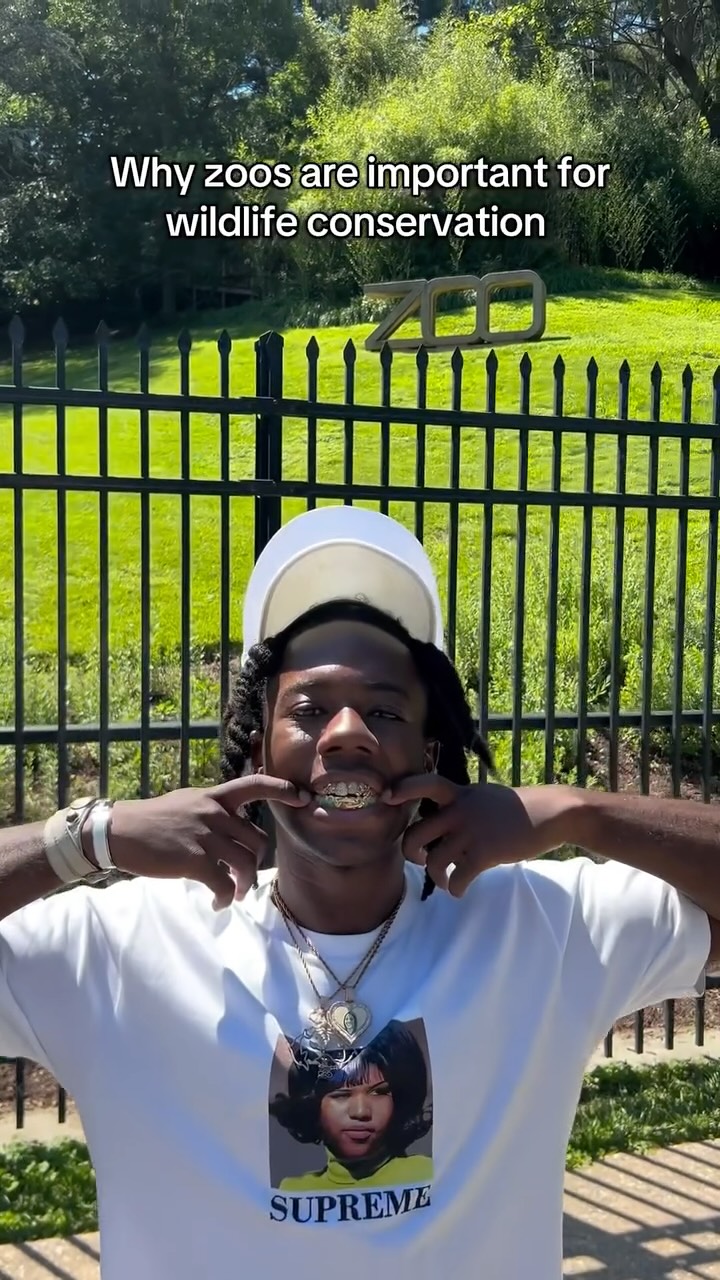 321.3K10.1×Scientist explains importance of zoos@kidflamess · Breakdown
[04]
[05]
What stops the scroll in the first 3 seconds
Title hook · 48%
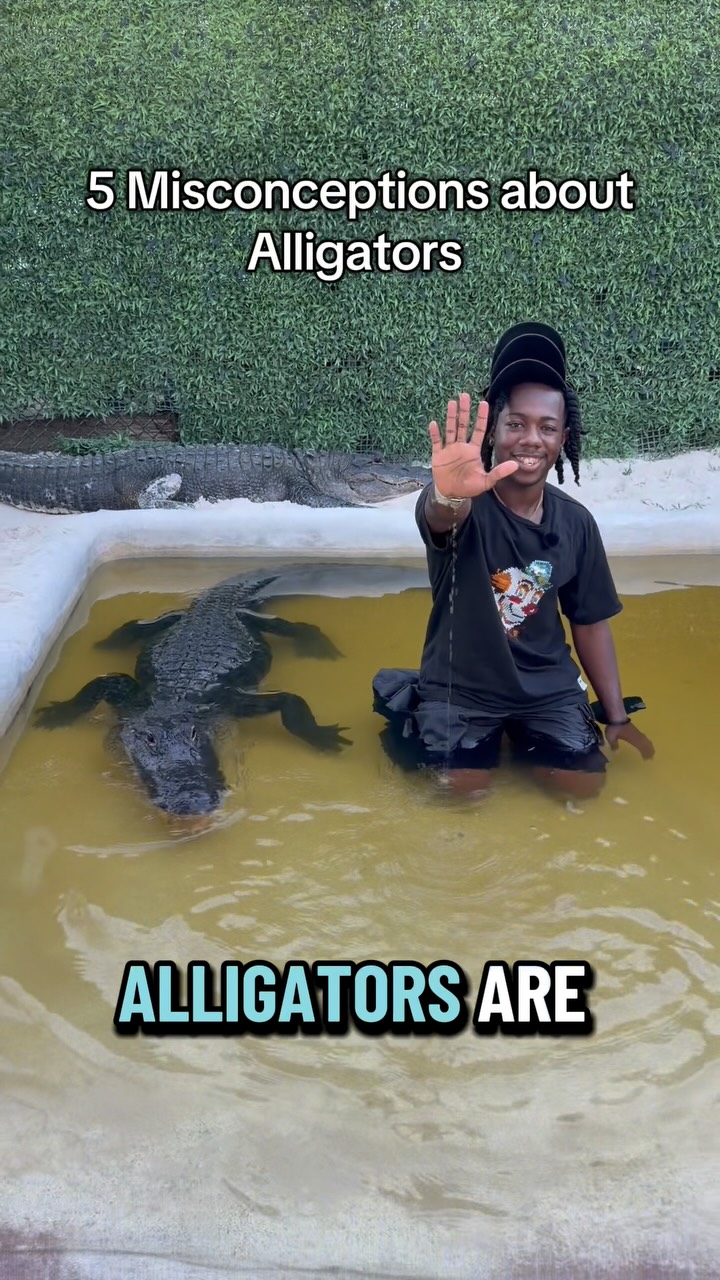
5 Misconceptions about Alligators
Verbal hook · 17%
These are five misconceptions about alligators.
Visual hook · 35%
A man stands waist-deep in murky water in an enclosure, directly next to a large alligator, and splashes the water with his hand.
[06]
Steal this for your own video
5 Misconceptions About
[07]
The promise the opener makes, and how the video pays it back
Hook
A direct-to-camera declaration of the video's purpose: to debunk a specific number of common myths about a subject, delivered from a high-stakes or visually interesting environment related to the topic.
Payoff
The final beat, 'The Unbelievable but True Reveal,' presents the most shocking or counter-intuitive fact, supported by undeniable visual proof, to serve as a memorable and shareable climax.
[08]
The structural pattern this video runs on
Framework
The Expert Debunk
A credible expert systematically dismantles a series of common misconceptions about a specific topic, using a repeating pattern of stating the myth, revealing the truth, and providing visual evidence. The expert's physical interaction with the subject matter enhances authority and engagement.
Debunking the Primary Fear
The first item addresses the most common and emotionally charged misconception the audience holds about the subject, immediately grabbing their attention by challenging a core belief.
Debunking the Functional Assumption
The second item tackles a misconception about the subject's basic biological or operational functions, shifting from emotional fears to logical fallacies.
Debunking the Environmental Limitation
The third item expands the audience's understanding by refuting a common belief about the subject's environmental constraints or habitat limitations.
Debunking the Physical Limitation
The fourth item challenges a perceived weakness or physical limitation, revealing an unexpected strength or capability.
They are so misunderstood. #alligators
title · beginning
5 Misconceptions about Alligators
informational · beginning
NOT AGGRESSIVE TOWARDS HUMANS.
informational · middle
EAT EVERYDAY.
informational · middle
TOLERATE SALT WATER.
informational · middle
SLOW.
informational · end
THEY CAN CLIMB.
These are five misconceptions about alligators. Alligators are not aggressive towards humans. We're not even on the menu. That doesn't mean that you should approach or feed an alligator. They don't need to eat better day. Alligators can go a long time without eating food because they're ectotherms, meaning that they don't produce their own body. They can tolerate saltwater. Even though they don't have the same adaptations as crocodiles do to live in saltwater, you might sometimes find alligators in coastal areas that are brackish. They're not slow. They can move very fast over short distances. For example, they might use their legs to lunge at prey that they're hunting. They can climb. They use their powerful legs and toes to climb over small obstacles, especially the smaller alligators.