@stlouisblues
TikTok · Interview Q&A
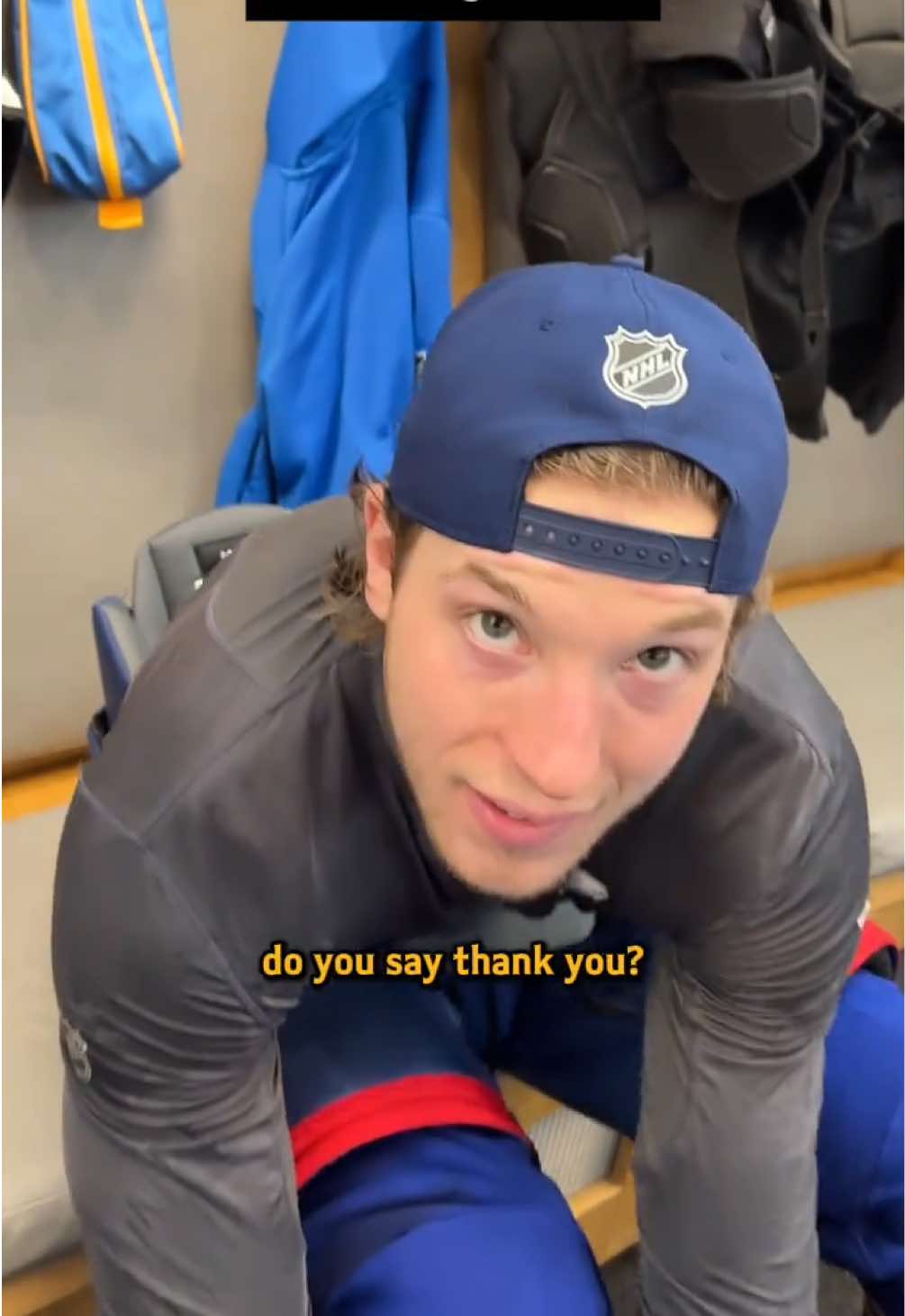
@stlouisblues If you happen to be a penalty box employee... we apologize on their behalf

@stlouisblues
TikTok · Interview Q&A
@stlouisblues If you happen to be a penalty box employee... we apologize on their behalf
Performance
Video #21479 · Interview Q&A
[01]
An off-camera interviewer asks various St. Louis Blues hockey players a two-part question about their manners. First, the interviewer asks if the players say thank you when someone opens a door for them, establishing a baseline where most players agree they do. Then, the interviewer delivers the punchline question, asking if they say thank you to the penalty box worker who opens the door for them during a game. The video cuts rapidly between the athletes as they provide humorous, candid, and slightly guilty responses, with most admitting they are usually too angry in the moment to remember their manners.
[02]
[03]
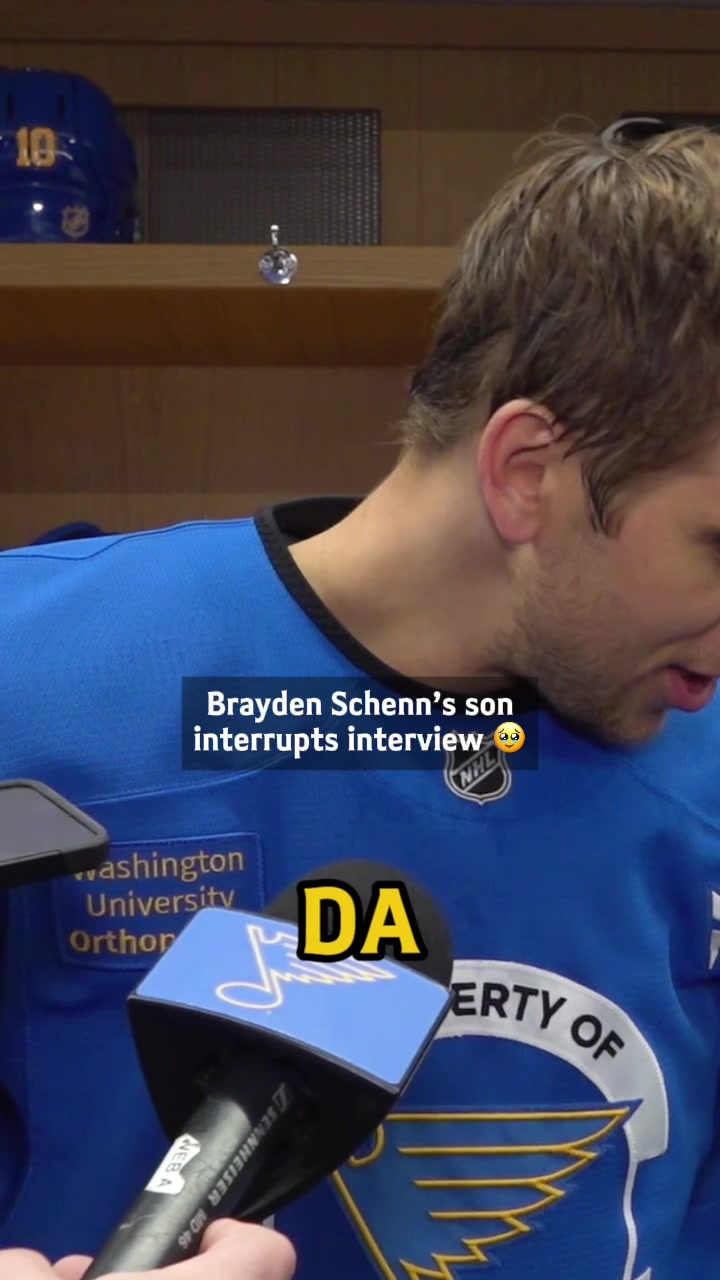 271.7K26.6×Athlete's son interrupts press interview@stlouisblues · Behind The Scenes
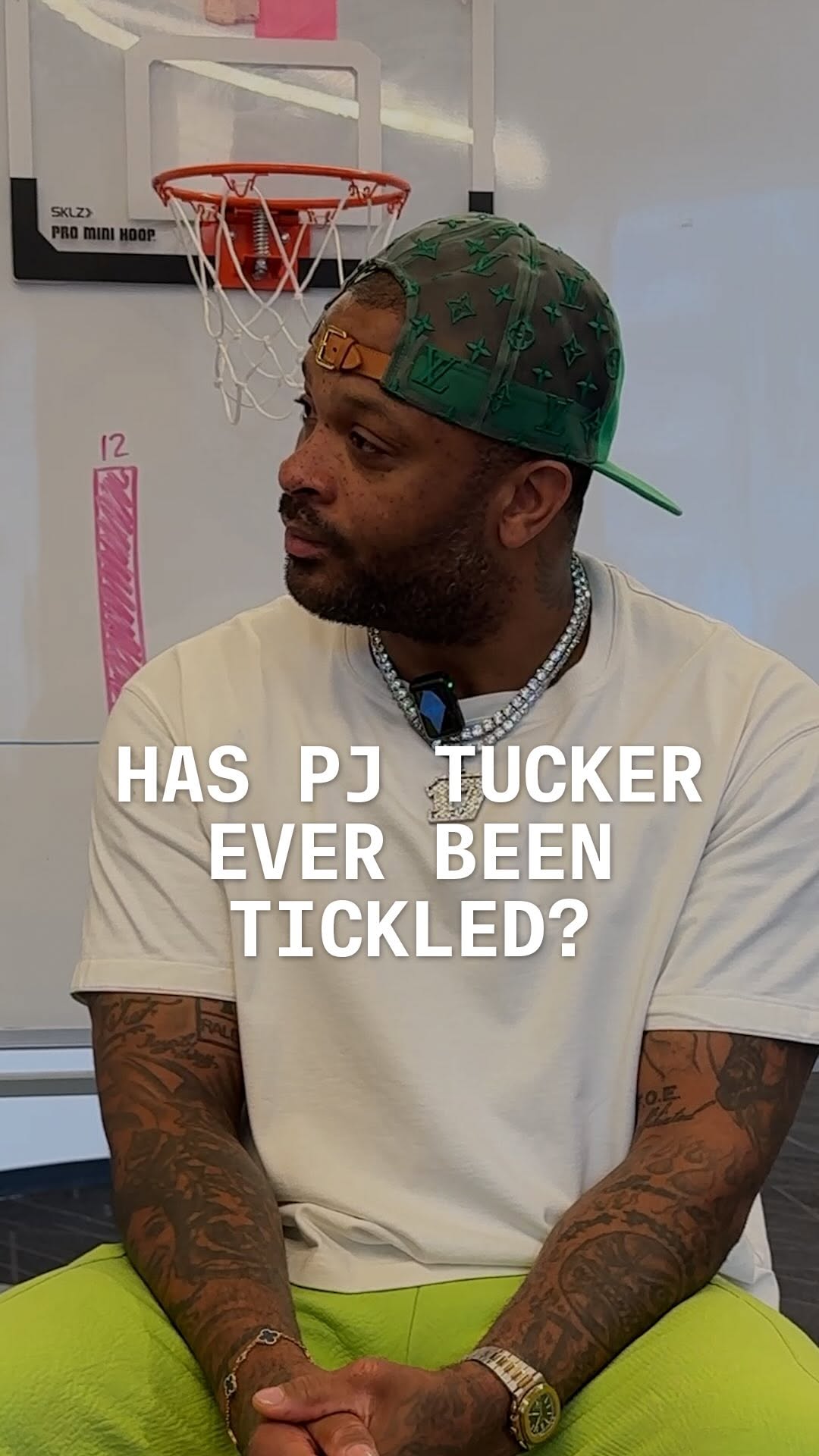 279.3K24.7×Awkward reaction to random question@nbaresdev
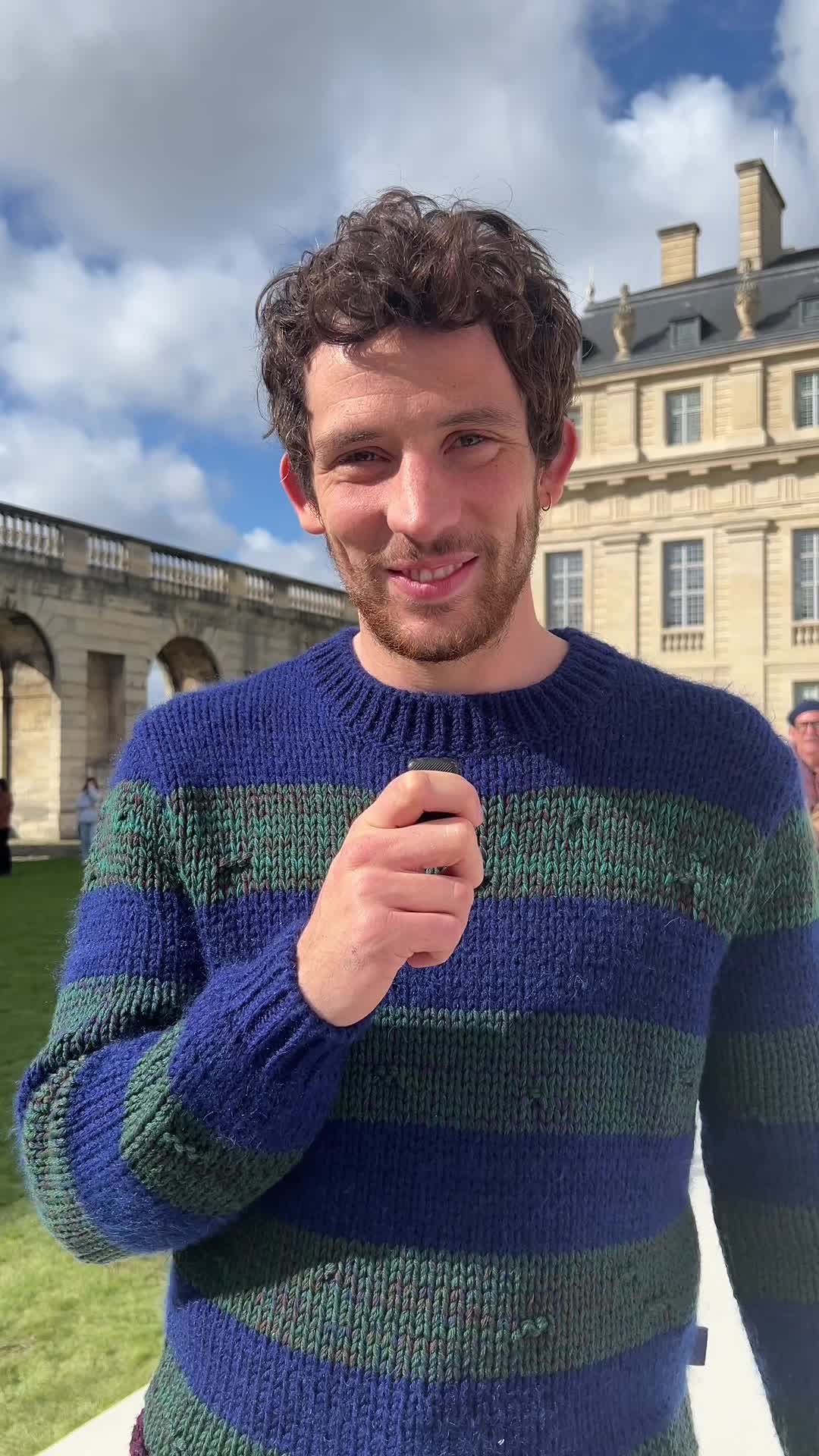 1.3M4×Josh O'Connor reveals his guilty pleasure song is I'm Blue by Eiffel 65@loewe · Brand Showcase
 3.1M770×Football players answer money question@paypal · Question Montage
 606.3K53.6×Athlete gives brutally honest answers@nbaresdev · Mockumentary Sketch
 323.4K28.6×Athlete roasts interviewer's outfit@nbaresdev · Q&A Response
 1.1M1.4×Awkward hot potato compliment game@calebpressley · Social Game Challenge
 212.3K1.6×Rapid-fire interview highlight clip@oonacmccaughan · Behind The Scenes
 3.4MAsking celebrities one repeated question@guywithamoviecamera · Question Montage
 3.5M2.2×Two men discuss another athlete@heatedrivalrycrave · Character Profile
 134.6K2.5×Asking NBA players one question.@nbaresdev · Question Montage
 296.8K12.3×Cosplayers reveal their day jobs@erinasimon · Question Montage
[04]
[05]
What stops the scroll in the first 3 seconds
Title hook · 50%
When someone opens the door for you, do you say thank you?
Verbal hook · 45%
When someone opens the door for you, do you say thank you?
Visual hook · 5%
Close-up, candid shot of a professional hockey player in a locker room setting, looking slightly off-camera to engage with an interviewer.
[07]
The promise the opener makes, and how the video pays it back
Hook
Immediately engage the viewer by asking a relatable, universal question that establishes a clear social expectation.
Payoff
End on a particularly blunt, funny, or definitive reaction that perfectly encapsulates the absurdity of the behavioral double standard.
[08]
The structural pattern this video runs on
Framework
The Contextual Double-Standard Interview
Establish a universal behavioral norm with a simple question, then immediately introduce a highly specific, high-tension contextual variable to expose humorous contradictions in how people actually behave.
The Baseline Setup
Present a universally accepted social norm to secure a predictable, agreeable response from the subject.
The Contextual Twist
Introduce a highly specific, niche scenario that directly challenges the established norm.
The Candid Justification
Allow the subject to explain their contradictory behavior, generating humor through their honest rationale.
The Rapid-Fire Gauntlet
Cycle through multiple subjects using the exact same two-part prompt to showcase a spectrum of human reactions.
If you happen to be a penalty box employee... we apologize on their behalf
title · beginning
When someone opens the door for you, do you say thank you?
informational · middle
When it's the person in the penalty box, do you say thank you?
When someone opens the door for you, do you say thank you? Yeah. I do. When it's the person in tier penalty box, do you say thank you? No. I don't. Okay. When someone opens a door for you, do you say thank you? Yes. When it's the worker in the penalty box, do you say thank you to them? No, actually. That's a good question. Because usually when I go to the penalty box, I'm mad. Okay. I would say that I do, like, talk to those guys in there, though. I'll just say, like, how's it going? I would've been or, if they thought it was a penalty or no, sometimes I'll get their, like, tier opinion on it. Do you say thank you when someone opens a door for you? Of course. Do you say thank you when it's the worker in the penalty box? Oh, yeah. Of course. Do you? Yeah. Actually. Yeah. Do you say thank you when someone opens the door for you? Absolutely. When it's the worker letting you out of the penalty box, do you say thank you? No. Because I'm probably upset that I'm in there to begin with. Fair. Okay. So I lose my manners. Do you say thank you when someone opens the door for you? Every time. Did you say thank you when it was the worker on the penalty box letting you back on ice? No. Just a job. Do you say thank you when someone opens the door for you? Yes. Do you say thank you when it's the worker in the penalty box opening the door for you? Probably not. When someone opens the door for you, do you say thank you? Of course. When it's the person in the penalty box opening the door, do you say thank you? Sometimes.