Viral Hooks
Trending short videosTalking head toxic workplace breakdown
H

@harnidhk

Instagram · Talking Head Edit

@harnidhk The startup world can really make you feel like struggling is a personal failure. like if you were just smarter, more skilled, better at ‘stakeholder management’, more resilient, you’d be fine. you wouldn’t be exhausted. you wouldn’t be scared. you wouldn’t be wondering if any of this is worth it. but the data is grim, and it’s been grim for a long time. startup operators experience depression, anxiety, and burnout at rates significantly higher than the general population. and most of them suffer in silence we work at warp speed and anything that looks like it might slow us down is simply not acceptable. if you’re in a dark place right now, or know someone who is, please reach out: iCall (India): 9152987821, free, confidential counselling Vandrevala Foundation: 1860-2662-345, 24/7, free iMind: 040-2340-0400, mental health helpline NIMHANS: 080-46110007 International: findahelpline.com to locate resources by country you are not weak for struggling. you are human. and there are people who want to help.

View original on Instagram

The edit1 shot · 1 text
Shots Text2:17

Performance

Views
200.4K
Likes
5.5K
Comments
66
Engagement
2.8%
Outlier
10.8×
Length · 9 Mar 2026
2:17

Video #21581 · Talking Head Edit

Talking head toxic workplace breakdownfrom @harnidhk

[01]

Overview

The creator delivers a passionate monologue breaking down the toxic workplace culture in the Indian tech and startup ecosystem. She uses the tragic stories of two engineers to highlight systemic issues like stagnant salaries, extreme work hours, and AI-driven job anxiety, ultimately calling out founders for burning through employees and providing mental health resources for viewers.

[02]

Simple outline

  1. 1Hook with shocking anecdote
  2. 2Contrast promise with reality
  3. 3Validate with second example
  4. 4Expose systemic macro issues
  5. 5Deliver moral call to action

[03]

Related videos

[04]

Classification

Concepts
Cultural RantCase Study Breakdown
Elements
Dynamic Word-by-Word CaptionsImage OverlayJump Cut

[05]

Hook analysis

What stops the scroll in the first 3 seconds

Title hook · 35%

A 24-year-old

Verbal hook · 60%

24 year old ML engineer from a small village sent his roommate a WhatsApp message that he tried to take his own life.

Visual hook · 5%

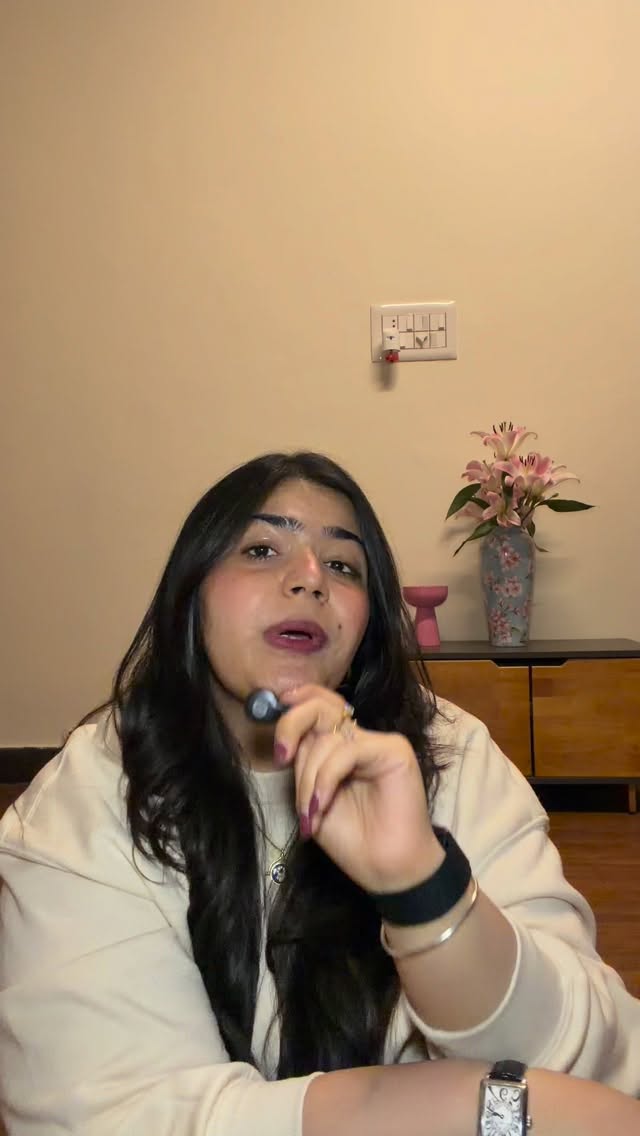
Close-up of a woman speaking directly to the camera holding a small lapel microphone, accompanied by massive, stylized red and yellow text popping up on screen to break visual monotony.

[06]

Hook template

Steal this for your own video

A [age]-year-old [job title] from [background] sent a message after [workplace pressure] became unbearable.

  • — A 29-year-old ICU nurse from a rural town sent a message after back-to-back shifts became unbearable.
  • — A 22-year-old retail associate from a low-income family sent a message after impossible sales quotas became unbearable.
  • — A 41-year-old public-school teacher from a small city sent a message after unpaid overtime became unbearable.

[07]

Hook and payoff

The promise the opener makes, and how the video pays it back

Hook

Deliver a highly specific, emotionally charged personal anecdote that immediately establishes the stakes and tone.

Payoff

Deliver a direct, moral challenge to the systemic enablers and provide a tangible lifeline or resource for viewers who might be experiencing the same struggle.

[08]

Narrative framework

The structural pattern this video runs on

Framework

The Micro-to-Macro Exposé

Hooking the audience with a devastating, highly specific personal anecdote, then systematically zooming out to prove this isolated incident is actually a symptom of a massive, systemic industry failure, ending with a moral imperative.

  1. 1

    The Empathy Build & Contrast

    Detail the subject's background to build empathy, contrasting their initial high hopes or success with the harsh reality that led to the inciting incident.

  2. 2

    The Pattern Validation

    Introduce a second, similar case study to prove the initial anecdote was not an isolated incident, but indicative of a larger trend.

  3. 3

    The Systemic Zoom-Out

    Shift from individual stories to macro-level data, citing industry trends, economic pressures, and structural flaws that create the environment for these incidents.

  4. 4

    The Humanization of Data

    Connect the macro-level statistics back to the human cost, reminding the audience that behind every corporate trend or statistic is a real person.

Themes

  • Toxic work culture
  • Mental health crisis in tech
  • Corporate exploitation
  • Systemic industry issues

Techniques

  • Dynamic word-by-word captions
  • Image overlay
  • Direct to camera address
  • Jump cuts

Trends

  • Corporate accountability call-outs
  • Mental health awareness
  • Tech industry critique

Post caption

The startup world can really make you feel like struggling is a personal failure. like if you were just smarter, more skilled, better at ‘stakeholder management’, more resilient, you’d be fine. you wouldn’t be exhausted. you wouldn’t be scared. you wouldn’t be wondering if any of this is worth it. but the data is grim, and it’s been grim for a long time. startup operators experience depression, anxiety, and burnout at rates significantly higher than the general population. and most of them suffer in silence we work at warp speed and anything that looks like it might slow us down is simply not acceptable. if you’re in a dark place right now, or know someone who is, please reach out: iCall (India): 9152987821, free, confidential counselling Vandrevala Foundation: 1860-2662-345, 24/7, free iMind: 040-2340-0400, mental health helpline NIMHANS: 080-46110007 International: findahelpline.com to locate resources by country you are not weak for struggling. you are human. and there are people who want to help.

Text overlays

  • informational · beginning

    FEATURES Death of an Indian tech worker A wave of suicides and widespread layoffs reveal a workforce under extreme pressure. By PARTH MN 27 JANUARY 2025 JALGAON, INDIA

Transcript

24 year old ML engineer from a small village sent his roommate a WhatsApp message that he tried to take his own life. His name was Nicholson Manchi. He worked at Crutrim, and his story is not an outlier. Rest of the world published one of the most devastating investigations into the Indian tech industry last month, and the startup ecosystem has been eerily quiet about it. Nikhil Somanshi was a star student. IISc graduate landed a job at Kruthrim, Bhavesh Agarwal's billion dollar AI startup. His village put up banners to celebrate. His salary was 10 times what his family was earning from farming. He sent money back from his first paycheck, and his parents built a small temple in gratitude. Within months, his colleagues were being fired or moved. His workload exploded, and his manager was reportedly verbally abusive and worked remotely from The US, while the entire team was in Bangalore. An anonymous colleague described the environment as traumatic, especially for freshers. A former employee who worked with the same manager said they resigned without another job because they were having suicidal thoughts. At a different Bhavesh Agarwal company, Ola Electric, a 38 year old engineer wrote a 28 page note blaming his seniors for harassment and withholding his salary. He consumed poison, and he died. This is systemic picture. Entry level IT salaries in India have risen less than 10% in fifteen years. Cost of education, food, and housing, exponentially higher. TCS cut 20,000 jobs. Tier up cut 6,000 in 2025. The number of engineering graduates keeps rising and the number of jobs keep falling. AI is accelerating that. Take ninety hour work weeks, extended hours across time zones, isolation, and underneath it all, a massive unspoken anxiety that your entire career path might not exist in three years. Every time a start up announces an AI transformation, there are real people on the other side of the press release. People who relocated to cities where they don't speak the language. People whose families best temples when they got the job. People who are 24 years old and feel trapped between disappointing their village and surviving their workplace. The startup ecosystem celebrates founders. I think we should also try to protect the people who build what the founders imagine. If your culture is burning through people at this rate, your AI good map is the least of your problems. If you or someone you know is struggling, please reach out. I've put a lot of resources in the caption.

Talking head toxic workplace breakdown | Viral Hooks