@marshallhaas
Instagram · Vlog
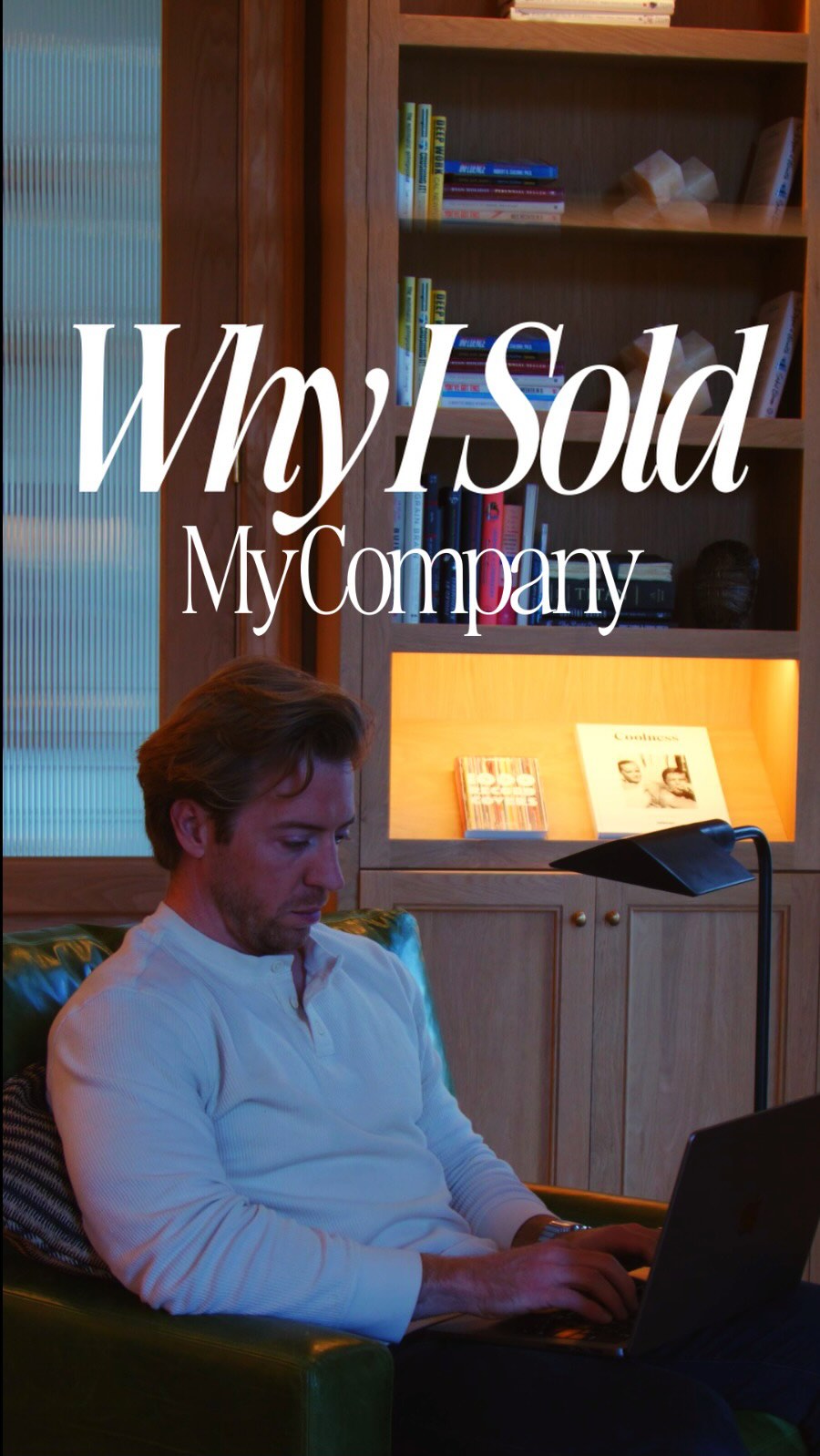
@marshallhaas The decision to sell my business was extremely difficult. Here’s how I thought about it. Comment “Journey” and I’ll send you more lessons like this. #Entrepreneurship #exitstrategy #Ferrari #gtc4lusso

@marshallhaas
Instagram · Vlog
@marshallhaas The decision to sell my business was extremely difficult. Here’s how I thought about it. Comment “Journey” and I’ll send you more lessons like this. #Entrepreneurship #exitstrategy #Ferrari #gtc4lusso
Performance
Video #22205 · Vlog
[01]
The creator opens with a massive income claim before transitioning into a cinematic driving vlog in a Ferrari. He narrates the story of receiving acquisition offers for his highly profitable business and introduces a mental framework—the 'regret of greed' versus the 'regret of loss'—to explain his decision-making process. He concludes by revealing the $52 million sale of his company, validating his choice, and prompting viewers to comment for more entrepreneurial lessons.
[02]
[03]
 154.3K1.3×Entrepreneur explains selling his businesses@marshallhaas · Origin Story
 500.7K2.2×Voiceover montage of yearly achievements@marshallhaas · Lifestyle Showcase
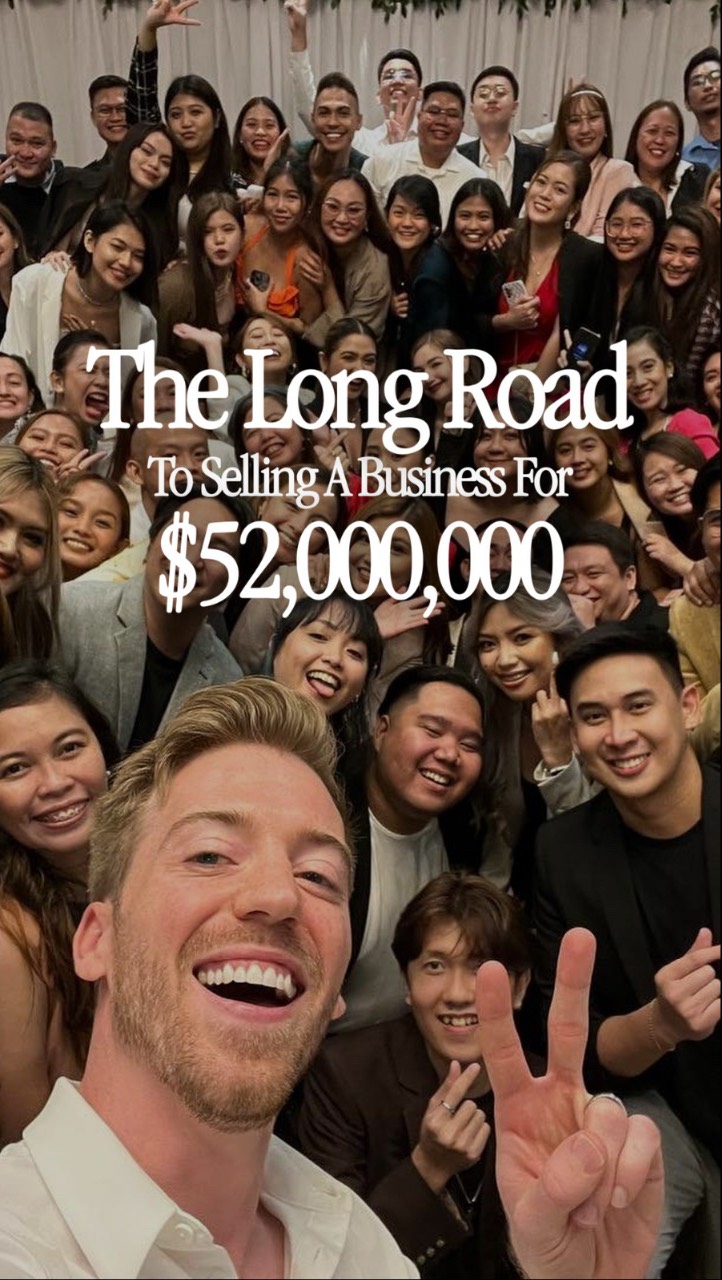 2.9M26.8×Entrepreneur's 20-year business journey@marshallhaas · Origin Story
 1.3M1847.2×Wealth flex to motivational speech@samstoffel · Motivational Mantra
 3.2M39.3×Quitting job, then life montage@joeysorts · Origin Story
 472.6KCinematic vlog about career pivot@clarkjacobson · Origin Story
 1.2MTells origin story through vlog@yohnmav · Origin Story
 378.4KCreator tells vulnerable business origin story@miketornabene · Vulnerable Monologue
 921.6K4×Documenting journey for engagement ring@creators · Origin Story
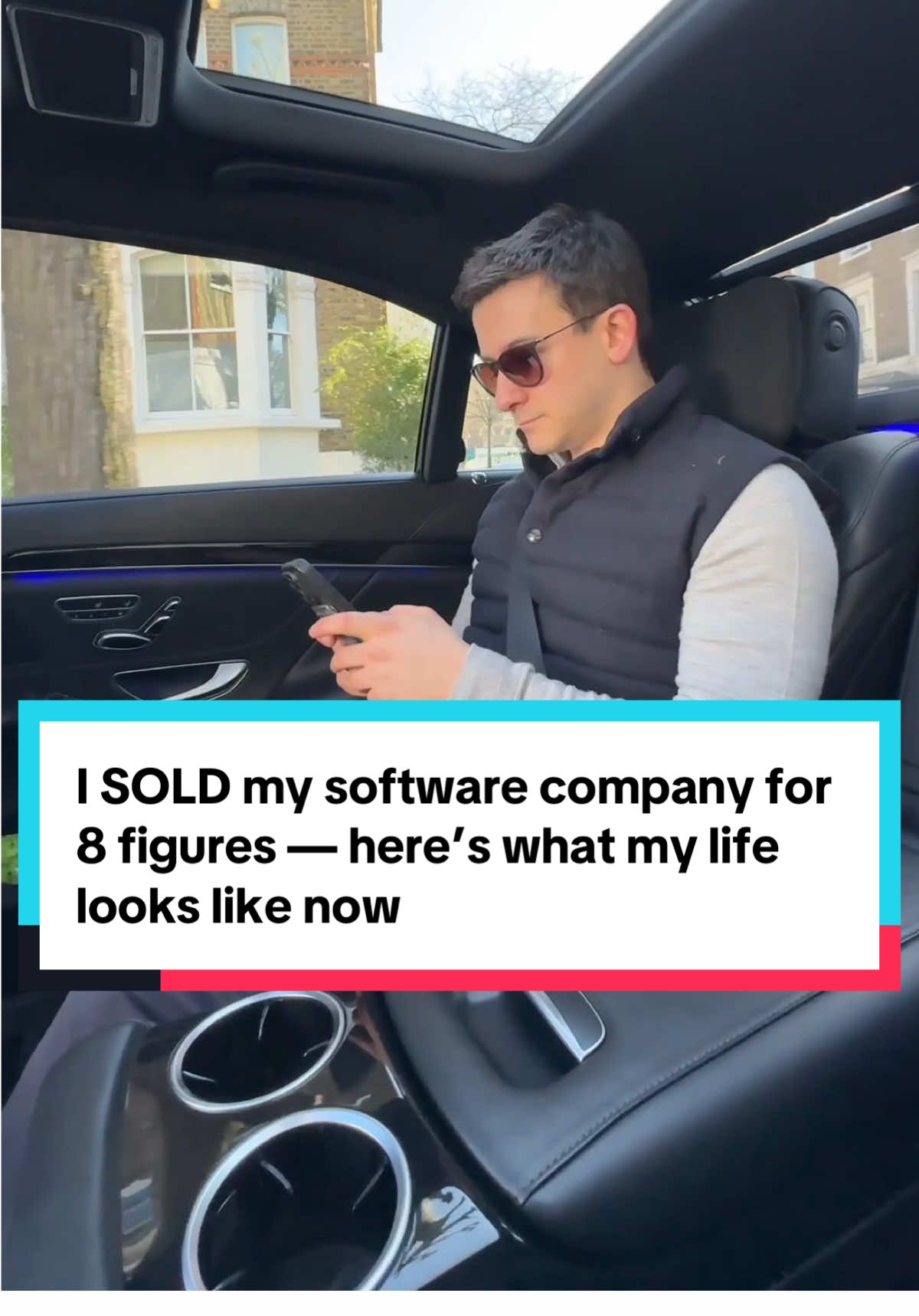 726.4K1.1×Showcase millionaire entrepreneur daily routine@samstoffel · Day In The Life
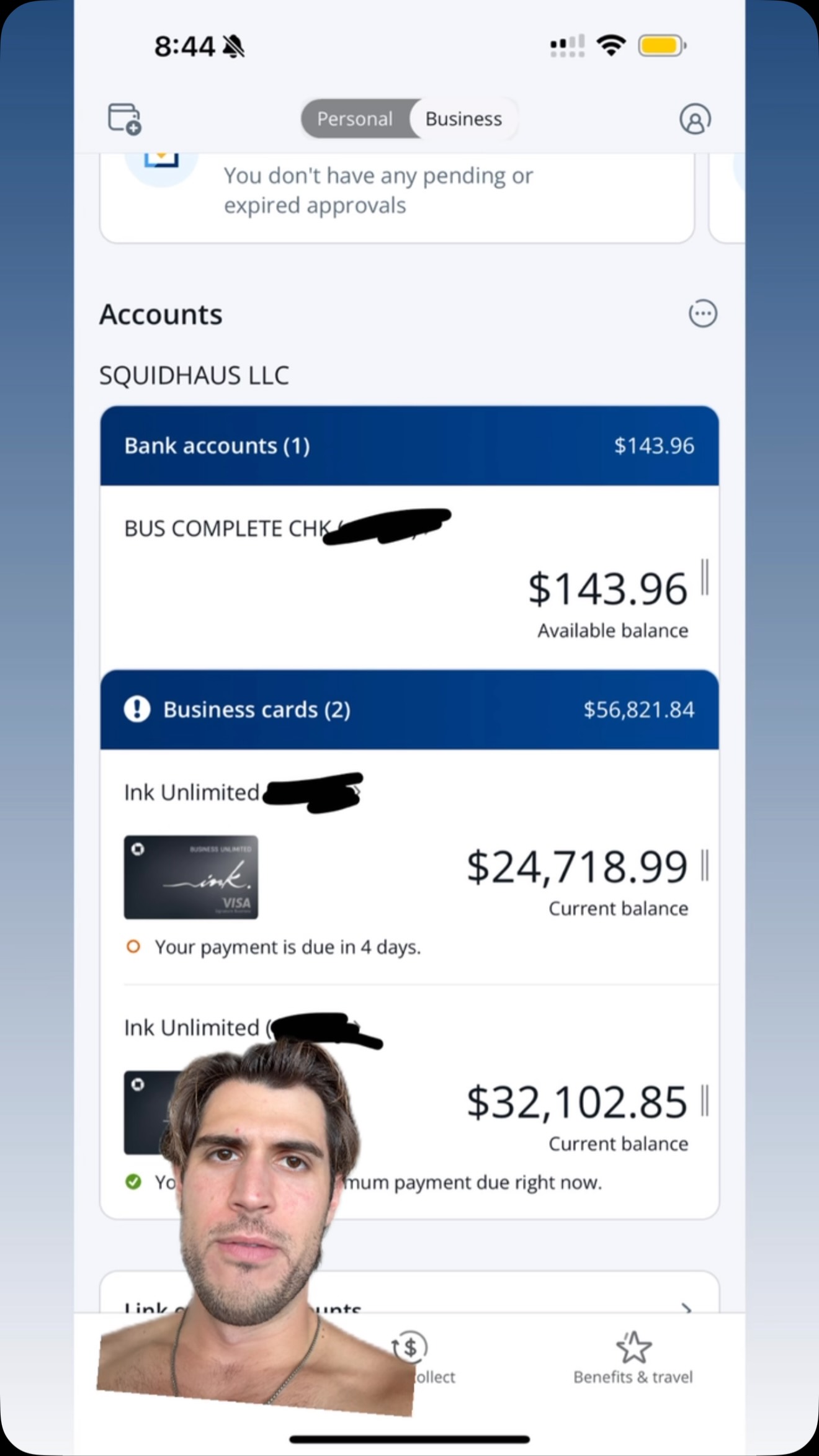 382.5K4.6×Business failure to success story@lukaspakter · Origin Story
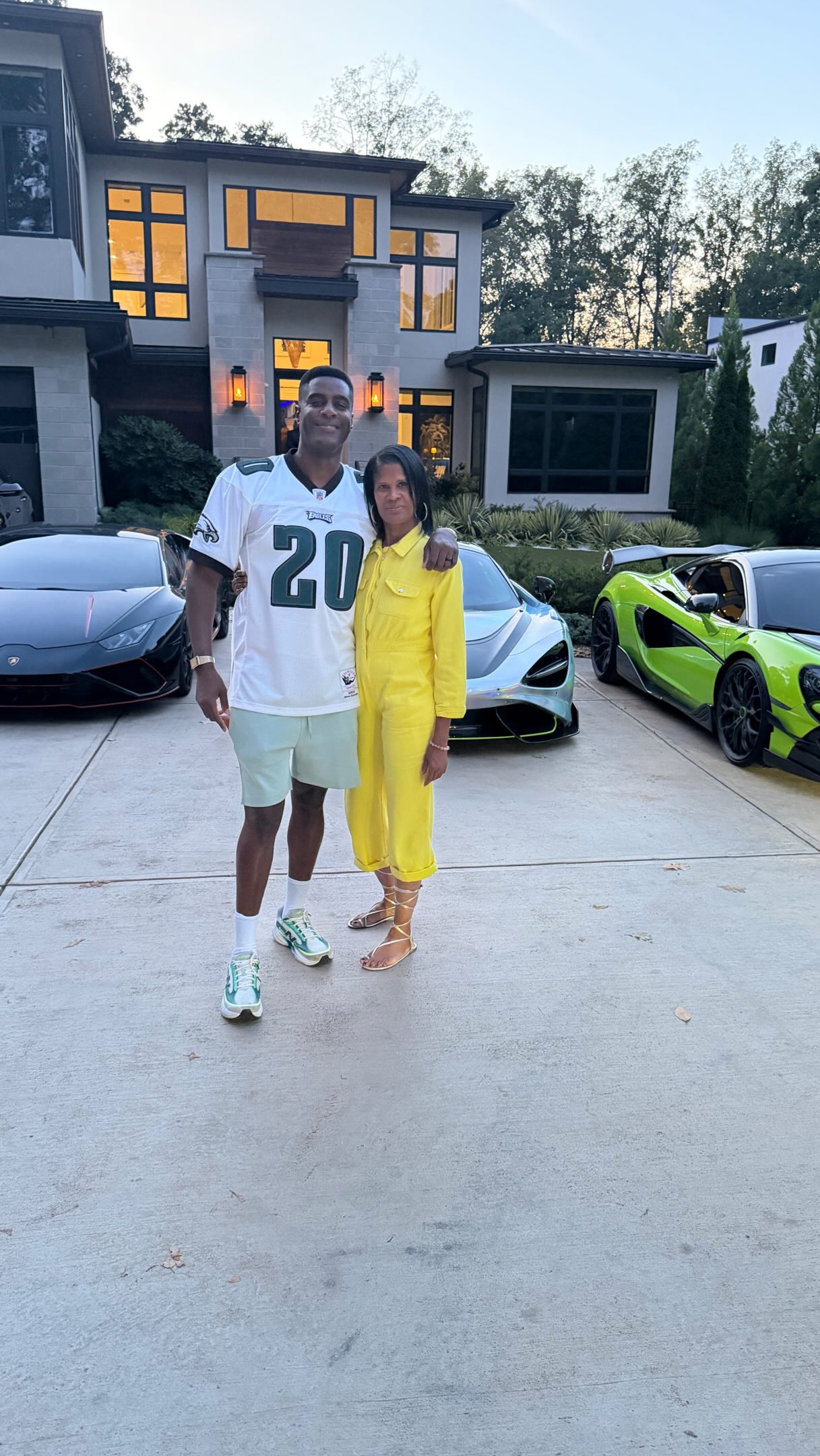 114.6KOrigin story with wealth showcase@neodaviso · Origin Story
[04]
[05]
What stops the scroll in the first 3 seconds
Title hook · 55%
I was making over $500,000 per month personally,
Verbal hook · 40%
Was making over $500,000 per month personally, and then I walked away.
Visual hook · 5%
The creator abruptly stands up from a desk and walks into a garage showcasing brightly colored luxury sports cars, immediately establishing high status, wealth, and visual intrigue.
[06]
Steal this for your own video
I was making per , and then I walked away.
[07]
The promise the opener makes, and how the video pays it back
Hook
A jarring juxtaposition of massive success followed immediately by a counter-intuitive action (walking away), creating an intense curiosity gap.
Payoff
Revealing the tangible real-world result of the decision and confirming the emotional satisfaction of the choice, immediately followed by a lead-generation call to action.
[08]
The structural pattern this video runs on
Framework
The High-Stakes Decision Matrix
Hooking the viewer with a massive, counter-intuitive flex, then breaking down a complex, high-stakes decision using a simple, relatable binary psychological framework to justify the ultimate outcome.
The Intimate Transition
Changing the physical setting to create a conversational, exclusive 'insider' atmosphere while promising an explanation.
The Contextual Escalation
Establishing the scale of the success and the weight of the impending dilemma to raise the narrative stakes.
The Binary Framework Introduction
Distilling a complex, high-stakes choice into two distinct, easily understandable psychological paths or potential outcomes.
The Comparative Analysis
Weighing the emotional and practical consequences of both options against each other to build tension and guide the viewer's logic.
The Decisive Verdict
Declaring which option carries the heavier consequence, effectively solving the philosophical dilemma presented.
The decision to sell my business was extremely difficult. Here’s how I thought about it. Comment “Journey” and I’ll send you more lessons like this. #Entrepreneurship #exitstrategy #Ferrari #gtc4lusso
title · beginning
I was making over $500,000 per month personally,
narrative · beginning
and then I walked away. Let's go for a drive. I'll explain.
informational · beginning
Some months it was 600,000 or more. Profits were growing, compounding fast.
narrative · middle
then the acquisition offers started rolling in, and I found myself facing one of the hardest decisions of my life.
informational · middle
$500,000 a month is life-changing cash flow. That kind of money invested well turns into generational wealth.
narrative · middle
So why would I even consider selling? Because I realized there were two types of regret I could face.
informational · middle
1. The Regret of Greed. I sold too early. This could have been a billion-dollar company.
informational · middle
Or 2. Regret of Loss. I held on too long, and the business went to zero.
narrative · middle
Which one would hurt more? Regret of Greed? That's just, 'I could have done better.'
narrative · middle
Regret of Loss? That's, 'I had an opportunity to secure my family's future, and I threw it away.'
narrative · end
One stings, the other destroys you. So I made my choice. I signed the deal.
informational · end
I sold a majority stake in Somewhere.com at a $52,000,000 valuation.
narrative · end
Life-changing money for my family. No regrets. I still own a minority stake and the business is thriving.
narrative · end
Maybe one day I'll feel the Regret of Greed, but I'll never feel the Regret of Loss. And that's why I made the right call.
call-to-action · end
Comment 'journey' to get more lessons like this.
Was making over $500,000 per month personally, and then I walked away. Let's go for a drive. I'll explain. Some months, it was 600,000 or more. Profits were growing, compounding best, then the acquisition offers started rolling in, and I found myself facing one of the hardest decisions of my life. $500,000 a month is life changing cash flow. That kind of money invested well turns into generational wealth. So why would I even consider selling? Because I realized there were two types of regret I could face. One, the regret of greed. I sold too early. This could have been a billion dollar company. Or two, regret of loss. I held on too long and business went to zero. Which one would hurt more? Regretive greed? That's just I could have done better. Regretive loss? That's I had an opportunity to secure my family's future and I threw it away. One stings, the other destroys you. So I made my choice. I signed the deal. I sold a majority stake in somewhere.com at a $52,000,000 valuation. Life changing money for my family. No regrets. I still own a minority stake and the business is thriving. Maybe one day I'll feel the regret of greed, but I'll never feel the regret of loss. And that's why I made the right call. Comment journey to get more lessons like this.