@calebulffers
TikTok · Greenscreen Talking Head
@calebulffers Hot to buy: kitchen knives

@calebulffers
TikTok · Greenscreen Talking Head
@calebulffers Hot to buy: kitchen knives
Performance
Video #23543 · Greenscreen Talking Head
[01]
The creator delivers a fast-paced, comprehensive guide on purchasing kitchen knives using a greenscreen format to display visual aids. He breaks down the essential three knives every kitchen needs, compares the properties of German versus Japanese steel, outlines specific budget tiers from $50 to $200+, advises on the best cutting board materials to protect the blade, and concludes by explaining the critical difference between honing and sharpening.
[02]
[03]
 841.7K43.8×List of luxury kitchen ranges@calebulf · Buying List
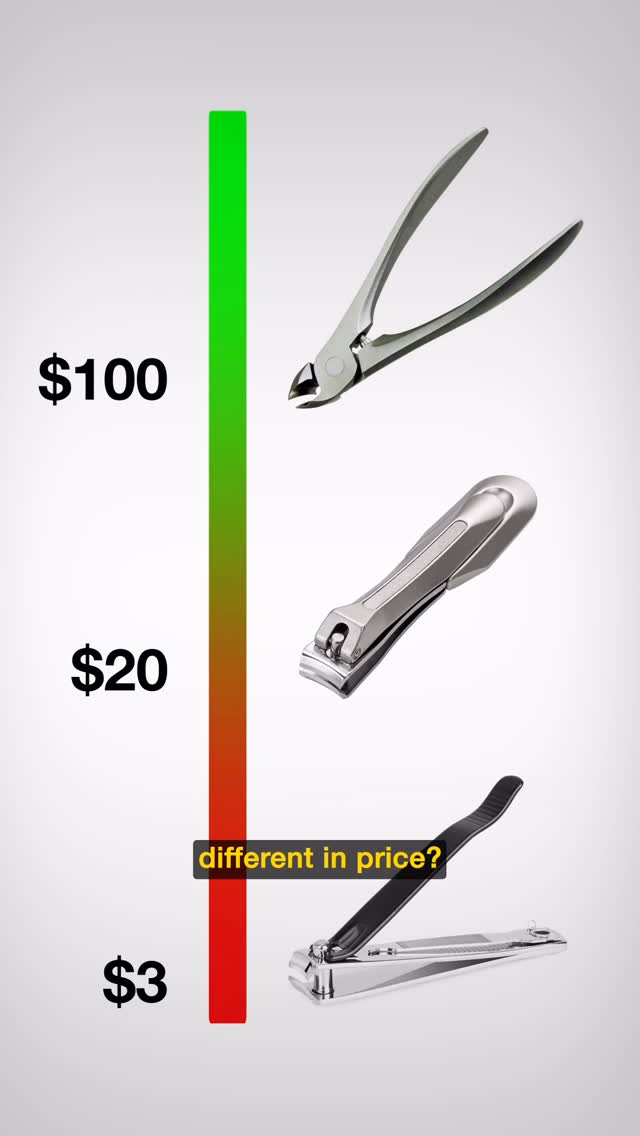 1.6M112.4×Cheap vs expensive product breakdown@fineasjackson · Breakdown
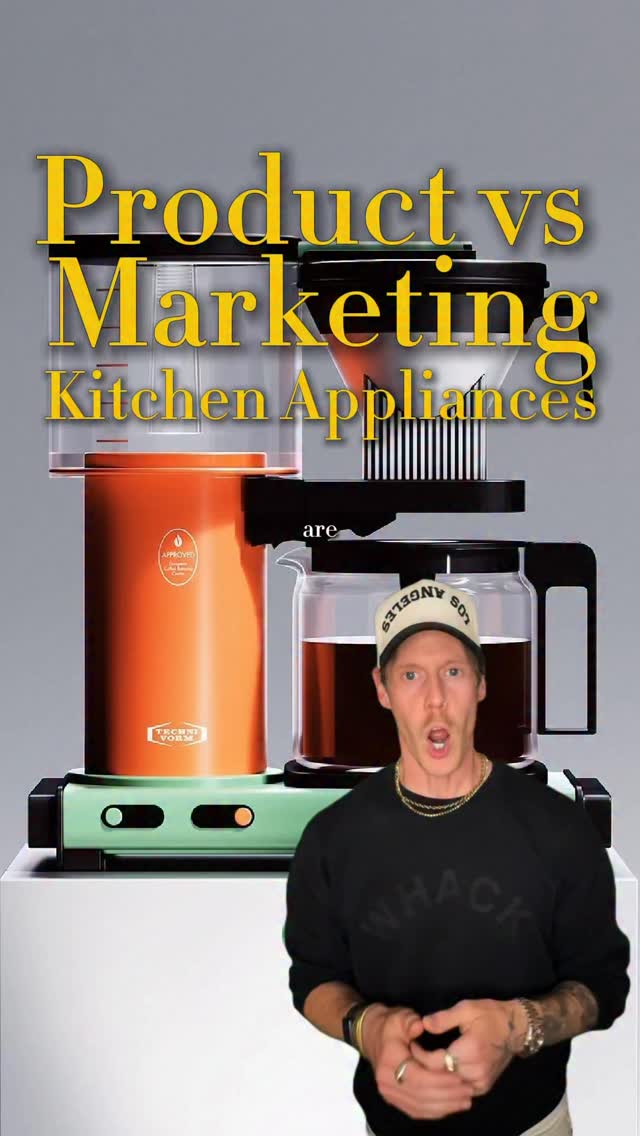 345.6K2.8×Creator rates appliances product vs marketing@calebulf · Rapid Fire Listicle
 376.9K25.1×Expert debunks tactical gear industry@ericcrackschina · Breakdown
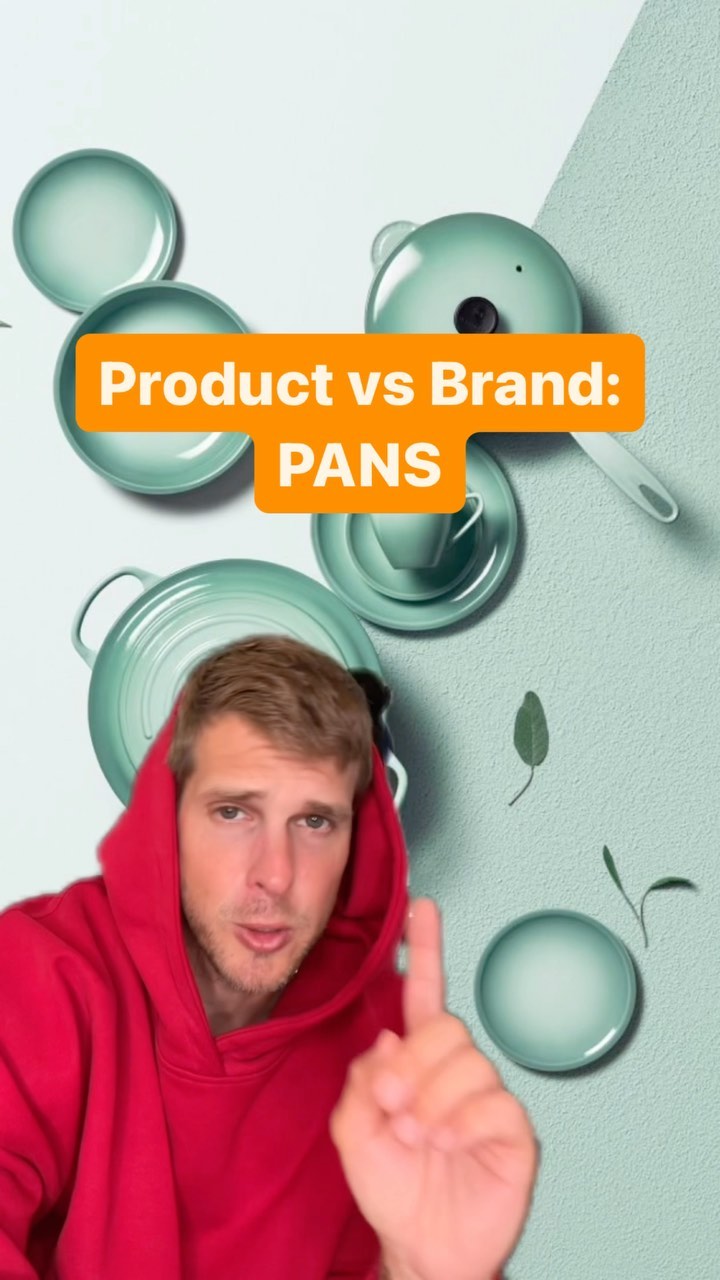 9.2M30.6×Rapid fire opinions on cookware brands@orenmeetsworld · Rapid Fire Listicle
 853.6K5.9×Rapid fire pan brand reviews@calebulf · Expert Rate/Rank
 2.4M8.1×Espresso machines rated as product vs brand buys@orenmeetsworld · Rapid Fire Listicle
 673.1K8.7×Creator rates grills as product or brand@orenmeetsworld · Rapid Fire Listicle
 818.2K227.8×Rapid fire product vs brand reviews@orenmeetsworld · Rapid Fire Listicle
 5M9×Showcasing bulk meat purchase value@joeysorts · Showcase
 784.2KCurated list of affordable luxuries@calebulffers · Buying List
 1.8M54.5×Price comparison farmers market grocery@jared1s · This or That
[04]
[05]
What stops the scroll in the first 3 seconds
Title hook · 35%
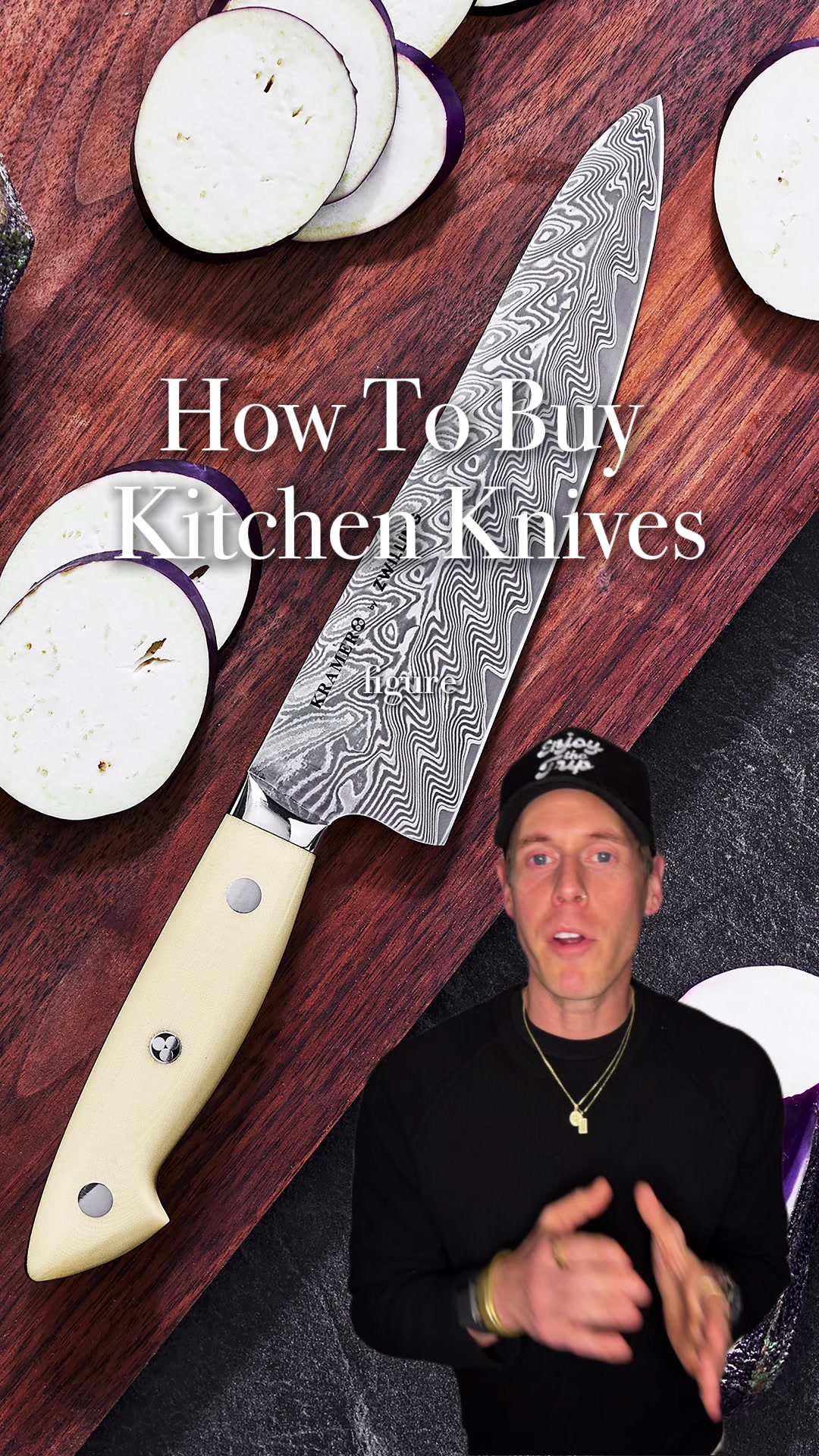
How To Buy Kitchen Knives
Verbal hook · 25%
Is how you buy kitchen knives. If you want to figure out what to buy, this is what you need to know.
Visual hook · 40%
Creator positioned in the bottom right corner over a high-quality, full-screen background image of a Damascus steel chef's knife with a prominent, elegant serif title text overlay.
[06]
Steal this for your own video
Creator anchors over a full-bleed, high-resolution image of with a bold title overlay dominating the frame.
[07]
The promise the opener makes, and how the video pays it back
Hook
Direct, authoritative statement promising to solve a specific, overwhelming purchasing problem with definitive knowledge.
Payoff
A concluding directive that transitions the newly educated viewer to a specific action, often pointing to a related video for exact product recommendations.
[08]
The structural pattern this video runs on
Framework
The Definitive Buyer's Blueprint
Demystifying a complex purchasing decision by systematically breaking it down into absolute essentials, binary choices, budget tiers, and maintenance rules, positioning the creator as the ultimate authority.
The Essential Minimum
Immediately reduces viewer overwhelm by stripping away marketing fluff and defining the absolute minimum viable setup needed.
The Binary Framework
Simplifies a complex market by categorizing the main options into two distinct philosophies or styles, explaining the pros, cons, and ideal user for each.
The Tiered Investment Guide
Sets realistic expectations by breaking down what quality and features the buyer gets at specific, escalating price points.
The Ecosystem Rules
Expands the scope to include necessary accessories or environmental factors that affect the main product's performance, often debunking common bad habits.
The Maintenance Protocol
Educates the viewer on how to care for the investment, distinguishing between daily upkeep and long-term servicing.
Hot to buy: kitchen knives
title · beginning
How To Buy Kitchen Knives
informational · end
BEFORE Honing/Steeling
informational · end
AFTER Honing/Steeling
Is how you buy kitchen knives. If you want to figure out what to buy, this is what you need to know. How many knives do you actually need? Three. A chef's knife for basically everything, a paring knife for detail worse, and a bread knife. And yes, I'm saying you don't need a knife block with 17 knives in it. Japanese or German? German knives are heavier, and they're built for rocking back and forth when you chop because the steel is actually softer and more forgiving. Japanese knives are often lighter, thinner, and sharper out of the box, designed for more of a push cut or a clean slice. The trade off is that they're more fragile and the edge can chip because the steel is harder. I know it's counterintuitive. Talk to your material science professor about it. If you want something you don't have to think about, go German. If you want some more precision and you're willing to be more careful, go Japanese. What's your budget? Around $50 will get you a Victorinox used by professional kitchens and culinary schools. It's not sexy, but it works. A $100 to a $170 is the sweet spot for legitimately great steel and build quality. Above $200 is premium territory. Great knives, but more of a pain to maintain. Cutting boards. If you're cutting on glass, ceramic, or stainless steel, you're destroying your edge. You want wood or rubber. Plastic worse, but actually harbors more bacteria the more that you use it, and it's tacky as hell. Also, stop scraping food off the board with the sharp edge of your knife. Use the back of the knife or get a bench scraper. Honing and sharpening. That steel rod that came with your knife block that you didn't need is a honer. It straightens the edge back out. It doesn't remove metal. You should do this every few times that you use your knife. Actual sharpening grinds an entirely new edge and you should do this a few times a year. Just take it to a professional in your city. Okay. That'll get you started on your search. If you want specific product rank, look for my recent video on product versus marketing knives edition.