@fineasjackson
Instagram · Talking Head Edit
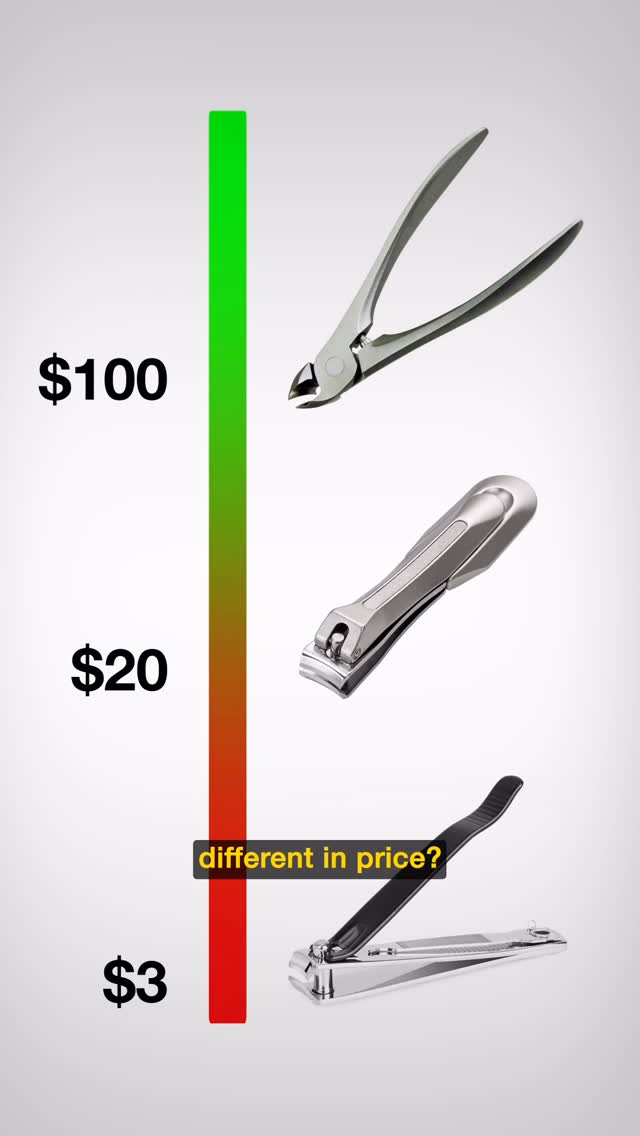
@fineasjackson $100 for Japanese nail clippers…why? How is that even possible?

@fineasjackson
Instagram · Talking Head Edit
@fineasjackson $100 for Japanese nail clippers…why? How is that even possible?
Performance
Video #25352 · Talking Head Edit
[01]
The creator compares three nail clippers at vastly different price points ($3, $20, $100+) to investigate why the cost varies so much. He explains the mechanical difference between cheap clippers that 'crush' nails and high-quality Japanese clippers that 'shear' them, using B-roll and animated diagrams. The video details the superior materials, precision manufacturing, and hand-finished craftsmanship of brands like Green Bell and the luxury Suwada clippers to justify their higher price and superior performance.
[02]
[03]
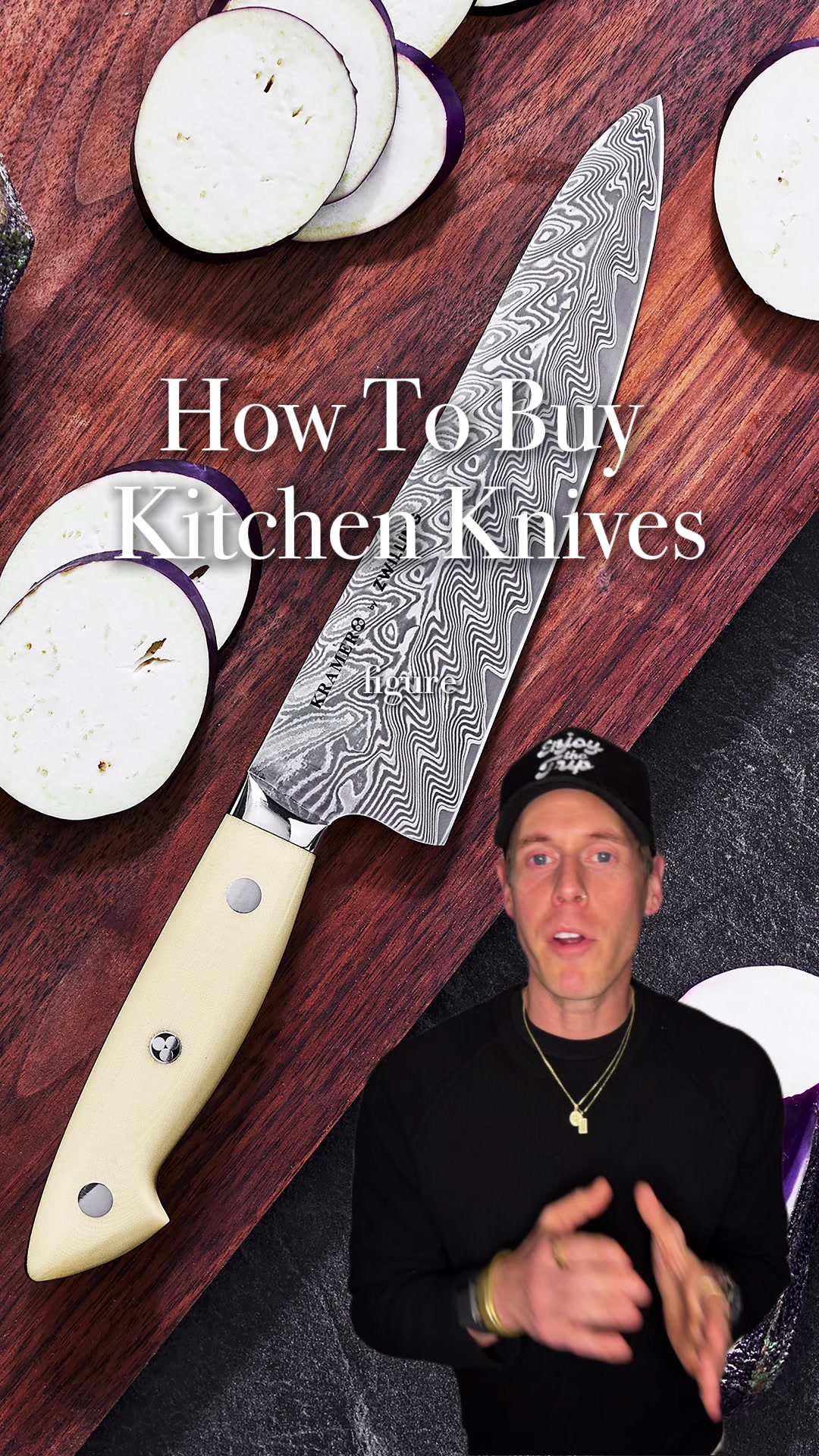 480.7K66.8×Greenscreen kitchen knife buying guide@calebulffers · Explainer
 566.6K15×Cosmetic developer explains where drugstore dupes beat high-end makeup@themarlenastell · Anti-Recommendation List
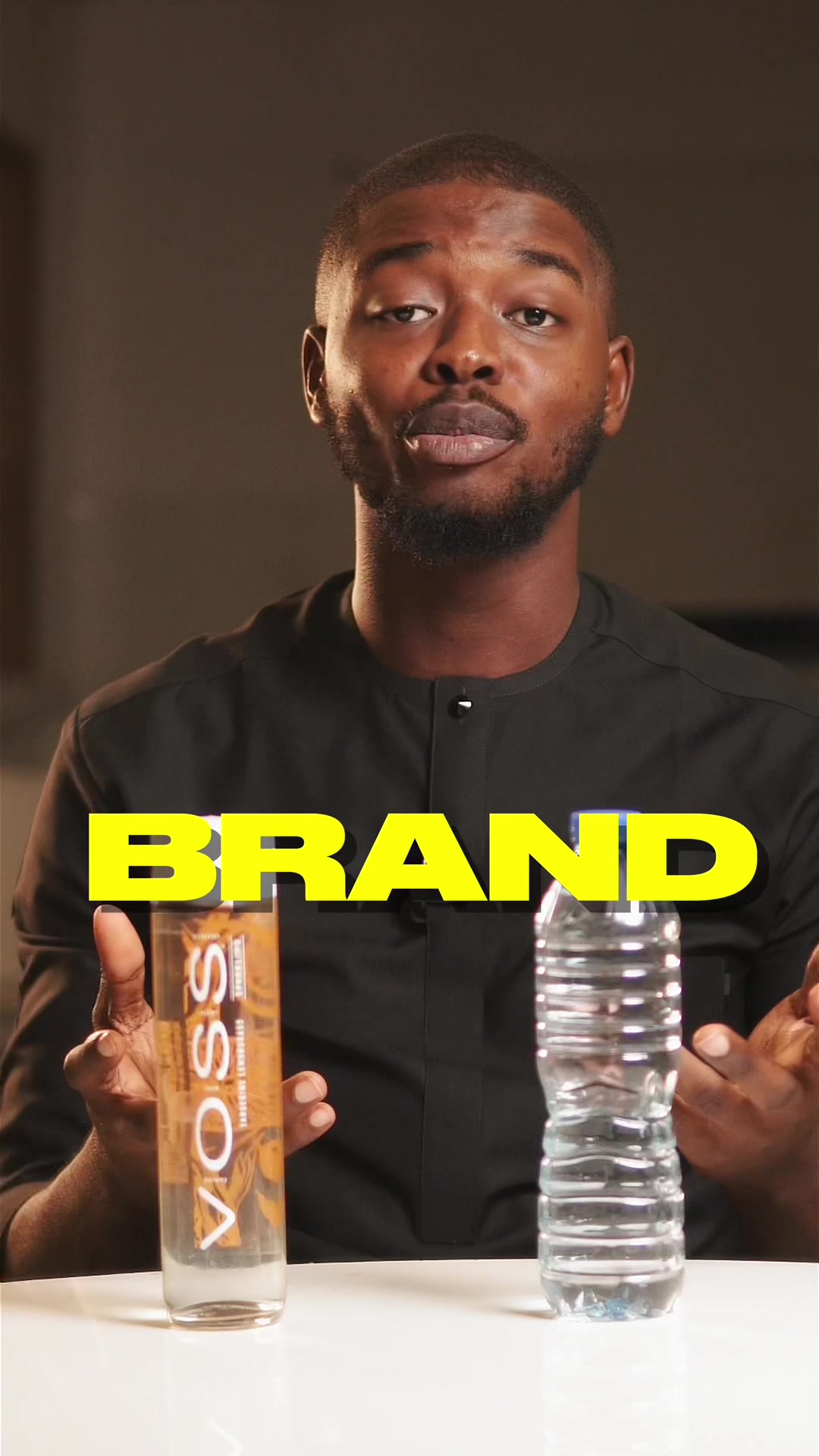 974.1K3.5×Creator explains brand positioning using a water bottle price comparison@mofe_ade · Breakdown
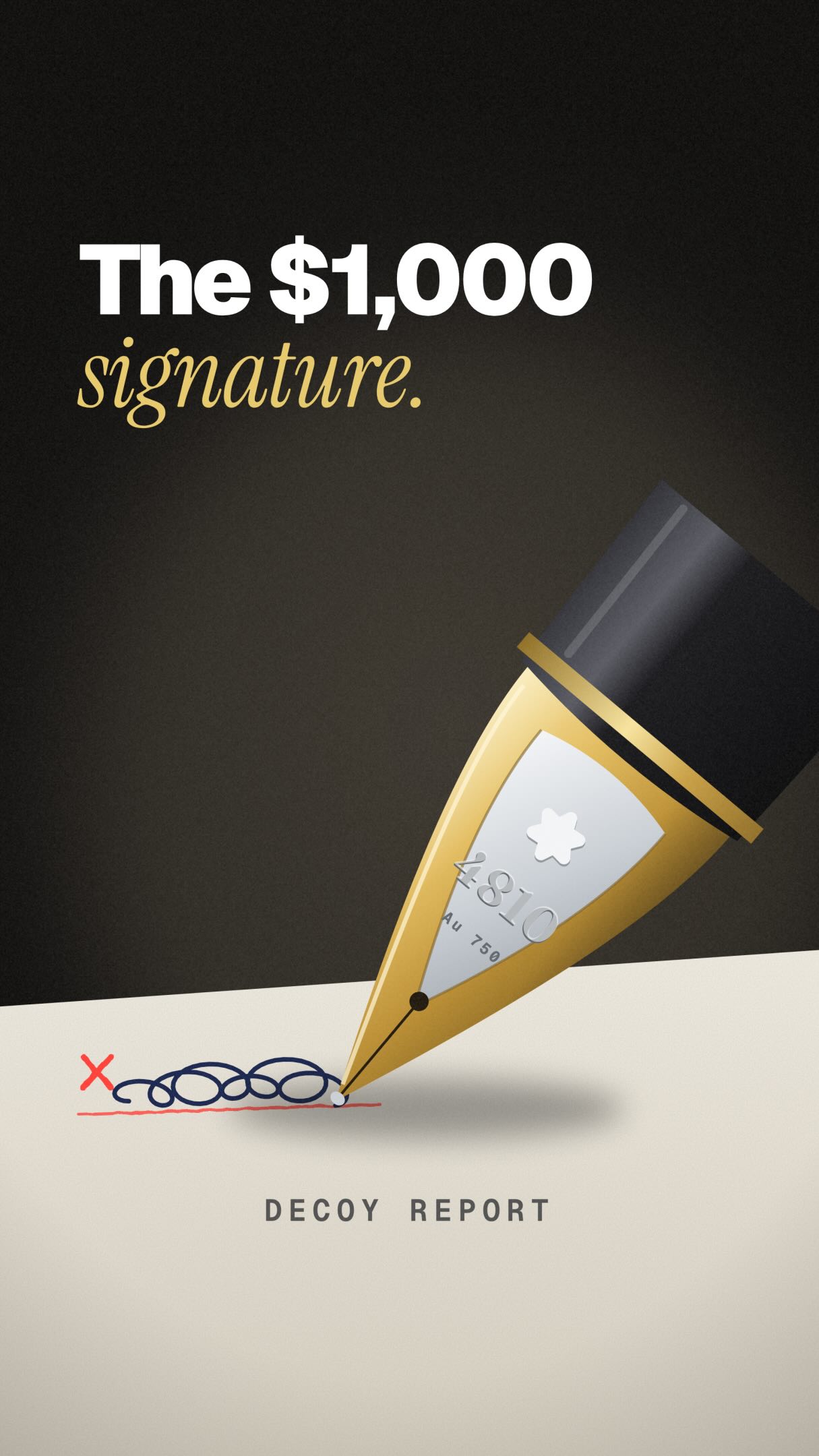 412.4K31.9×Cheap vs luxury branding lesson@decoyreport · Case Study Breakdown
 754.3K32.9×Cheap vs. expensive product breakdown@fineasjackson · Breakdown
 279.7KProduct vs Brand towel reviews@orenmeetsworld · Rapid Fire Listicle
 468.2K2.6×Rating hand soaps product vs marketing@calebulf · Rapid Fire Listicle
 2.4M79.6×Exposing synthetic luxury goods breakdown@orenmeetsworld · Breakdown
 296.7K23.5×Luxury brand suit quality critique@fineasjackson · Hot Take
 784.2KCurated list of affordable luxuries@calebulffers · Buying List
 135.6K336.6×Explains market gap with tiers@elladoesellathings · Opportunity Explainer
 853.6K5.9×Rapid fire pan brand reviews@calebulf · Expert Rate/Rank
[04]
[05]
What stops the scroll in the first 3 seconds
Title hook · 35%
Why everyone loves these Japanese nail clippers
Verbal hook · 55%
This nail clipper costs $3.
Visual hook · 10%
A rapid sequence of cuts showing three different types of nail clippers, each presented with a distinct price point, creating immediate visual comparison and curiosity about the value difference.
[06]
Steal this for your own video
This costs . This one costs . And this one costs .
[07]
The promise the opener makes, and how the video pays it back
Hook
Establishes a dramatic price disparity for a mundane object to create an immediate, powerful question that the video promises to answer.
Payoff
Acknowledges the potential absurdity of the premium price, then reframes it as a celebration of the pursuit of perfection, delivering a satisfying philosophical conclusion.
[08]
The structural pattern this video runs on
Framework
The Value Ladder Deconstruction
Systematically justifying an extreme price disparity in a common product category by deconstructing the engineering and craftsmanship from worst to best, transforming a simple comparison into an educational journey.
The Core Question
Explicitly states the central mystery the video will solve, solidifying viewer investment by framing the common-sense objection.
The Thesis Statement
Presents the video's core argument or perspective, positioning the exploration as a discovery of hidden quality.
The Foundational Misconception
Challenges a universal assumption about the product's function, introducing a new binary (e.g., 'crushing' vs. 'cutting') that reframes the entire value proposition.
The 'Bad' Experience Deconstruction
Details the physics and mechanics behind the failure of the low-end option, validating the audience's own negative experiences with relatable sensory details.
The Mechanical Teardown
Breaks the object down into its fundamental components and explains the ideal physics of its operation, establishing a baseline for what 'good' looks like.
The Failure Analysis
Pinpoints the specific engineering flaws in the cheap version that cause the previously described 'bad' experience, connecting effect to cause.
The Quality Criteria
Establishes a clear, simple checklist of 3-4 key metrics that define a high-quality version of the product, giving the audience a framework for judgment.
The 'Better' Solution Introduction
Introduces the mid-tier product as the direct solution to the problems identified, justifying its higher price point.
The 'Better' Solution Proof
Demonstrates how the mid-tier product meets the previously established 'Quality Criteria' through superior materials and manufacturing processes.
The 'Best' Solution Reveal
Introduces the highest-tier product with dramatic, almost mythical language, positioning it as the ultimate expression of the craft and escalating anticipation.
The 'Best' Solution Mythology
Builds the legend of the premium product by detailing its artisanal manufacturing process, extreme material science, and unique, named techniques.
The Artisanal Detail
Zooms in on the most intricate, human-centric step of the premium manufacturing process, adding a layer of heritage and painstaking effort to justify its luxury status.
$100 for Japanese nail clippers…why? How is that even possible?
title · beginning
Why everyone loves these Japanese nail clippers
contextual · beginning
This nail clipper
informational · beginning
costs $3.
informational · beginning
This one costs $20.
informational · beginning
And this one costs over $100.
informational · beginning
$100 $20 $3
branding · beginning
"Chasing Beauty" Episode 39
informational · middle
UPPER BLADE
informational · middle
LOWER BLADE
informational · middle
LEVER
informational · middle
SPRING
This nail clipper worst $3 This one costs tier And this one costs over $100 They all do the same job. Cutting dead keratin off of your fingers. So how can they be that different in price? This is episode 39 of Chasing Best and today, we're looking at why Japanese nail clippers feel so weirdly good. So the first thing is, nail clippers don't actually cut the same way. A cheap nail clipper doesn't slice. It crushes your nail until it breaks. When you press the lever, the jaws flex. The edges don't meet evenly and your nail actually bends before it snaps off. That's why the cut edge feels kind of jagged. It's why the clipping launches across the room and why the whole experience feels weirdly violent for something this small. So what's actually going on inside this thing? A nail clipper is a blade, a better, and a spring. When you press the handle, force travels through the pin, down the upper jaw, and into the two curved cutting edges. In theory, those edges meet and shear the nail cleanly. But on a cheap clipper, this doesn't happen. The edges are dull. So instead of slicing, they wedge into the nail. And the blade alignment is sloppy. So one side crushes before the other side cuts. That's what causes the snap. What you want is a shear. To get that, you need harder steel, sharper edges and tighter tolerances. This is where Japanese brands like Greenbell Kai and Seki Edge come in. A clipper like the Greenbell g 12 o five runs about 15 to $20. The stainless blade is high temperature hardened and sharpened twice. Some models like the 1,200 are hand adjusted at the final stage. The blades meet cleanly and the nail actually shears instead of snapping. But there's a clipper that lives above all else. Watching from the ivory tower. This is suwada. They're a small pair of precision better, each one handcrafted from forging to finishing. The steel they use is high carbon stainless. The same grade yes for custom Japanese kitchen knife. They best it to over a thousand degrees and it gets forged under 400 tons of pressure. But the part that actually sets Suwada apart is what happens to the blades. They call the technique aiba, the fitting of the two cutting edges. A craftsman polishes each blade by hand with sandpaper, adjusting the alignment down to the micron level. This is the hardest and most time consuming step in the entire process and it's been passed down from generation to generation. So good, is this ridiculous? Maybe. It's a $100 object for trimming finger material. But that's also what makes it so perfect.