Viral Hooks
Trending short videosExplaining government food data monopoly
Z

@zephzoid

Instagram · Talking Head Edit

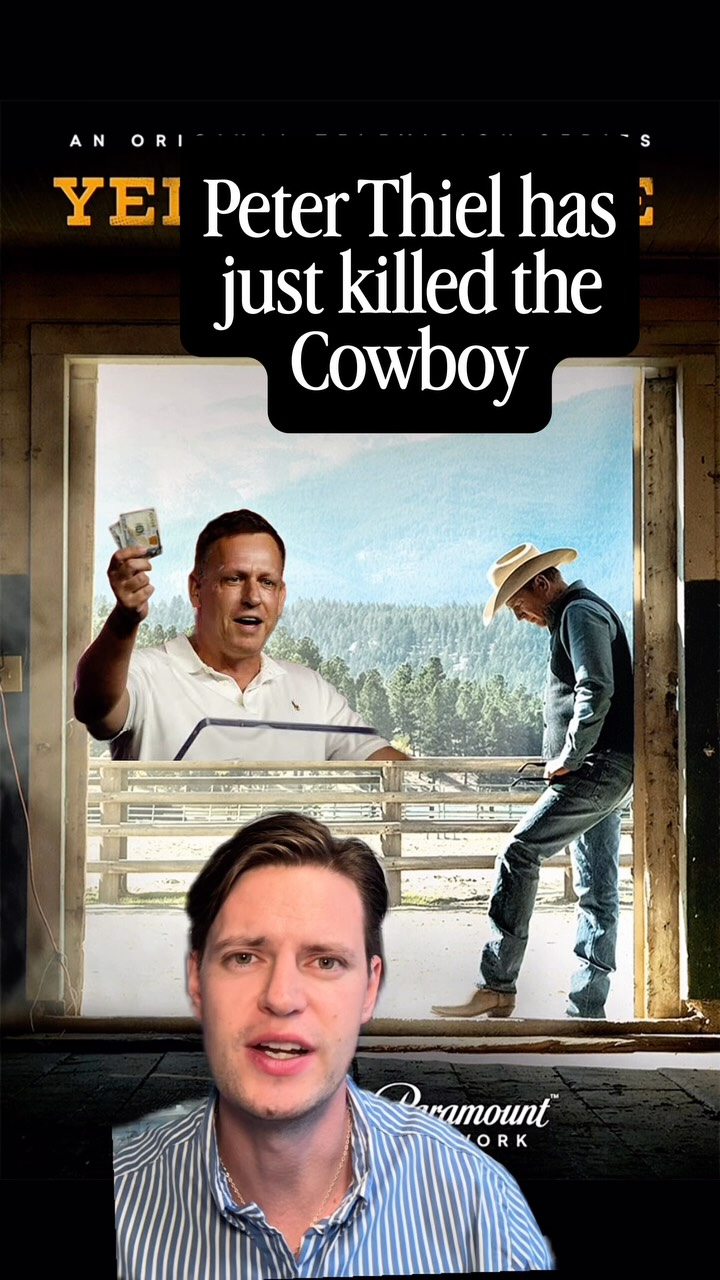
@zephzoid Control the food, control the people. The USDA just signed a $300M deal with Palantir to centralize all farmer data. That brings Palantir’s Government contracts to over $6Bn. The company was named after the all-seeing “palantíri” stones in The Lord of the Rings by Palantir’s founder Peter Thiel as a deliberate reference to the ability to “gaze across vast distances to track friends and foes.” The new system they are implementing is called “One Farmer, One File,” and it will combine USDA records into one digital profile for each farmer. It arrives one day after a watchdog sued five agencies over Palantir surveillance systems. Food system consolidation has historically operated through the physical: four firms controlling 85% of beef packing, just a few controlling 60% of seeds, a highly consolidated grocery market, etc.. But now this means unprecedented informational consolidation: farm payments, acreage reporting, program access, and support all run through one private platform. Palantir’s use case is very specific: turning fragmented data into actionable surveillance. They now effectively monopolize the data for the entire food system meaning everything from policy, subsidy, and compliance will flow through their data. This is why local, decentralized food systems are so important. When we buy from centralized supplies, we lose choice. And while we can’t control Governmental policy like this - we can support our local farmers and help fight for a more sovereign food system.

View original on Instagram

The edit1 shot · 3 text
Shots Text1:29

Performance

Views
156.1K
Likes
10.9K
Comments
527
Engagement
7.3%
Outlier
6.2×
Length · 26 Apr 2026
1:29

Video #25339 · Talking Head Edit

Explaining government food data monopolyfrom @zephzoid

[01]

Overview

The creator breaks down a $300 million deal between the USDA and Palantir to centralize farmer data. He explains the origin of Palantir's name, its surveillance capabilities, and the implications of this informational consolidation on the food system, contrasting it with existing physical monopolies. The creator concludes by advocating for decentralized, local food systems and promotes an app to help consumers find local farmers.

[02]

Simple outline

  1. 1State high-stakes thesis
  2. 2Reveal threatening development
  3. 3Explain deeper implications
  4. 4Pivot to empowering solution

[03]

Related videos

[04]

Classification

Concepts
BreakdownHeadlines
Elements
B-Roll CutawayText OverlayPicture-in-PictureImage Overlay

[05]

Hook analysis

What stops the scroll in the first 3 seconds

Title hook · 45%

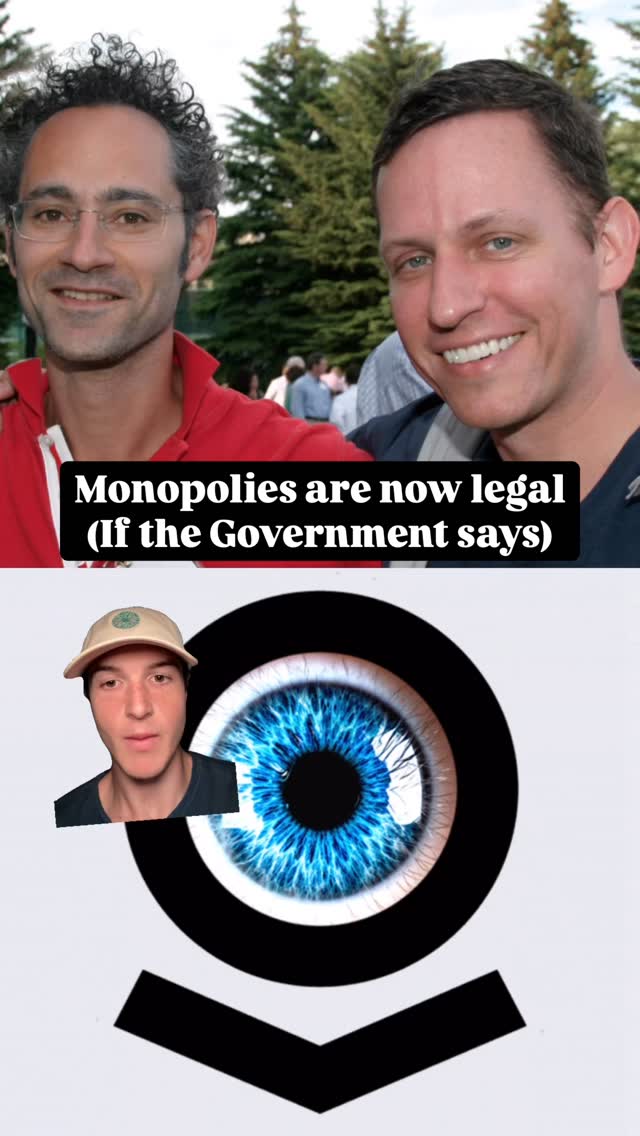
Monopolies are now legal (If the Government says)

Verbal hook · 50%

If you control the food, you control the people.

Visual hook · 5%

A split-screen composition featuring a photo of two men (Alex Karp and Peter Thiel) on top, and a large graphic of a blue eye with the creator's face in a small circle on the bottom.

[07]

Hook and payoff

The promise the opener makes, and how the video pays it back

Hook

A powerful, aphoristic statement that establishes the video's central, high-stakes theme, immediately framing the topic as critically important.

Payoff

The Empowering Resolution. Shift focus from the large, uncontrollable systemic problem to a small, manageable action the individual viewer can take. Conclude by offering a specific tool or method to perform this action, providing a satisfying sense of agency and a clear call to action.

[08]

Narrative framework

The structural pattern this video runs on

Framework

The Systemic Threat, Personal Solution Blueprint

To expose a large-scale, alarming trend by layering evidence and context, then pivot to a small, empowering action the viewer can take, thereby resolving their anxiety and providing a clear call to action.

  1. 1

    The Inciting Incident

    Announce a specific, recent event as evidence of a negative trend. Quantify its scale with large numbers to establish immediate significance and alarm.

  2. 2

    The Characterization of Power

    Provide ominous backstory on the key entity involved, using symbolic references or historical context to frame them as a powerful and potentially malevolent force.

  3. 3

    The Method of Operation

    Explain the concrete mechanism through which the threat is being implemented. This translates the abstract danger into a tangible, understandable process.

  4. 4

    The Corroborating Evidence

    Introduce a secondary piece of information (like a recent lawsuit or report) that reinforces the suspicious nature of the main event and builds a sense of conspiracy or wrongdoing.

  5. 5

    The Familiar Precedent

    Connect the new threat to a pre-existing, more familiar problem that the audience already understands, grounding the argument in a shared concern.

  6. 6

    The Unprecedented Escalation

    Reveal how this new development is a more insidious and dangerous evolution of the familiar problem, creating a paradigm shift in the viewer's understanding of the threat.

  7. 7

    The Climactic Consequence

    Clearly state the ultimate, most severe consequence if the trend continues unchecked, summarizing the total impact of the monopoly or control.

Themes

  • Government surveillance
  • Corporate monopolies
  • Data privacy
  • Food sovereignty
  • Support for local businesses

Techniques

  • B-Roll Cutaway
  • Picture-in-Picture
  • Text Overlay
  • Image Overlay

Post caption

Control the food, control the people. The USDA just signed a $300M deal with Palantir to centralize all farmer data. That brings Palantir’s Government contracts to over $6Bn. The company was named after the all-seeing “palantíri” stones in The Lord of the Rings by Palantir’s founder Peter Thiel as a deliberate reference to the ability to “gaze across vast distances to track friends and foes.” The new system they are implementing is called “One Farmer, One File,” and it will combine USDA records into one digital profile for each farmer. It arrives one day after a watchdog sued five agencies over Palantir surveillance systems. Food system consolidation has historically operated through the physical: four firms controlling 85% of beef packing, just a few controlling 60% of seeds, a highly consolidated grocery market, etc.. But now this means unprecedented informational consolidation: farm payments, acreage reporting, program access, and support all run through one private platform. Palantir’s use case is very specific: turning fragmented data into actionable surveillance. They now effectively monopolize the data for the entire food system meaning everything from policy, subsidy, and compliance will flow through their data. This is why local, decentralized food systems are so important. When we buy from centralized supplies, we lose choice. And while we can’t control Governmental policy like this - we can support our local farmers and help fight for a more sovereign food system.

Text overlays

  • title · throughout

    Monopolies are now legal (If the Government says)

  • call-to-action · end

    You can use the farmers market app to find them

  • informational · middle

    American Oversight Sues for Records on Trump Admin Use of Palantir Tools Amid Growing Privacy, Data Collection Concerns

Transcript

If you control the food, you control the people. The USDA and Palantir just signed a $300,000,000 deal to centralize all farmer data, bringing Palantir's government contracts to over $6,000,000,000. The company was named after the all seeing Palantir Stones from the Lord of the Rings by Palantir's founder, Peter Tier, as a deliberate reference to the ability to gaze across vast distances to track friends and foes, which is important context considering the new system they are implementing with the USDA is called One Farmer, One File, combining records into one digital profile for each farmer. And it arrives just one day after a watchdog group sued five different agencies over similar Palantir surveillance system. This is all extremely important considering the food system consolidation is obvious at this point on a physical level. We know just a few firms are controlling beef, seeds, grocery market, but this is an unprecedented form of consolidation for the food system. It is entirely farm payments, acreage reporting, program access, and support all run through one private platform. Palantir's use case here is very specific, turning fragmented data into actionable surveillance. And so many feel they are now effectively monopolizing the data for the entire food system, meaning everything from policy, subsidy, and compliance will flow through their data. This is why local decentralized food systems are so important because when we buy from centralized supplies, we lose choice. And while we can't control government policy, we can support our small local farmers. You can use the localized farmers market app to find them.

Explaining government food data monopoly | Viral Hooks