@kanekallaway
TikTok · Talking Head Edit
@kanekallaway This company builds data centers floating in the ocean #ai #tech #technology #robot #datacenter

@kanekallaway
TikTok · Talking Head Edit
@kanekallaway This company builds data centers floating in the ocean #ai #tech #technology #robot #datacenter
Performance
Video #42655 · Talking Head Edit
[01]
The creator explains the concept of Panthalassa's floating AI data center. He introduces the technology, breaks down the core needs of data centers (power and cooling) and the problems they face on land. He then details how the floating data center solves these problems by using ocean waves for power and seawater for cooling, explaining the 'floating lollipop' mechanism. He addresses potential issues like calm weather and power transmission, explaining it works like a solar battery and uses satellites for data transfer. Finally, he highlights the main challenge—the harsh ocean environment—and concludes by stating that if the company succeeds, future AI queries could be powered by these ocean-based centers.
[02]
[03]
 923.5K7.4×Hand-drawn business case study@nataliefratto · Case Study Breakdown
 496.1KData breakdown of AI's electricity use@askcatgpt · Breakdown
 775.2K2.9×Explaining the real reason for SpaceX's IPO@rpn · Breakdown
 254.4K1.5×Explaining how AI invented superglue@kallaway · Breakdown
 1.9M173.8×Explainer on Musk's massive factory@kallaway · Breakdown
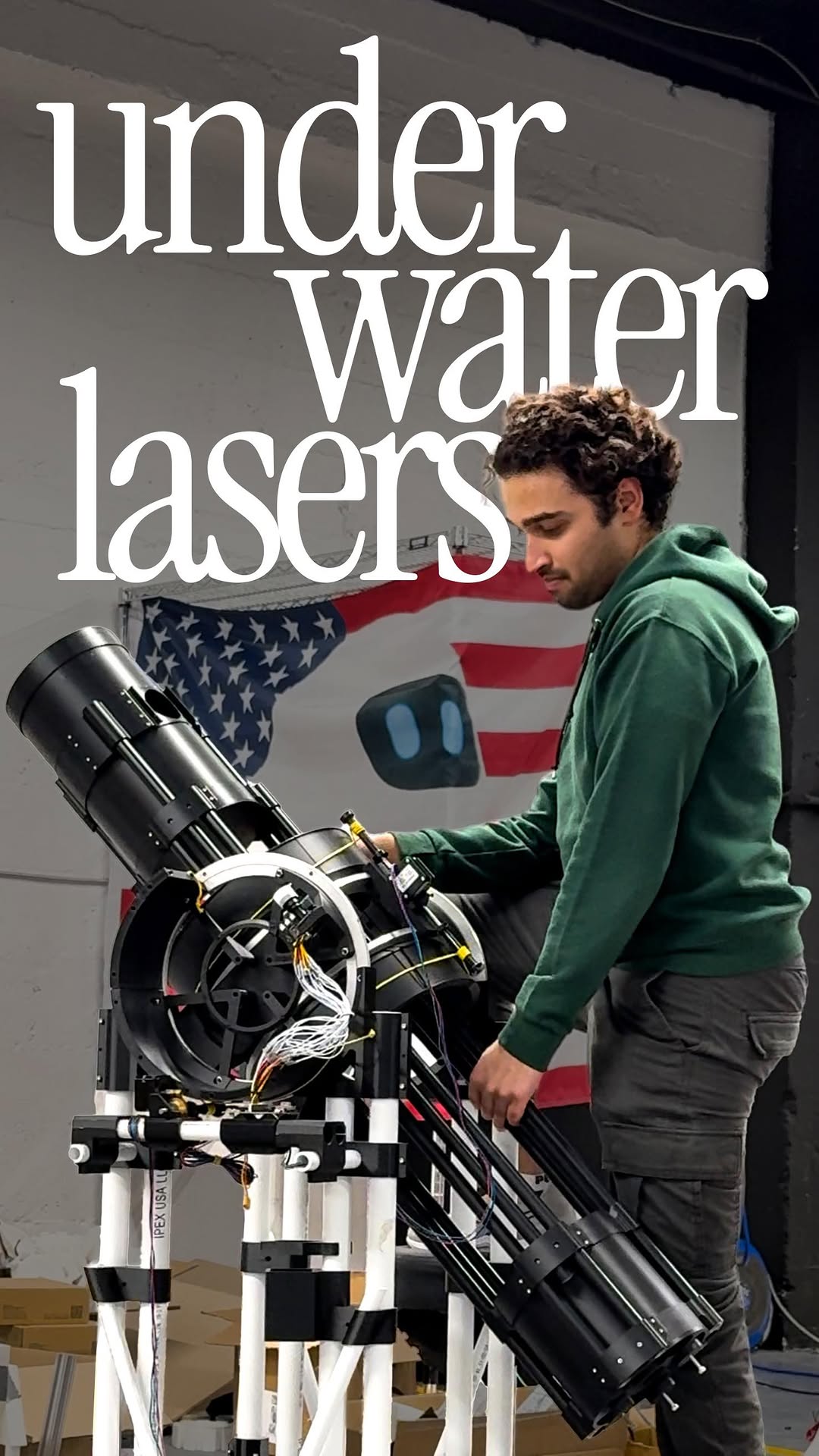 233.5KTech project origin story explainer@fdotinc · Breakdown
 330.8K27.9×Explaining Elon Musk's massive factory@kallaway · Opportunity Explainer
 448.7K8.8×Explains building a company AI brain@angus.sewell · Breakdown
 503.4KCreator refutes expert via split-screen@ashabuilds · Split Screen Explainer
 2M324.3×Explaining Elon Musk's insane factory@kanekallaway · Breakdown
 4M647.5×AI app builder product demo@lovable.app · Product Demo
 817.9K6.9×AI video editing tool demo@rourke · Product Demo
[04]
[05]
What stops the scroll in the first 3 seconds
Title hook · 40%
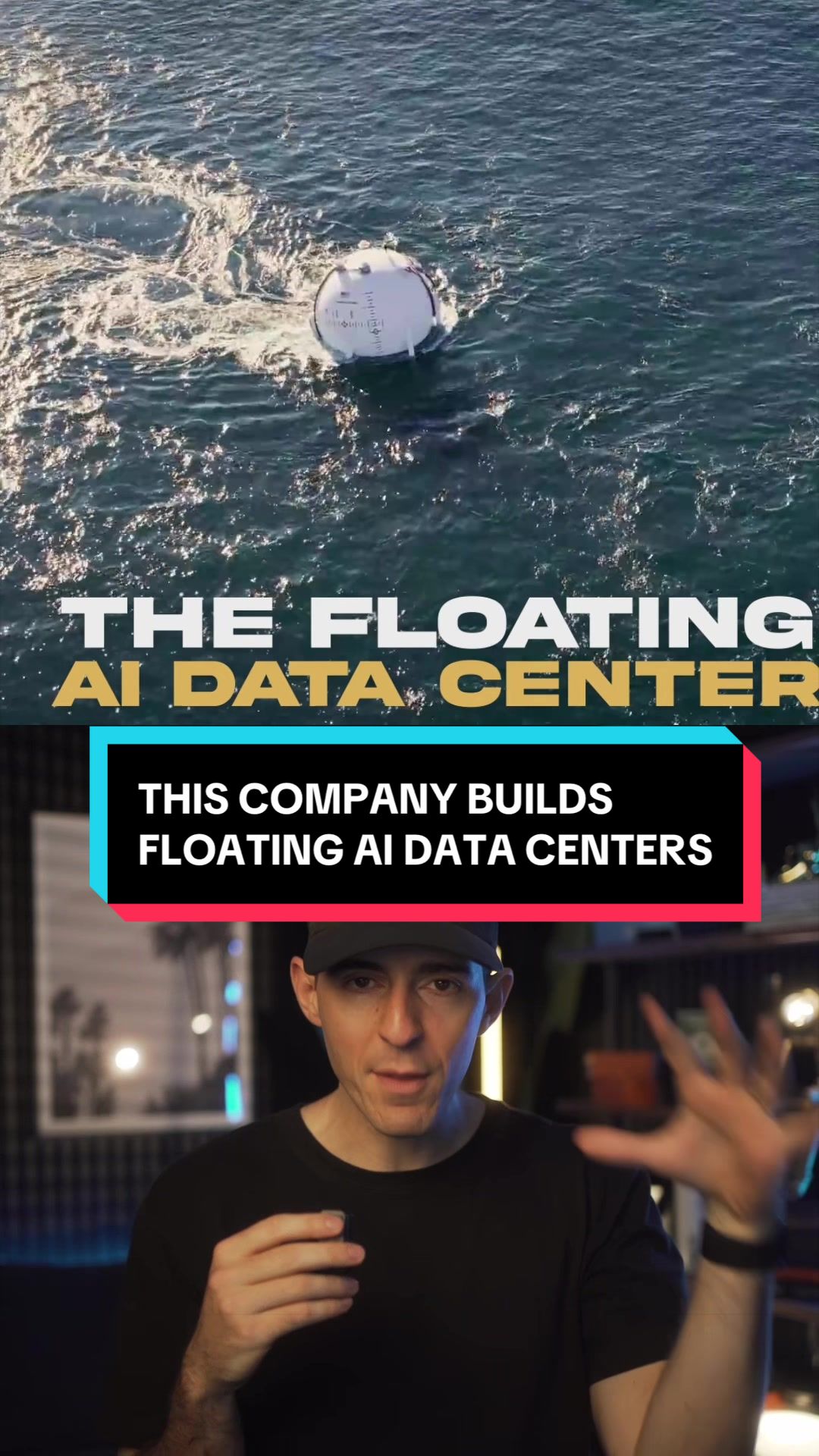
THE FLOATING AI DATA CENTER
Verbal hook · 45%
This company built a data center floating in the Pacific Ocean.
Visual hook · 15%
An aerial shot looking down into a massive industrial hangar, revealing a large, white, spherical object being constructed, creating immediate scale and curiosity.
[06]
Steal this for your own video
This built a in the middle of .
[07]
The promise the opener makes, and how the video pays it back
Hook
Present a counter-intuitive or seemingly impossible innovation to immediately capture attention and create a 'how is that possible?' question.
Payoff
Conclude not with a final resolution, but with a forward-looking 'test' or 'event' that makes the story feel ongoing and creates a stake in the future outcome, followed by a direct call to action.
[08]
The structural pattern this video runs on
Framework
The Problem-Solution Cascade
A narrative structure that introduces a novel solution to a known problem, then systematically overcomes a series of escalating obstacles with increasingly clever sub-solutions, culminating in a final, high-stakes challenge.
The Bold Premise
State the core innovation and its potential to disrupt an entire category, establishing it as a significant development.
The Foundational Problem
Define the well-understood, conventional problem that this innovation is designed to solve, grounding the concept in a relatable conflict.
The Ideal Environment & First Obstacle
Propose a new context as the perfect solution, then immediately introduce the most obvious flaw or challenge within that new context to create tension.
The Primary Solution Reveal
Address the first major obstacle by revealing the innovation's core, self-sufficient capability, providing the first major payoff.
The Mechanical Explanation
Break down the complex 'how' of the innovation using simple, relatable analogies to ensure audience comprehension and build appreciation for its cleverness.
The Objection Reframe
Anticipate and address a common viewer skepticism or perceived weakness, then reframe it as an unexpected strength or advantage.
The Paradigm Shift
Introduce a final logistical problem and solve it by revealing that the innovation's true purpose is different and more advanced than the audience initially assumed, creating a surprise twist.
The Ultimate Antagonist
Frame the final and most difficult challenge as a conflict against a powerful, fundamental force (e.g., nature, time, human behavior), raising the stakes to their peak.
This company builds data centers floating in the ocean #ai #tech #technology #robot #datacenter
title · beginning
THE FLOATING AI DATA CENTER
branding · beginning
PANTHALASSA
informational · beginning
BLOCKED
informational · middle
NO TOWNS
informational · middle
NO PERMITS
informational · middle
NO GRIDS
informational · middle
NO ANCHOR
informational · middle
NO FUEL
informational · middle
NO CABLE
call-to-action · end
Follow for more tech, AI, and robotics
This company built a data center floating in the Pacific Ocean. They're called Panthalassa, and they might be pioneering a whole new category of data center technology. See, a data center is really just thousands of computer chips that only need two things, electricity to think and water to cool. On land, they compete with actual towns for both of those resources, which is why these projects keep getting blocked. But the ocean has no towns, no permits, and no grids to constrain. Of course, there is just one problem with an ocean based data center. There are no plugs to plug in for electricity. So this floating data center was designed to make its own power. Here's how it works. Picture a giant floating lollipop in the sea with a round buoy on top and a long tube underneath. Waves only move at the top of the surface. So underneath, it's actually very calm. And that means the buoy rides up and down while the tube stays still. Better wave that passes by squeezes seawater through its turbine. Think of it like a bike pump, except the ocean waves is what's pushing the handle up and down. That same seawater is also great for cooling the chips in the data better, so it accomplishes both tasks required. Now you rank calm weather and no waves in the ocean would prevent this from running, but it actually works a lot more like a battery. The sun heats the air, the air makes wind, and the wind pushes the waves. And those waves keep rolling long after the breeze stops. So it's solar power that also works at night. Better there's just one more problem. How do they get all that power back to the land to use? And it turns out, they don't. These things have no anchor, no fuel, and no cable to shore. Instead, your AI query hits them, worst straight up to a satellite, data center. The real problem making this tough is that tier ocean typically destroys everything. The salt eats better, the barnacles good on everything, and storms do what storms do. And that's really the bet that Panthelas is making, that they can figure out how to make this in a way the ocean can't destroy it. The first full destroy it. The first full size versions of this go live in the ocean later this year. If they survive, your AI queries might start being powered by a floating data center in the ocean. All for more stories like this about tech, AI, and robotics.