@mirandadoesbrands
TikTok · Talking Head Edit
@mirandadoesbrands The next big celebrity brand won’t be anything like Rhode or Skims #branding #marketing #celebrity #celebritybrands #celebrityagency

@mirandadoesbrands
TikTok · Talking Head Edit
@mirandadoesbrands The next big celebrity brand won’t be anything like Rhode or Skims #branding #marketing #celebrity #celebritybrands #celebrityagency
Performance
Video #25954 · Talking Head Edit
[01]
The speaker analyzes the evolution of celebrity brands, starting with fragrances in the 2000s, clothing in the 2010s, and beauty since 2020. She then predicts the next era will be celebrities launching creative agencies, citing examples like Kendrick Lamar and Charles Leclerc, and explains this shift is due to traditional agencies being slow and out of touch, while celebrities offer authentic cultural relevance, higher margins, and lower operational risk.
[02]
[03]
 912.6K16.1×Critiquing luxury brand marketing failures@orenmeetsworld · Breakdown
 69.7KBrand expert analyzes Kylie's rebrand@kiramackenz · Case Study Breakdown
 1.1MCreator explains new branding trend@orenmeetsworld · Breakdown
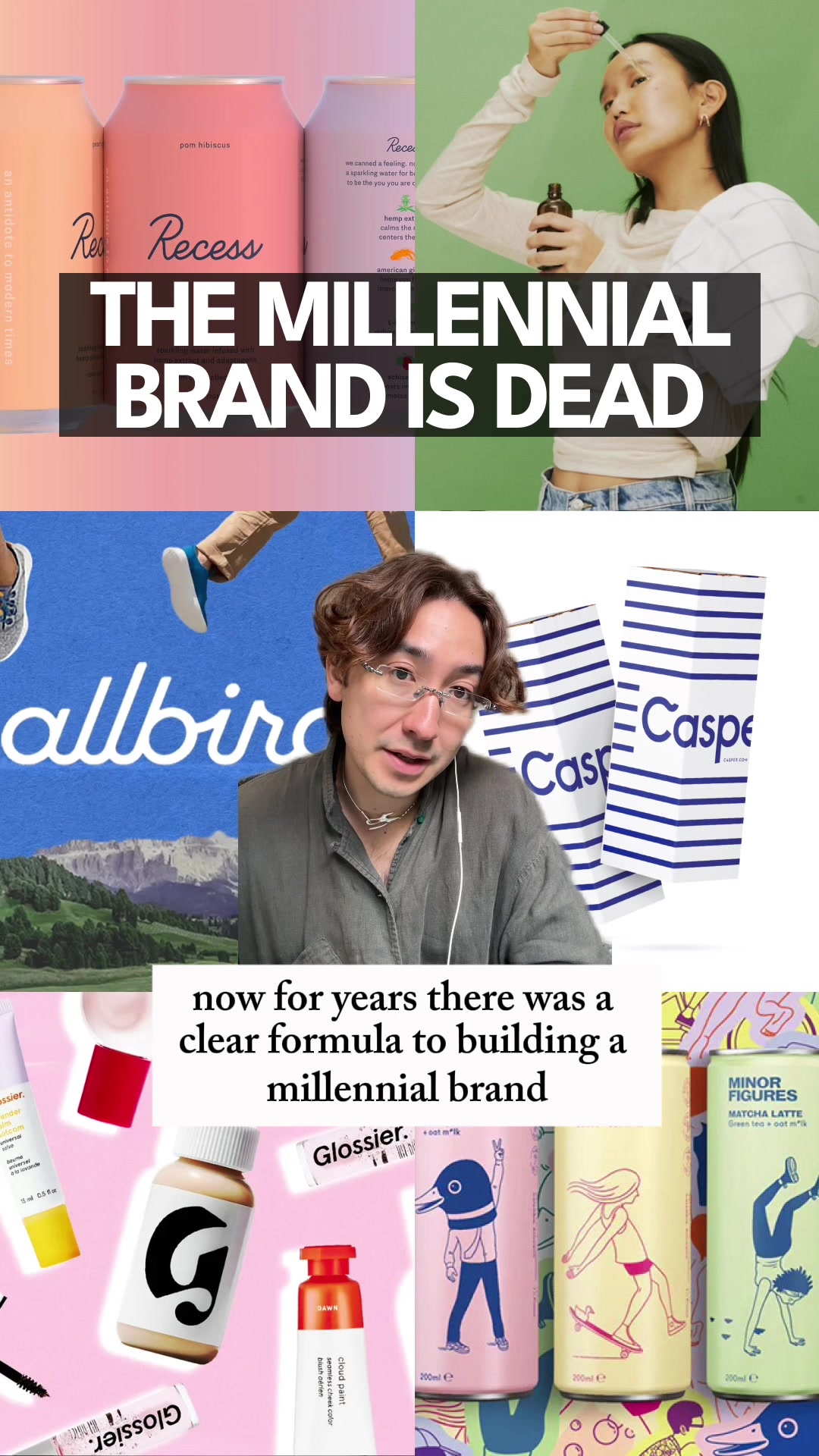 1.2MExplaining the decline of millennial branding@eugbrandstrat · Breakdown
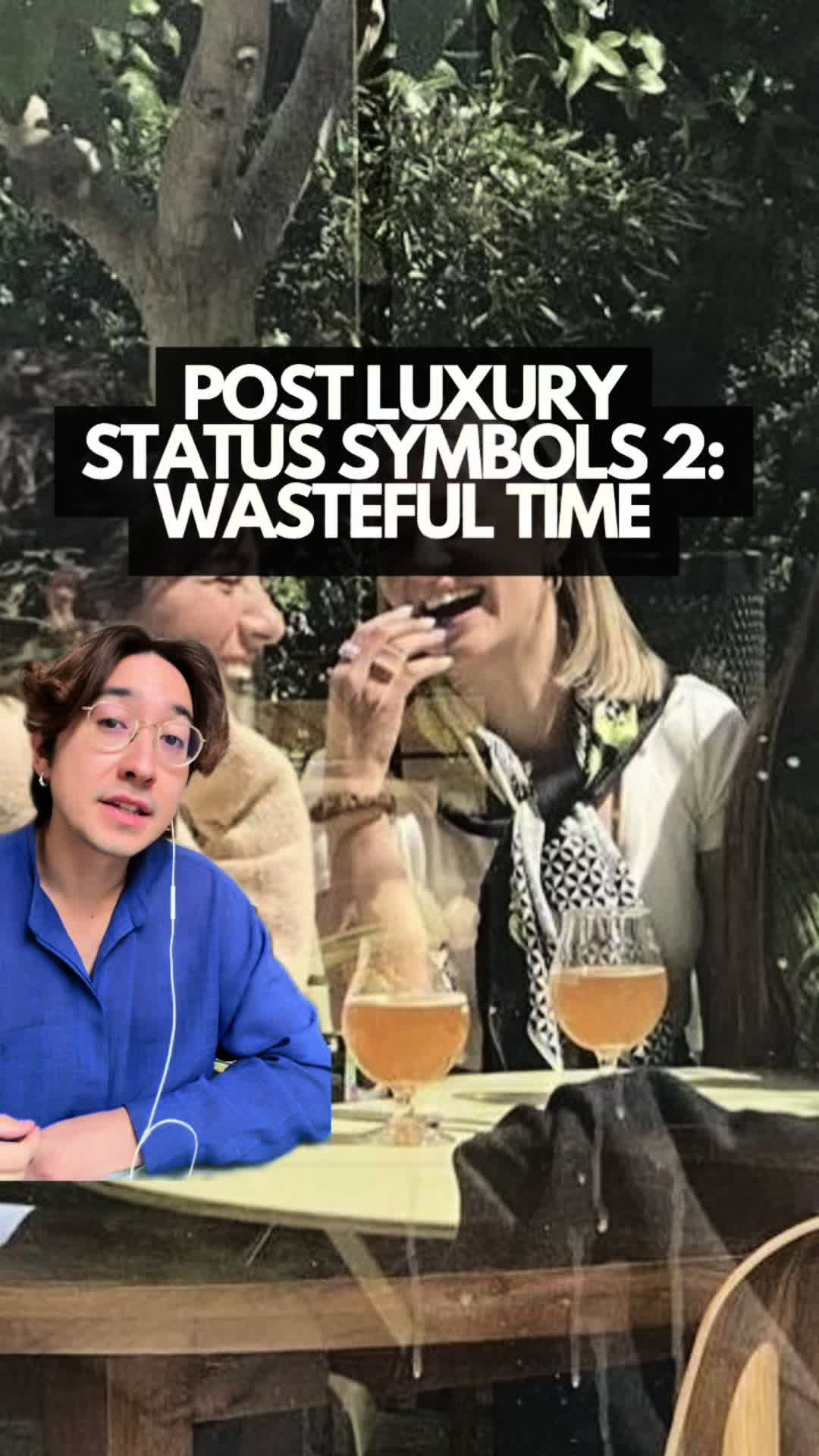 1MExplaining a cultural trend shift@eugbrandstrat · Breakdown
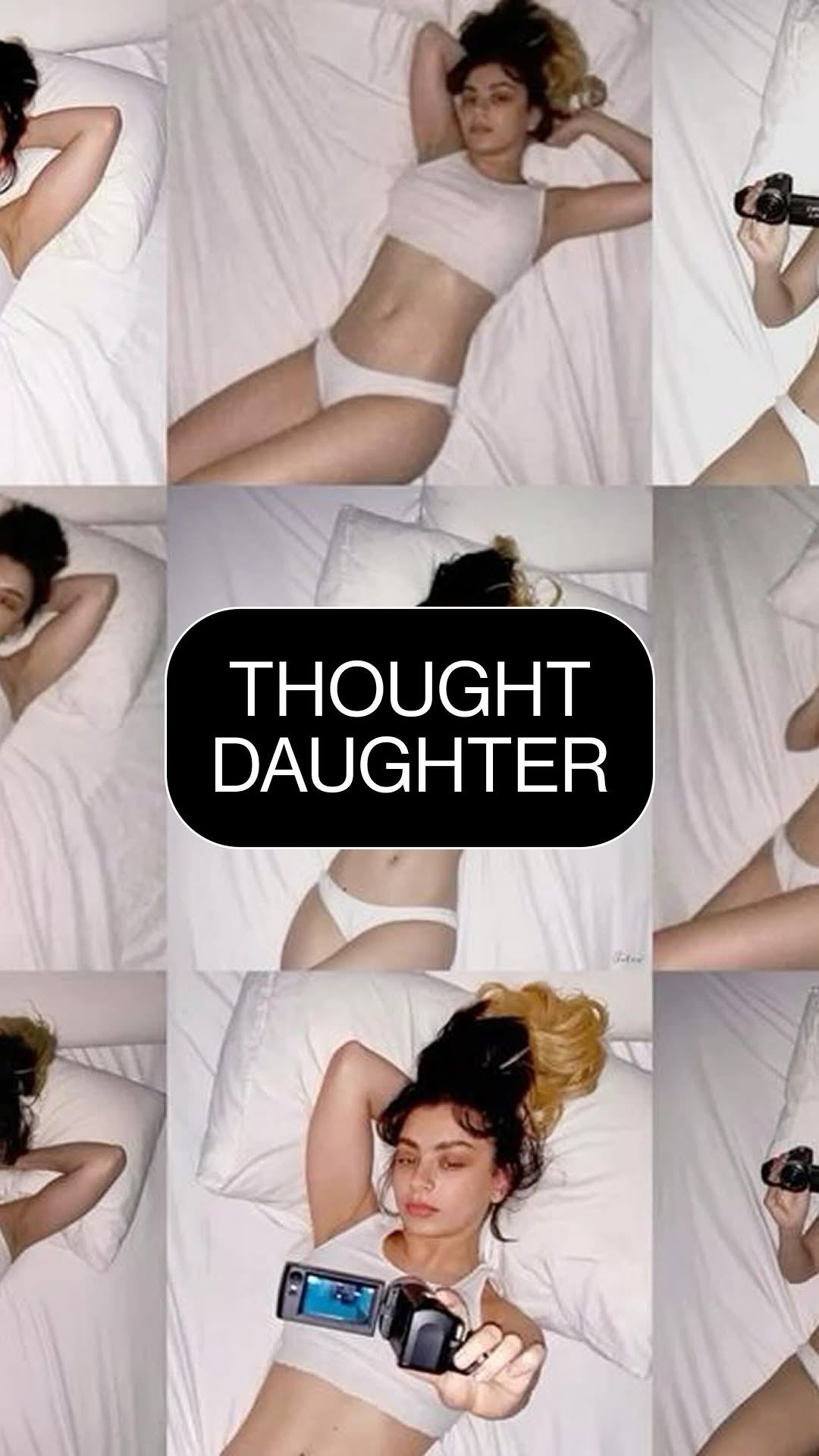 321K1×Analysis of intellectualism as a trend@deathtostock · Breakdown
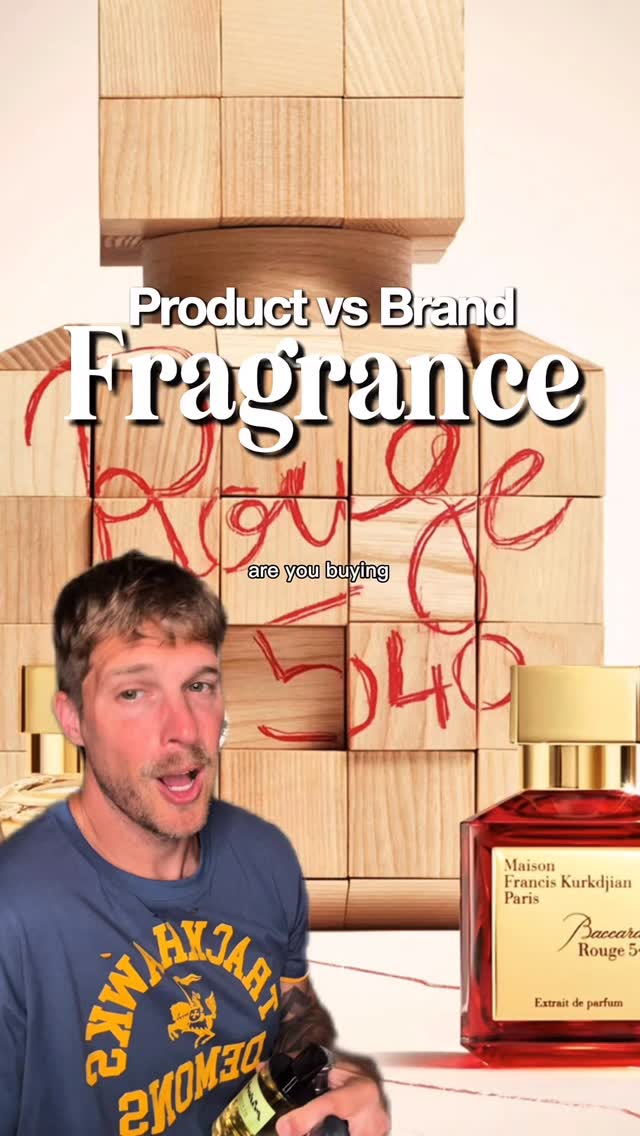 789.1K2.6×Men's fragrance brands rated product vs hype@orenmeetsworld · Rapid Fire Listicle
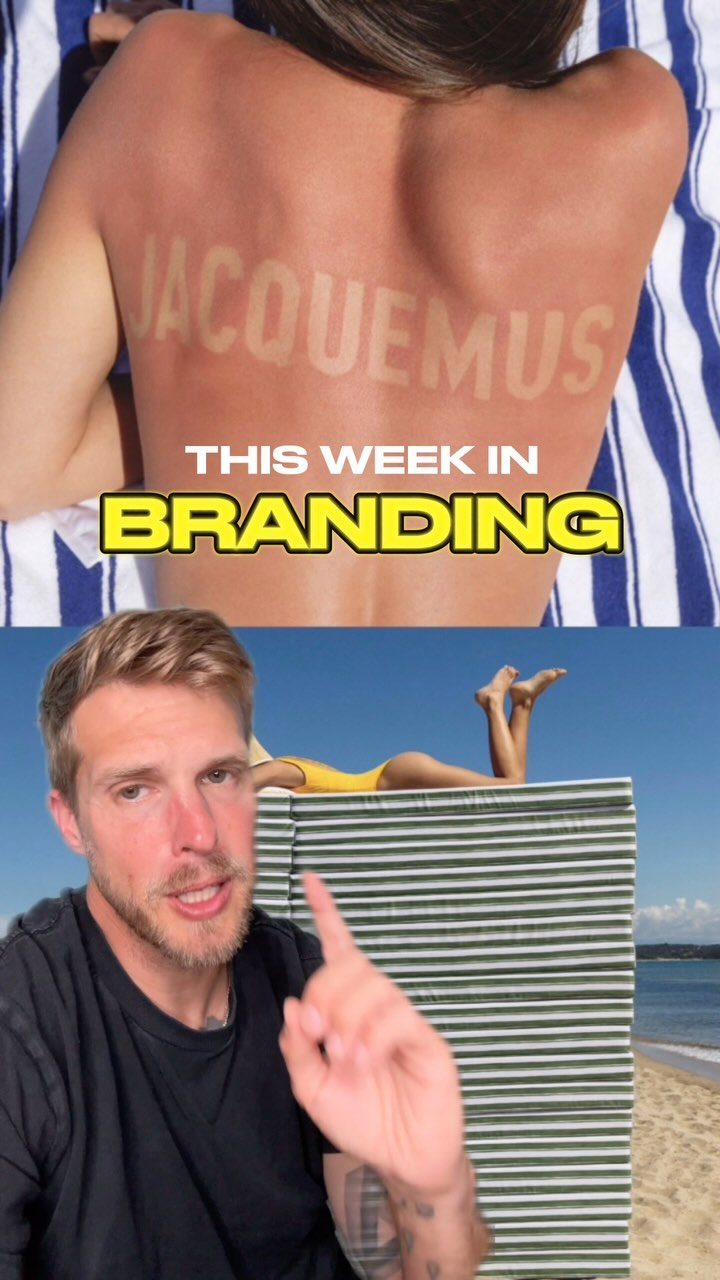 123.5KRapid fire branding news roundup@orenmeetsworld · Rapid Fire Listicle
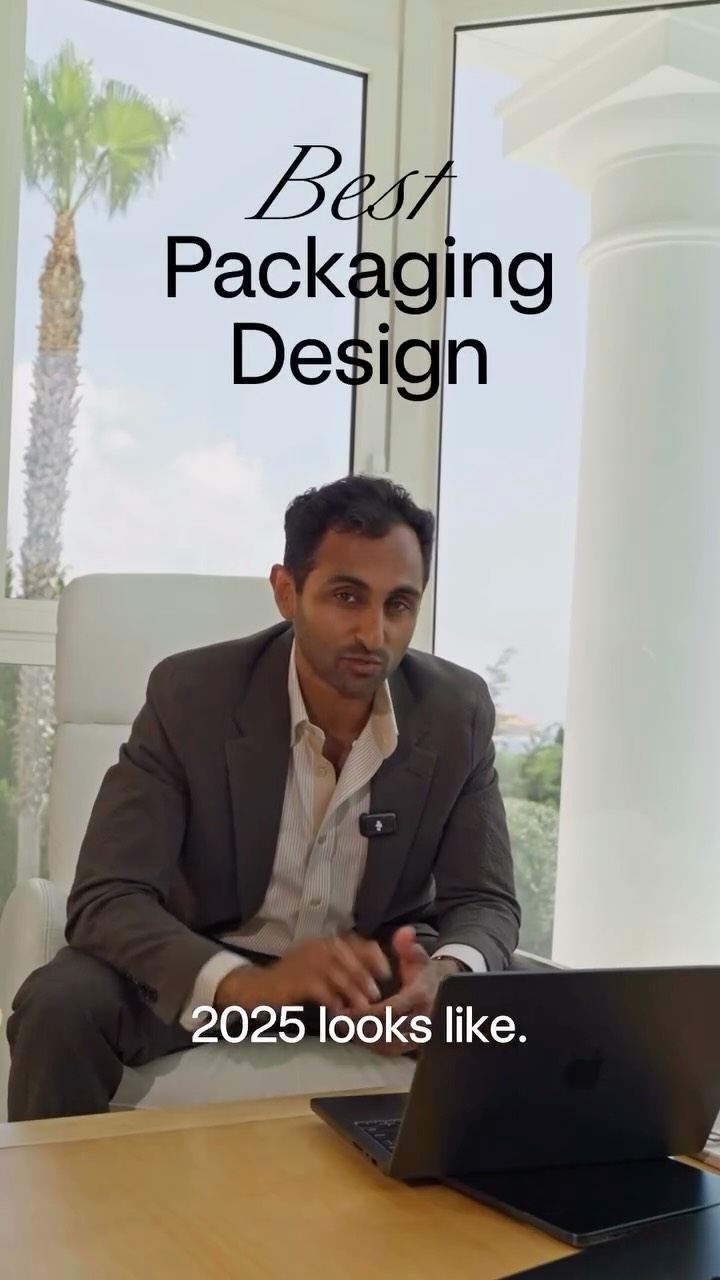 112.4KExpert ranks best packaging designs 2025@shwinnabegobrand · Expert Rate/Rank
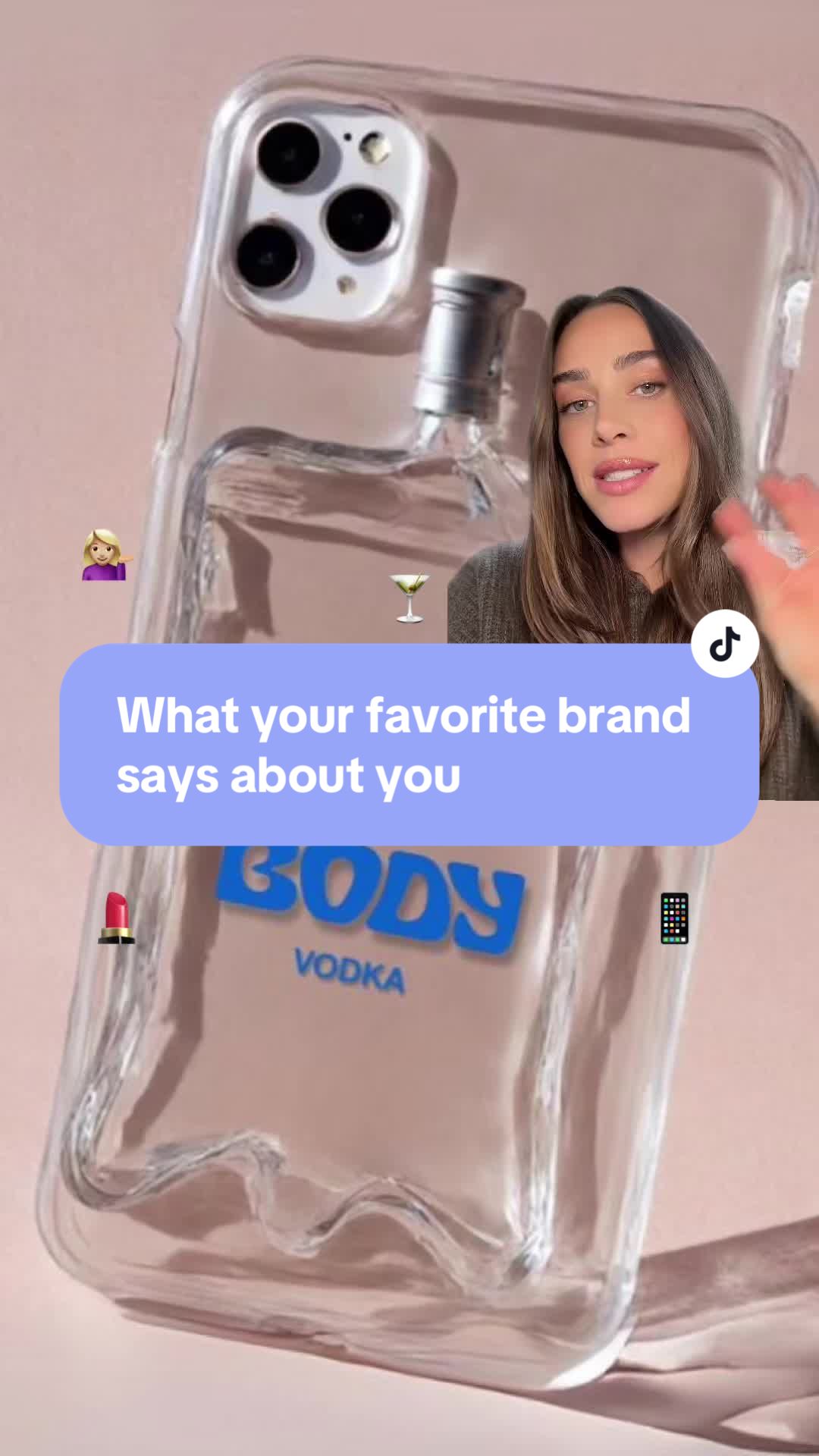 77.8KAnalyzing phone cases as status symbols@kiramackenz · Breakdown
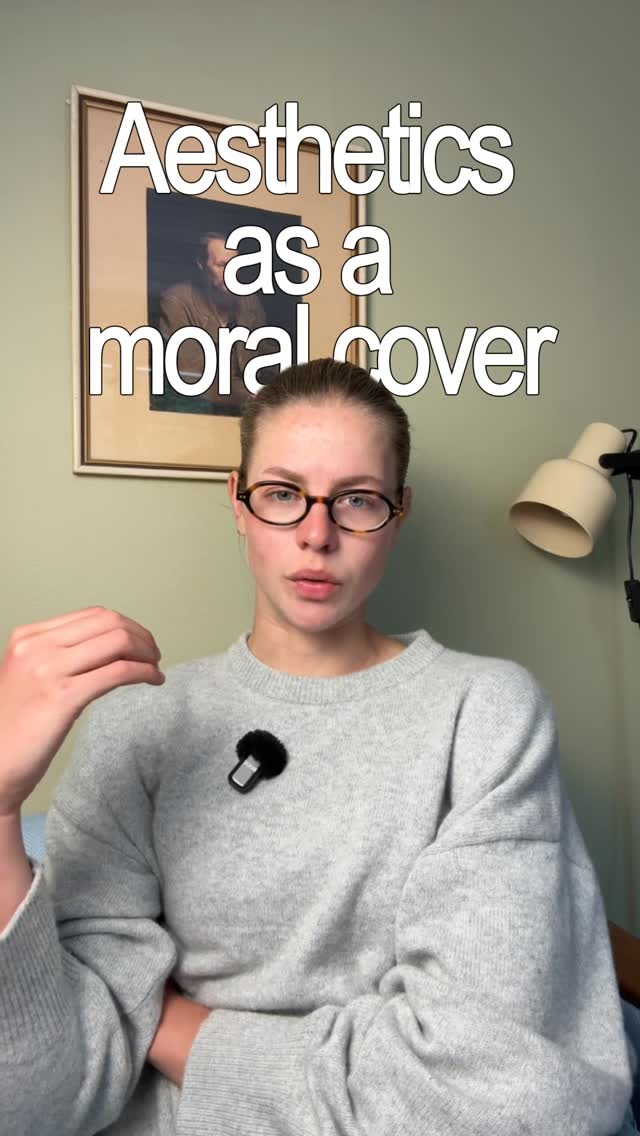 761.4K33.9×Explaining corporate aesthetic deception@var.aunevik · Breakdown
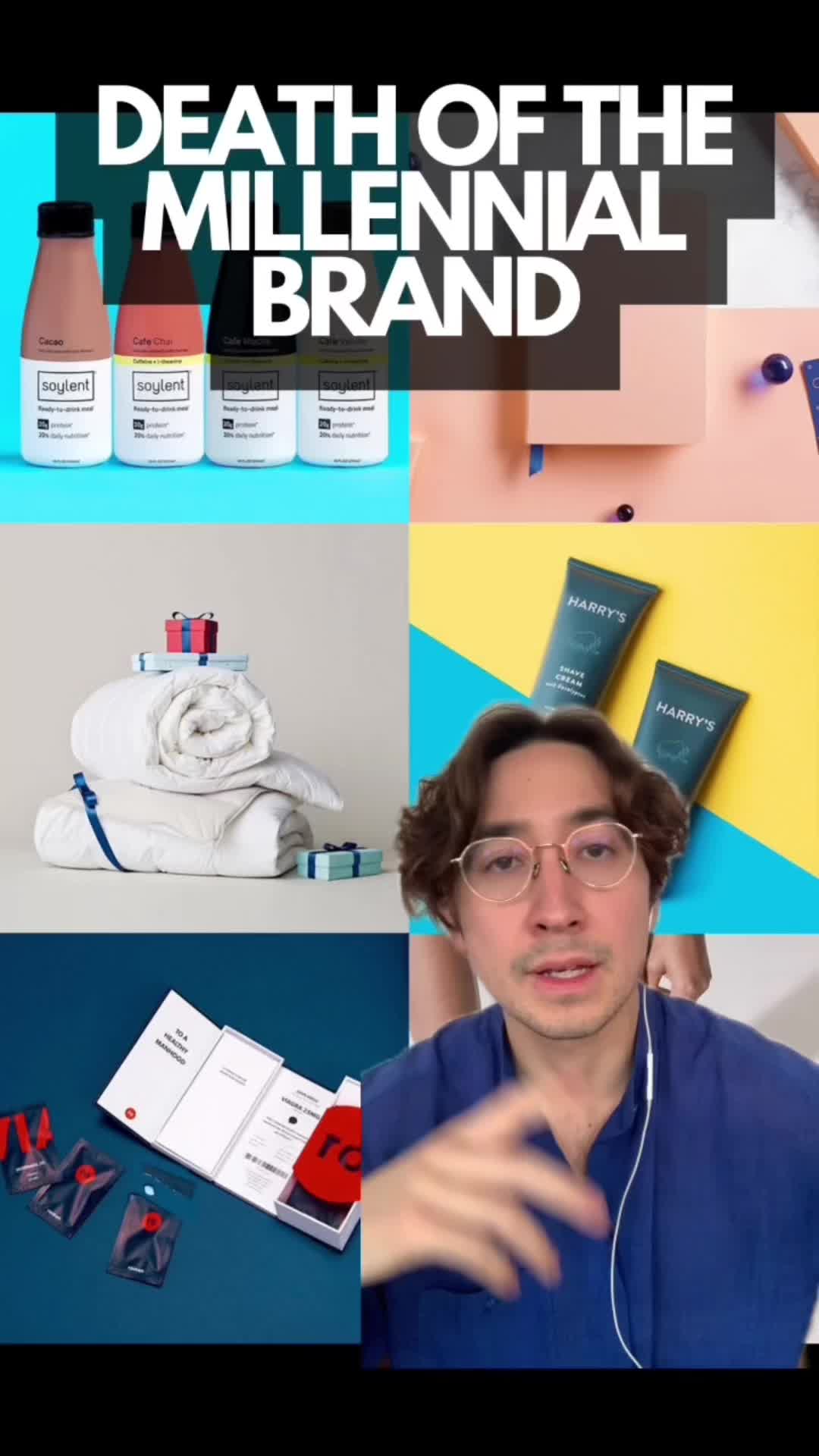 1.3MAnalyzing the millennial brand aesthetic@eugbrandstrat · Breakdown
[04]
[05]
What stops the scroll in the first 3 seconds
Title hook · 55%
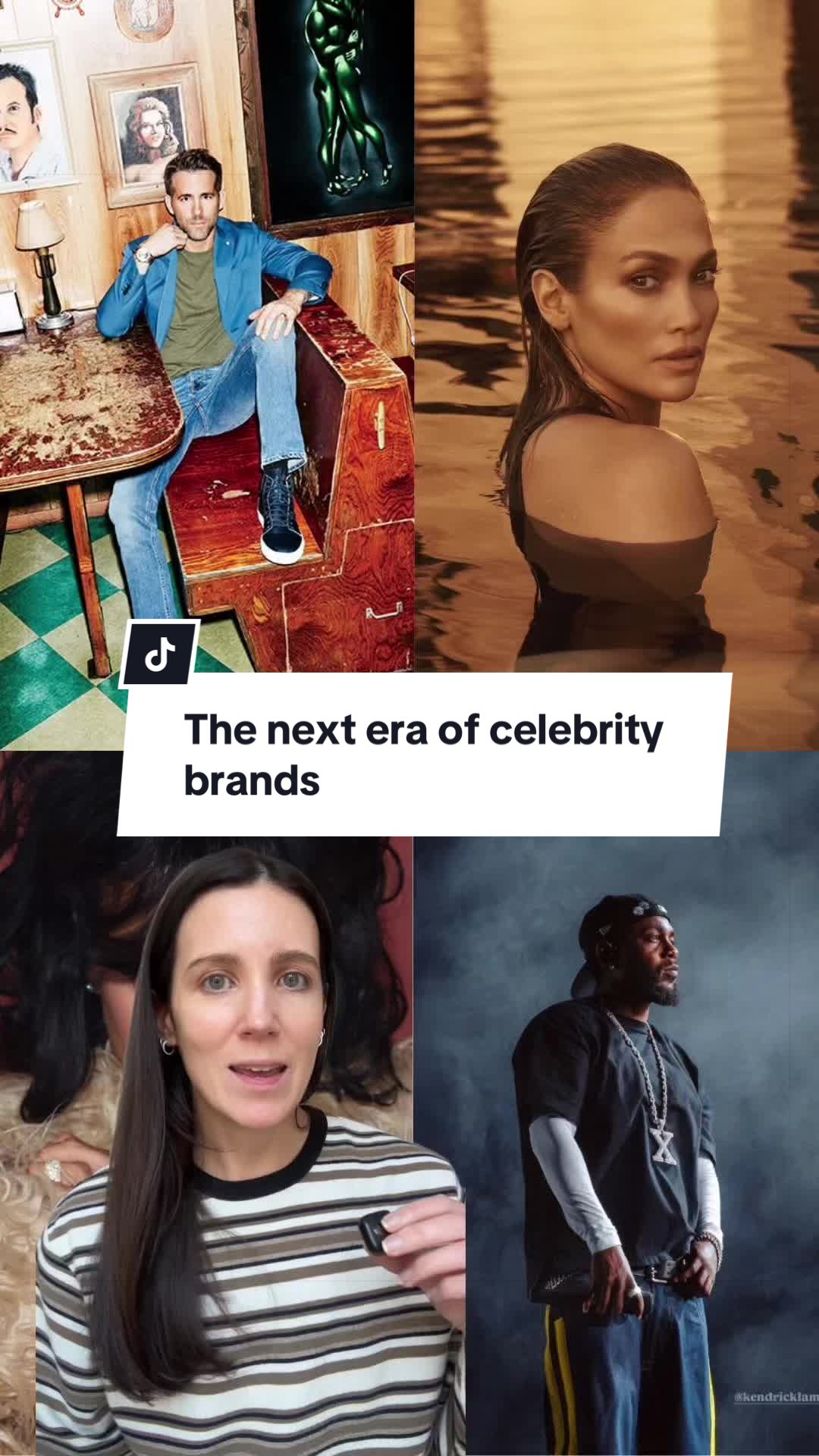
The next era of celebrity brands
Verbal hook · 40%
In the early two thousands, every celebrity had a fragrance brand.
Visual hook · 5%
A four-quadrant split screen showing high-quality photos of four different celebrities (Ryan Reynolds, Jennifer Lopez, etc.) alongside the speaker.
[07]
The promise the opener makes, and how the video pays it back
Hook
The Established Pattern: Begin by outlining a widely recognized, linear evolution or trend within a specific field (e.g., fragrances -> clothing -> beauty) to create immediate audience familiarity and agreement.
Payoff
The Strategic Payoff: Conclude by summarizing the tangible benefits (e.g., financial, reputational, operational) of the new model, providing a satisfying and logical resolution to the initial thesis (e.g., 'higher margins, less risk, fewer headaches').
[08]
The structural pattern this video runs on
Framework
The Pattern-Break Prediction
Establish a well-known historical pattern, then introduce a disruptive thesis that breaks this pattern. The narrative then proves the thesis by providing evidence, explaining the underlying market forces, and highlighting the strategic advantages of the new model over the old one.
The Thesis Drop
Abruptly break the established pattern with a bold, forward-looking prediction that serves as the video's central argument (e.g., 'the next big brand won't be a product').
The Evidence Rollout
Immediately substantiate the thesis with a quick succession of 2-3 concrete, contemporary examples that act as proof points (e.g., Kendrick Lamar, Charles Leclerc, Alex Cooper).
The Industry Disruption
Broaden the context by showing how the established industry or old way of doing things is currently failing or in decline, creating a vacuum for the new trend (e.g., traditional agencies are hemorrhaging jobs).
The Core Dichotomy
Create a clear 'Old vs. New' comparison, simplifying the argument by contrasting the flaws of the old model (slow, out of touch, 'making ads') with the inherent strengths of the new one (authentic, 'making culture').
The Insider Advantage
Explain the fundamental reason why the new model is superior, by highlighting an authentic, embedded quality (e.g., 'they're actually inside it, living it' vs. 'studying culture from the outside').
The New Business Model
Briefly explain the mechanics or 'how it works' of the new approach, demystifying it for the audience (e.g., 'renting out that talent,' 'lending their credibility').
The next big celebrity brand won’t be anything like Rhode or Skims #branding #marketing #celebrity #celebritybrands #celebrityagency
title · beginning
The next era of celebrity brands
contextual · middle
launched Project 3
contextual · middle
launched Side Quest
contextual · middle
brands like Google
informational · end
higher margins
informational · end
less reputational risk
informational · end
operational headaches
The early two thousands, every celebrity had a fragrance brand. In the twenty tens, it was a clothing line. And since 2020, everyone's been launching a beauty rank. So the next big celebrity brand won't be a product. It will be a creative agency. Kendrick Lamar has launched project three. The F1 driver Charles Leclerc just launched GuideQuest. Alex Cooper's agency, Unwell, has signed multiyear partnerships with brands like Google. And this all comes at a time when traditional agencies are hemorrhaging clients and cutting thousands of jobs. That's exactly why. These agencies are too slow, too fragmented, and in many cases, led by out of touch execs who have devoted their lives to making bad. Whereas celebrities have devoted their lives to making stuff people actually care about. And all the while, they've been assembling their own creative teams to make it happen. These aren't people who are studying culture from the outside. Outside. They are actually inside it, living it. Now people like Kendrick Lamar are effectively renting out that talent to brands, lending their credibility, taking a cut, all with much higher margins, less reputational risk, and far fewer operational headaches than launching a physical product.