@chiosse
Instagram · Speaker address
@chiosse Brooklyn: let’s reclaim our streets

@chiosse
Instagram · Speaker address
@chiosse Brooklyn: let’s reclaim our streets
Performance
Video #27594 · Speaker address
[01]
The creator, a local politician, reveals that some Brooklyn streets are named after slave owners and outlines his mission to change them. He walks through the neighborhoods of Bed-Stuy and Crown Heights, showcasing several streets that have been successfully renamed and telling the stories of the Black community icons they now honor, such as Dr. Albert Vann, Mrs. Clara Hayes, Miriam Carter, and DJ Mister Cee, using archival photos and footage to illustrate their impact.
[02]
[03]
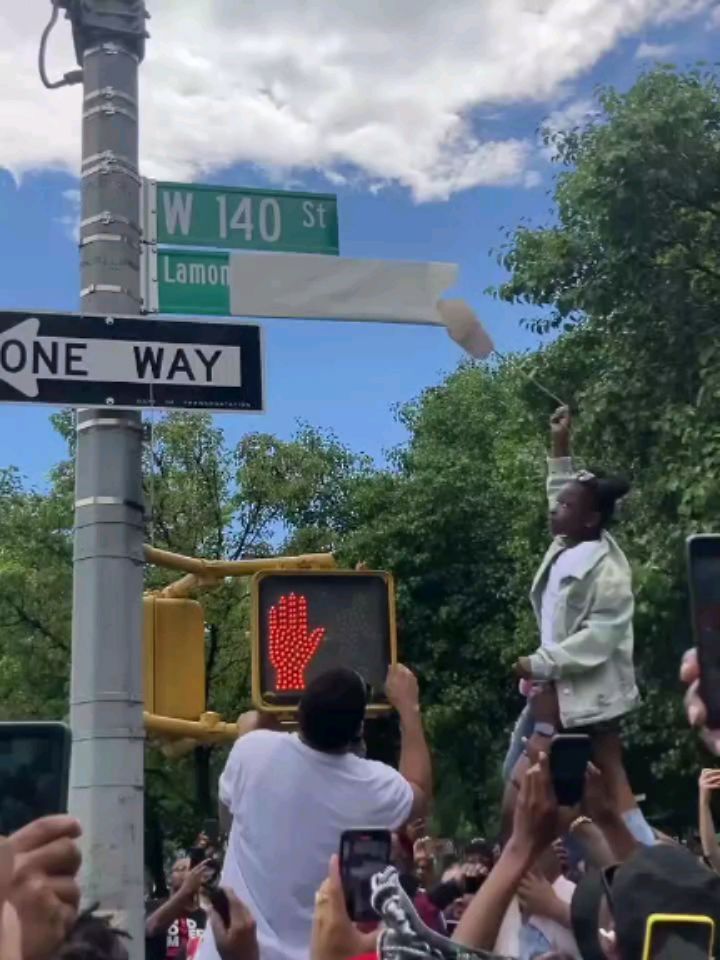 1.2M49.2×Harlem street naming ceremony for Big L@sancriradioshow · Milestone Celebration
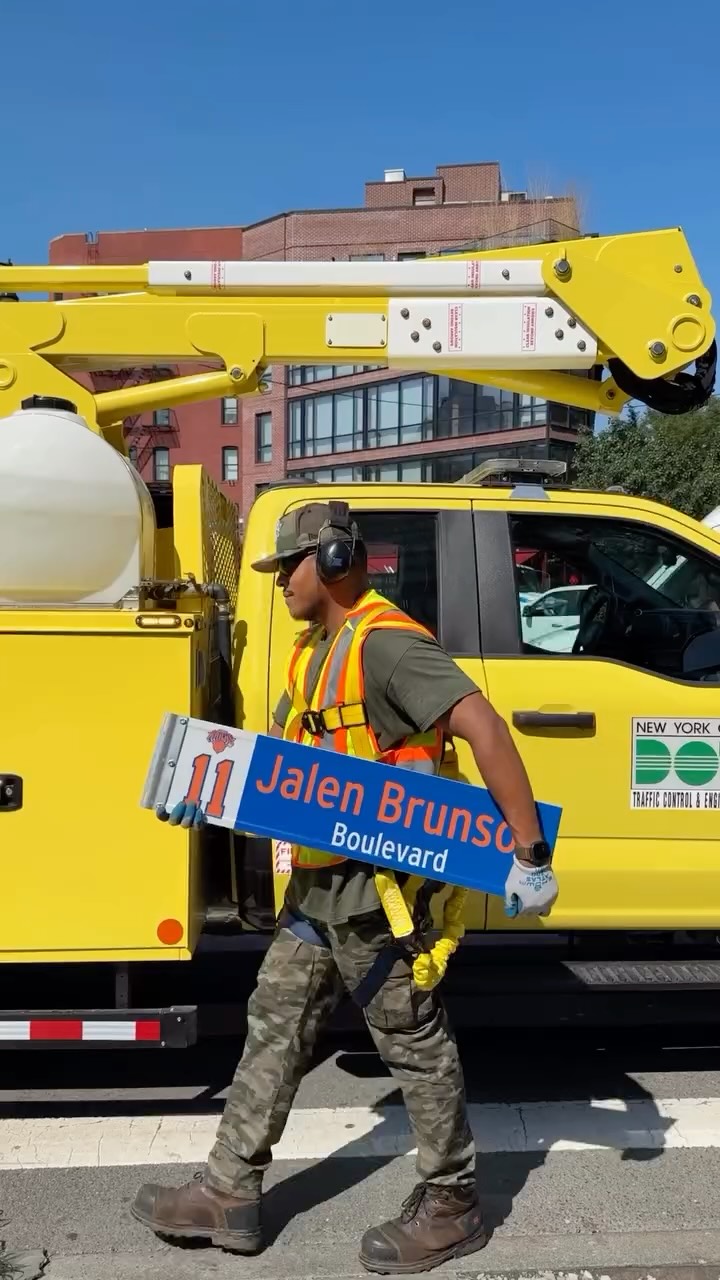 337.6K14.5×Showcasing custom street sign installation@nyc_dot · Event Showcase
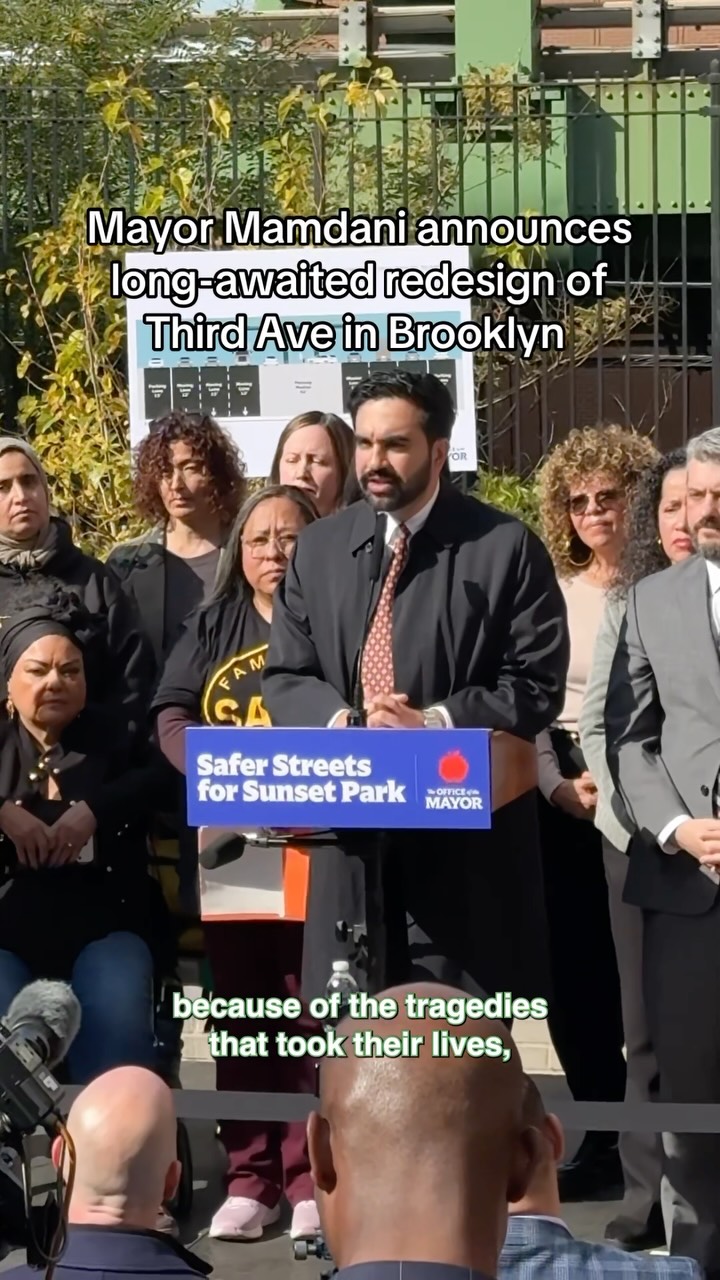 100.6K5.2×Politician announces street redesign plan@nyc_dot
 134.1KWalking talking head comedic punchline@zesstysauce
 4.2M170.9×Sign making process start to finish@nyc_dot · Process
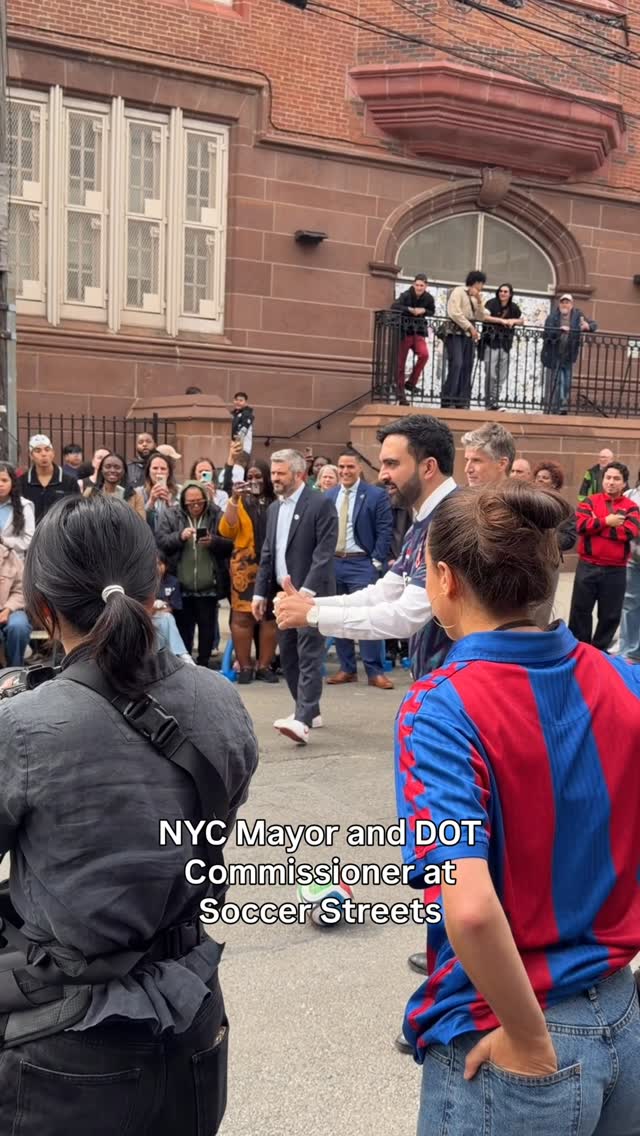 982.6K2.7×Community street soccer event highlights@nyc_dot · Event Showcase
 95.5K1.2×Street interviews asking favorite neighborhood@sandiegotalks · Question Montage
 167.6K10.9×Aesthetic montage of NYC locations@alexanewyorkcity · Location Showcase
 193.3K2.2×Cinematic running vlog in NYC@marcusmilione · Lifestyle Showcase
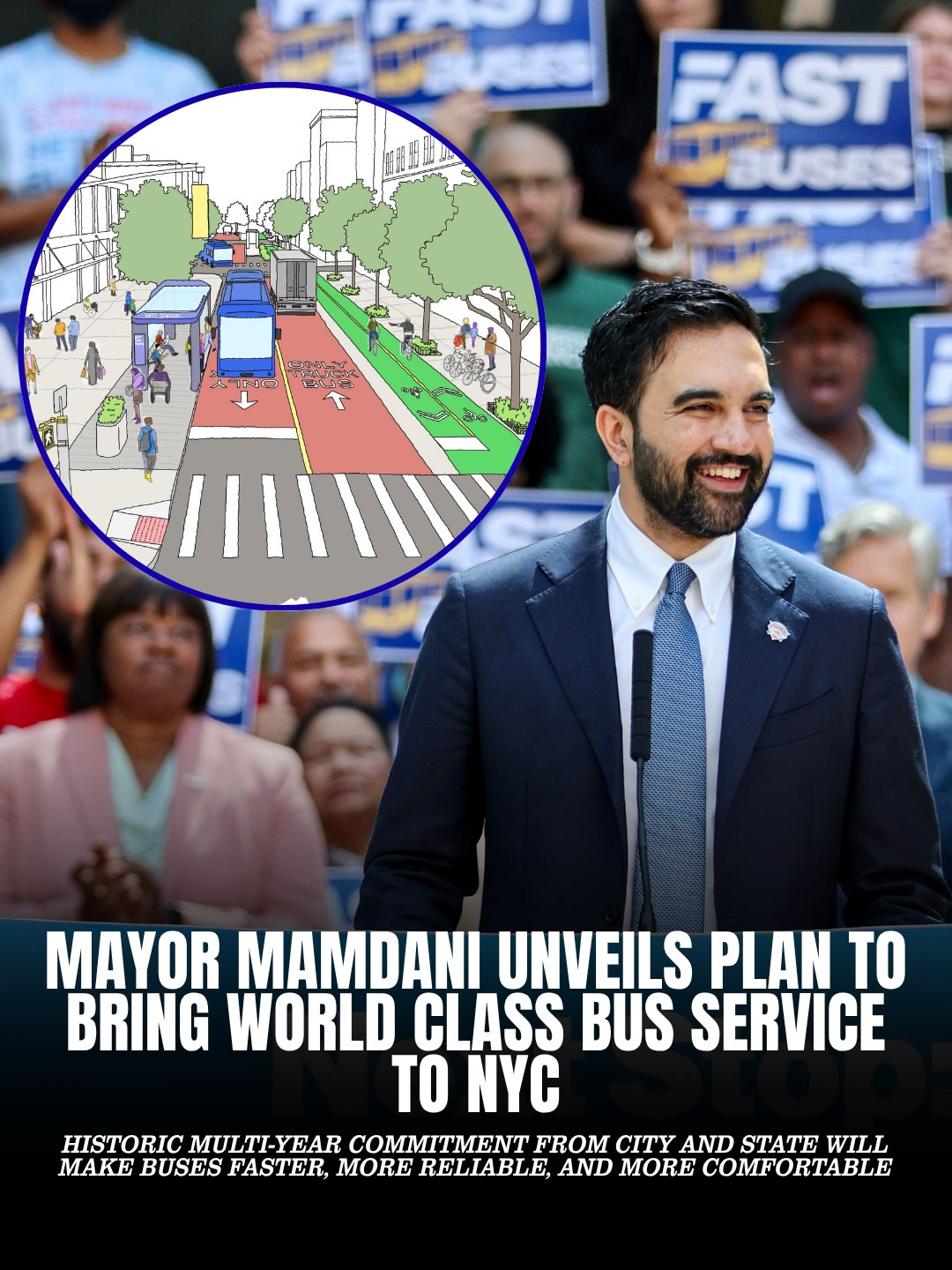 275.5K11.9×NYC Mayor announces new bus plan@nyc_dot · Public Service Announcement
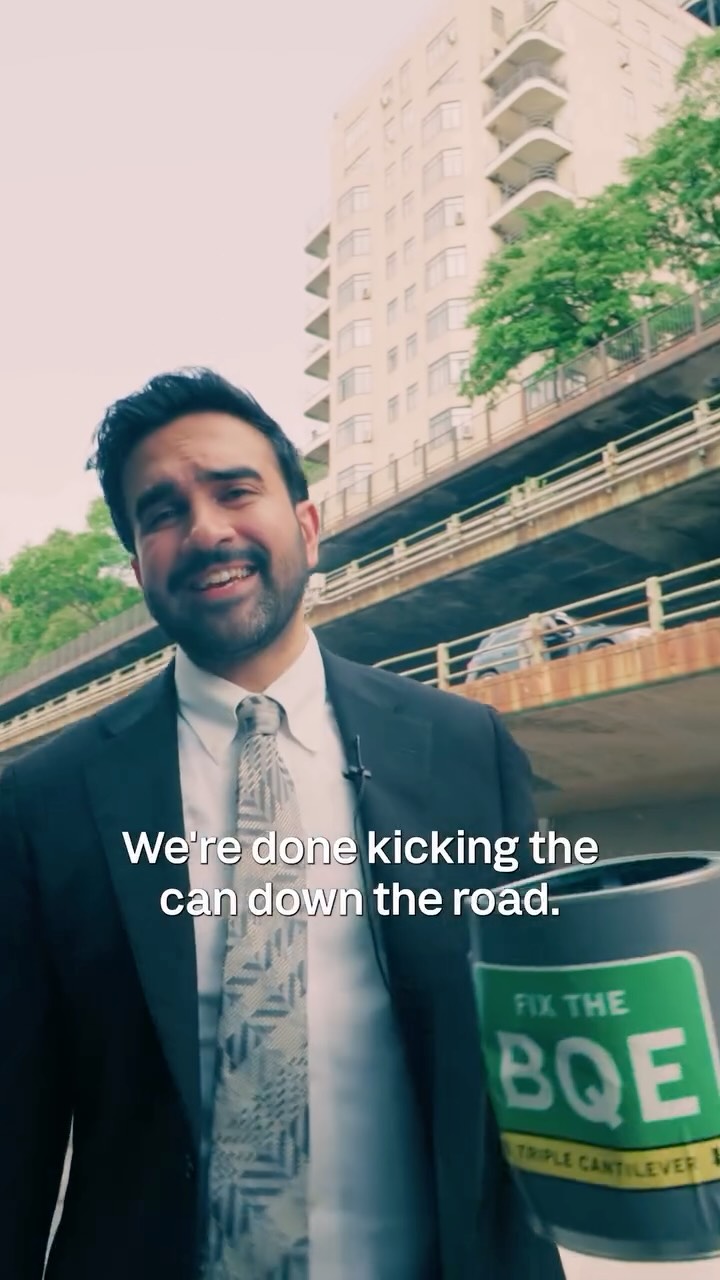 8.7M601.3×Explaining a city infrastructure problem@nycmayor · Opportunity Explainer
 570.3K3.4×Relatable text over travel montage@connor.gr33n · Vibe Showcase
[04]
[05]
What stops the scroll in the first 3 seconds
Title hook · 55%
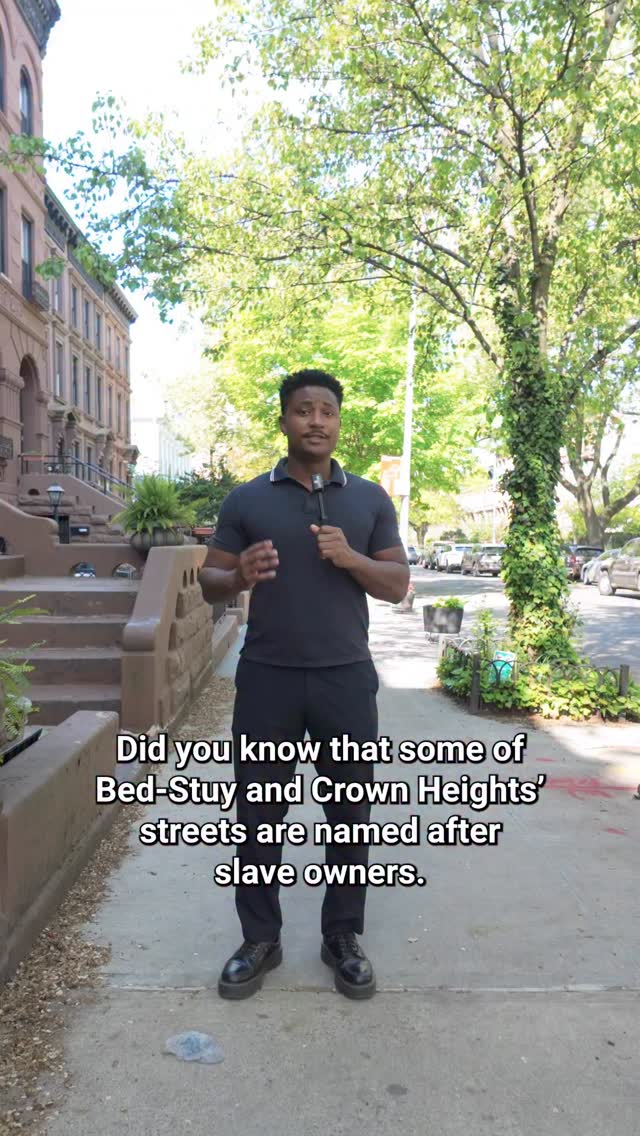
Did you know that some of Bed-Stuy and Crown Heights' streets are named after slave owners.
Verbal hook · 45%
Did you know that some of Bed Stuy And Crown Heights Streets are named after slave owners?
Visual hook
A man stands on a sunlit, tree-lined sidewalk in front of classic Brooklyn brownstones, speaking directly to the camera.
[07]
The promise the opener makes, and how the video pays it back
Hook
A provocative question that reveals a morally charged, location-specific problem, creating immediate viewer investment through outrage or surprise.
Payoff
The narrative concludes on the final case study, allowing the cumulative emotional weight of the human stories to serve as the ultimate proof of the mission's success, leaving the audience with a sense of pride and resolution.
[08]
The structural pattern this video runs on
Framework
The Reclamation Narrative
To expose a localized, historical injustice and then demonstrate its correction through a series of humanizing examples, positioning the narrator as the agent of positive change.
The Mission Declaration
The narrator explicitly states their intention to solve the revealed problem, establishing a clear goal and forward momentum for the narrative.
The Problem Personified
The abstract problem is given a concrete historical source or 'villain,' making the conflict clear and specific.
The Solution Quantified
The narrator presents the successful outcome of their mission, using a specific number or metric to demonstrate the scale of the achievement, reinforced by a rapid visual montage.
The Legacy Frame
The significance of the solution is elevated beyond the immediate action, framed as a permanent contribution to the community's culture and future.
The Proof Through People
A series of short, distinct case studies are presented, often involving a location change to show scope. Each one tells the story of an individual honored by the solution, humanizing the achievement and demonstrating its diverse impact across the community (e.g., politics, business, arts).
Brooklyn: let’s reclaim our streets
title · beginning
Did you know that some of Bed-Stuy and Crown Heights' streets are named after slave owners.
informational · beginning
Bedford-Stuyvesant is named after Dutch colonizer Peter Stuyvesant, who enslaved Black people in the 1600s.
informational · beginning
But since I've taken office, we've renamed 24 streets after Black icons.
informational · middle
He was a grassroots organizer who became one of Brooklyn's most powerful champions in local government.
informational · middle
Mrs. Clara Hayes ran Macon Hardware for over 60 years.
informational · middle
In 1949, Miriam Carter founded the Carter Cadets
informational · end
And last summer we gathered with the family of DJ Mister Cee
Did you know that some of Bed Stuy And Crown Heights Streets are named after slave owners? Well, I'm on a mission to change that. Let's go. Bedford Stuyvesant is named after Dutch colonizer Better Stuyvesant, who enslaved black people in the sixteen hundreds. But since I've taken office, we've renamed 24 streets after black icons, who made our district a cradle of culture and community. And these signs will outlive all of us. Let me show you. I am here in part because of doctor Albert Rank, who represented this district for twelve years. He was a grassroots organizer who became one of Brooklyn's most powerful champions in local government. He fought racial gerrymandering, expanded voter registration, and mentored a generation of black leaders. Missus Clara Hayes ran Makeout Hardware for over sixty years. It was a refuge, a gathering place, and a cornerstone of Bed Stuy's small business community. And now I'm in Crown Heights. In 1949, Miriam Carter founded the Carter Cadets. She gave generations of black youth a sense of purpose through music. And last summer, we gathered with the family of DJ Worse. C to honor a giant