@nycmayor
Instagram · Talking Head Edit
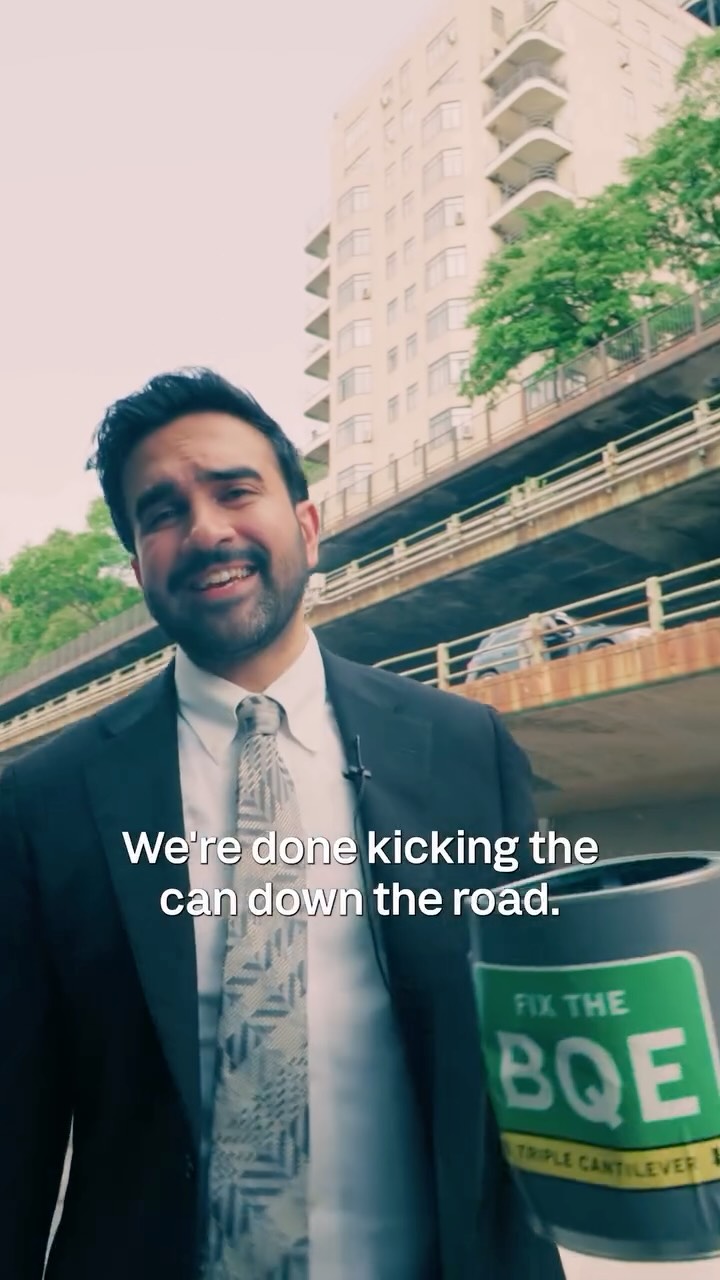
@nycmayor We’re done kicking the can down the road. Here’s how we’re fixing the city-owned section of the BQE.

@nycmayor
Instagram · Talking Head Edit
@nycmayor We’re done kicking the can down the road. Here’s how we’re fixing the city-owned section of the BQE.
Performance
Video #39819 · Talking Head Edit
[01]
The narrator stands under the Brooklyn-Queens Expressway to explain its history and current state of decay. He details its construction by Robert Moses, contrasts its original 1954 design capacity with its current overuse using a data graphic, and argues for the urgency of a new repair plan for the city-owned section.
[02]
[03]
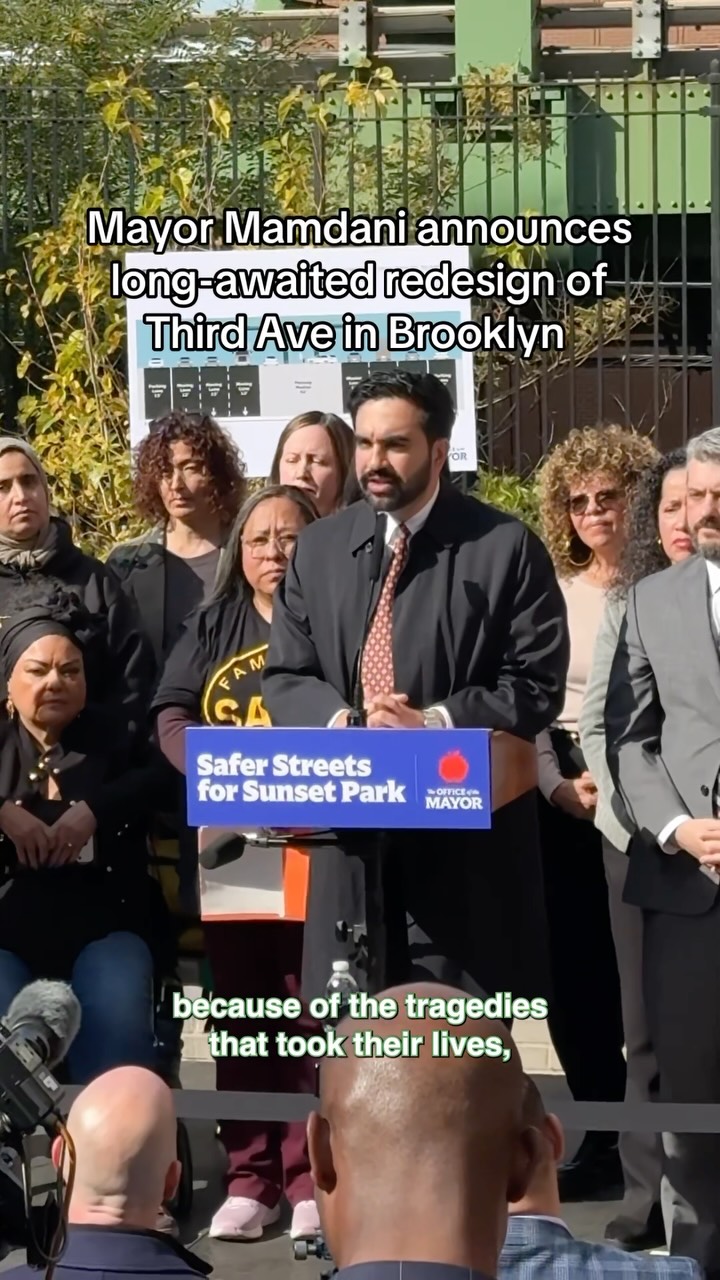 100.6K5.2×Politician announces street redesign plan@nyc_dot
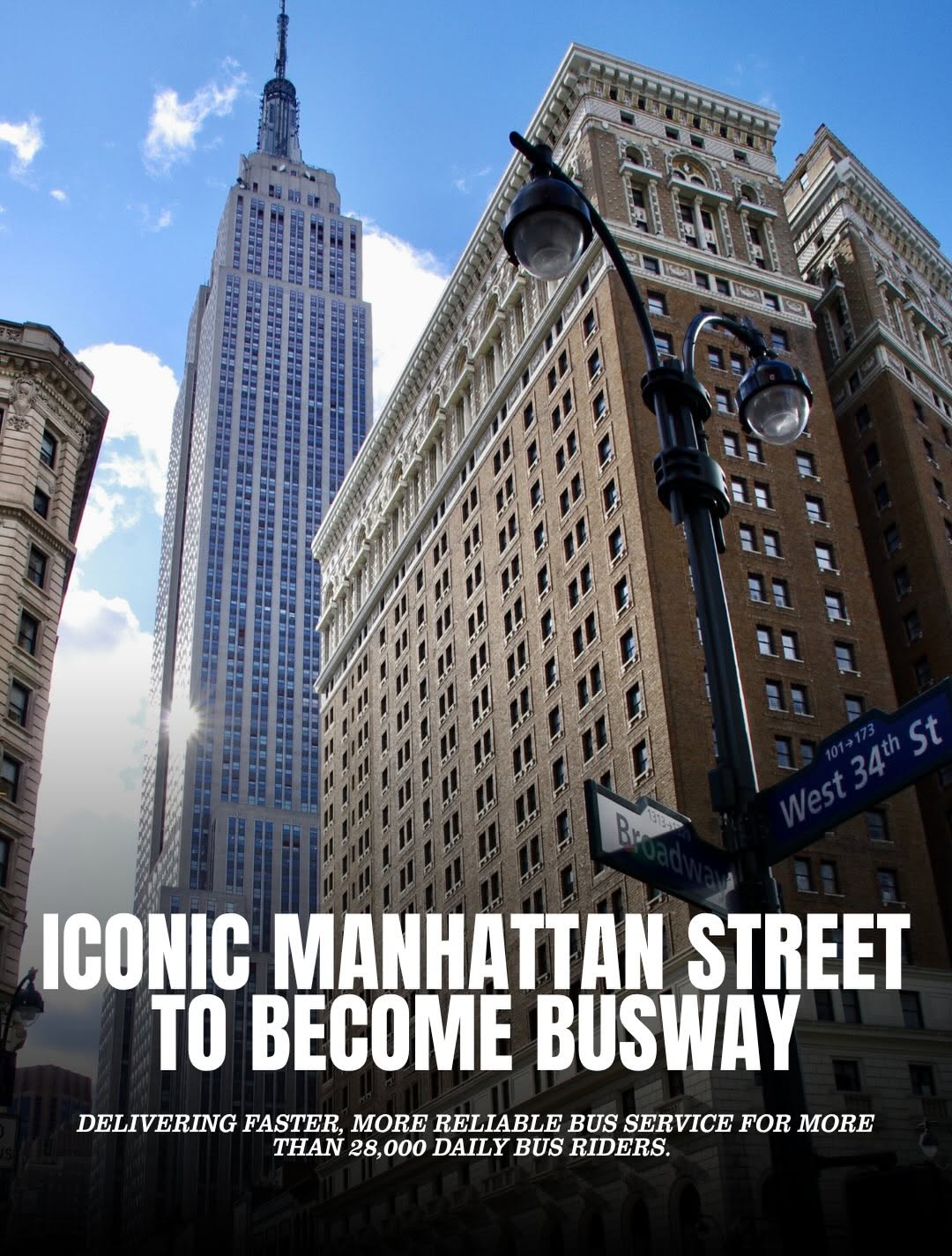 1.9M75.3×NYC street busway announcement photo@nyc_dot · Public Service Announcement
 585.4K13.3×Explaining a two-year bridge rebuild@utahtransportation · Explainer
 1.4M4.3×Damaged bridge demolition update montage@wsdot · Showcase
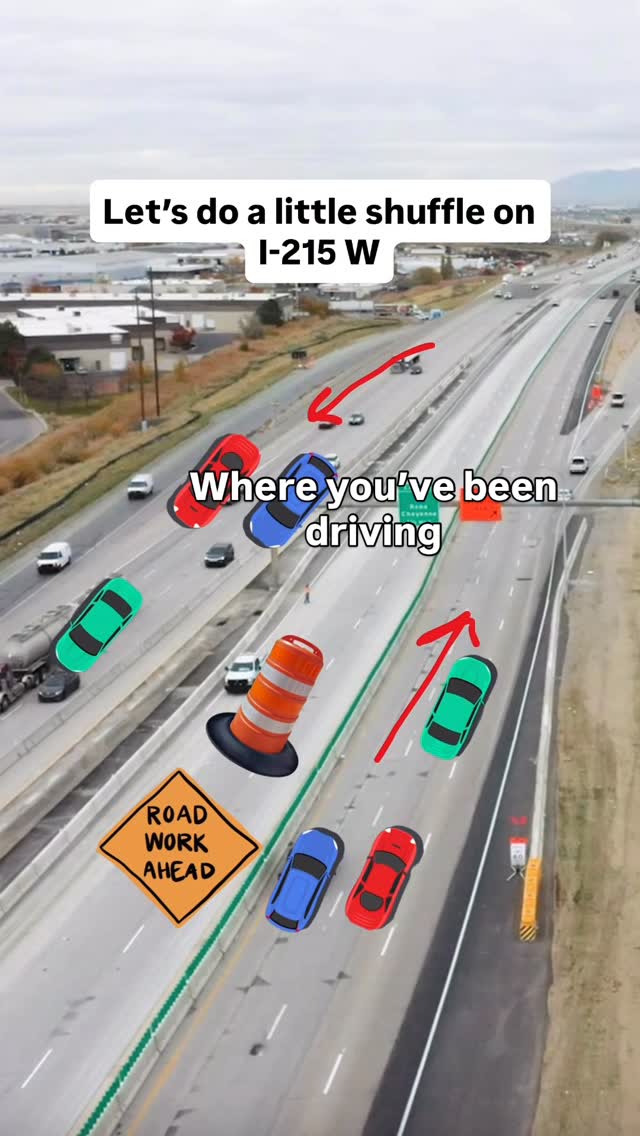 824.9K6.5×Animated highway traffic shuffle explainer@utahtransportation · Breakdown
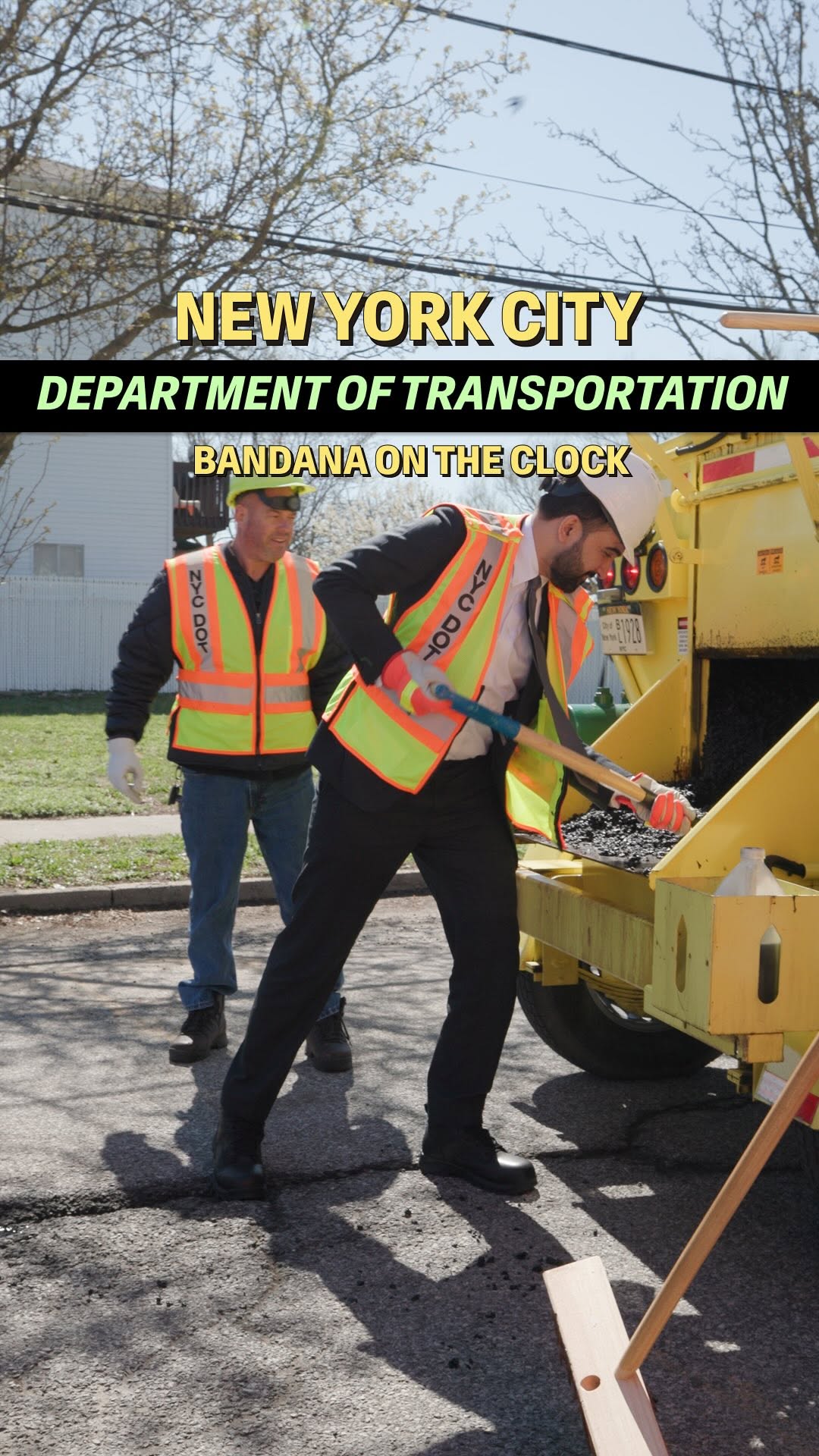 965.2K11.6×Behind the scenes with roadworkers@workersclubnyc · Behind The Scenes
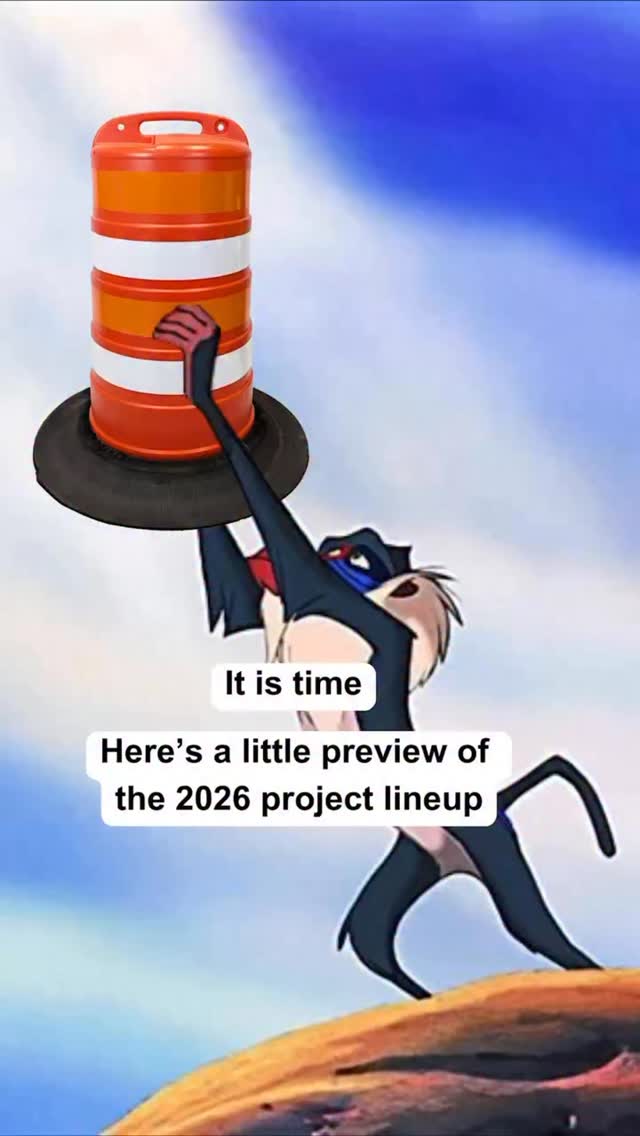 387.2K10.9×Rapid fire construction project updates@utahtransportation · Rapid Fire Listicle
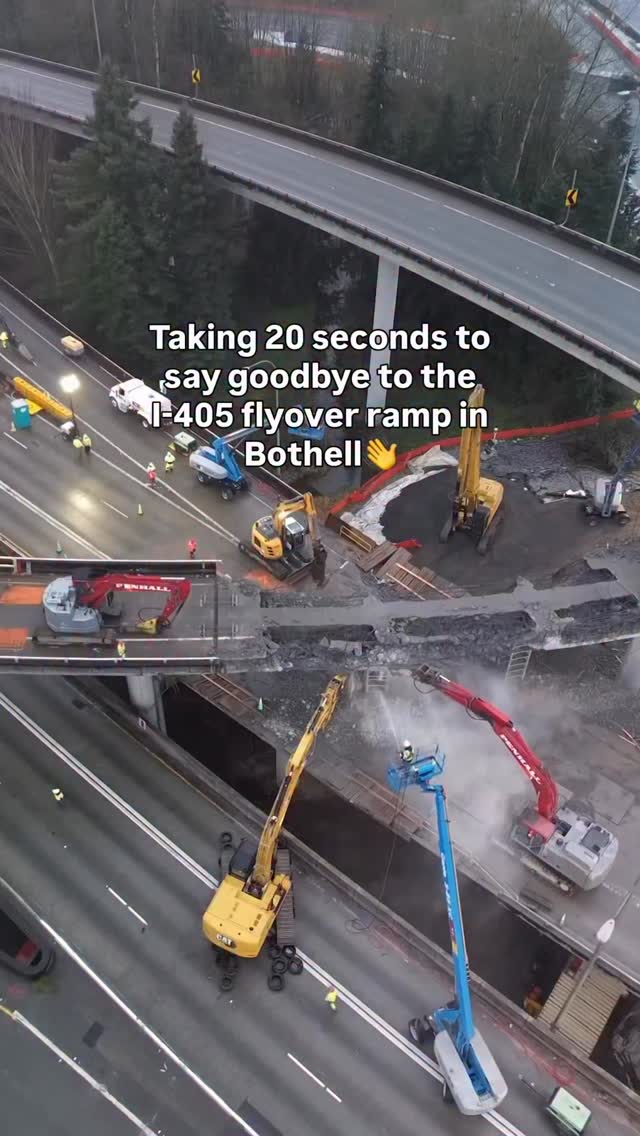 697.9K9.2×Emotional goodbye to highway ramp@wsdot · Themed Announcement
 1.3M9.7×Highway expansion plan explained visually@utahtransportation · Before/After Transformation
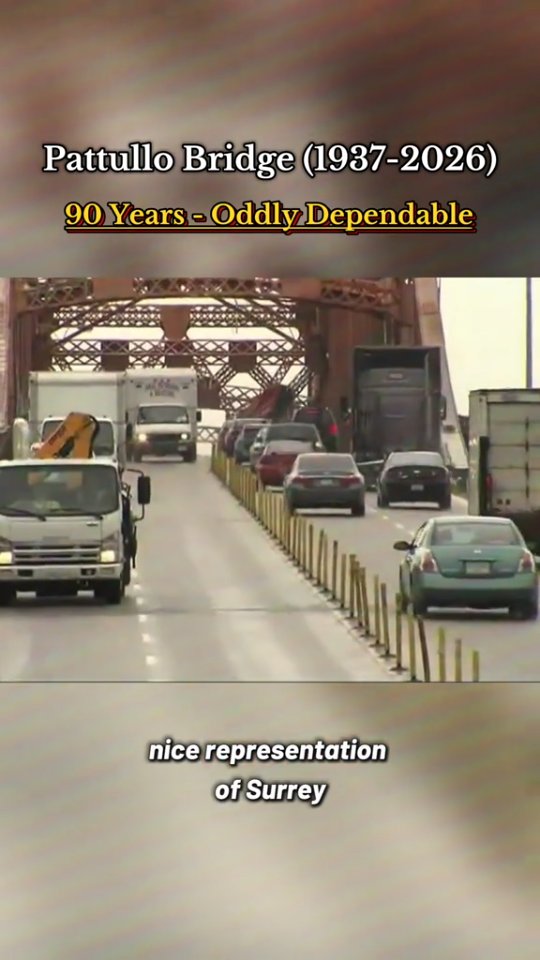 103.7K7.5×Satirical tribute to local landmark@uncouver_ · Nostalgia Highlight
 213.3K17.6×Visual story of skyline change@nycferry · Evolution Showcase
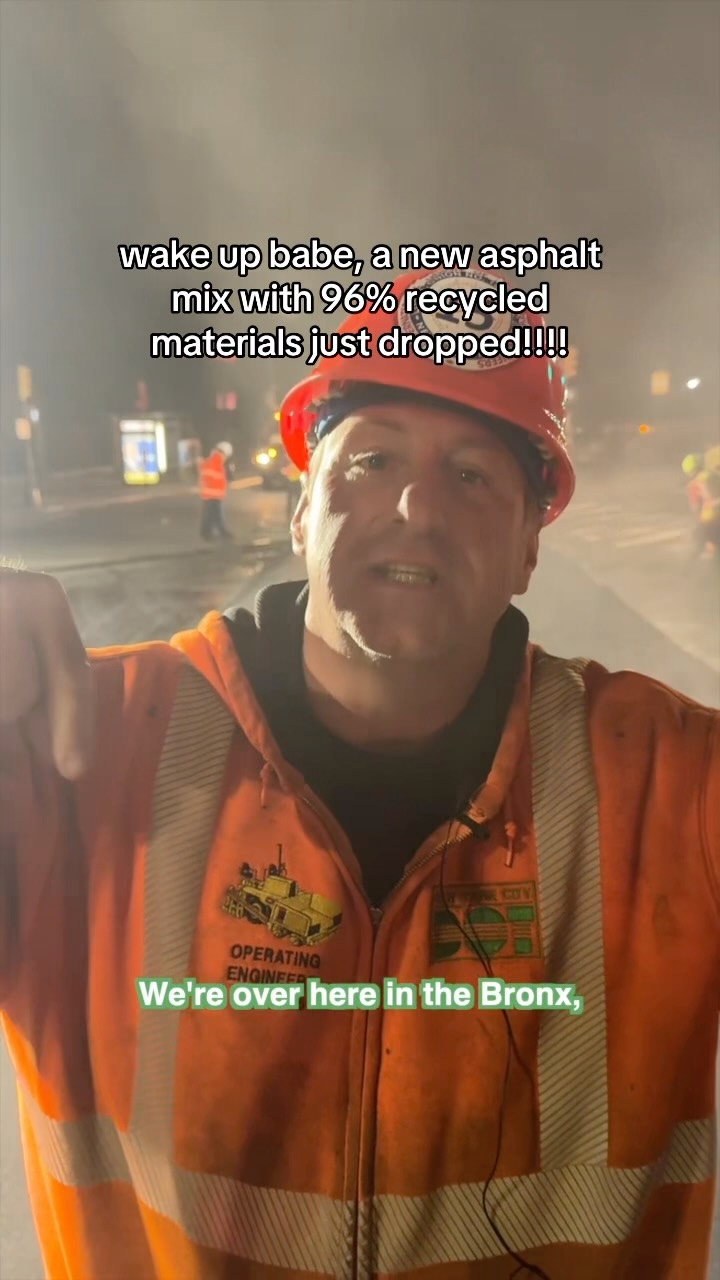 138.9K9.5×Showcasing new recycled asphalt paving@nyc_dot · Process
[04]
[05]
What stops the scroll in the first 3 seconds
Verbal hook · 20%
I'm standing under the Brooklyn Queens Expressway.
Visual hook · 80%
A fast-paced, low-angle dynamic shot of a large pink semi-truck driving under the dark, imposing concrete structure of an overpass, creating a sense of scale and motion.
[06]
Steal this for your own video
Film yourself standing beneath or inside from a low angle to make dwarf you and convey overwhelming scale.
[07]
The promise the opener makes, and how the video pays it back
Hook
A fast-paced, kinetic visual of the subject, immediately followed by an on-location presenter who grounds the viewer in the physical reality of the problem.
Payoff
The payoff is the establishment of the presenter/organization as the one finally taking decisive action on a problem that has been clearly and powerfully defined, leaving the viewer with a sense of impending resolution and trust in the proposed leadership.
[08]
The structural pattern this video runs on
Framework
The Legacy Problem Blueprint
To build support for a new solution by first establishing the urgency of a long-standing problem, tracing its historical origins, and using data to prove its escalation beyond the original intent.
The On-Site Problem Statement
The presenter clearly defines a tangible, long-standing problem and its immediate negative consequences, establishing the stakes from the outset.
The Urgency Declaration
A statement that creates a ticking clock, framing continued inaction as an unacceptable and growing risk.
The Metaphorical Punctuation
A physical action that visualizes a core concept (e.g., 'ending procrastination'), making the narrative's thesis tangible and memorable.
The Solution Tease
A brief mention of a forthcoming solution, creating a forward-looking hook that promises a resolution and gives the audience a reason to stay invested.
The Historical Pivot
A deliberate narrative turn to explore the origin story of the problem, building context and suspense before revealing the full solution.
The Origin Story & Antagonist
Introduction of the original creator or historical decision-maker, framing the current issue as a legacy problem with deep, often flawed, roots.
The Data-Driven Escalation
A clear, simple data visualization that quantifies the problem's growth over time, providing undeniable proof that the situation has exceeded its original design or intent.
The Declaration of Change
A concluding statement that contrasts past inaction with the new, decisive approach, reinforcing the core message of change and positioning the presenter as the agent of that change.
We’re done kicking the can down the road. Here’s how we’re fixing the city-owned section of the BQE.
informational · beginning
It's nearly 70 years old.
informational · beginning
And it's long past its shelf life.
informational · middle
The BQE was built by New York's most famous, or infamous, urban planner, Robert Moses.
informational · middle
it was only designed to handle around 50,000 car trips a day, and last for 50 years.
title · end
Number of Daily Vehicle Trips
informational · end
with more than 130,000 vehicles driving on it daily, including 13,000 heavy trucks.
We're standing under the Brooklyn Queens Expressway. It's nearly 70 years old and it's long past its shelf life. While it's still safe to drive on for now, we can't wait any longer. We're done kicking the can down the road. That's why we're announcing a plan to repair the city owned section of the BQE no as BQE Central. Before we talk about how we're fixing the BQE, let's talk about how we got here. The BQE was built by New York's most famous or infamous urban planner, Robert Moses. It was part of his grand vision of building highways across New York Tier for a population that more and more wanted to drive their own cars. But Robert Moses is another video entirely. When he finished the BQE Central in 1954, it was only designed to handle around 50,000 car trips a day and best for fifty years. But here we are, seventy years better, with more than a 130,000 vehicles driving on it daily, including 13,000 heavy trucks. You do the math. This isn't a new problem. For decades, prior administrations have been try