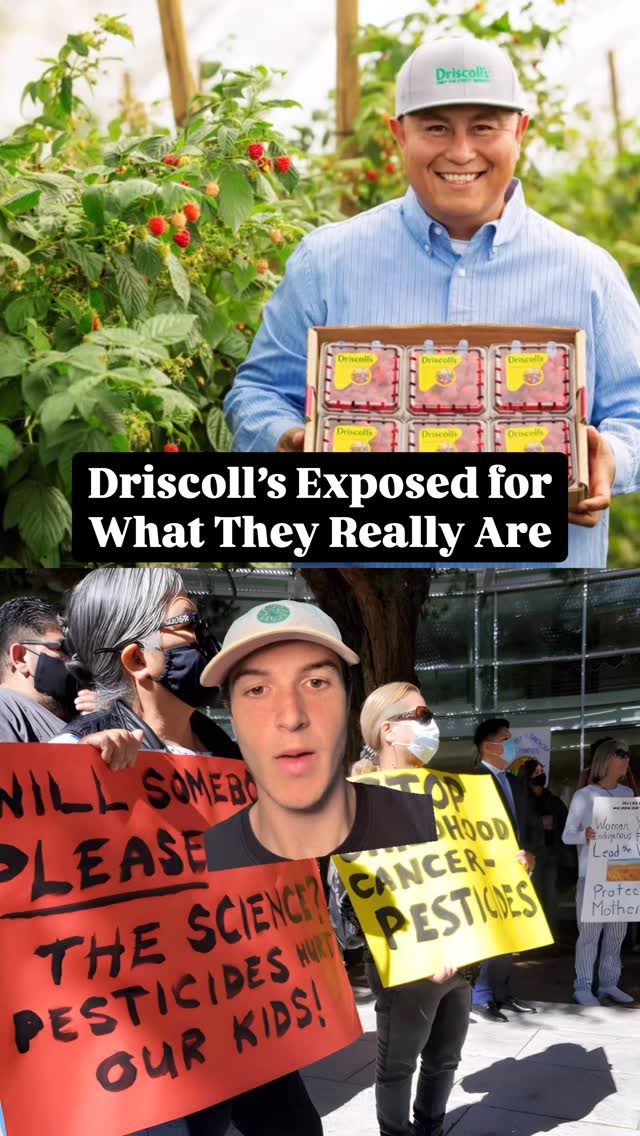
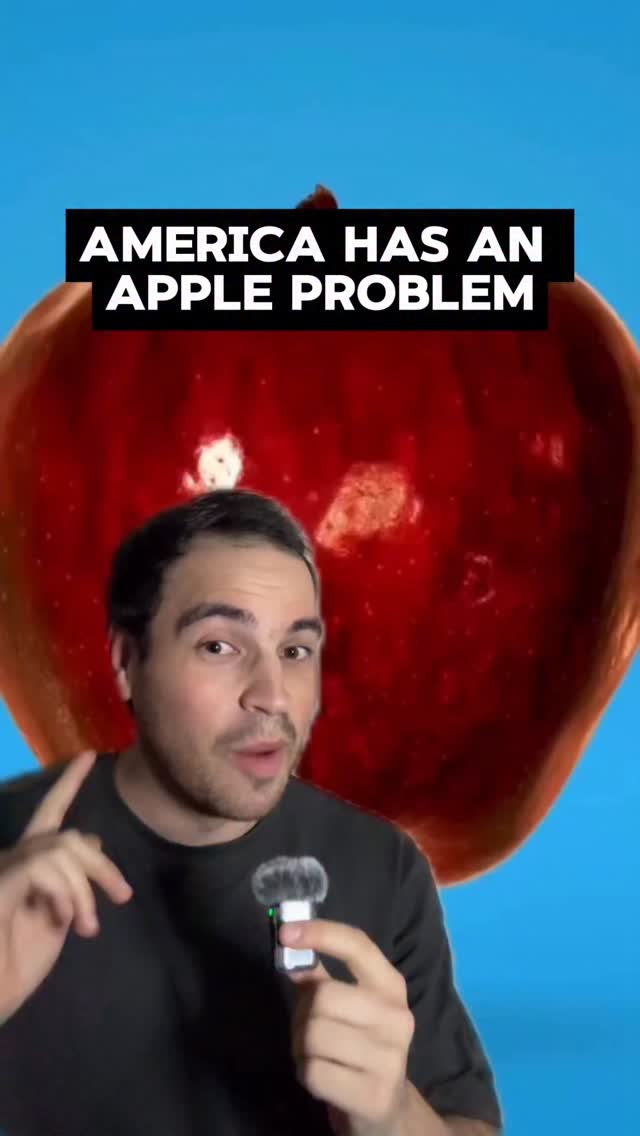
@zephzoid I wish this was fake but residents near Driscoll’s berry farms report a 38% higher incidence of childhood cancer.
Santa Cruz County is the heart of California’s $3B strawberry industry and home to Driscoll’s world headquarters.
Coincidentally, it also has the second-highest childhood cancer rate of any county in California.
At 22.5 childhood cancers per 100,000 children, the rate is more than 38% above the statewide average of 16.3.
Over 5,060 acres of pesticides linked to those same cancers are sprayed in the Pajaro Valley every year to grow 40% of California’s strawberries.
Worst of all, it’s often next to schools and homes where children spend most of their time.
According to the latest data, over 2,000,000 pounds of pesticides were applied just in this school district’s area alone.
Driscoll’s is reported to apply two together:
1. 1,3-D: fumigant used to sterilize the soil, officially listed by the state as a carcinogen, causes tumors in multiple animal studies
2. Chloropicrin: originally deployed as a chemical weapon in World War I, so toxic that it kills or disables test animals before scientists can even evaluate its long-term carcinogenicity
But yeah it’s probably just a coincidence all the kids are getting cancer?
This is why you need to be buying local and seasonal fruit.
Do not trust major corporations to do the right thing for our food or health.
The creator makes a case against the berry company Driscoll's by presenting a sequence of statistics, news clippings, and claims about pesticide use. He links the company's agricultural practices in Santa Cruz County to what he reports as the second-highest childhood cancer rate in California, identifies specific toxic chemicals used, and concludes by urging viewers to distrust large corporations and use an app to find local food producers.
I wish this was fake, but residents near America's most popular berry farms report a thirty eight percent higher incidence of childhood cancer.
Visual hook · 10%
A split-screen image showing a smiling corporate representative holding berries on top, contrasted with a protest scene with signs about pesticides and cancer on the bottom.
[06]
Hook template
Steal this for your own video
I wish this was fake, but [audience type] near [corporate entity]'s [operation type] report a [specific statistic] higher rate of [alarming outcome].
— I wish this was fake, but families near America's largest chicken processing plants report a 41 percent higher rate of respiratory illness in their children.
— I wish this was fake, but residents near the country's biggest lithium mining sites report a 29 percent higher incidence of neurological disorders.
— I wish this was fake, but workers near major fast fashion dye facilities report a 52 percent higher rate of skin and liver disease.
[07]
Hook and payoff
The promise the opener makes, and how the video pays it back
Hook
Presents a shocking, emotionally-charged statistic that links a familiar entity or product to a deeply feared negative outcome, creating immediate intrigue and concern.
Payoff
Delivers a broad, moral imperative as the final takeaway, empowering the viewer with a clear principle and a call to change their behavior.
[08]
Narrative framework
The structural pattern this video runs on
Framework
The Investigative Takedown
To expose a perceived wrongdoing by a powerful entity by building a compelling, evidence-based case that culminates in a shocking reveal and an empowering call to action.
1
The Geographic Indictment
Establishes the key players and the physical location of the problem, creating a strong circumstantial link between the target entity and the negative outcome, often using sarcastic framing like 'coincidentally'.
2
The Statistical Proof
Substantiates the initial claim with hard data and specific numbers, adding a layer of credibility and moving the argument from anecdotal to factual.
3
The Causal Mechanism
Introduces the 'how'—the specific action or substance causing the problem—and connects it directly to a vulnerable population to heighten the emotional stakes.
4
The Scale of the Threat
Quantifies the causal mechanism with a massive, almost incomprehensible number to emphasize the overwhelming scope and severity of the issue.
5
The Smoking Gun Reveal
Delivers the most damning piece of evidence, often with a shocking historical or scientific context, to definitively frame the entity's actions as malicious or negligent.
6
The Rhetorical Conclusion
Summarizes the argument with a sarcastic or leading question that frames the conclusion as self-evident and positions anyone who disagrees as naive.
7
The Personal Pivot & Solution
Transitions from problem to solution by sharing the creator's personal journey, which introduces a tangible, accessible alternative and builds trust.
Themes
Corporate accountability
Public health
Environmental justice
Food sourcing
Techniques
Juxtaposition
Statistical evidence
Emotional appeal
Call to action
Trends
Corporate exposé
Activist content
Post caption
I wish this was fake but residents near Driscoll’s berry farms report a 38% higher incidence of childhood cancer.
Santa Cruz County is the heart of California’s $3B strawberry industry and home to Driscoll’s world headquarters.
Coincidentally, it also has the second-highest childhood cancer rate of any county in California.
At 22.5 childhood cancers per 100,000 children, the rate is more than 38% above the statewide average of 16.3.
Over 5,060 acres of pesticides linked to those same cancers are sprayed in the Pajaro Valley every year to grow 40% of California’s strawberries.
Worst of all, it’s often next to schools and homes where children spend most of their time.
According to the latest data, over 2,000,000 pounds of pesticides were applied just in this school district’s area alone.
Driscoll’s is reported to apply two together:
1. 1,3-D: fumigant used to sterilize the soil, officially listed by the state as a carcinogen, causes tumors in multiple animal studies
2. Chloropicrin: originally deployed as a chemical weapon in World War I, so toxic that it kills or disables test animals before scientists can even evaluate its long-term carcinogenicity
But yeah it’s probably just a coincidence all the kids are getting cancer?
This is why you need to be buying local and seasonal fruit.
Do not trust major corporations to do the right thing for our food or health.
Text overlays
title · throughout
Driscoll's Exposed for What They Really Are
contextual · beginning
I wish this was fake,
informational · beginning
residents near America's most popular berry farms report a 38% higher incidence of childhood cancer
informational · beginning
Santa Cruz County is the heart of California's $3 billion strawberry industry and home to Driscoll's world headquarters
informational · beginning
And coincidentally, it also has the second highest childhood cancer rate of any county in California
informational · middle
At 22.5 childhood cancers per 100,000 children, the rate is more than 38% above the statewide average of 16
informational · middle
Over 5,000 acres of pesticides linked to those same cancers are sprayed in the Pajaro Valley every year to grow 40% of California's strawberries
contextual · middle
And worst of all, it's often next to schools and homes where children spend most of their time
informational · middle
And according to the latest data, over 2 million pounds of pesticides were applied in just this school district's area alone
informational · middle
Many speculate the toxicity is so high because Driscoll's reportedly applies two different pesticides together
contextual · end
And then we wonder why all the kids are getting cancer
contextual · end
I used to not think twice about grocery store brands, but ever since I found local and seasonal fruit growers on Localize, I have never looked back
call-to-action · end
Do not trust major corporations to do the right thing
Transcript
I wish this was fake, but residents near America's most popular berry farms report a thirty eight percent higher incidence of childhood cancer. Santa Cruz County is the heart of California's $3,000,000,000 strawberry industry, and home to Driscoll's worse headquarters. Rank coincidentally, it also has the second highest childhood cancer rate of any county in California. At twenty two point five childhood cancers per 100,000 children, the rate is more than thirty eight percent above the statewide average of sixteen. Over 5,000 acres of pesticides linked to those same cancers are sprayed in the Pajaro Valley every year to grow 40% of California's strawberry. And worst of all, it's often next to schools and homes where children spend most of their time, and according to the latest data, over 2,000,000 pounds of pesticides were applied in just this school district's area alone. Many speculate the toxicity is so high because Driscoll's reportedly applies two different pesticides together. One of them is officially listed by the state as a carcinogen, and the other was originally deployed as a chemical weapon in World War I, and it's so toxic that it kills or disables test animals before scientists can even test it long term. And then we wonder why all the kids are getting cancer I used to not think twice about grocery store brands Best ever since I found local and seasonal fruit growers on localized I have never looked back do not trust major corporations to do the right thing