@thepocketpodcast
Instagram · Clip
@thepocketpodcast Your talents are rotting away Comment “Smoak” for the full podcast

@thepocketpodcast
Instagram · Clip
@thepocketpodcast Your talents are rotting away Comment “Smoak” for the full podcast
Performance
Video #28172 · Clip
[01]
The speaker delivers an intense monologue, accusing the viewer of being selfish for not sharing their unique gifts with the world. He reframes inaction and fear of failure as a sin that deprives others of something they need. He challenges the viewer to shift their perspective from self-centered concerns to focusing on the positive impact they could have on millions of people, arguing this change in mindset is the key to overcoming anxiety and taking action.
[02]
[03]
 196.7K7.5×Tough love motivational rant@higherupwellness · Motivational Mantra
 479.7K30.4×Intense motivational direct-to-camera speech@austingeorgas · Motivational Mantra
 186.4KDirect to camera motivational speech@jarrodmckenna__ · Motivational Mantra
 510.3KMotivational talk over static background@nedwagner · Motivational Mantra
 155K1.6×Motivational advice with cinematic B-roll@therealdanielpark · Anecdotal Philosophy
 1.2MDirect motivational talk about identity@tysonnek · Motivational Mantra
 8.5MMoody outdoor mindset advice monologue@tonito.rt · Motivational Mantra
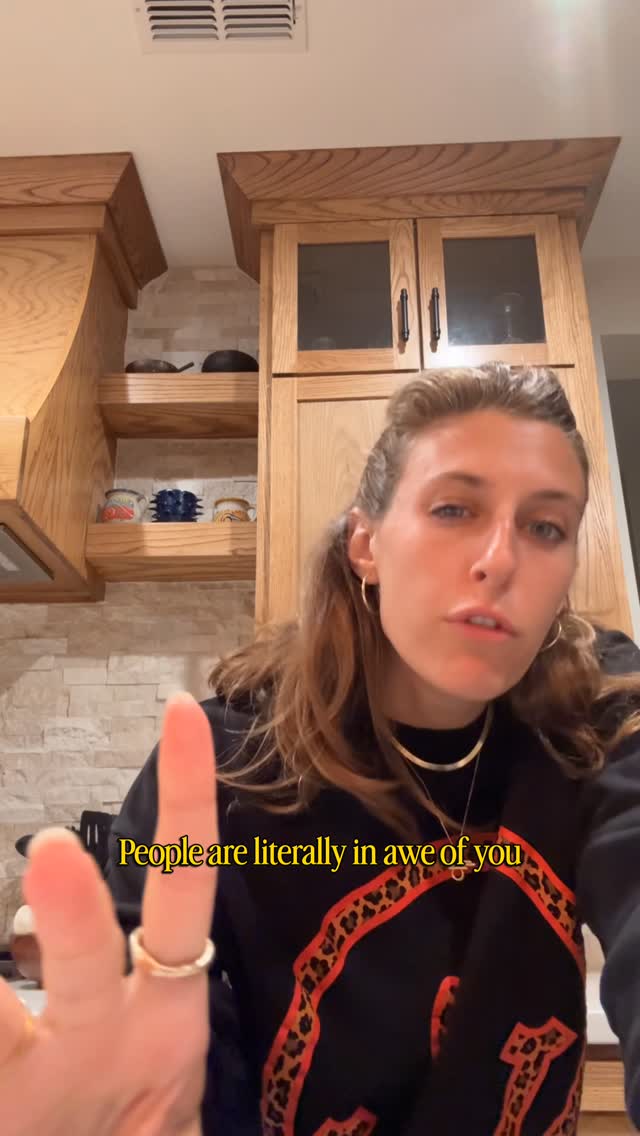 426.9K14.6×Direct talk on self-awe@bellasolanot · Vulnerable Monologue
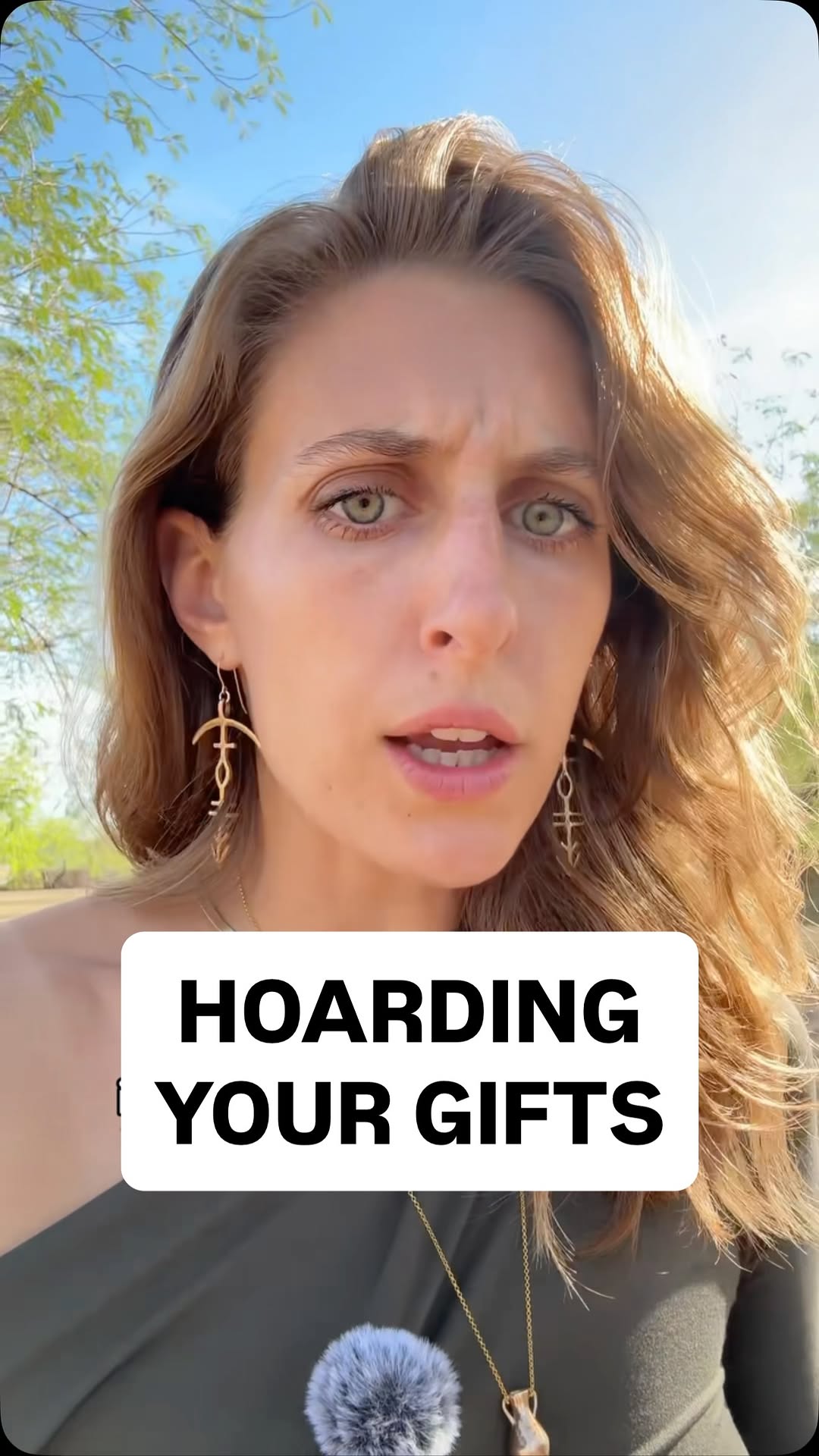 113.5K3.4×Passionate monologue reframing humility@bellasolanot · Motivational Mantra
 568.8K49.5×Motivational speech over scenic B-roll@michelleylens · Motivational Mantra
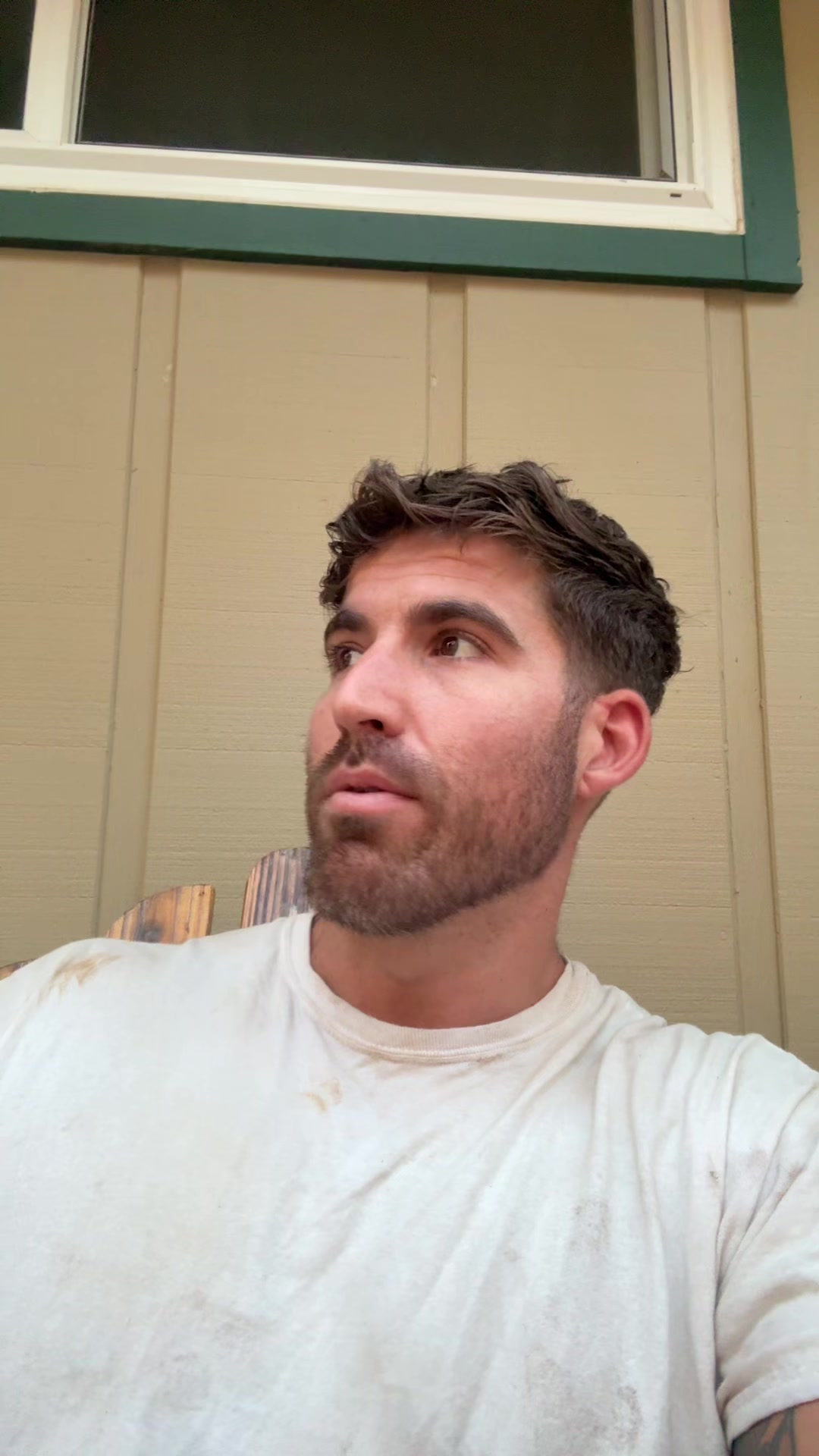 624.3KCreator reframes weed-induced paranoia as useful self-reflection@bradley.thor · Anecdotal Philosophy
 236.6K1.1×Raw advice on overcoming fear@higherupwellness · Direct Advice Q&A
[04]
[05]
What stops the scroll in the first 3 seconds
Title hook · 45%
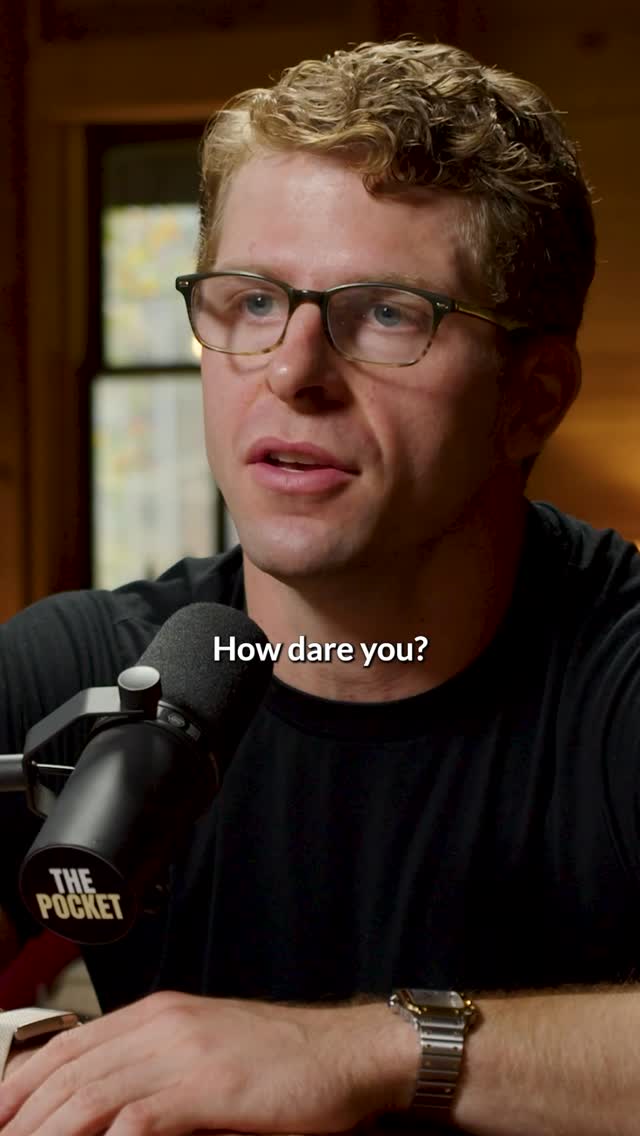
How dare you?
Verbal hook · 50%
How dare you?
Visual hook · 5%
A medium close-up of the speaker with an intense, serious facial expression, looking directly into the camera in a professionally lit setting with a podcast microphone.
[07]
The promise the opener makes, and how the video pays it back
Hook
A direct, confrontational accusation that challenges the viewer's self-perception and forces them to justify their inaction.
Payoff
Provide a clear, actionable mindset shift as the solution. This involves replacing a self-centered question ('What's in it for me?') with a service-oriented one ('How can I help others?'), offering a path to redemption.
[08]
The structural pattern this video runs on
Framework
The Moral Mandate
To motivate action by reframing a common personal struggle (like fear of failure or procrastination) as a selfish act that harms others, and then offering a selfless, service-oriented mindset as the solution.
The Latent Potential Accusation
State that the viewer possesses an unrealized gift or potential they are failing to use, creating a sense of squandered opportunity.
The Social Deprivation Frame
Reframe their inaction not as a personal failing, but as an act of depriving others who need what they have to offer, shifting the focus from self to social responsibility.
The Moral Justification
Anchor the argument in a higher principle (a moral law, a spiritual belief, a universal truth) to define inaction as an objective wrong, adding significant weight to the accusation.
The Ego's Counterargument
Articulate the viewer's internal, self-focused fears and objections (e.g., 'What if I fail? What will people think?'), demonstrating an understanding of their mindset.
The Altruistic Reframe
Immediately pivot from the self-focused fears to the massive potential positive impact on others, making the personal fears seem insignificant by comparison.
The Root Cause Diagnosis
Explicitly label the viewer's fears and inaction as a symptom of a single, undesirable trait (e.g., selfishness, ego), providing a simple and powerful diagnosis.
Your talents are rotting away Comment “Smoak” for the full podcast
contextual · beginning
How dare you?
contextual · beginning
You selfish b*stard!
contextual · middle
What if I fail?
contextual · end
what do I want for the world?
How dare you? You selfish bastard. You have a gift that you're sitting on. You don't know what it is yet because you haven't started creating. You can't identify it. Someone needs what you have and you're just depriving them. You could change somebody's life. You're supposed to change somebody's life and you're not doing it. How dare you? If a man knows the good he ought to do and doesn't do it, it is sin for him. So many people have these things on their heart that they don't act on, but it is literally a sin. You are depriving the world of something they need from you. What about me? What if I fail? What if I look like an idiot? What about everybody else? What if you become the biggest content creator in the world? What about the millions of people that are gonna hear your message that you're going to empower, that you're now withholding that message from? How dare you? It's disgusting behavior. A lot of the lack of action and urgency and anxiety and negative self talk is all rooted in selfish desire. All of it. And if you can stop saying, what do I want from the worse? Instead, say, what do I want for the world? And take yourself completely out of the equation, you can make those decisions more swiftly.