The creator breaks down the Australian homewares market into three distinct price brackets: low-end (<$50), high-end (>$300), and a problematic mid-range ($80-$200). She critiques the quality and value proposition of each tier, identifies the mid-range as a significant market gap, explains the business challenges that cause this gap, and concludes by introducing her own brand as the solution, showcasing her design process.
Post caption
Mid-range Australian homewares is mediocre at best. Unfortunately most brands in the $80–$200 bracket are charging "premium" prices for the designs from a mass-produced catalogue.
The standards that are being set in this industry is waaaay too low so I'm building the middle the market actually deserves.
Transcript
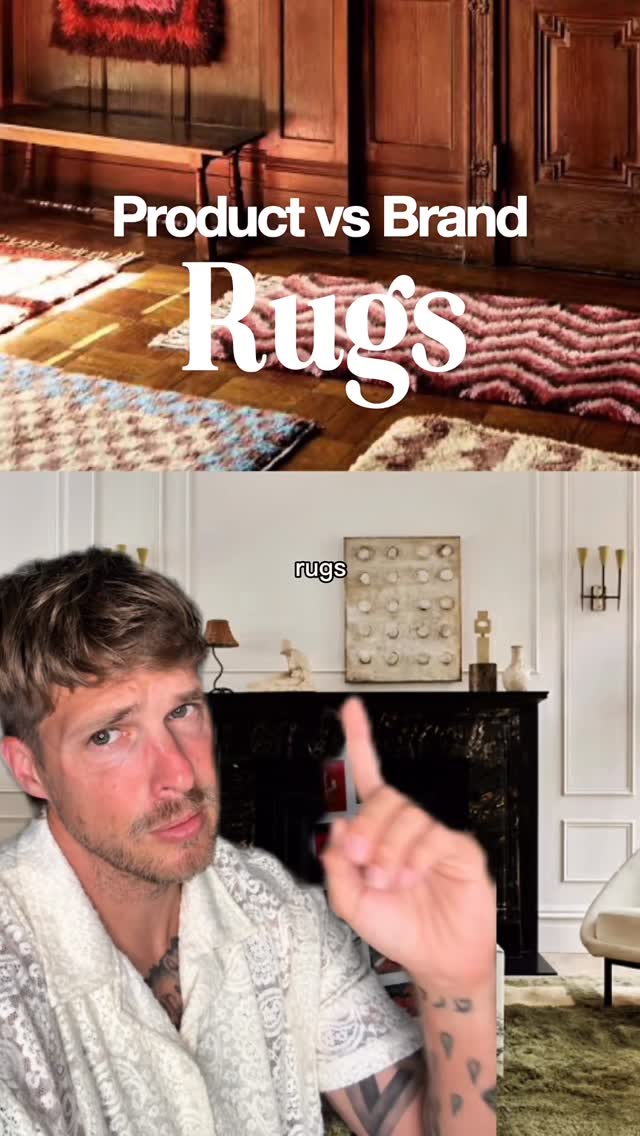
A gap in Australian homewares nobody is filling, and I'm going to tell you exactly what that looks like right now. You've got bracket number one under $50 These exist for their own scale. Everything is mass produced, and I'm talking tens of thousands of units, Disposable, forgettable, and quite rank, not designed to last pass your next move. Oh, you know them very well. Kmart, Good W, Target, Tier. I'll include that because a lot of people buy from Himu. And then you've got bracket number two, over $300. These are real, very beautiful designs, real craftsmanship, but price for someone with a thousand dollar budget, and most of us are not at that price point. These are brands like, hey, dinosaur designs and tradition. And then you've got bracket three, the middle. 80 to $200. Basically, no genuine brands exist here tier my opinion. This is why most people I know actually try to shop where you should be able to find more considered objects that aren't disposable. Brands here are better, unfortunately, chasing the k mart aesthetic at a very high price, reselling the same factory catalog products with a slapped on logo or, like, a different colorway that no one's seen before best because they use the same design with, like, a different color. The whole model around this is incredibly broken. I know for a fact that nobody is filling this middle gap because the math here is too hard. The margins are tight. There's no prestige because designing your own products is really, really slow. It's really expensive. This is why I'm designing my own rank. This is why Alio exists because I know your home deserves worse. And by stepping up to challenge the industry, I know more brands will start doing the same.