@kolbykirschner
Instagram · Greenscreen Talking Head
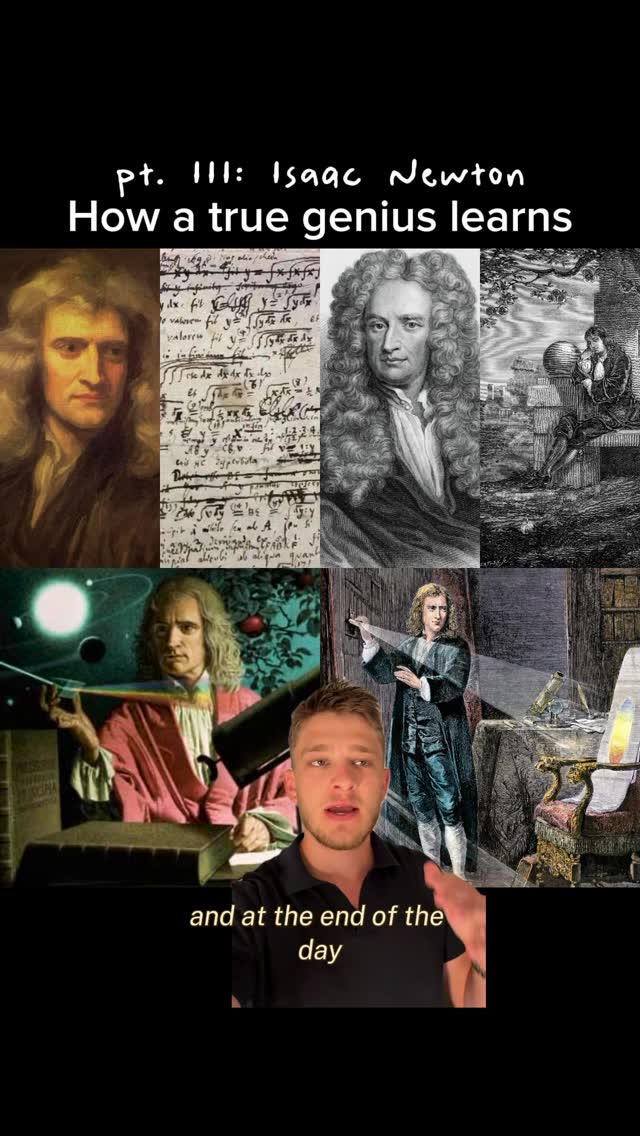
@kolbykirschner Pt. III of the Genius Learns series. Today is Sir Isaac Newton. The man who discovered how the universe worked. #learning #education #genius #success #business

@kolbykirschner
Instagram · Greenscreen Talking Head
@kolbykirschner Pt. III of the Genius Learns series. Today is Sir Isaac Newton. The man who discovered how the universe worked. #learning #education #genius #success #business
Performance
Video #29670 · Greenscreen Talking Head
[01]
The creator argues that modern learning methods are flawed due to constant multitasking and distraction. He presents Isaac Newton as a case study for a superior approach, detailing Newton's method of obsessive, single-task focus on one problem for extended periods. The creator explains how this deep work led to monumental breakthroughs and provides an actionable plan for viewers to adopt this strategy by dedicating 2-4 hours of uninterrupted focus to a single question each day.
[02]
[03]
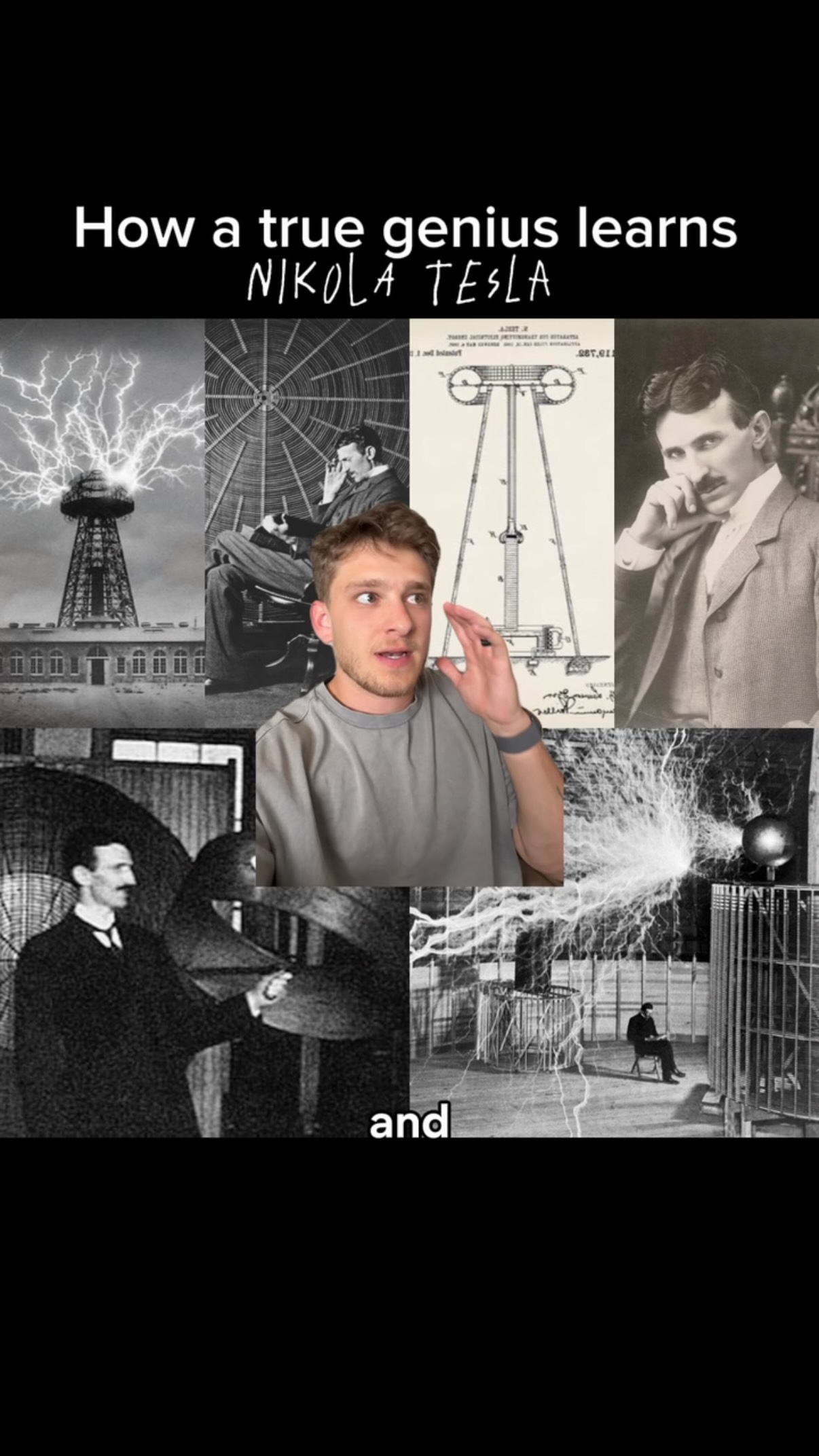 502.9K94.6×Explains Tesla's creative thinking method@kolbykirschner · Case Study Breakdown
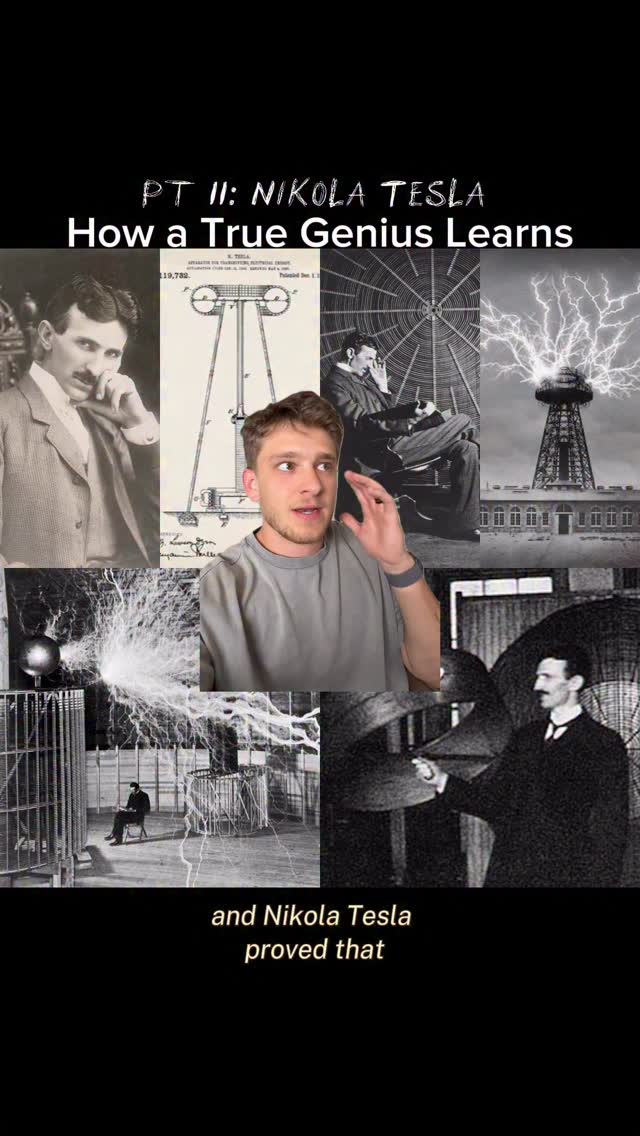 957.4K22.7×Explaining Tesla's genius learning method@kolbykirschner · Case Study Breakdown
 124.1K3×Historical figures' secret learning habit@kolbykirschner · Breakdown
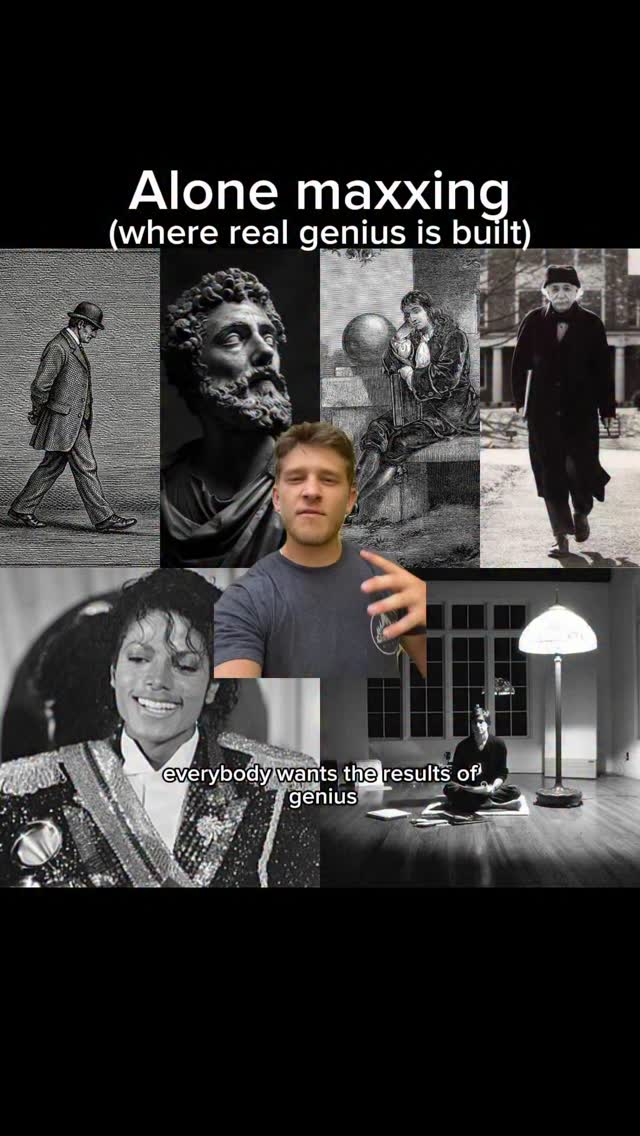 652.4K16.2×Solitude is where genius is built@kolbykirschner · Motivational Mantra
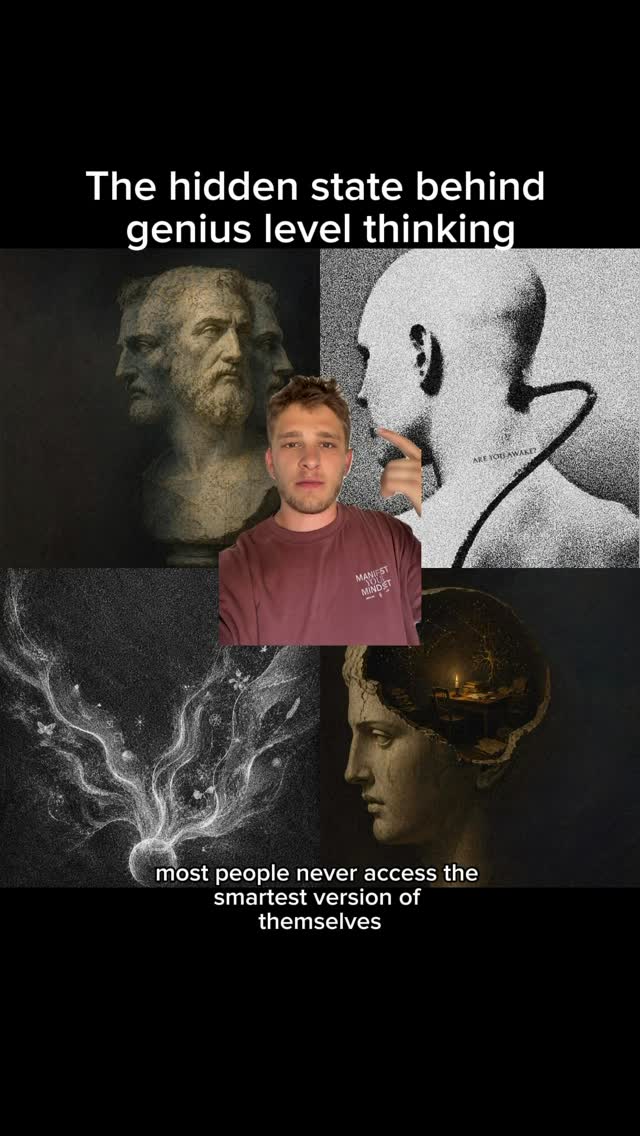 315.3K8.6×Explaining the genius mental state@kolbykirschner · Breakdown
 213.1K6.3×Explains brain hack for creativity@fakeplasticbrands · Tutorial / How To
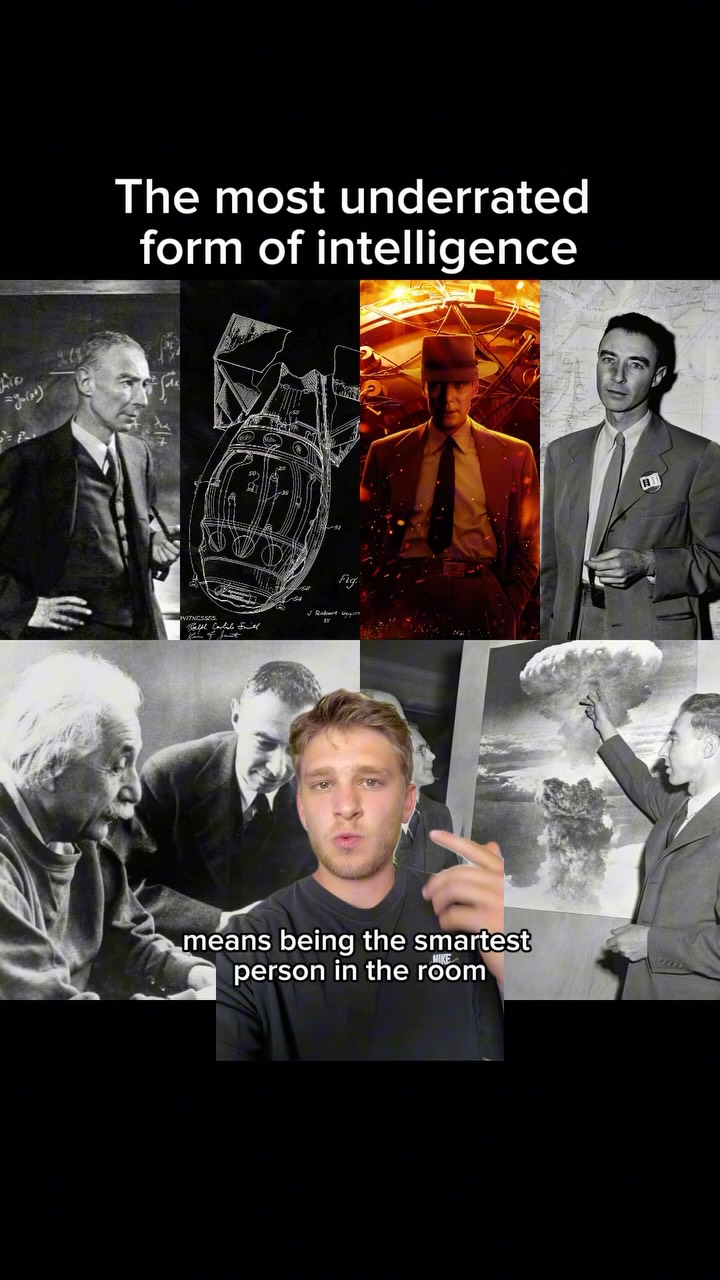 132.5K60×Historical figures' secret intelligence skill@kolbykirschner · Opportunity Explainer
 492.1K3.3×Productivity systems are just procrastination@wacomo · Anecdotal Philosophy
 191.9K6.4×Mindset advice with illustrative overlays@coachkyle · Breakdown
 341K8×Explaining why human nature matters@kolbykirschner · Opportunity Explainer
 266.8K11.2×Philosophical take on creative solitude@kolbykirschner · Anecdotal Philosophy
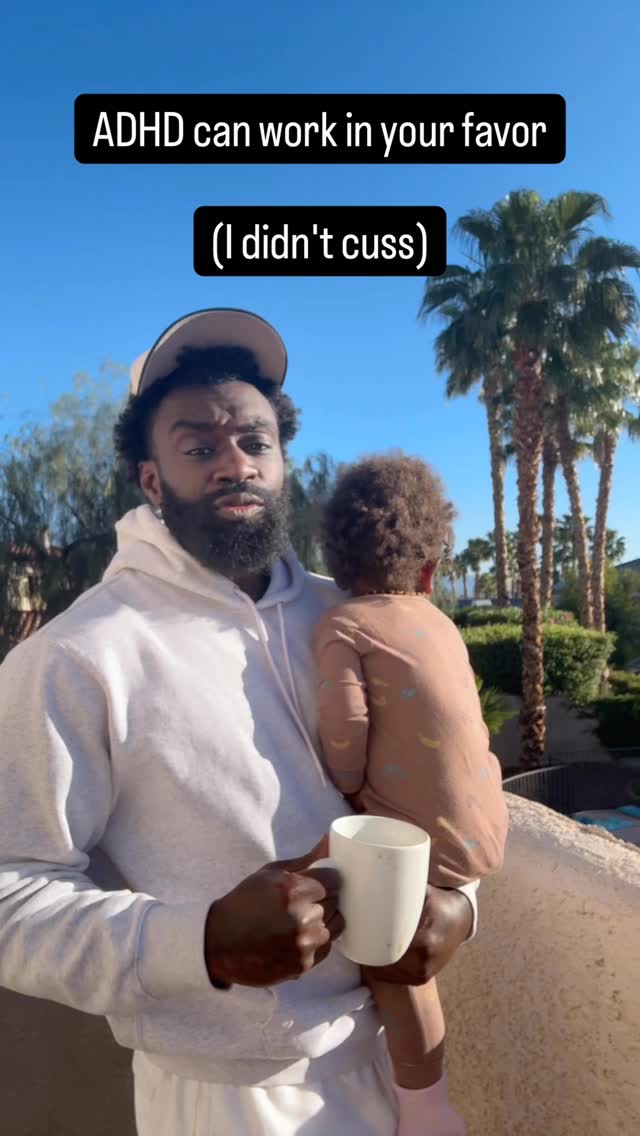 2.2M55.4×Rapid fire list of ADHD insights@devin.the.one · Rapid Fire Listicle
[04]
[05]
What stops the scroll in the first 3 seconds
Title hook · 25%
pt. III: Isaac Newton How a true genius learns
Verbal hook · 65%
The way you've been taught to learn is completely backwards, and Isaac Newton proved that.
Visual hook · 10%
A four-panel collage of historical images of Isaac Newton (portraits, manuscripts) with the creator speaking in a small window at the bottom.
[06]
Steal this for your own video
The way you’ve been taught to is completely backwards—and proved it.
[07]
The promise the opener makes, and how the video pays it back
Hook
A provocative, counter-intuitive statement that invalidates a universally held belief or common practice, immediately creating a knowledge gap and compelling the viewer to learn the 'correct' way.
Payoff
The Actionable Blueprint
[08]
The structural pattern this video runs on
Framework
The Genius Antithesis
To deconstruct a common, flawed behavior by contrasting it with the superior, focused method of a historical genius, and then providing an actionable blueprint for the viewer to adopt the genius's method.
The Relatable Problem & The Superior Alternative
First, describe the negative consequences of the common practice in a highly relatable way (e.g., multitasking, feeling unproductive). Then, introduce a revered authority figure (a 'genius') who succeeded by doing the exact opposite, establishing a clear binary of failure vs. success and making a bold promise of the results.
The Legendary Case Study
Provide a concise, powerful story that illustrates how the authority figure used their alternative method to achieve extraordinary results. This serves as undeniable proof of the method's efficacy and distills their complex success into a single, memorable principle (e.g., 'obsessive single task focus').
The Viewer Absolution
Reframe the viewer's failure not as a personal flaw ('laziness') but as a result of systemic conditioning ('you've been trained to think shallow'). This absolves them of blame, validates their struggle, and empowers them to change by presenting the problem as an external force to be overcome.
Pt. III of the Genius Learns series. Today is Sir Isaac Newton. The man who discovered how the universe worked. #learning #education #genius #success #business
title · beginning
pt. III: Isaac Newton How a true genius learns
contextual · middle
The fortress of solitude
branding · middle
Ellevonshot
informational · end
Flow [Flo] Noun That magically effortless state where everything just *happens* to go right, except for that one tiny detail that ruins everything.
Way you've been taught to learn is completely backwards, and Isaac Newton proved that. You sit down to work, check your phone, switch tasks five tier, and at the end of the day, you feel like you've got nothing done. Jumping from task to rank, but never going deep enough to actually make real progress. But true geniuses don't learn like that. Newton used a completely different method, and if you use it, you'll outperform 99% of people in half the time. Welcome to how a true genius learns, a series where we steal the strategies from history's greatest minds. Today is Isaac Newton. Modern world we live in is built for distraction. In school, you focus for an hour, maybe two, then you switch to a different subject. At work, you're constantly bouncing between different rank. But this is the exact opposite of how Newton operated. Newton asked himself a question to help us understand the entire worse, and that was, why does an apple fall? And to answer this question, he literally invented new branches of mathematics and physics. No, yeah, maybe we should pay attention to how we learned. What made Newton different was obsessive single task focus. He would build what I call a fortress of solitude. He'd work for sixteen no eighteen hours straight on a single problem. No distractions, sometimes even skipping meals and barely sleeping. No multitasking, no switching, just one question until it broke. So if you feel like you're working all day better you're getting nowhere, it's not that you're lazy, but it's because you've been trained to think shallow. But if you wanna think how how Newton did, start with this. Per day when you wake up, pick one big question, one thing that you want to work on solving that day. Not 10 things, one. Rank out two to four hours, no phones, no switching tasks, no distractions, go all in. But when you get stuck, do not switch tasks. It will feel uncomfortable, but sit with the discomfort because that is exactly where breakthroughs happen that most people do not have. People who change the world don't do more things like you've been told, but they go deeper on few.