@kolbykirschner
Instagram · Talking Head Edit
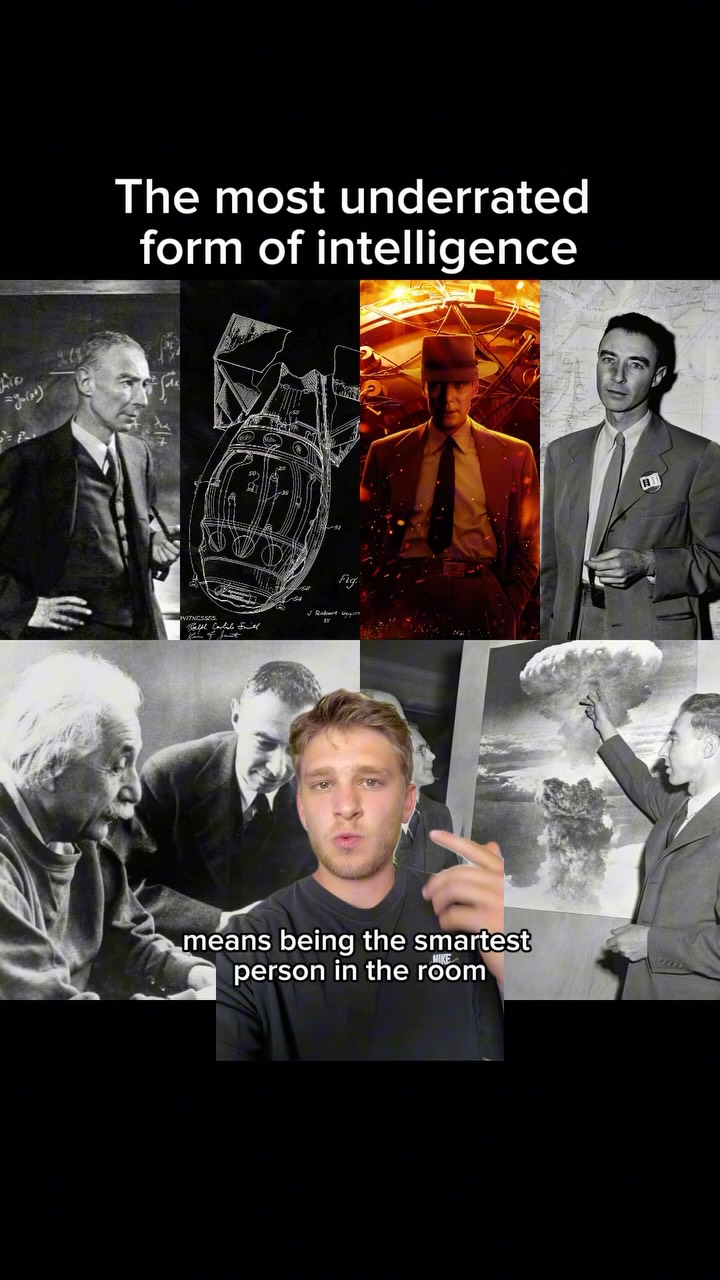
@kolbykirschner The most intelligent form of uncommon sense that most people don’t have

@kolbykirschner
Instagram · Talking Head Edit
@kolbykirschner The most intelligent form of uncommon sense that most people don’t have
Performance
Video #41251 · Talking Head Edit
[01]
The creator challenges the conventional definition of genius, arguing it's not about being the smartest person. He uses historical figures like J. Robert Oppenheimer, Steve Jobs, and Benjamin Franklin as case studies to illustrate a more crucial skill: the ability to connect people and ideas, coordinate complex projects, and position oneself at the center of where important things happen. The video concludes with advice for viewers to adopt this mindset of being a connector rather than trying to know everything.
[02]
[03]
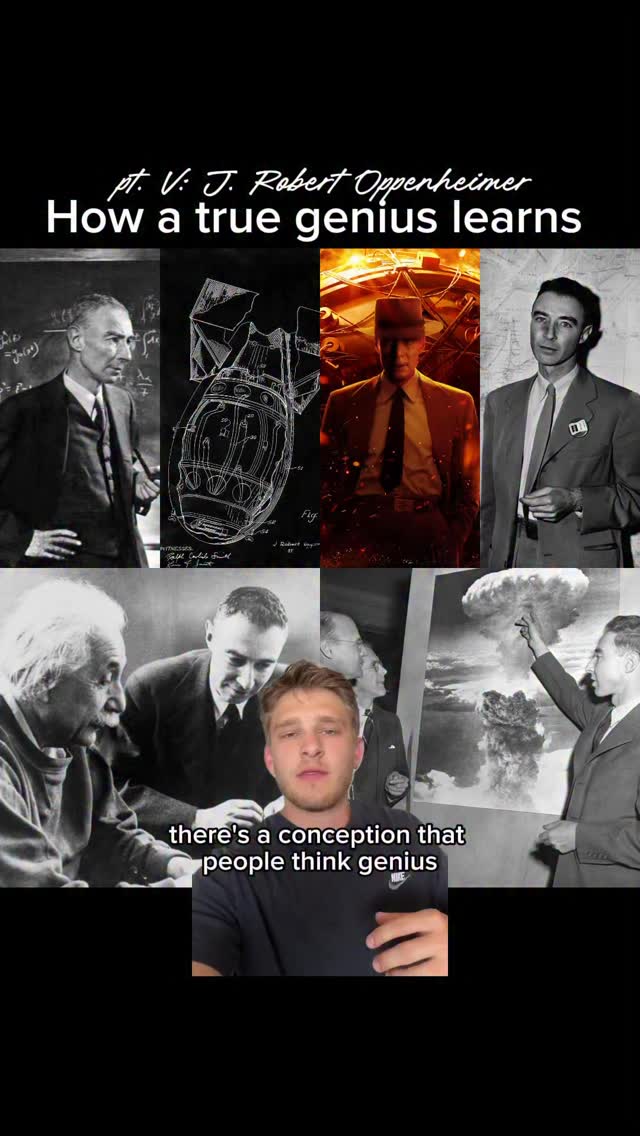 270.5K7.3×Redefining genius with historical examples@kolbykirschner · Case Study Breakdown
 3.5M150.8×Passionate monologue reframing genius concept@bellasolanot · Motivational Mantra
 591.4K16×Philosophical argument with historical examples@kolbykirschner · Breakdown
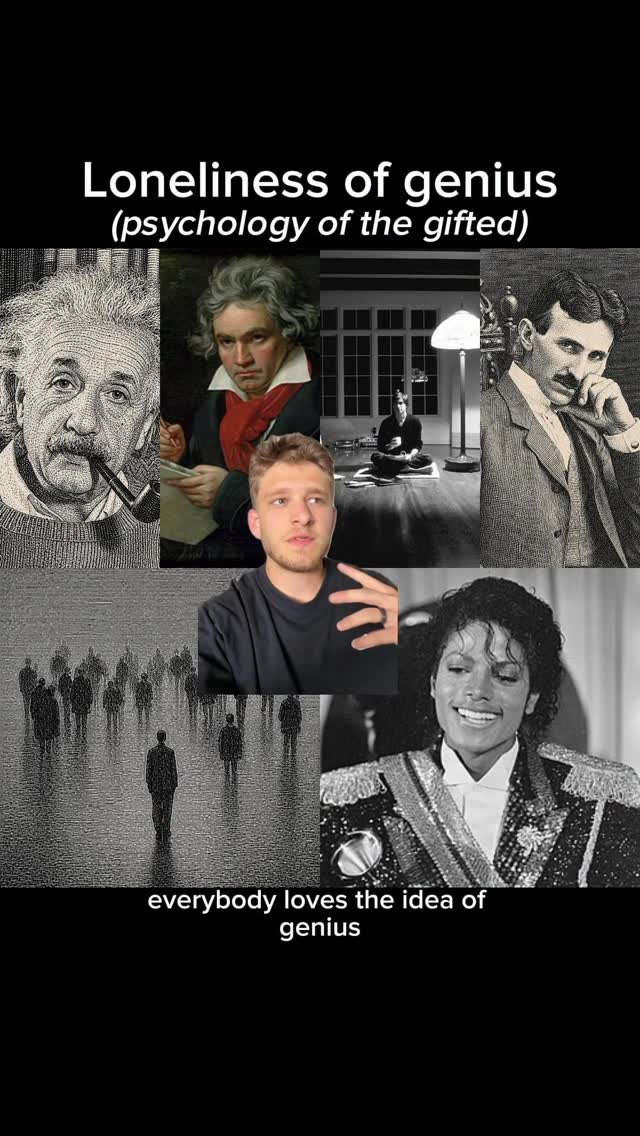 919.4K11.6×Explaining the loneliness of genius@kolbykirschner · Motivational Mantra
 652.4K16.2×Solitude is where genius is built@kolbykirschner · Motivational Mantra
 266.8K11.2×Philosophical take on creative solitude@kolbykirschner · Anecdotal Philosophy
 84.2K2×Two signals reveal your genius@kolbykirschner · Opportunity Explainer
 194.1K3.2×Explainer on the skill of taste@kolbykirschner · Opportunity Explainer
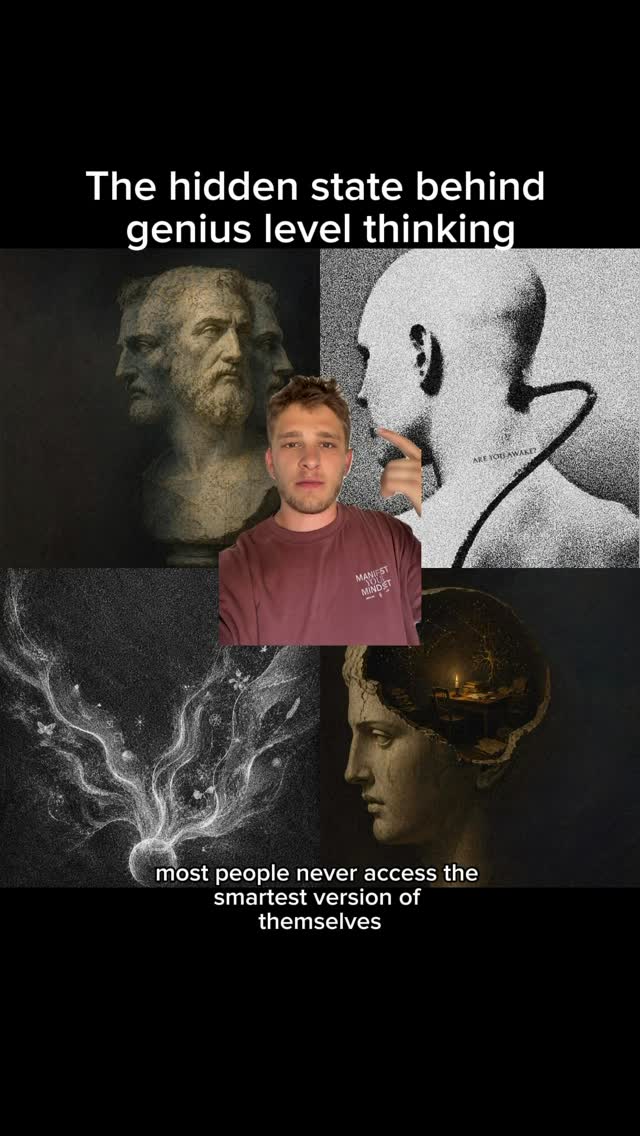 315.3K8.6×Explaining the genius mental state@kolbykirschner · Breakdown
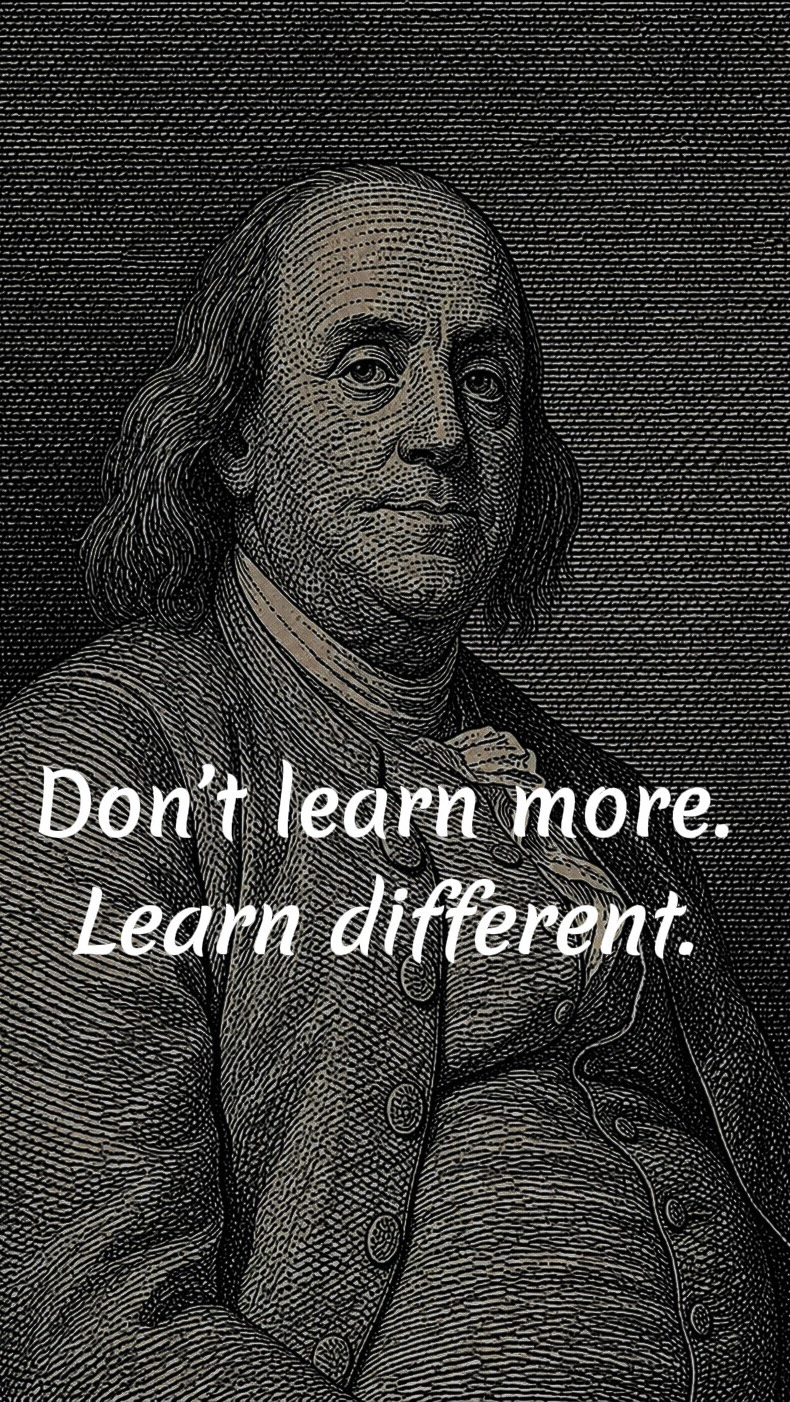 124.1K3×Historical figures' secret learning habit@kolbykirschner · Breakdown
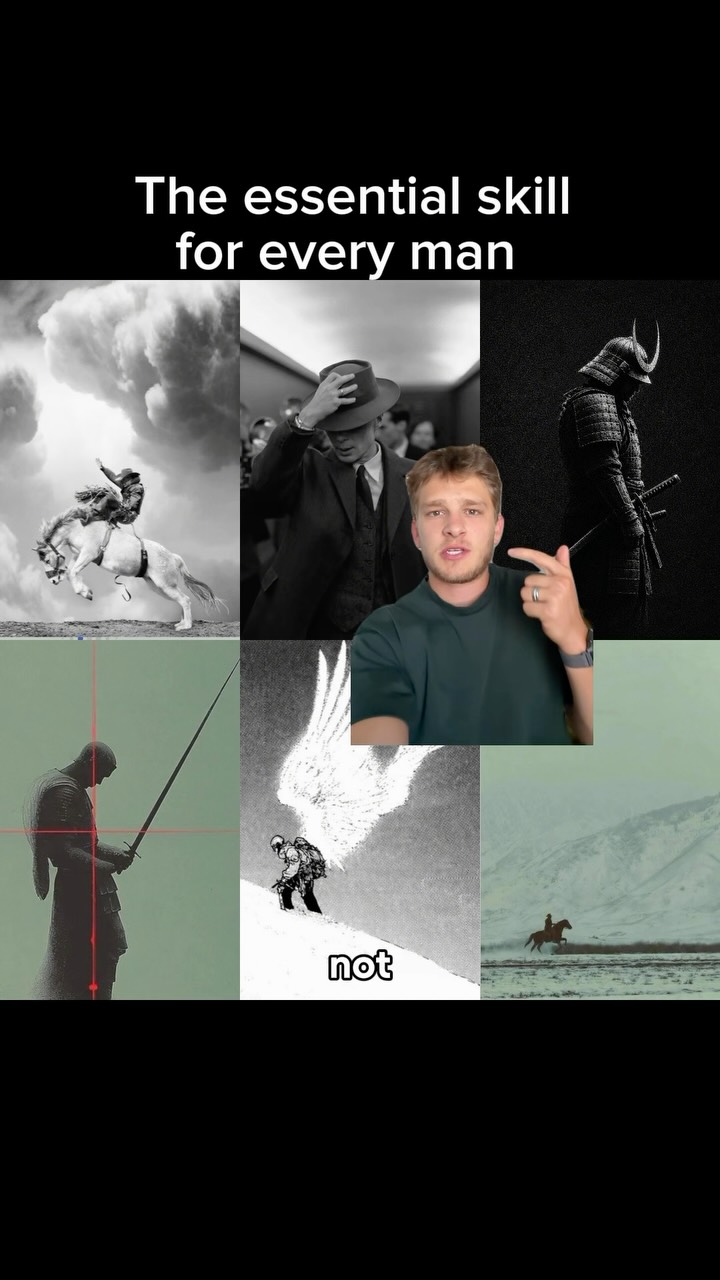 209.1K30.1×Explaining a philosophical concept with visuals@kolbykirschner · Breakdown
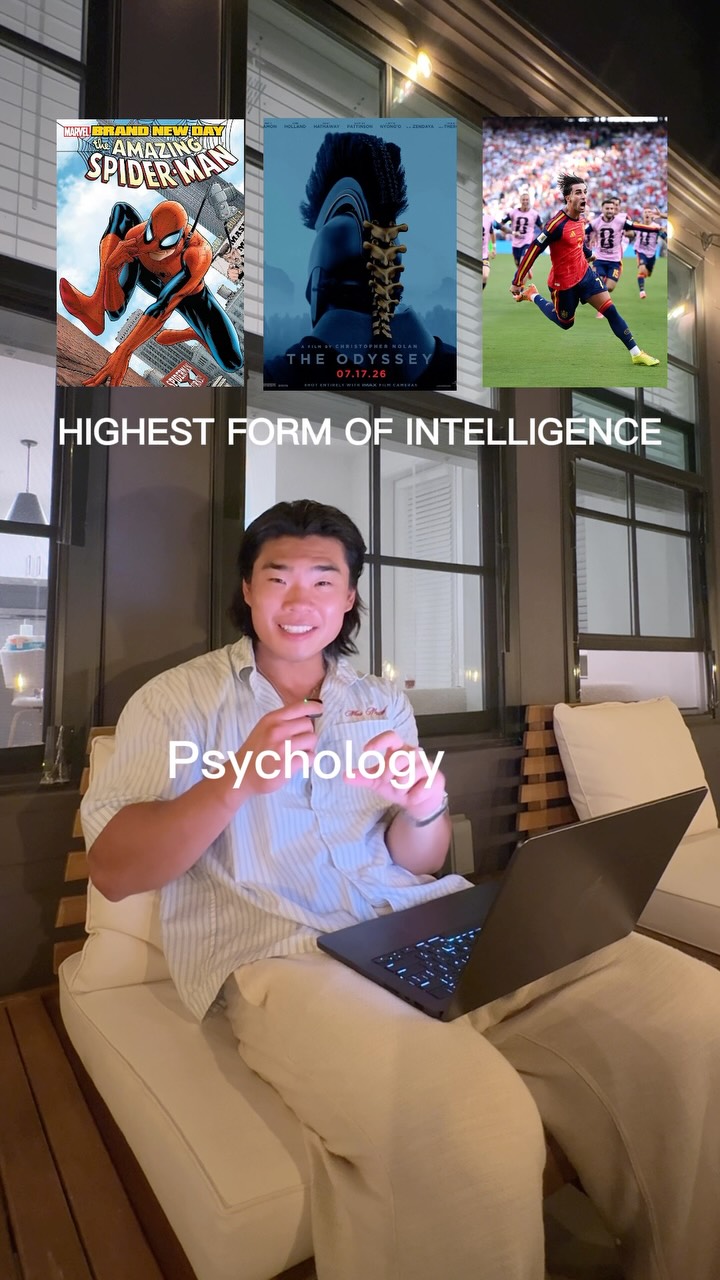 3.9M154.6×Explaining a complex psychological concept@jun_yuh · Opportunity Explainer
[04]
[05]
What stops the scroll in the first 3 seconds
Title hook · 55%
The most underrated form of intelligence
Verbal hook · 40%
There's a conception that people think genius means being the smartest person in the room, but it doesn't, and that belief is actually holding you back.
Visual hook · 5%
A rapid montage of four distinct and compelling historical images: a man at a chalkboard, a bomb schematic, a stylized portrait of Oppenheimer, and a black-and-white photo of Oppenheimer.
[07]
The promise the opener makes, and how the video pays it back
Hook
Immediately challenge a universally accepted definition or belief, creating a knowledge gap and positioning the content as a valuable, contrarian insight.
Payoff
Conclude with an aspirational vision of what the viewer can become by adopting this new mindset, often using a rhythmic, memorable, and poetic summary of the core concept.
[08]
The structural pattern this video runs on
Framework
The Contrarian Genius Blueprint
To deconstruct a common belief, introduce a 'secret' alternative concept, prove its validity through high-status examples, and then provide the audience with an actionable framework to adopt this new perspective.
The Common Misconception
State a popular belief and then immediately negate it, framing it as a limiting factor for the viewer.
The Secret Trait Introduction
Introduce a mysterious, powerful alternative concept or skill shared by highly successful figures, without yet defining it, to build suspense.
The High-Stakes Case Studies
Rapidly present a series of well-known, high-authority examples (people, companies, events) who successfully leveraged this secret trait, focusing on what they *couldn't* do to emphasize the trait's unique power.
The 'How It Works' Deep Dive
Select one primary case study and break down the specific mechanics of how they applied the secret trait, moving from the abstract 'what' to the concrete 'how'.
The Explicit Skill Reveal
Clearly and concisely define the secret trait or skill, often reframing it from a direct problem-solving ability to a meta-skill like coordination or connection.
The Authority Stamp
Bolster the argument's credibility by citing an expert or external source that validates the rarity and importance of the skill.
The Actionable Mandate
Translate the abstract concept into direct, actionable advice for the viewer, telling them what to stop doing and what to start doing to cultivate the skill.
The most intelligent form of uncommon sense that most people don’t have
title · beginning
The most underrated form of intelligence
informational · end
"The subtitle, 'A Life Inside the Center,' calls attention to a rarer skill in which Oppenheimer excelled. He had a unique ability to put himself at the places and times at which important things were happening."
There's a conception that people think genius means being the smartest person in the room, but it doesn't, and that belief is actually holding you bad. Because the most brilliant minds in history all shared one strange skill that had nothing to do with raw intelligence. Oppenheimer built the atomic bomb with it, but almost nobody has this skill today. This is the same skill that made Steve Jobs, a man that could not write a single line of code, the center of Apple. The same one that made Benjamin Franklin the person that every room revolved around. At Los Alamos, Oppenheimer couldn't out calculate Fermi or Beth, but he could hold the entire project in his head. Know what every mind in the building was chasing and stand right between the scientists and the generals speaking both languages. He didn't solve the problem. He coordinated the people who could because that is the skill. It's not being the smartest person in the room, but it's knowing how to be where important things are happening. Freeman Dason called it rare for a reason because almost nobody builds this skill on purpose. So stop trying to know everything and let go of the control. Instead, put yourself at the center of where ideas collide and become the person who connects them. Do that and you'll start seeing the connections everywhere. You'll start becoming the person who quietly ends up at the center of what better. Connecting the minds, connecting the dots, connecting the patterns.