Viral Hooks
Trending short videosHistorical inspiration for modern product
C

@craighillcompany

Instagram · Talking Head Edit

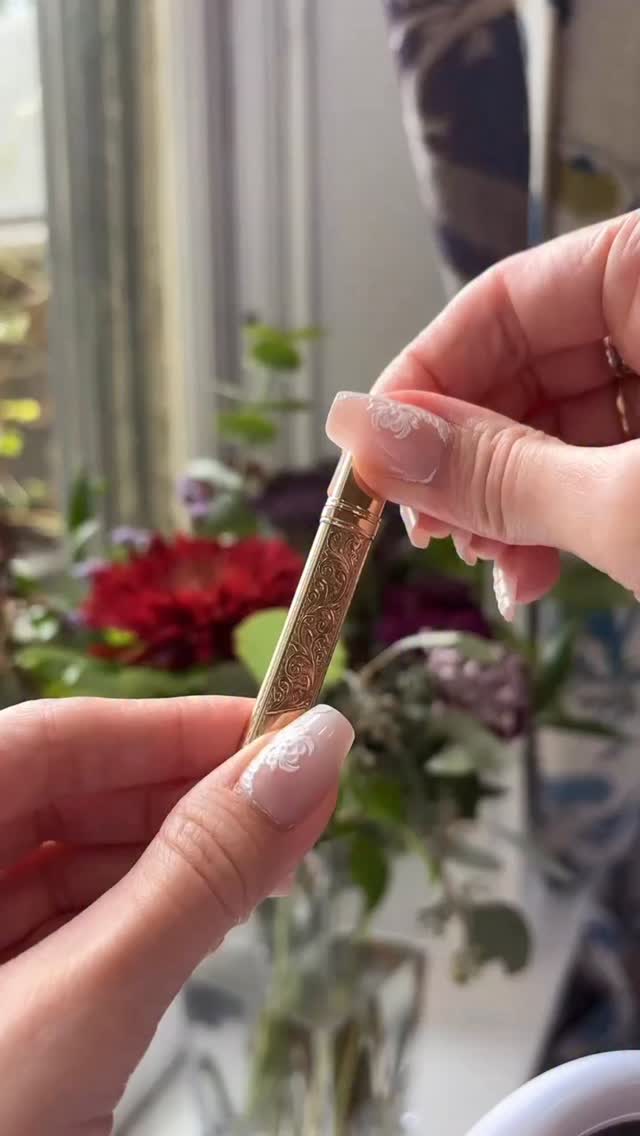
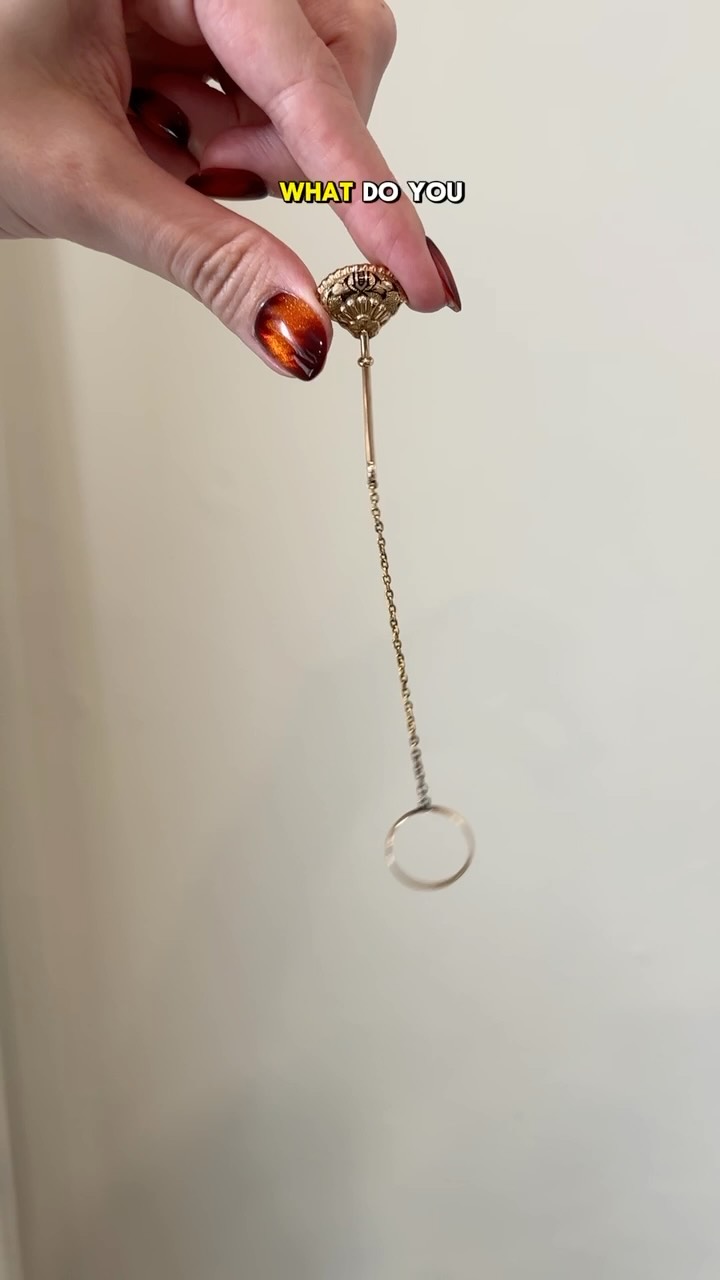
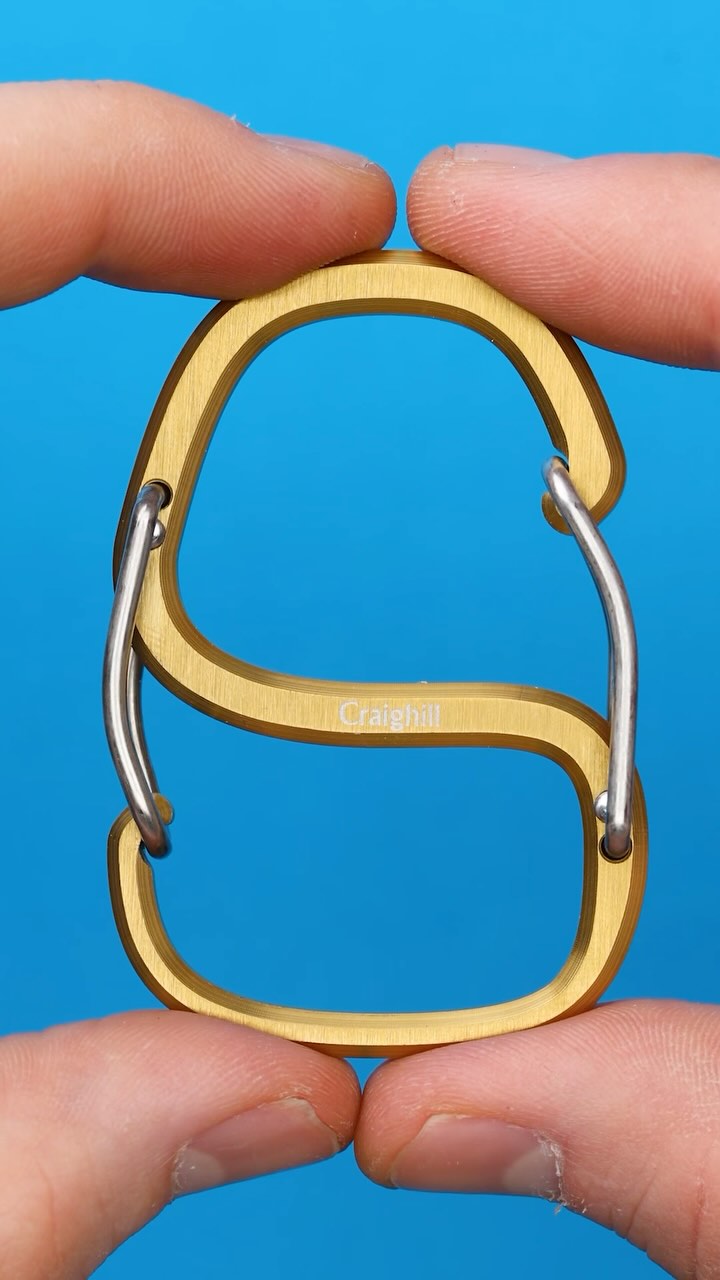
@craighillcompany Vesta cases, sovereign cases, and snuff boxes (all shown above) have fallen out of use with the decline of matches, coins, and snuff. We were attracted to the look and tactility of these Victorian references, so we used them as inspiration to design our own pocketable case for cards (or anything else you can fit inside). The Summit Card Case brings some mechanical satisfaction and material joy to our modern phone-centric daily carry. Let us know: would you add this to your routine? If not, what's your favorite thing to keep in your pocket?

View original on Instagram

The edit1 shot · 8 text
Shots Text2:15

Performance

Views
1.3M
Likes
86.4K
Comments
288
Engagement
6.9%
Outlier
1×
Length · 28 May 2026
2:15

Video #30741 · Talking Head Edit

Historical inspiration for modern productfrom @craighillcompany

[01]

Overview

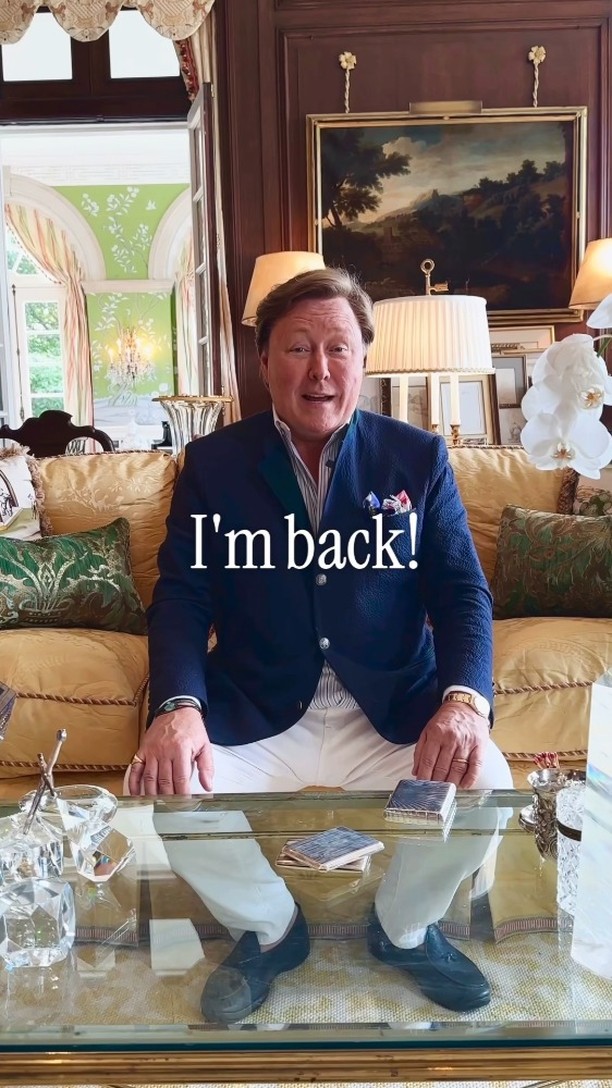
The speaker showcases antique silver pocket cases, explaining they were necessary for cluttered pockets in the past, and contrasts this with the modern, minimalist pocket dominated by a smartphone. He then details the history of Victorian calling cards and their cases, tracing their evolution to the modern business card. The speaker explains the design process for a new card case, drawing inspiration from the materials and tactile mechanisms of these historical objects, showing a failed prototype before revealing the final stainless steel product and its satisfying hinge mechanism.

[02]

Simple outline

  1. 1Contrast romanticized past with sterile present
  2. 2Isolate a historical archetype for revival
  3. 3Chronicle the design journey, including failure
  4. 4Reveal the evolved, modern solution
  5. 5Deliver a satisfying sensory conclusion

[03]

Related videos

[04]

Classification

Concepts
Origin StoryBreakdownProduct Showcase
Elements
B-Roll CutawayJump CutText OverlayOverhead Shot

[05]

Hook analysis

What stops the scroll in the first 3 seconds

Title hook · 35%

We used to carry around these

Verbal hook · 25%

We used to carry around these because their pockets used to look like this.

Visual hook · 40%

An extreme close-up of a hand opening an ornate, antique silver coin case, revealing the coins inside. The unique object and tactile action create immediate curiosity.

[06]

Hook template

Steal this for your own video

We used to carry around [antique or forgotten object] because [the problem it solved that still exists today].

  • — We used to carry around these glass water bottles because plastic didn't exist yet — and now we're bringing them back for the same reason people ditched them.
  • — We used to carry around these leather coin pouches because loose change would destroy your trousers — and that problem never actually went away.
  • — We used to carry around these paper appointment books because there was no other way to manage your schedule — and designers are rethinking them for the same reason.

[07]

Hook and payoff

The promise the opener makes, and how the video pays it back

Hook

A direct comparison between intriguing, beautiful historical artifacts and the messy, relatable problem they once solved, immediately establishing a sense of lost elegance and utility.

Payoff

The final product is presented not just as an object, but as the successful culmination of a historical quest. The payoff is both intellectual (the story makes sense) and sensory (the object is shown to be satisfying to use), validating the entire journey.

[08]

Narrative framework

The structural pattern this video runs on

Framework

The Heritage Blueprint

The narrative justifies the creation of a modern object by framing it as the solution to a modern-day sensory or functional deficit. It achieves this by first romanticizing a historical predecessor, documenting the journey of reviving its best qualities, and presenting the final product as a superior, modern evolution.

  1. 1

    The Golden Age

    Establishes a romanticized past where specialized, well-crafted objects solved common problems, setting a high bar for quality and thoughtfulness.

  2. 2

    The Modern Void

    Contrasts the rich past with a sterile, monolithic present, creating a sense of loss and identifying an emotional or sensory deficit in modern life.

  3. 3

    The Surviving Archetype

    Narrows the focus from a broad category of lost items to a single, specific historical object type that has a direct, modern-day parallel, presenting it as the key to bridging the past and present.

  4. 4

    The Historical Deep Dive

    Provides a concise history lesson on the archetype's original function and cultural significance, adding intellectual weight and justifying its importance.

  5. 5

    The Modern Analogue

    Connects the historical archetype to its contemporary equivalent, proving its continued relevance and establishing the foundation for its reinvention.

  6. 6

    The Design Thesis

    Explicitly states the mission: to create a modern version of the archetype by extracting and applying core principles (e.g., material, tactility) from the historical examples.

  7. 7

    The Noble Failure

    Introduces a first-attempt prototype that fails to meet all the established principles. This creates narrative tension and demonstrates a commitment to high standards.

  8. 8

    The Eureka Moment

    Shows the process of returning to the historical source material to find a specific, crucial insight that solves the problem of the failed prototype.

  9. 9

    The Final Synthesis

    Reveals the final product, demonstrating how it successfully integrates all the desired principles from the past into a durable, modern form.

  10. 10

    The Closing Homage

    Concludes by explicitly stating that the new creation is a direct result of studying and respecting its historical predecessors, reinforcing the narrative's core theme of lineage and evolution.

Themes

  • Nostalgia
  • Modern vs. Traditional
  • Tactility
  • Minimalism
  • Design Inspiration

Techniques

  • Historical storytelling
  • Product demonstration
  • Process explanation

Post caption

Vesta cases, sovereign cases, and snuff boxes (all shown above) have fallen out of use with the decline of matches, coins, and snuff. We were attracted to the look and tactility of these Victorian references, so we used them as inspiration to design our own pocketable case for cards (or anything else you can fit inside). The Summit Card Case brings some mechanical satisfaction and material joy to our modern phone-centric daily carry. Let us know: would you add this to your routine? If not, what's your favorite thing to keep in your pocket?

Text overlays

  • contextual · beginning

    We used to carry around these

  • contextual · beginning

    because our pockets used to look like this.

  • contextual · middle

    A slightly sad reality,

  • contextual · middle

    silver 19th century calling card case.

  • contextual · middle

    what came to replace it was the business card

  • informational · end

    bistable hinge mechanism

  • branding · end

    of the Summit Card Case.

  • contextual · end

    This case wouldn't exist if we had not collected and studied all of these cases that came before it.

Transcript

We used to carry around these because their pockets used to look like this. An assortment of matches rank coins and smoking paraphernalia required the creation of these small and beautiful and delightful silver cases. But over time, instead of having these, it's just this. It just looks like that. A slightly sad reality. I like having a excuse to have a tactile engineered considered additional object in my pocket. But fortunately, there is one of these cases that has endured into today, and it felt like that was the opportunity to help make the pocket a little bit more delightful. This is a silver nineteenth century column card case. If you worse showing up to somebody's house in the Victorian age, you would bring calling cards with you, leave them on a tray. It was a way to signify that you had come to visit. There were all of these hijinks reorganizing your stack of cards on the tray to bring the most esteemed person's card to the top to show off that they bad visited your house. The adoption of telephone calling cards slowly disappeared. But what came to replace it was the business card. I rank ramble about this event, but I kinda love it. It feels like so much more real and meaningful than connecting on LinkedIn. No to make a modern card case, we good back to these Victorian examples. We no that there were two critical things that they were all doing. The first was the material. These were all sterling silver or other pewter. And then second was the tactility. We often have these delightful mechanisms that make them such good things to have around in your pocket. So our first good, we worked with a pewter craftsman in The UK, a minimalist, simple, updated version, but it fell short on the mechanism. Best back to the drawing board, and we good back at some of these examples, and specifically the Vesta case has this interference spring bistable hinge mechanism. And that was the inspiration for the re engineering of what is now the current version of the Summit Park Disc. And so it has that satisfying interaction. It's pretty clearly reminiscent of a lot of these precursors, but it's now made from solid stainless steel. Feels like a bomb proof mini treasure box that I gotta carry around in my pocket. This case wouldn't exist if we had not collected and studied all of these cases that came before it.
Historical inspiration for modern product | Viral Hooks