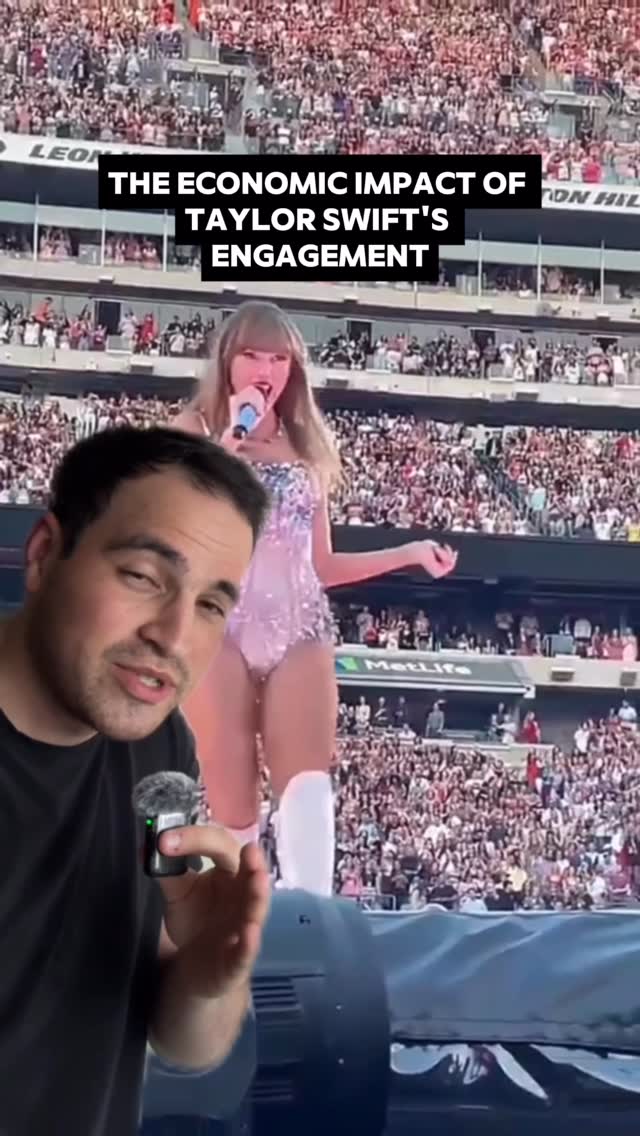
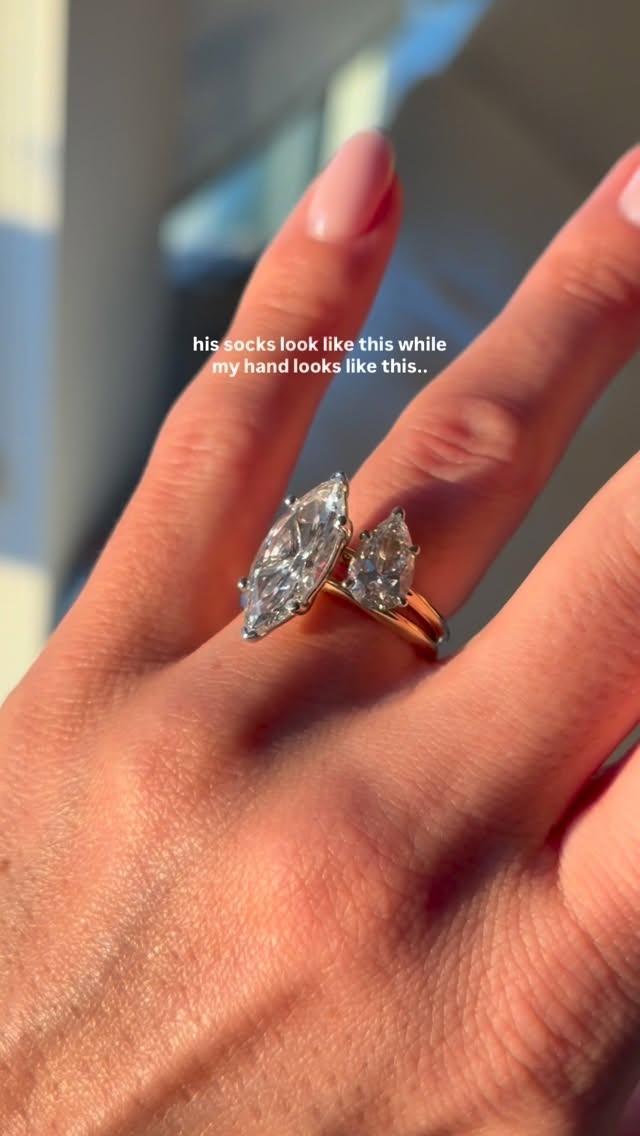
The creator analyzes the economic and cultural impact of Taylor Swift's engagement ring, framing it as a strategic move in the market war between natural and lab-grown diamonds. He breaks down how her choice of a vintage, imperfect, natural diamond signals a shift in luxury values away from standardized perfection towards scarcity, history, and narrative. The creator argues this move creates a new marketing narrative for the natural diamond industry, differentiating it from the commoditized perfection of lab-grown diamonds and predicting a future market bifurcation.
Transcript
Don't think people understand the economic ripple effect of Taylor Swift's engagement ring. At 1PM better, shares of Cygnet Jewelers popped on heavy volume. But the real tell was Brilliant Earth, which rocketed over 26%. And what this represents is a calculated bet on a seismic shift in consumer preferences. So what are we talking here? It's an estimated eight to 12 carat elongated good mine brilliant cut diamond, and this isn't your standard mass market brilliant cut optimized for the four c's. Its value lies in its imperfections and rarity. A large open coulee and blockier facets designed to sparkle in candlelight, was sourced not from a global luxury house like Tiffany's, but from a bespoke designer artifacts. This is a flight to scarcity and a narrative over standardized quantifiable metrics. Because this ring is a strategic masterstroke in the diamond industry's proxy war against its own accidental threat, lab grown diamonds. You see, the lab grown market has achieved near perfect commoditization, offering flawless clarity and color at a fraction of the cut. In other words, they've weaponized perfection. And the natural diamond industry can't compete on price or flawlessness, so it's pivoted to selling the one thing a lab can't replicate, history. And the couple's choice of an antique hand cut centuries old natural stone isn't just a preference, it's the ultimate market differentiator because it reframes value away from sero perfection and towards character, provenance, and the romance of a one of one asset. Like tier unintentional targeted campaign against the perceived soullessness of its synthetic competitors executed by the world's most influential consumer. But what this signals is the death of the flawless diamond as the ultimate status symbol of the culturally relevant. Because for nearly a century, De Beers sold us a story about forever. Lab grown diamonds disrupted that by making perfect, affordable, and therefore common, which makes Taylor's ring the new better narrative in this market because the flaws are the feature. The open coulee isn't a defect, it's a proof of work certificate from a pre industrial era. So the fallout of this will likely be an increased sense of market bifurcation as the mass market, malls, and online retailers will become the domain of lab grown stores. It's the right choice for pure value, but the high end true luxury market is retreating into the defensible mode of history. It's not about the diamond, it's about the era it came from. And of worse, this really only matters because it is Taylor Swift, but we're witnessing a master class and retaking a luxury position when your product's physical attributes are commoditized. You don't sell the asset, you sell the tier, and nobody on earth sells the story better than Taylor Swift.