Viral Hooks
Trending short videosBreaks down resistance with tips
H

@hangxw

Instagram · Talking Head Edit

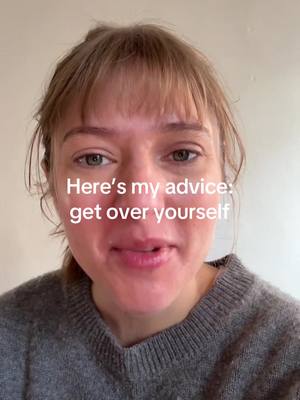
@hangxw Loved this article by @drdominic.ng on how to make hard things feel disgustingly easy, so I wanted to share it with you guys. One of the biggest mistakes we make is assuming we’re lazy or we’re not motivated. But a lot of the time, the real issue is that we’re trying to take on too much at once. Our brains are surprisingly good at turning a small task into a giant one. We think about the entire workout, the entire business, the entire project, and then wonder why we feel overwhelmed before we’ve even started. What I loved about this guide is that it works with your brain instead of against it. Comment TIPS and I’ll send you the full list! #neuroscience #dohardthings #mindsetshifts

View original on Instagram

The edit1 shot · 10 text
Shots Text0:58

Performance

Views
351.2K
Comments
1.8K
Engagement
0.5%
Outlier
321×
Length · 3 Jun 2026
0:58

Video #31811 · Talking Head Edit

Breaks down resistance with tipsfrom @hangxw

[01]

Overview

The creator explains two neuroscience-based types of resistance that prevent people from doing hard things: emotional resistance from overwhelming tasks and identity resistance from self-limiting beliefs. She then provides a three-part strategy to overcome them: commit to only two minutes, just prepare for the task if two minutes is too much, and embrace being a beginner to reframe the task as practice.

[02]

Simple outline

  1. 1Promise an easy solution
  2. 2Diagnose the hidden cause
  3. 3Deliver actionable tips
  4. 4Offer a value-add CTA

[03]

Related videos

[04]

Classification

Concepts
BreakdownTutorial / How To
Elements
B-Roll CutawayImage OverlayText OverlayDM / Comment-for-Info CTA

[05]

Hook analysis

What stops the scroll in the first 3 seconds

Title hook · 55%

HOW TO DO HARD THINGS in 2 mins

Verbal hook · 30%

Neuroscience shows that there are two types of resistance that keep you from doing hard things.

Visual hook · 15%

The video opens on a speaker, but immediately layers multiple, visually distinct images (a woman reading, a bicycle in a field, a person in a museum) in rapid succession to create visual interest.

[06]

Hook template

Steal this for your own video

Neuroscience says there are [number] types of [internal obstacle] keeping you from [desired behavior].

  • — Neuroscience says there are 2 types of fear keeping you from starting your business.
  • — Neuroscience says there are 3 types of self-sabotage keeping you from losing weight.
  • — Neuroscience says there are 2 types of avoidance keeping you from having hard conversations.

[07]

Hook and payoff

The promise the opener makes, and how the video pays it back

Hook

A high-value promise that offers a simple solution to a complex, universal problem, backed by an authoritative source to establish immediate credibility.

Payoff

A direct call-to-action that offers additional, exclusive value (a 'full guide') in exchange for a specific engagement action (a comment), driving interaction and leveraging reciprocity.

[08]

Narrative framework

The structural pattern this video runs on

Framework

The Diagnostic Solution Framework

Identify a common struggle, reframe it with an authoritative diagnosis to validate the audience, and then deliver a numbered list of simple, actionable solutions that bypass the diagnosed problem.

  1. 1

    The First Diagnosis: The Biological Barrier

    Explain the first underlying cause of the problem from a scientific perspective (e.g., neurological, biological), which validates the viewer's struggle and builds trust by reframing it as a natural process, not a personal failing.

  2. 2

    The Second Diagnosis: The Identity Barrier

    Introduce a second, distinct cause related to psychology or self-perception, providing a more comprehensive understanding of the problem's complexity.

  3. 3

    The Solution Set Introduction

    A clear transitional statement that pivots from problem analysis to actionable advice, signaling to the viewer that the promised solutions are about to be delivered.

  4. 4

    Solution 1: The Tactical Fix

    Present the first and most accessible solution as a simple, low-effort action or rule that directly counters the diagnosed problems.

  5. 5

    Solution 2: The Lower-Barrier Alternative

    Offer a second solution that is even easier to implement than the first, specifically designed to overcome the highest levels of initial resistance by focusing on preparation over action.

  6. 6

    Solution 3: The Strategic Reframe

    Deliver a final, higher-level solution that involves a fundamental shift in mindset or identity, addressing the problem's root cause rather than just its symptoms.

  7. 7

    The Unifying Rationale

    A concluding statement that explains the common principle making all the solutions effective, reinforcing the video's core message and tying the tips together.

Themes

  • Productivity hacks
  • Mindset shifts
  • Overcoming procrastination

Techniques

  • Direct-to-camera address
  • Numbered listicle
  • Neuroscience framing

Trends

  • Micro-learning
  • Value-driven content

Post caption

Loved this article by @drdominic.ng on how to make hard things feel disgustingly easy, so I wanted to share it with you guys. One of the biggest mistakes we make is assuming we’re lazy or we’re not motivated. But a lot of the time, the real issue is that we’re trying to take on too much at once. Our brains are surprisingly good at turning a small task into a giant one. We think about the entire workout, the entire business, the entire project, and then wonder why we feel overwhelmed before we’ve even started. What I loved about this guide is that it works with your brain instead of against it. Comment TIPS and I’ll send you the full list! #neuroscience #dohardthings #mindsetshifts

Text overlays

  • title · beginning

    HOW TO DO HARD THINGS in 2 mins

  • informational · beginning

    TOO BIG

  • informational · middle

    identity

  • informational · middle

    ONE Don't commit to the whole task.

  • informational · middle

    Momentum

  • informational · middle

    TWO If two minutes feel like too much, don't do the task.

  • informational · middle

    Resistance

  • informational · end

    THREE Embrace being a beginner.

  • informational · end

    THREAT

  • call-to-action · end

    If you want the full guide to doing hard things, comment TIPS + I'll send it over!

Transcript

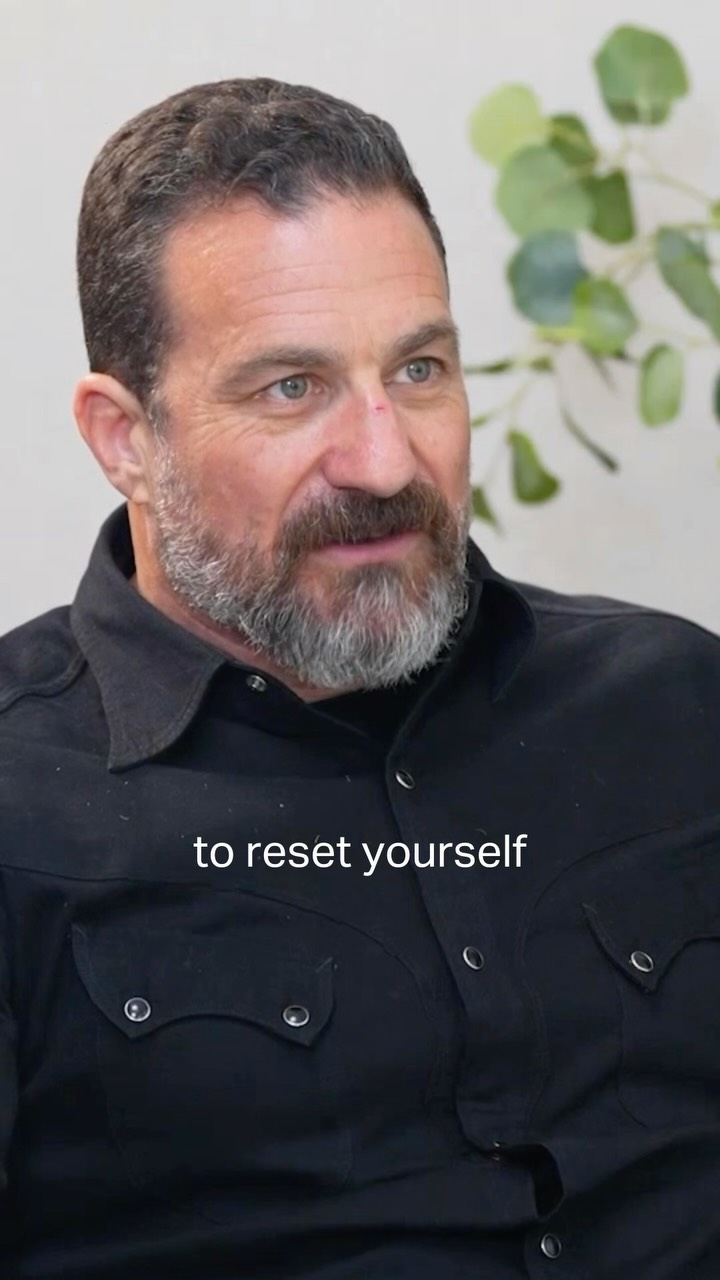
Neuroscience shows that there are two types of resistance that keep you from doing hard things. And once you understand them, they become disgustingly easy to get around. The first is emotional. When a task feels too big, your amygdala triggers the release of cortisol. And cortisol weakens the part of your brain responsible for taking action. So you're not lazy. Your brain is just reacting the way it's designed to. The second is identity. Your brain protects the story you tell about yourself. If you believe you're not creative, picking up a camera or a paintbrush feels like a threat no you resist it. Here's how to get around both. Don't commit to the whole rank, just commit to two minutes. That means you don't try to write a whole article, you only write one sentence. Once you start, Momentum usually does the rest. If two minutes feel like too much, don't do the rank, just set yourself up for it. For example, turn on the camera, open the book, put on the shoes. By the time you prepare, resistance has already lost. Finally, embrace being a beginner. When you accept that you're new, your brain stops treating the task as a threat and starts treating it as practice. These strategies work because they're small enough that your brain won't argue with them. If you want the full guide to doing hard things, comment tips and I'll send it over.


Breaks down resistance with tips | Viral Hooks