Viral Hooks
Trending short videosUse writing to change mindset
D

@davidsenra

Instagram · Clip

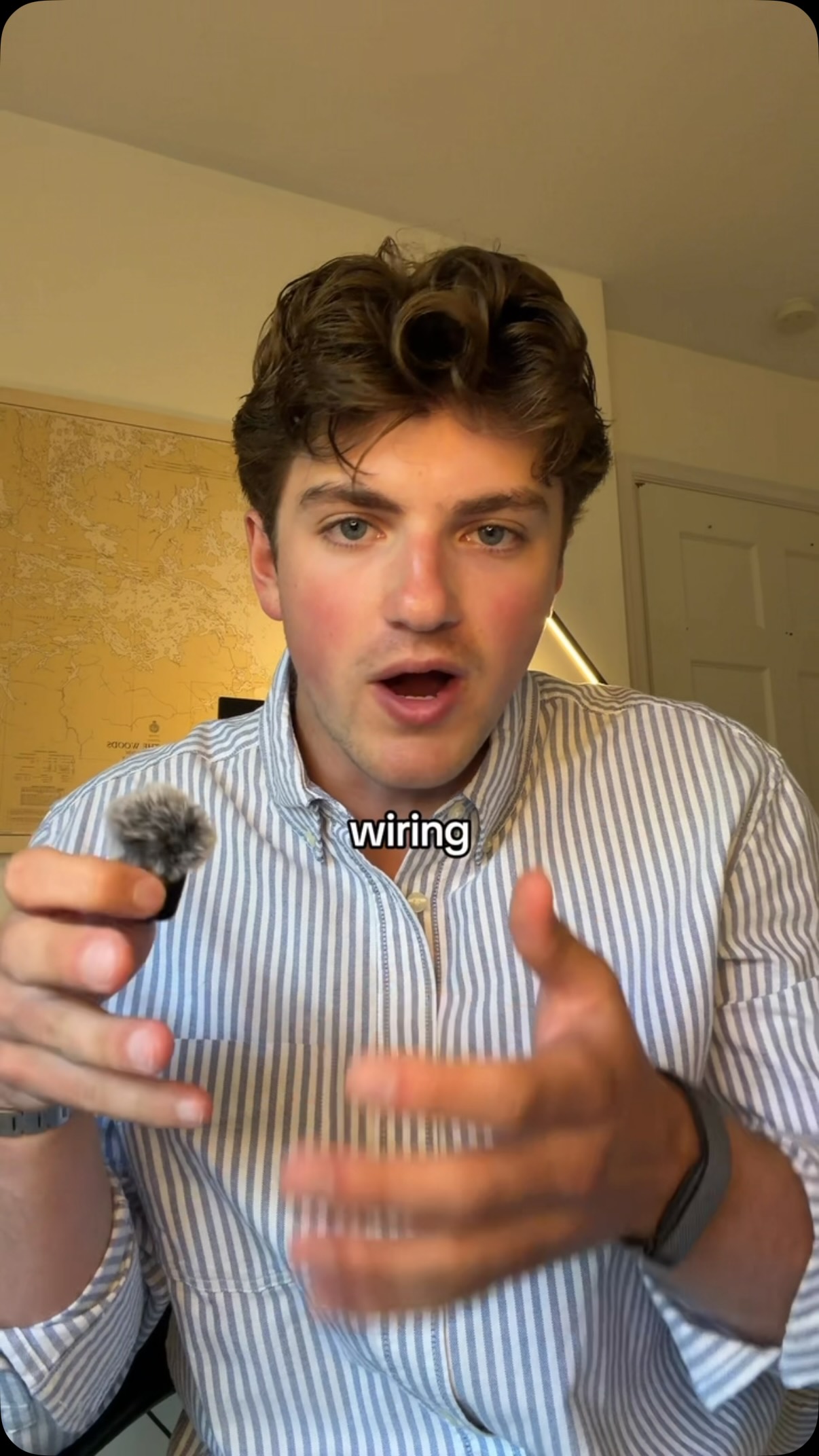
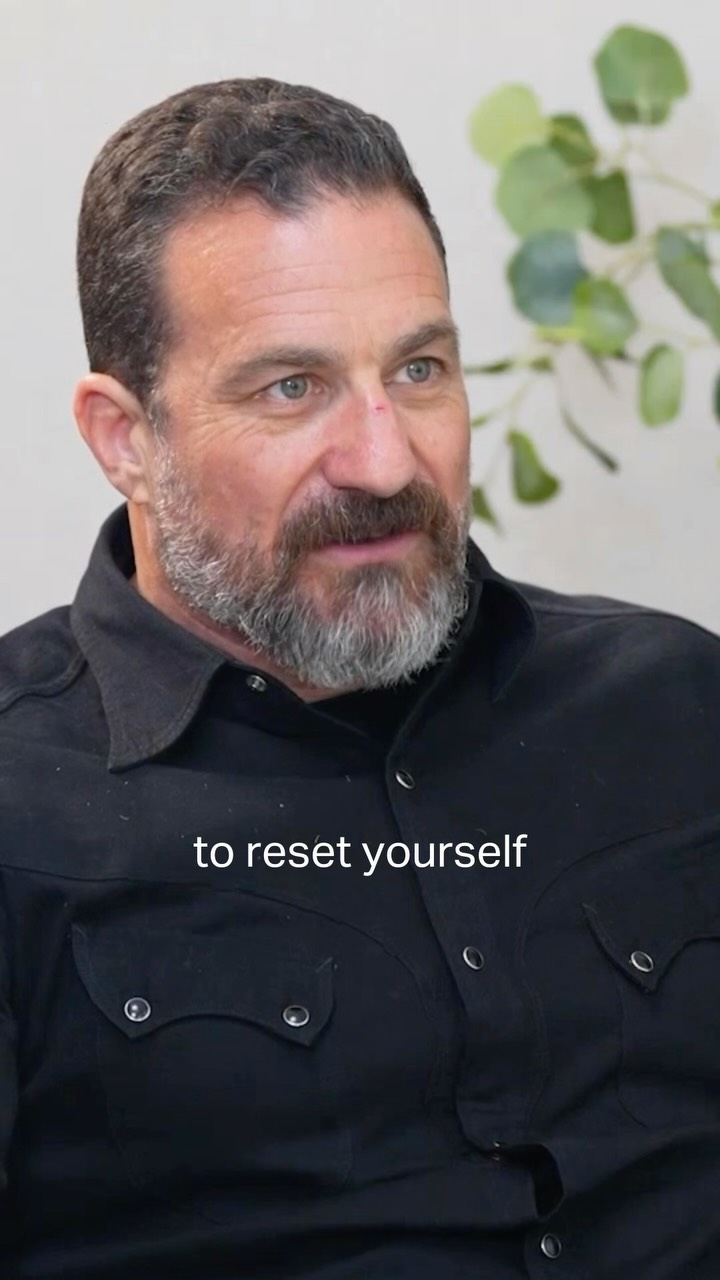
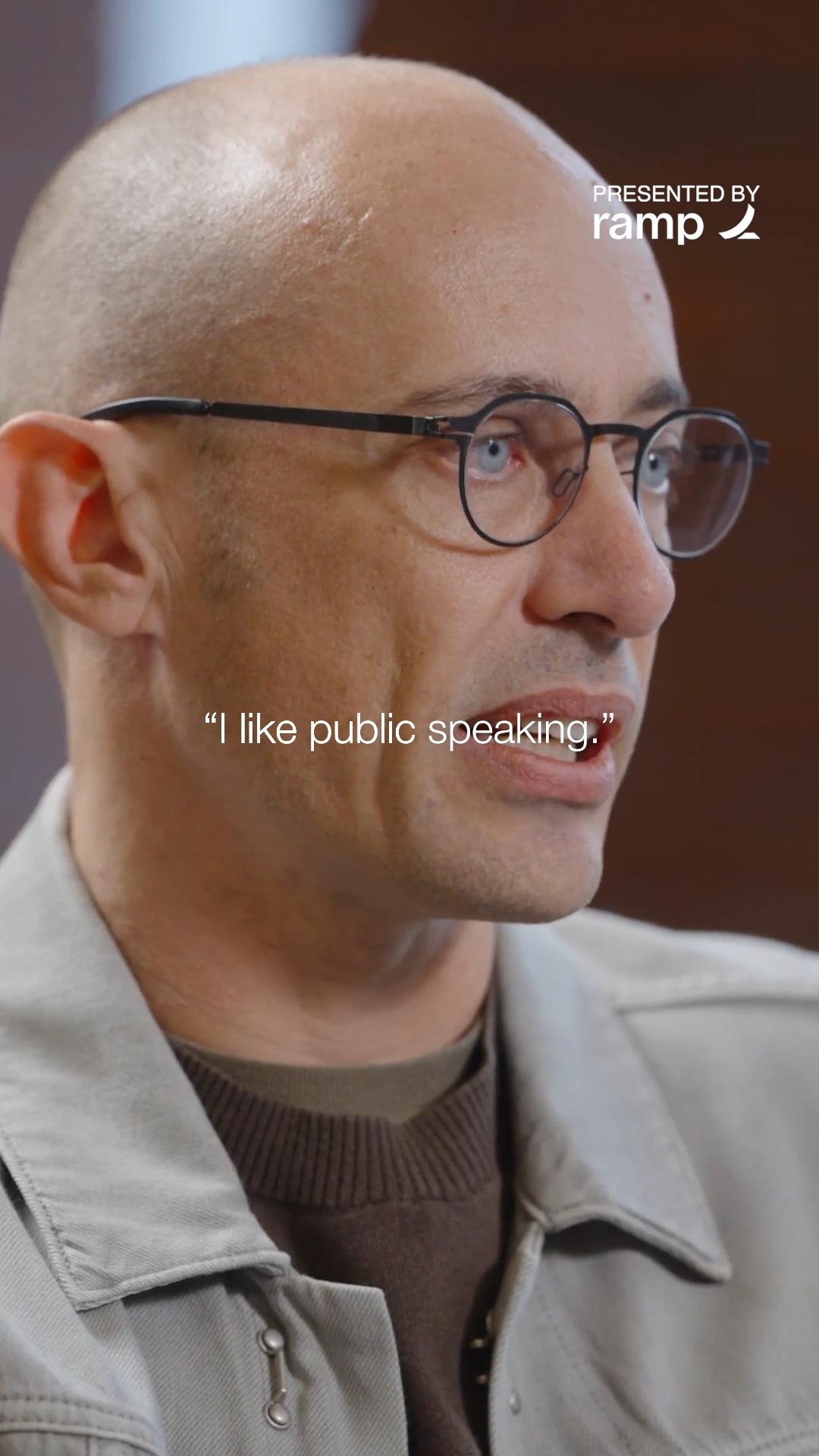
@davidsenra The mind is a powerful place and what you feed it can affect you in a powerful way. How @tobi got over his fear of public speaking: “I was terrified of public speaking until I sat down for like a week and every day I spent ten minutes just writing that I like public speaking.” “If you tell yourself or write something down 100 times about yourself, that writes it into the prefrontal cortex at such a deep level that your brain will start reconciling you to that.” “It’s not a placebo. You actively change your prefrontal cortex.”

View original on Instagram

The edit1 shot · 6 text
Shots Text0:50

Performance

Views
270.8K
Likes
10.8K
Comments
76
Engagement
4%
Outlier
9.6×
Length · 22 Oct 2026
0:50

Video #47370 · Clip

Use writing to change mindsetfrom @davidsenra

[01]

Overview

The speaker explains the concept of neuroplasticity, detailing a technique where repeatedly writing down a desired belief can actively change one's neuro-frontal cortex. He shares a personal anecdote of how he cured his fear of public speaking by writing 'I like public speaking' daily for a week, and concludes by explaining how he uses this method of writing 'messages to himself' to reinforce new ideas through repetition.

[02]

Simple outline

  1. 1Present a 'brain hack' thesis
  2. 2Share a personal transformation story
  3. 3Validate with a scientific explanation
  4. 4Reveal it's a repeatable habit

[03]

Related videos

[04]

Classification

Format
Concepts
Anecdotal PhilosophyOpportunity Explainer
Elements
B-Roll CutawayJump CutDynamic Word-by-Word CaptionsVoiceover

[05]

Hook analysis

What stops the scroll in the first 3 seconds

Verbal hook · 90%

If you tell yourself or write down 100 times something about yourself...

Visual hook · 10%

Rapid cuts between a close-up of the speaker and illustrative B-roll, including an extreme close-up of a pen and a hand writing in a notebook.

[06]

Hook template

Steal this for your own video

If you [repeat action] [specificity number] times [thing you want to change about yourself]...

  • — If you write down 100 times what you want your life to look like...
  • — If you say out loud 50 times what you're worth before a salary negotiation...
  • — If you visualize 30 times the exact lap you want to run before a race...

[07]

Hook and payoff

The promise the opener makes, and how the video pays it back

Hook

A direct statement of a powerful, almost magical-sounding psychological principle that promises a profound change through a simple, repeatable action.

Payoff

The viewer is left with a simple, actionable, and seemingly scientifically-backed tool they can apply to their own lives, creating a sense of empowerment and providing a clear, memorable takeaway.

[08]

Narrative framework

The structural pattern this video runs on

Framework

The Thesis-Proof-Mechanism Loop

Present a counter-intuitive self-improvement technique, validate it with a personal success story, and then add credibility by explaining the underlying psychological principle, transforming an anecdote into an actionable system.

  1. 1

    The Reprogramming Thesis

    The speaker introduces a simple, repeatable action (e.g., writing something down) and claims it can fundamentally change a person's mindset by rewiring their brain's core programming.

  2. 2

    The Personal Case Study

    To make the abstract thesis tangible, the speaker provides a specific, highly relatable personal anecdote where they applied this exact method to overcome a common and significant obstacle (e.g., a fear, a bad habit).

  3. 3

    The Audience Proxy Validation

    An external voice (an interviewer) asks a simple, clarifying question that mirrors the audience's potential disbelief, allowing the speaker to confirm the action with conviction and reinforce its simplicity.

  4. 4

    The Scientific Justification

    The speaker elevates the anecdote from a personal story to a universal principle by explaining the 'scientific' mechanism behind it, using technical-sounding terms and explicitly distinguishing it from a weaker concept (like the placebo effect) to build authority.

  5. 5

    The Habitual Application

    The speaker reveals that this is not a one-time trick but a regular, ongoing practice they use for various situations, demonstrating its broader utility and framing it as a life strategy rather than a single hack.

Themes

  • Power of the mind
  • Self-transformation
  • Repetition
  • Neuroplasticity

Techniques

  • B-roll cutaways
  • Anecdotal evidence
  • Direct address

Trends

  • Podcast clips
  • Educational content
  • Mindset hacks

Post caption

The mind is a powerful place and what you feed it can affect you in a powerful way. How @tobi got over his fear of public speaking: “I was terrified of public speaking until I sat down for like a week and every day I spent ten minutes just writing that I like public speaking.” “If you tell yourself or write something down 100 times about yourself, that writes it into the prefrontal cortex at such a deep level that your brain will start reconciling you to that.” “It’s not a placebo. You actively change your prefrontal cortex.”

Text overlays

  • branding · throughout

    PRESENTED BY ramp

  • contextual · beginning

    neuro-frontal cortex

  • contextual · middle

    I like public speaking

  • contextual · middle

    I love public speaking

  • branding · end

    DAVID SENRA

  • branding · end

    CLIP SPONSORED BY deel.

Transcript

If you tell worse, I will write down a 100 times something about worse, that writes it into the neuro frontal cortex at such a deep level that your brain will start reconciling you to bad. I was terrified of public speaking until I just sat down for, like, a week, and every day I spent, like, ten minutes just writing, but I like public speaking. I love public speaking. You wrote that down. Yeah. Like, a week better, and I knew it's not this worse when you know what you're doing. It's like, it's not like a placebo. It's like, it's actually like you just actively change your neurofractal cortex. So I use this often. I I sort of write to myself a message in a bottle. You write messages to yourself? Yeah. Affirmations or just... No. It's just like, like, that I feel like something is like, like, there's something I figured out that I really like, and now I have to write a scheduled message to myself to remember it because, like, I I need best tier. Repetition on on the idea.

Use writing to change mindset | Viral Hooks