The creator presents a detailed case study on musician Bryson Tiller, analyzing how he achieved long-term success despite a modest album debut. She breaks down his unique 'fingerprint' by examining the cultural landscape he entered, his specific songwriting craft, his 90s R&B references, and his humble origin story. The creator concludes by translating this analysis into actionable advice for the audience on how to find their own differentiation by mapping their craft, references, and origin story.
Post caption
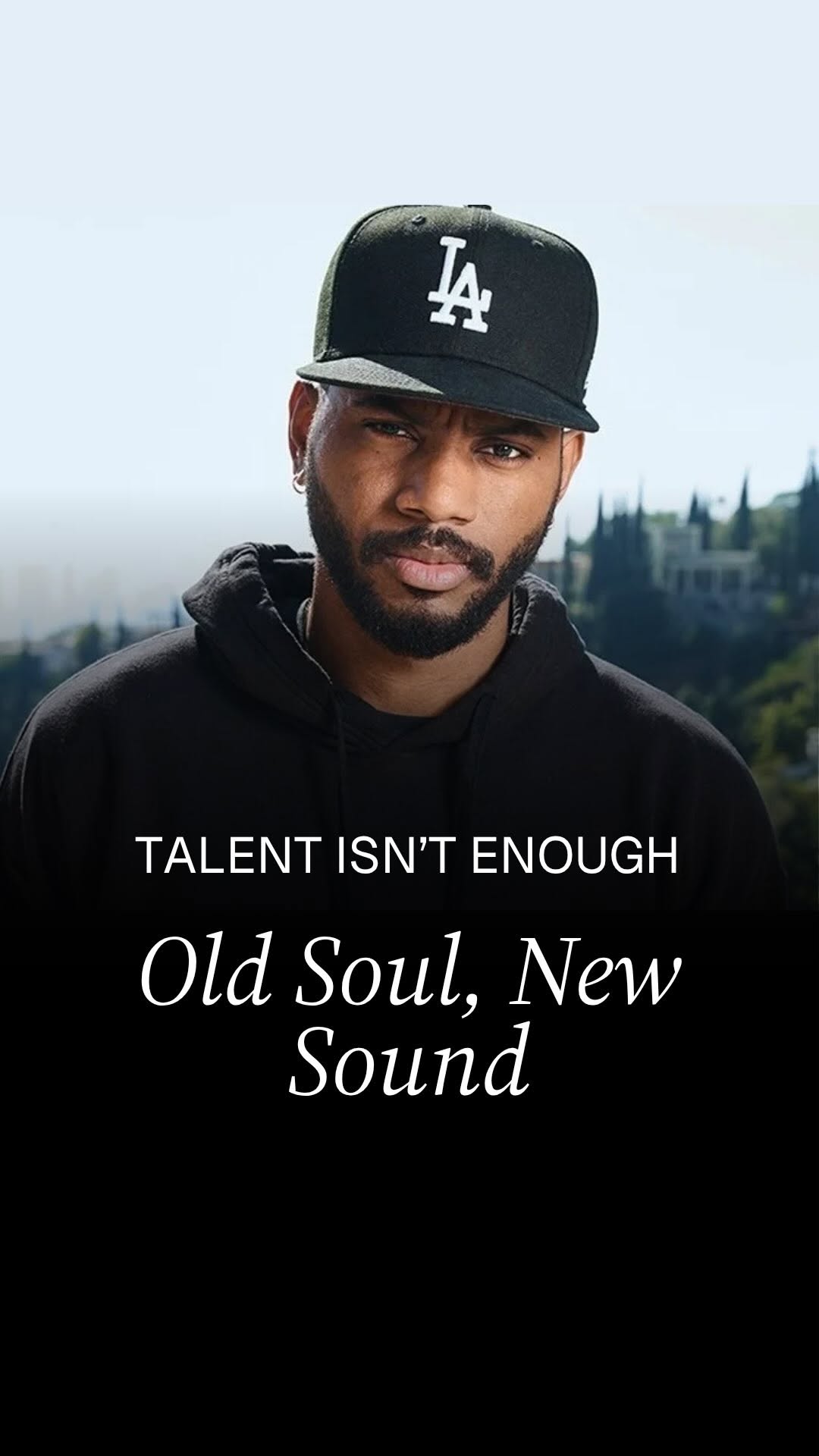
Your market is full of something. It’s starving for something else. Bryson Tiller - the old soul with a new sound.
He writes (Pen Griffey), he spits, he produces - and all of it lives in his lane where grit and tenderness coexist, that’s his fingerprint.
Find your fingerprint, hone the craft, fill the gap in the market. ✨
Comment “Differ” for more on the art & science behind why things actually win.
#business #innovation #design #creative #music
Transcript
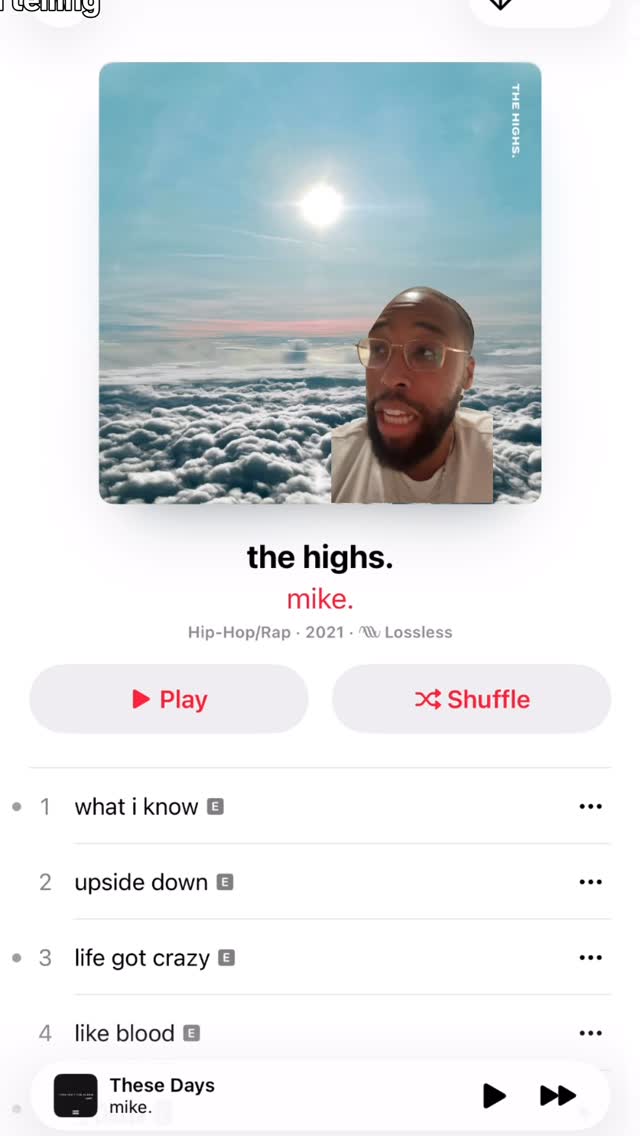
Bryce and Tiller figured out how to make eight zero eight sound like a nineties R and B memory, and no one has caught up to him in over ten years. Trapsoul dropped in October 2015 and sold 22,000 copies in its first week. Most would call that an unimpressive debut. But ten years later, that same album just certified five times platinum, over 5,000,000 units sold in The US alone. But what I love and admire about Bryson Tiller the most is that the production isn't the differentiator for him. The feeling is, and that feeling is what people buy from him and are loyal to. Number one, his music came through and filled a hole in culture, and I don't even know if he meant to do that. In 2015, R and B was polished and distant. The weekend was cold. Frank Ocean was atmospheric. Drake had pivoted to guarded masculinity. The mainstream was full of cool, and the market was quietly starving for warmth. Bryson walked right in with open hearted yearning, confessional style instead of performative, specific about missing one woman instead of generalizing about many, humble, devoted better day, and all delivered with a trap drum pattern. That's why people love him. He gave men a way to ache out loud and still sound grown, and he gave women an r and b artist whose devotion sounded true. The takeaway here for you is call out what emotion your market is drowning in and what emotion it is starving for, and go serve that one. Point number two, you've gotta find your fingerprint. Where does this feeling that Bryson Tiller emits even come from? Three things. His rank, Bryson is a writer worst. He calls himself Payne Griffey. He writes with specificity. It's always one woman, one moment, one ache, or he flips the skirt completely and it's about self doubt and pursuit. And number two, his references, one twelve Drew Hill and Jodeci. He was raised by his grandmother, which means he got the slow jam cannon baked into him before he ever picked up a microphone. He's from Louisville, Kentucky, worked at Papa John's, recorded in his bedroom. So he's got this hunger and tenderness in every track. So it's craft references in his origin story. That's how a fingerprint gets assembled, and it works for anyone building anything. The takeaway here for you is map yours. What is your craft? How are you approaching the product? What are your real references? And what is your origin story? That combination right there is your true differentiation. Smart, ambitious people, they align four things to win, creativity, culture, business, and belief. Figure out your references, find the emotion your market isn't serving, build the business around that feeling, and hold your belief long enough for the proof to actually compound. Comment differ for more on the science of why things actually win. See you on the next episode.