Post caption
🏁 Building a brand people root for - isn’t soft.
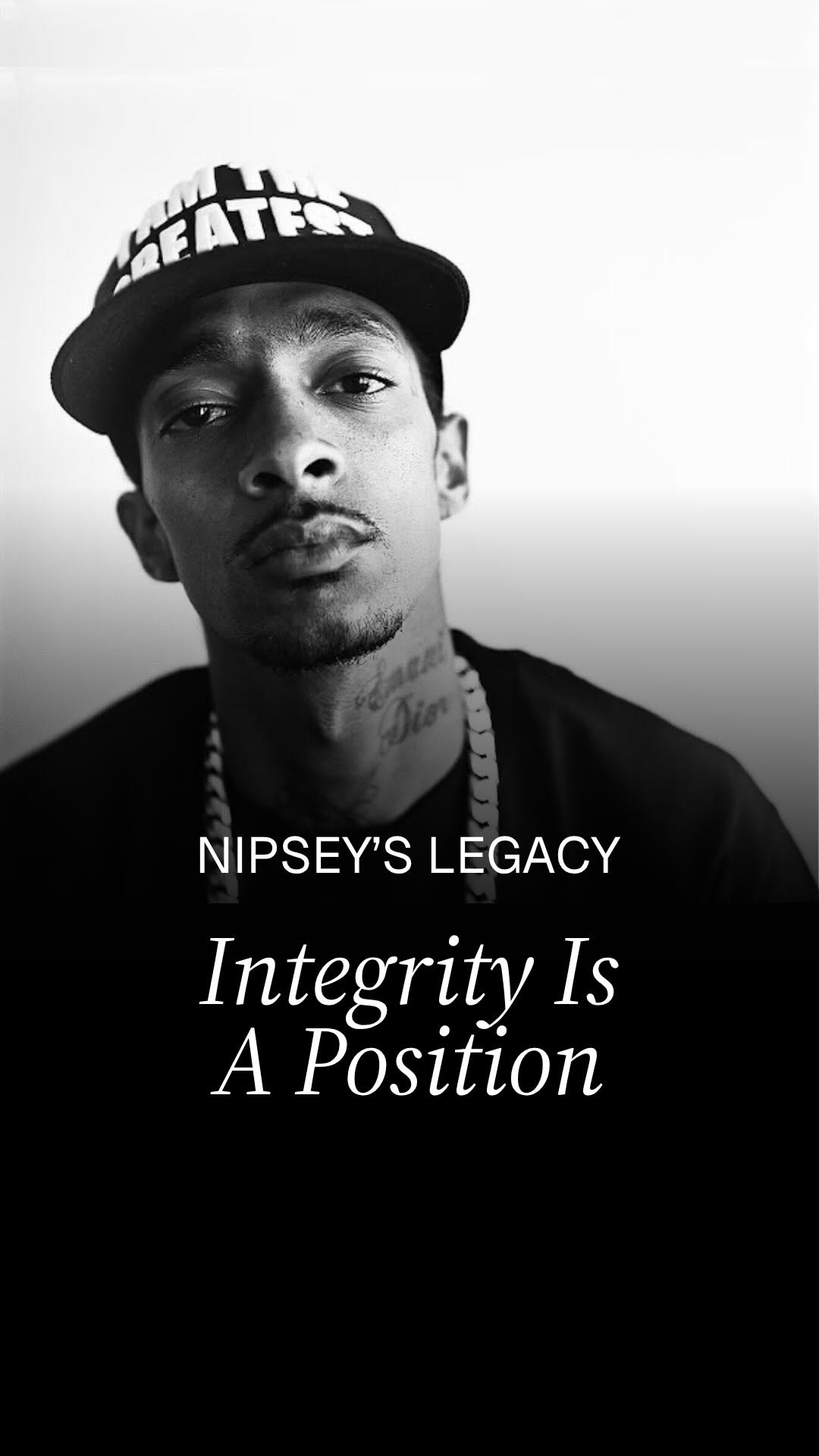
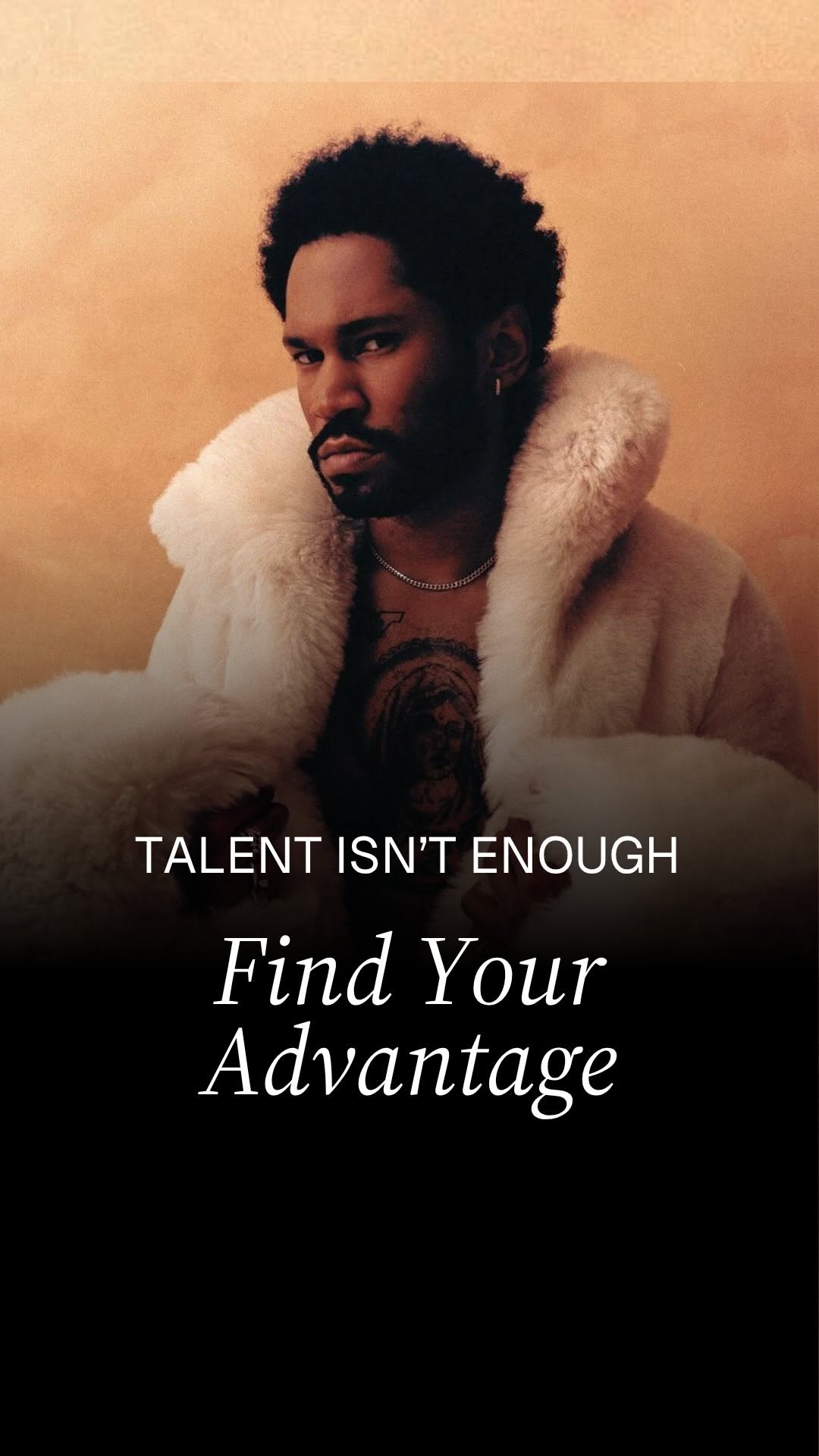
Nipsey Hussle, may he rest in peace, is the brand of patient integrity.
You can build a brand that people want to stand within because it makes them feel stronger, more in touch with their center, gritty & ambitious.
That was Nipsey.
It can be you too - with a couple plays:
1. Outline your values - what you really stand for, then stand by them no matter what.
2. Build on top of those values
3. Know what creates the movement and know what creates the money. It’s ok to have both.
Comment “Differ” or sign up to get more insight and frameworks on how to fix your positioning so you can stand out and win… at the link in bio.
Until next time cousins…✨🫶🏾
#business #innovation #design #creative #marketing
Transcript
He broke barriers when he made a $100,000 selling a mixtape most people could download for free, and that wasn't even the real genius. Welcome back to Talent Isn't Enough. Number one, let's look at the gravity of his brand. Nipsey's brand felt something like he wanted to belong to. It did not feel like a regular rapper brand. The marathon was a belief system, patience, ownership, long game. Fans identified with his posture, how he carried Crenshaw, how he talked about building, how he never best to the system. When you were a fan of Nipsey, you stood with Nipsey. You didn't follow him or even really aspire to be him. People wore marathon like a a creed. His brand was one that people rooted for because his whim felt like proof your way could work too. The takeaway here for you is if people admire your work, but they don't feel like they belong to something when they engage with it, You have a product and not a brand. The feeling that Nipsey brought to the world drew everyone in. It was a cultural win. But what he built underneath is where the commercial upside came in, which brings me to point number two. Let's talk about the cash register move. In 2013, Nipsey sold a thousand copies of his Crenshaw mixtape for a $100 each. Jay z bought a 100. In Nipsey's own words, he said music is abundant. Once things are abundant, they are free. So we moved the cash register to the product. He worst and opened marathon clothing on the corner where he used to sell CDs in the parking lot. Most founders compete on features. Most consultants are entrepreneurs. They compete on the deck. Most artists monetize the music. But Nipsey would consider those the crowded cash registers. Nipsey moved his to the place that no one else could build on that corner with those programs that upheld his posture he built with the music. The takeaway here is you've gotta find that for yourself. That is your differentiator. And number three, once you find that differentiator, you've gotta go deeper and not wider. Nipsey did not expand to 10 cities out of the gate. He bought the strip mall. He opened Better ninety, a coworking space and STEM better in the same neighborhood as Marathon Clothing. He launched an investment fund to develop the blocks around it. Everything was within walking distance of that one corner. Every expansion worked because people already trusted him. The brand, the message, the integrity of the values. That's what made each new move land. And the big thing about this is he did not have to re earn credibility every time he built something new. He was stacking his wins off of the brand that he had already built. The takeaway here for you is ask worse, what is your true differentiator? The thing that only works because it is you. Are you building around that difference or are you just copying really great tactics with no real differentiation? And then you're wondering why your value isn't really being understood. Remember, most of the tier, it is not your value. It is how your value is positioned. See you on the next episode.