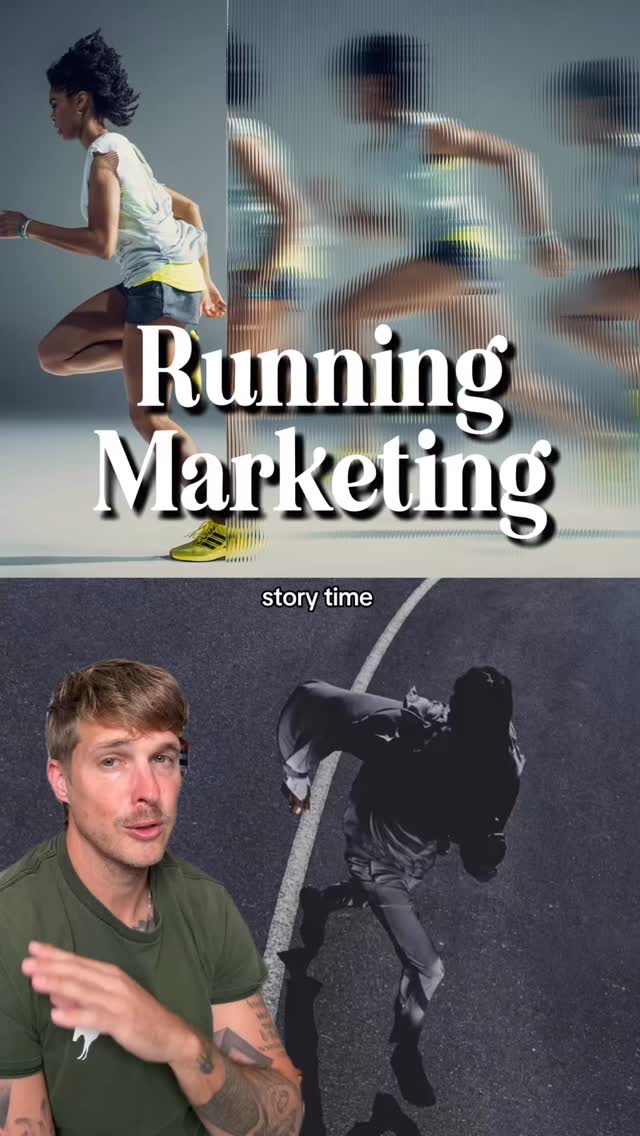
The creator presents a thesis on a major shift in brand building, arguing that success now comes from small, highly-engaged communities rather than mass-market reach. He contrasts the old model of advertising with the new 'sub-culture' model, then provides three specific case studies of niche running apparel brands (Bandit, Satisfy, and Norda) to prove how they outperform legacy brands by fostering intense community loyalty.
Post caption
#Signals - How Sub-Culture Brands are Owning the Future - I break down the rise of brands who have discarded the traditions of mass media and large followers for the cultural relevance of smaller but engaged communities. #brandstrategy #subculturebrands #zachheffner #consciousstrategy @nordarun @bandit @snowpeakusa @thecorridorcrew @satisfyrunning
Transcript
There is a shift happening in brand building right now that almost nobody is picking up. The most powerful new brands of 2026 do not have millions of followers, national ad campaigns, or celebrity endorsements. They have 5,000 people who would literally tattoo their logo on their body, and they're outperforming these legacy brands that are 10 times their size. Let me tell you what's happening. I'm Rank Heffner, and these are signals. Okay. So for over sixty years, brand building was a mass market game. Right? The bigger the reach, the bigger the win. Nielsen ratings, national ad buys, category dominance, and then something broke. Look at what's winning right now. Worst, look at Bandit running. The NYC founded running brand that started out as honestly a Nike anti establishment protest now sells out drops in minutes with a following that is tiny compared to Nike, but rabid in a way Nike hasn't been in thirty years. There's also Satisfye running out of Paris. They have never run a mainstream ad campaign, but but their community treats their gear like sacred objects. Norda, Canadian trail running rank, under 200,000 followers total, but every drop sells out