Viral Hooks
Trending short videosArchival footage of Japanese motorcycle culture
P

@patina.research

Instagram · Faceless
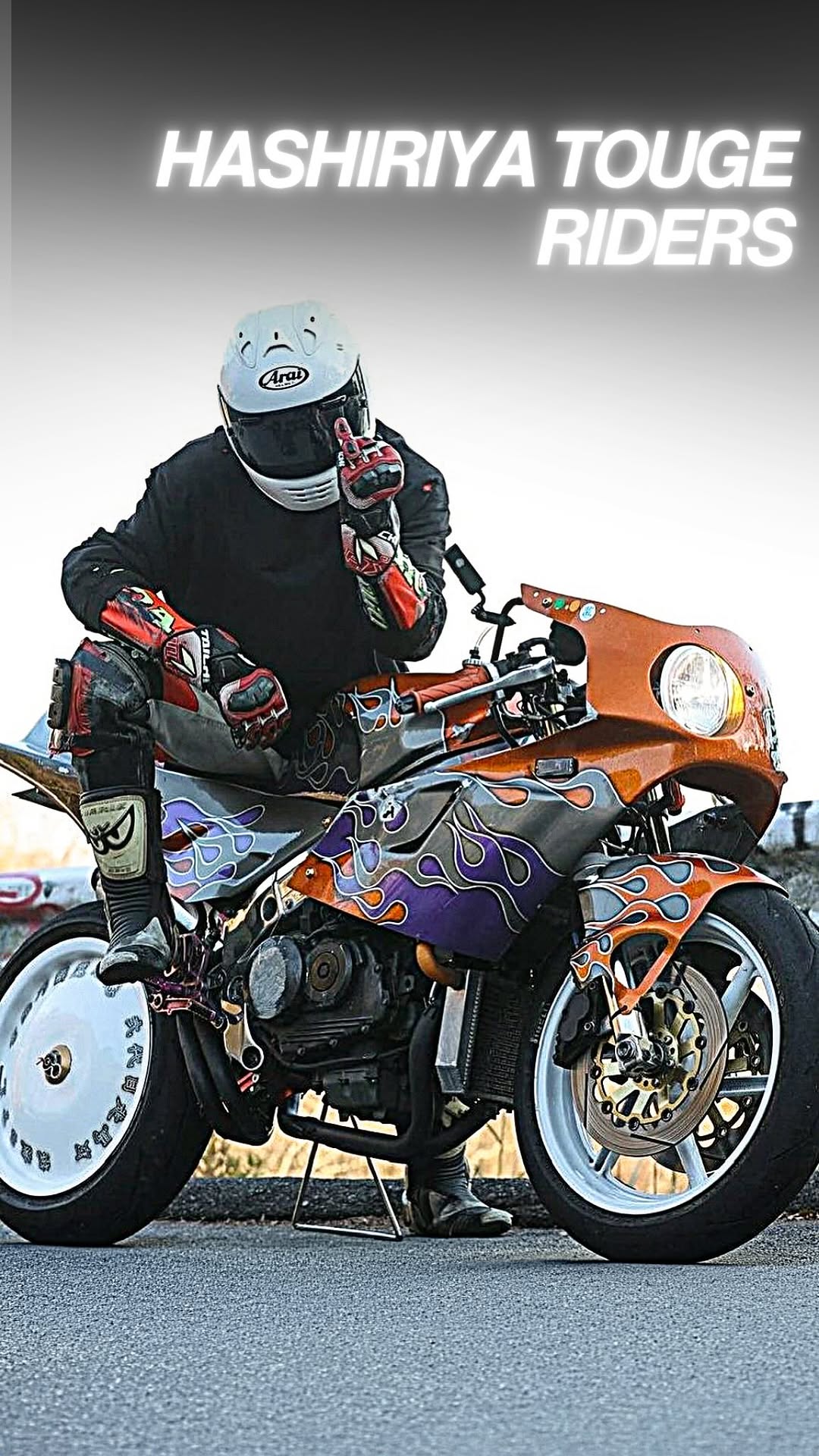
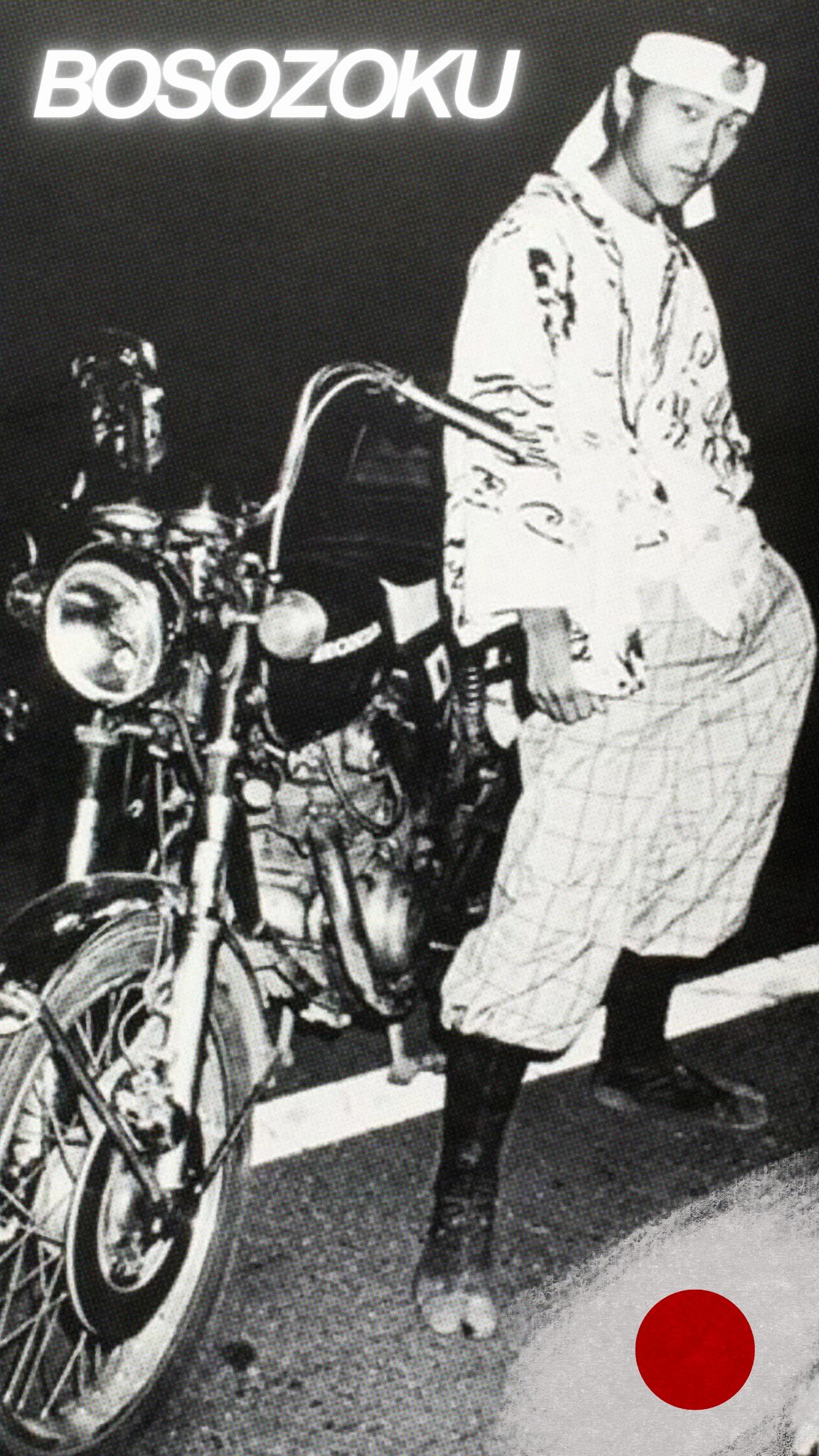
@patina.research In 1980s and 1990s Japan, 峠ライダー (Touge Riders) and 走り屋ライダー (Hashiriya Riders) proved that the touge wasn’t just for cars. Documented by バリバリマシン (Bari Bari Machine), riders on Honda NSR250Rs, Yamaha TZR250s, Suzuki RGV250 Gammas, and Honda CBR400RRs attacked the same narrow mountain passes after dark, dressed in colorful leathers, replica GP suits, and matching team uniforms. Style mattered as much as speed, but the roads were unforgiving, crashes were common, and some riders never made it home. This was the golden age of Japan’s underground motorcycle touge culture.
View original on Instagram

The edit1 shot · 18 text
Shots Text1:28

Performance

Views
609.1K
Likes
29.8K
Comments
262
Engagement
4.9%
Outlier
5.3×
Length · 6 Jun 2026
1:28

Video #32925 · Faceless

Archival footage of Japanese motorcycle culturefrom @patina.research

[01]

Overview

The video presents a historical overview of Japan's underground motorcycle touge racing culture from the 1980s and 90s. Using a montage of archival footage and narrative text overlays, it showcases the high-speed racing on narrow mountain passes, details the unique style of the riders including their custom bikes and colorful team uniforms, and highlights the extreme dangers and high stakes of the illegal sport, including frequent crashes and fatalities.

[02]

Simple outline

  1. 1Challenge common belief
  2. 2Detail the aesthetic identity
  3. 3Reveal the inherent dangers
  4. 4Solidify the cultural legacy

[03]

Related videos

[04]

Classification

Format
Concepts
Nostalgia HighlightLifestyle Showcase
Elements
Archival FootageMontage EditingRetro AestheticVoiceoverTitle Text Hook

[05]

Hook analysis

What stops the scroll in the first 3 seconds

Title hook · 65%

TOUGE RACING WASN'T JUST FOR CARS

Visual hook · 35%

The video opens with a dynamic, fast-paced shot of a motorcycle leaning aggressively into a sharp turn on a mountain road. The motion and the grainy, archival quality of the footage immediately create a sense of high-speed action and historical authenticity.

[06]

Hook template

Steal this for your own video

[iconic scene] wasn’t just for [expected group].

  • — The Michelin-star kitchen wasn’t just for chefs.
  • — The trading floor wasn’t just for bankers.
  • — The battlefield wasn’t just for soldiers.

[07]

Hook and payoff

The promise the opener makes, and how the video pays it back

Hook

State a surprising, counter-intuitive fact that refutes a popular assumption about a well-known topic, immediately creating a knowledge gap and establishing the video's unique perspective.

Payoff

The Cultural Stamp: Deliver a definitive summary statement that labels and defines the subculture, cementing its identity and historical importance for the viewer.

[08]

Narrative framework

The structural pattern this video runs on

Framework

The Subculture Showcase

To introduce a niche or forgotten subculture by first challenging a common misconception, then systematically revealing its core tenets (aesthetics, ethos, dangers), and finally summarizing its identity to establish its historical significance.

  1. 1

    The Thesis Declaration

    Explicitly state the video's core premise and introduce the subjects, reinforcing the hook and framing the video as an informative deep-dive.

  2. 2

    The Aesthetic Codex

    Systematically break down the unique visual and stylistic elements that define the subculture's identity, such as uniforms, equipment, and personalized gear, establishing the group's ethos and 'cool factor'.

  3. 3

    The High-Stakes Reality

    Introduce the environmental challenges, risks, and severe consequences associated with the subculture's activities, escalating the emotional stakes from aspirational to dangerous.

Themes

  • Nostalgia
  • Subculture
  • Risk-taking
  • Style and Identity
  • Motorsport History

Techniques

  • Archival footage compilation
  • Montage editing
  • Text-driven narrative

Post caption

In 1980s and 1990s Japan, 峠ライダー (Touge Riders) and 走り屋ライダー (Hashiriya Riders) proved that the touge wasn’t just for cars. Documented by バリバリマシン (Bari Bari Machine), riders on Honda NSR250Rs, Yamaha TZR250s, Suzuki RGV250 Gammas, and Honda CBR400RRs attacked the same narrow mountain passes after dark, dressed in colorful leathers, replica GP suits, and matching team uniforms. Style mattered as much as speed, but the roads were unforgiving, crashes were common, and some riders never made it home. This was the golden age of Japan’s underground motorcycle touge culture.
Text overlays

  • title · beginning

    TOUGE RACING WASN'T JUST FOR CARS

  • informational · beginning

    THE WINDING RIDERS OF JAPAN

  • informational · beginning

    MANY PEOPLE ASSOCIATE TOUGE RACING WITH CARS

  • informational · beginning

    BUT MOTORCYCLES WERE ALWAYS PART OF IT

  • informational · beginning

    峠ライダー [TOUGE RIDERS] ATTACKED THE MOUNTAINS

  • contextual · middle

    DOCUMENTED BY バリバリマシン [BARI BARI MACHINE]

  • informational · middle

    BRIGHT RACING LEATHERS BECAME THE UNIFORM

  • informational · middle

    REPLICA GP SUITS INSPIRED BY RACING HEROES

  • informational · middle

    CUSTOM HELMETS COMPLETED THE LOOK

  • informational · middle

    MATCHING TEAM UNIFORMS SHOWED CREW PRIDE

  • informational · middle

    STYLE MATTERED ALMOST AS MUCH AS SPEED

  • informational · middle

    WILD GRAPHICS COVERED CUSTOM PAINTED BIKES

  • informational · end

    THE ROADS WERE NARROW AND UNFORGIVING

  • informational · end

    THE STAKES WERE ALWAYS HIGH

  • informational · end

    CRASHES WERE A COMMON SIGHT

  • informational · end

    SOME RIDERS NEVER MADE IT HOME

  • informational · end

    THIS WAS JAPAN'S UNDERGROUND MOTORCYCLE CULTURE

  • informational · end

    走り屋ライダー [HASHIRIYA RIDERS]

Archival footage of Japanese motorcycle culture | Viral Hooks