Viral Hooks
Trending short videosRaw look at deadly motorsport history
P

@patina.research

Instagram · Vlog
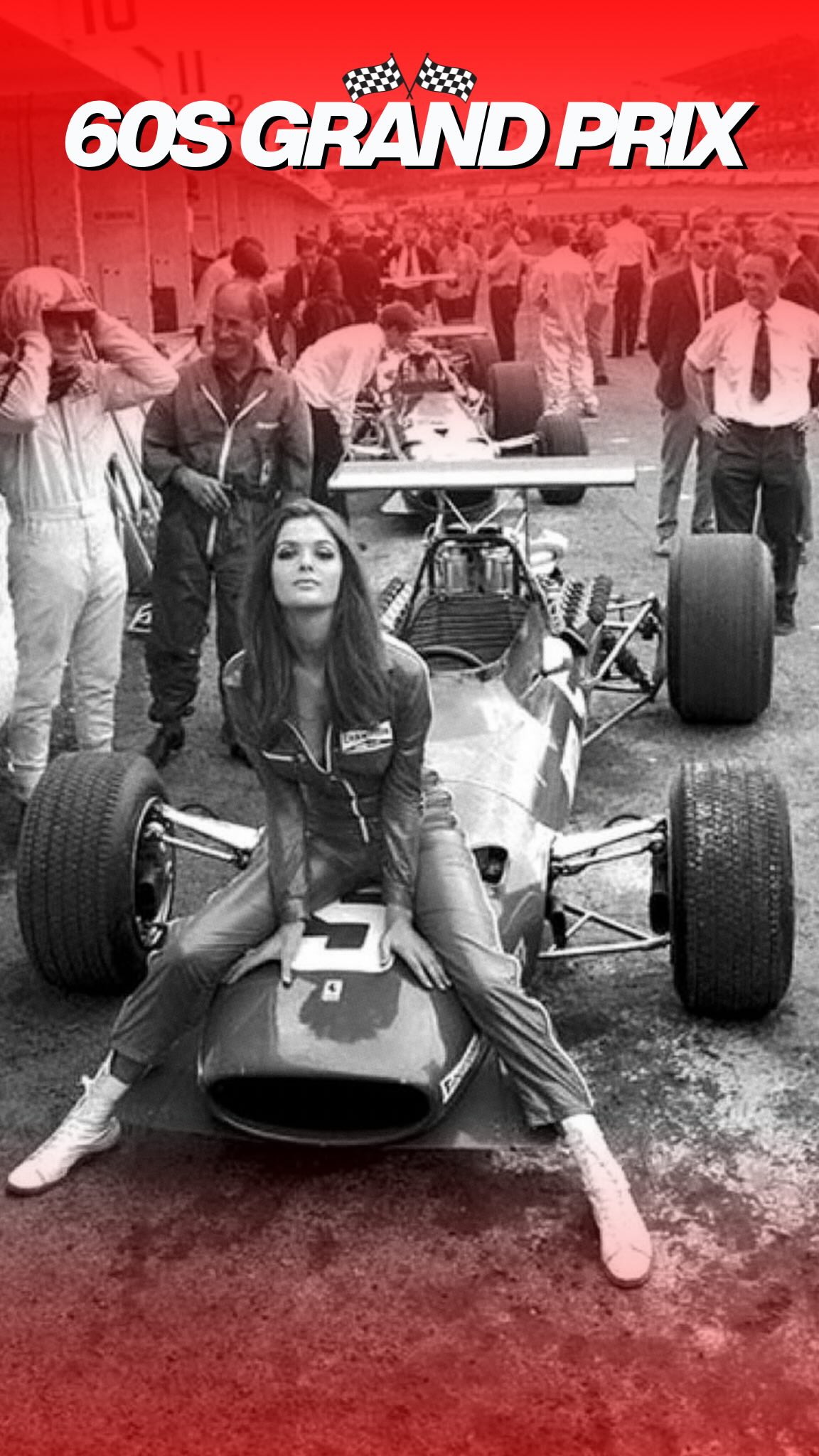
@patina.research Grand Prix in the 60s and 70s: it’s hard to summarize a whole decade in just a minute, but let’s just say it wasn’t for the faint of heart. This is raw footage, and I’m not sugarcoating anything. It was rough, it was dangerous, it was fast, the cars were incredible, and most importantly, it was incredibly fun to watch. But behind the glamour and speed was a darker reality, driver fatalities were shockingly common, the cars were unsafe, the circuits were poorly equipped, and medical response was almost nonexistent.
View original on Instagram

The edit1 shot · 5 text
Shots Text

Performance

Views
564.6K
Likes
0
Comments
0
Outlier
1.6×

Video #5709 · Vlog

Raw look at deadly motorsport historyfrom @patina.research

[01]

Overview

The video uses a montage of archival footage from 1960s Grand Prix races, narrated by a voiceover, to document the extreme dangers of the era. It highlights specific crashes, the lack of safety measures for drivers and spectators (like inadequate equipment, poor communication, and flammable materials), and provides statistics on fatalities to tell the story of motorsport's deadliest period.

[02]

Simple outline

  1. 1Present shocking incident
  2. 2Reveal systemic failures
  3. 3Quantify the danger
  4. 4List specific hazards
  5. 5Reinforce fatal consequences

[03]

Related videos

[04]

Classification

Format
Concepts
Nostalgia Highlight
Elements
VoiceoverMontage EditingText Overlay

[05]

Hook analysis

What stops the scroll in the first 3 seconds

Title hook · 35%

60S GRAND PRIX RAW AND UNCUT

Verbal hook · 20%

Would try to save Roger.

Visual hook · 45%

The video opens with a dramatic, chaotic scene of a race car crash on a track, with a person in a racing suit running towards the wreckage. The immediate action and sense of danger serve as a strong visual hook.

[07]

Hook and payoff

The promise the opener makes, and how the video pays it back

Hook

The In-Media-Res Crisis: Begin with a dramatic, high-stakes moment that immediately establishes the core conflict or danger without context, forcing the viewer to ask 'what is happening?' and 'why?'.

Payoff

The Fatalistic Conclusion: End by returning to visceral, impactful evidence that reinforces the initial hook and leaves the viewer with a powerful emotional understanding of the consequences of the subject's flaws.

[08]

Narrative framework

The structural pattern this video runs on

Framework

The 'Brutal Reality' Exposé

To expose the shocking, often hidden, dangers or flaws of a specific topic, era, or industry by layering visceral evidence, systemic analysis, and specific examples to build an overwhelming case.

  1. 1

    The Systemic Breakdown

    Broaden the scope from the initial incident to the underlying systemic or environmental failures that allowed it to happen. This shifts the focus from a single event to a widespread problem.

  2. 2

    The Statistical Gut-Punch

    Introduce a shocking, quantifiable statistic that proves the initial incident is not an anomaly but part of a larger, dangerous pattern. This uses data to validate the emotional hook.

  3. 3

    The Mission Statement

    Clearly state the video's purpose, framing the preceding chaos as the subject of a historical or investigative narrative. This provides context and sets viewer expectations for the rest of the video.

  4. 4

    The Ironic Anecdote

    Present a specific, memorable story or example that highlights the flawed mindset or cultural norms of the subject, often with a sense of dark irony (e.g., applauding a near-death experience).

  5. 5

    The Hazard Montage

    A rapid-fire sequence of distinct, easily digestible examples of specific flaws, dangers, or absurdities, each reinforcing the central thesis in a quick, impactful way.

Themes

  • Danger
  • Motorsport History
  • Safety Evolution
  • Nostalgia

Techniques

  • Archival Footage
  • Voiceover Narration
  • Montage

Post caption

Grand Prix in the 60s and 70s: it’s hard to summarize a whole decade in just a minute, but let’s just say it wasn’t for the faint of heart. This is raw footage, and I’m not sugarcoating anything. It was rough, it was dangerous, it was fast, the cars were incredible, and most importantly, it was incredibly fun to watch. But behind the glamour and speed was a darker reality, driver fatalities were shockingly common, the cars were unsafe, the circuits were poorly equipped, and medical response was almost nonexistent.
Text overlays

  • title · beginning

    60S GRAND PRIX RAW AND UNCUT

  • informational · end

    BETWEEN 1960 AND 1970, 14 DRIVERS AND 15 SPECTATORS DIED AS A RESULT OF GRAND PRIX EVENTS

  • title · end

    THE DEADLIEST MOTORSPORT ERA

  • branding · end

    PATINA

  • contextual · middle

    THIS IS THE STORY OF THAT TERRIFYING ERA AND THE SLOW PAINFUL ROAD TO A SAFER FUTURE

Transcript

Would try to save Roger. But still, the race would not be stopped. The marshals would be ill equipped, and communications would fail. The fire engine would not arrive in time. This is the story of that terrifying era and the slow, painful road to a safer future. When Hans Herman was thrown from his somersaulting BRM at the nineteen fifty nine German Grand Prix. The audience applauded his luck. Spectators free to stand anywhere. Pips open with petrol lying around in barrels. Overalls made of cotton and helmets often made of leather. The drivers wore lucky charms rather than sweet pots. And exploded into planes. The driver of the following car, David Purley.

Raw look at deadly motorsport history | Viral Hooks