@couldbaret
TikTok · Yap

@couldbaret Convinced the gifted program was just MK Ultra

@couldbaret
TikTok · Yap
@couldbaret Convinced the gifted program was just MK Ultra
Performance
Video #33355 · Yap
[01]
The creator sarcastically responds to the hypothetical question of how one could tell he was a 'gifted kid.' He delivers a monologue listing several stereotypical traits of adult 'gifted kid burnout,' including a look of exhaustion, anxious perfectionism, a collection of abandoned hobbies, and the tendency to quit if not immediately perfect at something. He concludes with a humorous, specific example about not needing to be the 'Michael Jordan of sourdough.'
[02]
[03]
 282.5K23.5×Satirical monologue on gifted kid burnout@couldbaret · Cultural Rant
 3M94.8×Speaker explains delusion and success@thejaunt_ · Anecdotal Philosophy
 330.6K37.3×Satirical take on ADHD at work@mimikarp · Relatable Skit
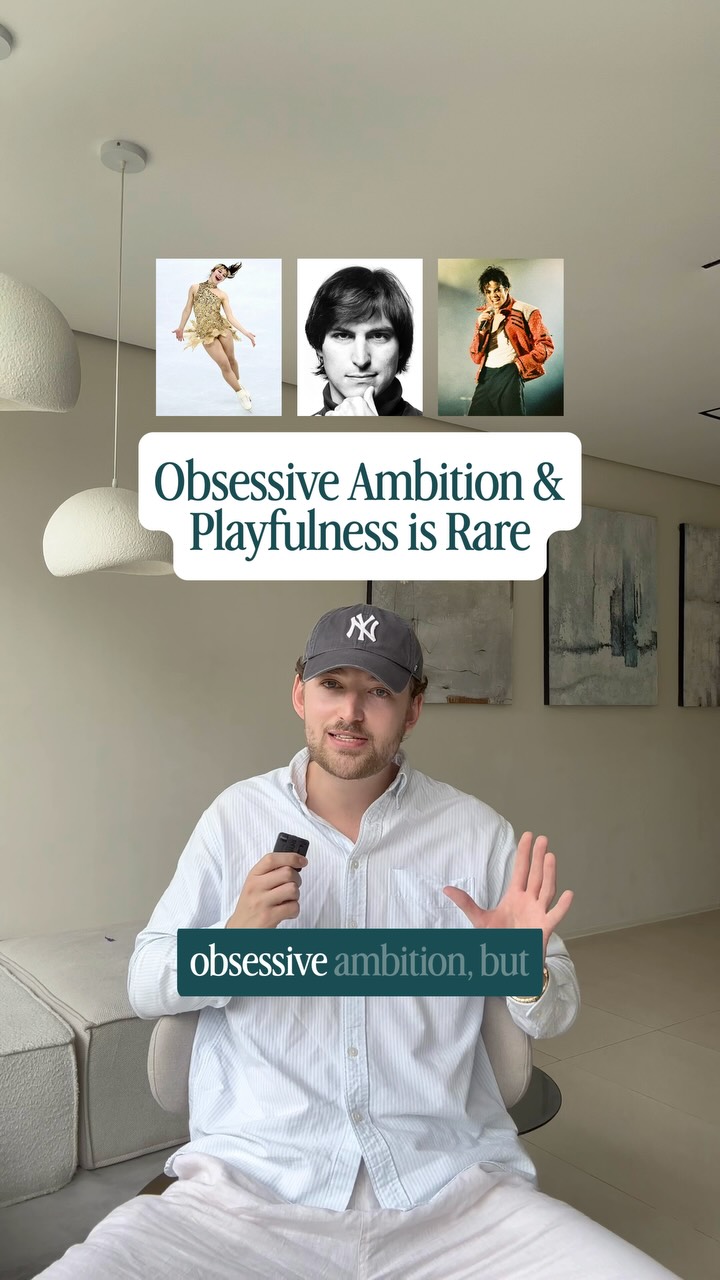 441.9KExplains a rare personality archetype@diewithoutregretss · Opportunity Explainer
 126K15.8×Direct talking head mindset advice@sensei.nick · Hot Take
 399.3K15.1×Relatable joke about education perks@leightonwrites
 94K8.5×Satirizing rare personality type videos@sensei.nick · Satirical Expertise
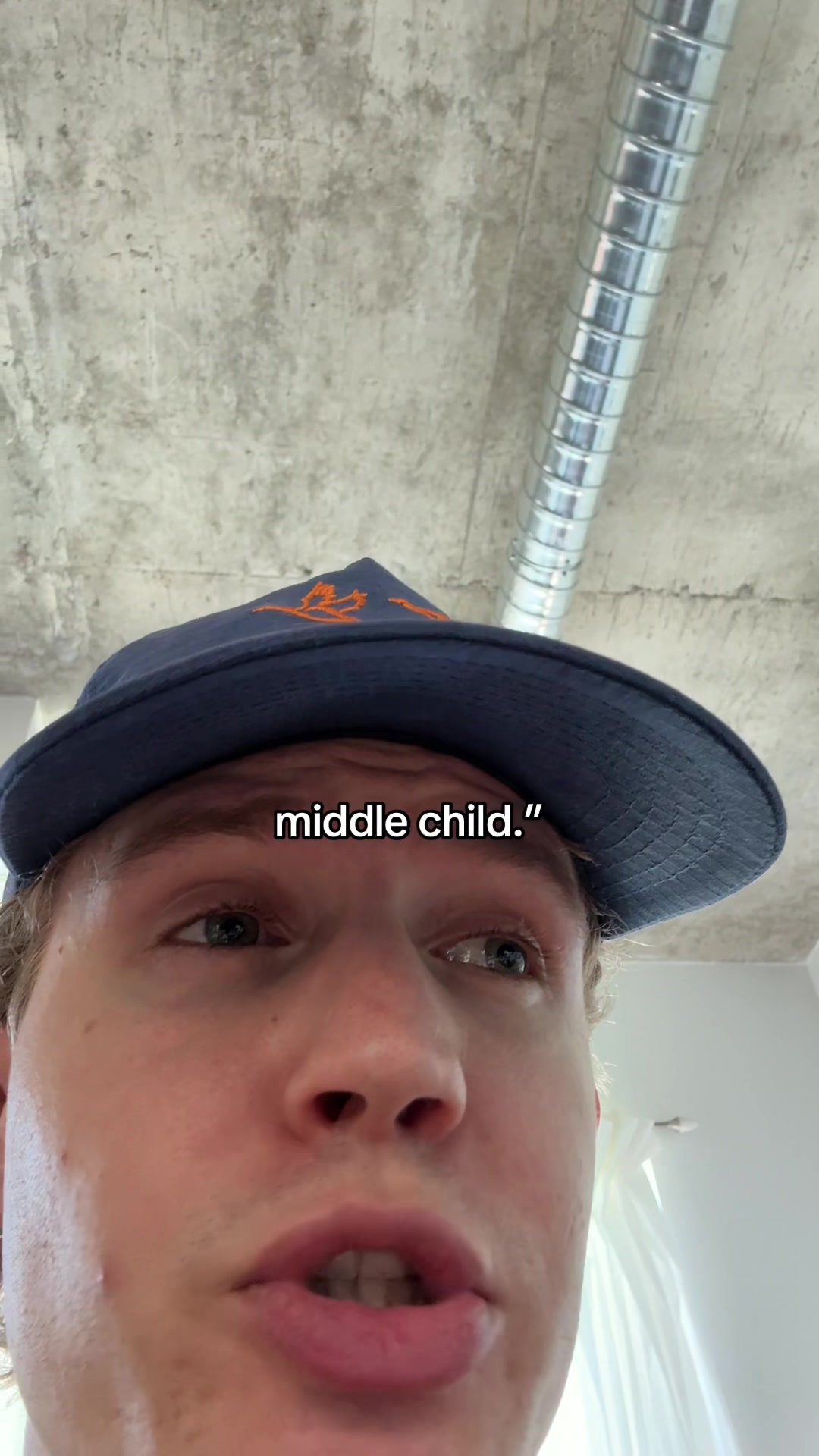 868.7K55×Comedic roast of middle children.@couldbaret · What Your X Says About You
 22.1M17.4×Creator reflects on becoming adult@wacomo · Relatable Skit
 4.2M108×Creator lists niche self-improvement habits@jun_yuh · Rapid Fire Listicle
 4.9M413.6×Explaining the high-leverage career mindset@thejaunt_ · Opportunity Explainer
 3M79.2×Deadpan confession about holding grudges@couldbaret · Vulnerable Monologue
[04]
[05]
What stops the scroll in the first 3 seconds
Verbal hook · 70%
Could you tell I was a gifted kid?
Visual hook · 30%
An extreme close-up of the creator's face, shot from a low angle, which creates an immediate and slightly unconventional perspective.
[06]
Steal this for your own video
Could you tell I was a ?
[07]
The promise the opener makes, and how the video pays it back
Hook
The creator repeats a question they were supposedly asked ('How could you tell...?'), immediately establishing a premise and pulling the viewer into the middle of a defensive, rhetorical conversation.
Payoff
The Exasperated Punchline: A short, final utterance ('Come on.') that serves as a release of tension and a signal of shared, frustrated understanding with the audience.
[08]
The structural pattern this video runs on
Framework
The Escalating Evidence Monologue
To deconstruct a common identity or archetype by presenting a rapid-fire series of increasingly specific and painfully accurate observations, framed as an answer to a rhetorical question.
The Obvious Physical Tell
Begins the argument by citing the most general, universally recognized physical trait associated with the archetype (e.g., 'the look of burnout').
The Internalized Mindset
Transitions from the external to the internal, describing a core behavioral pattern or psychological state (e.g., 'anxious perfectionist').
The Trail of Physical Evidence
Points to the tangible, environmental consequences of the archetype's behavior, using a hyper-specific and modern metaphor to enhance relatability (e.g., 'stockpile of abandoned hobbies... haunted Temu warehouse').
The Direct Confrontation
Breaks the descriptive pattern to pose a sharp, accusatory rhetorical question directly to the audience/subject, increasing the intensity and personal stake.
The Core Flaw Diagnosis
Explicitly states the central psychological flaw or paradox that drives all the previously mentioned behaviors (e.g., 'if you're not immediately perfect... it's not even worth trying').
The Absurdist Analogy
Illustrates the core flaw with a highly specific, unexpected, and comedic comparison that makes the abstract concept feel concrete and ridiculous (e.g., 'the Michael Jordan of sourdough').
Convinced the gifted program was just MK Ultra
Could you tell I was a gifted kid? How could I tell? You mean beyond the general look of burnout permanently stamped on your face? You know you should strive for eight hours of sleep. Right? You can pick up being an anxious perfectionist in the morning. Or maybe it was the stockpile of abandoned hobbies that make your living space look like a haunted Tier warehouse. Would it kill you to stick to something for three months? Or maybe it's the fact that if you're not immediately perfect at something, you act like it's not even worth trying. Nobody's asking you to be the Michael Jordan of Sourdough. Come on.