@wikipedia
Instagram · Talking Head Edit

@wikipedia Viewer discretion is advised for viewers who suffer from a fear of flying. 🎥 @zacspeaksgiant 🎨 @punkeydoodles8

@wikipedia
Instagram · Talking Head Edit
@wikipedia Viewer discretion is advised for viewers who suffer from a fear of flying. 🎥 @zacspeaksgiant 🎨 @punkeydoodles8
Performance
Video #33475 · Talking Head Edit
[01]
The creator narrates the true story of the British Airways Flight 5390 incident, using on-screen text from an article as the script. He explains how the cockpit windscreen blew out, partially ejecting the captain, and details the heroic efforts of the flight crew to hold onto him and safely land the plane, supported by animated illustrations of the events.
[02]
[03]
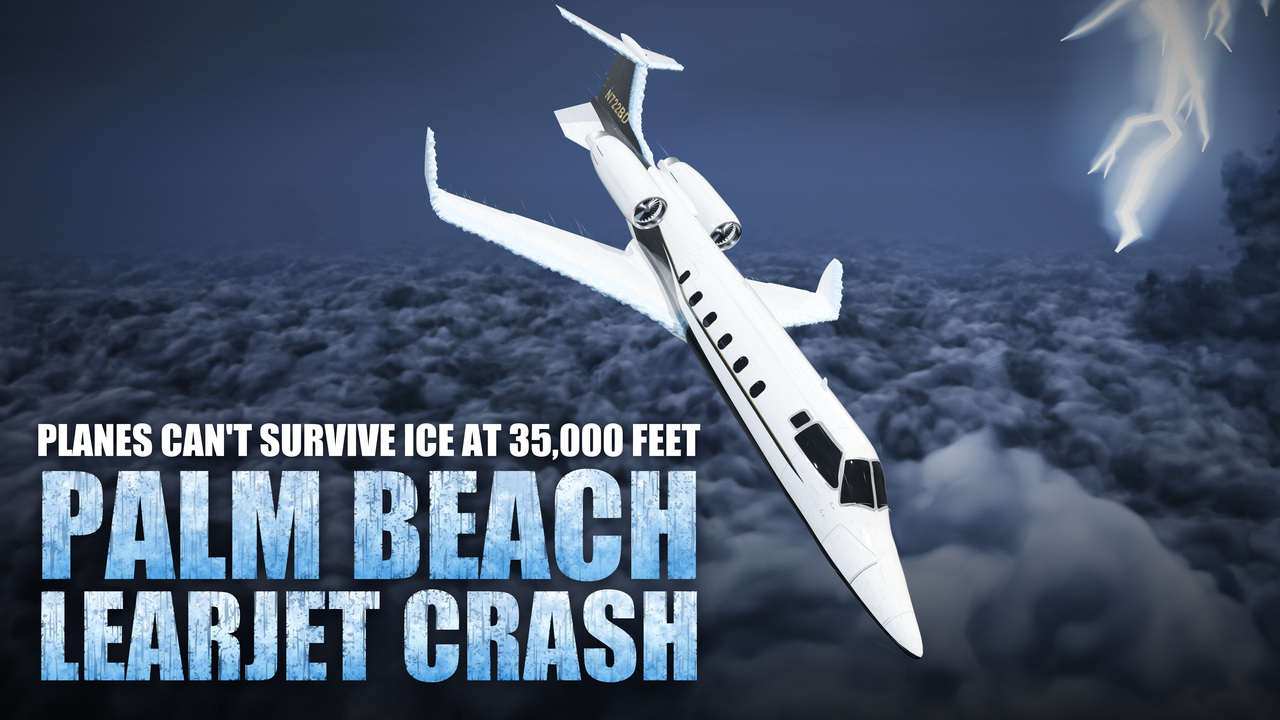 197.9K15.2×3D animated plane crash breakdown@inside_decoded · Breakdown
 123.6K4.6×Relatable POV for specific profession@gabetheelectrician · Skit
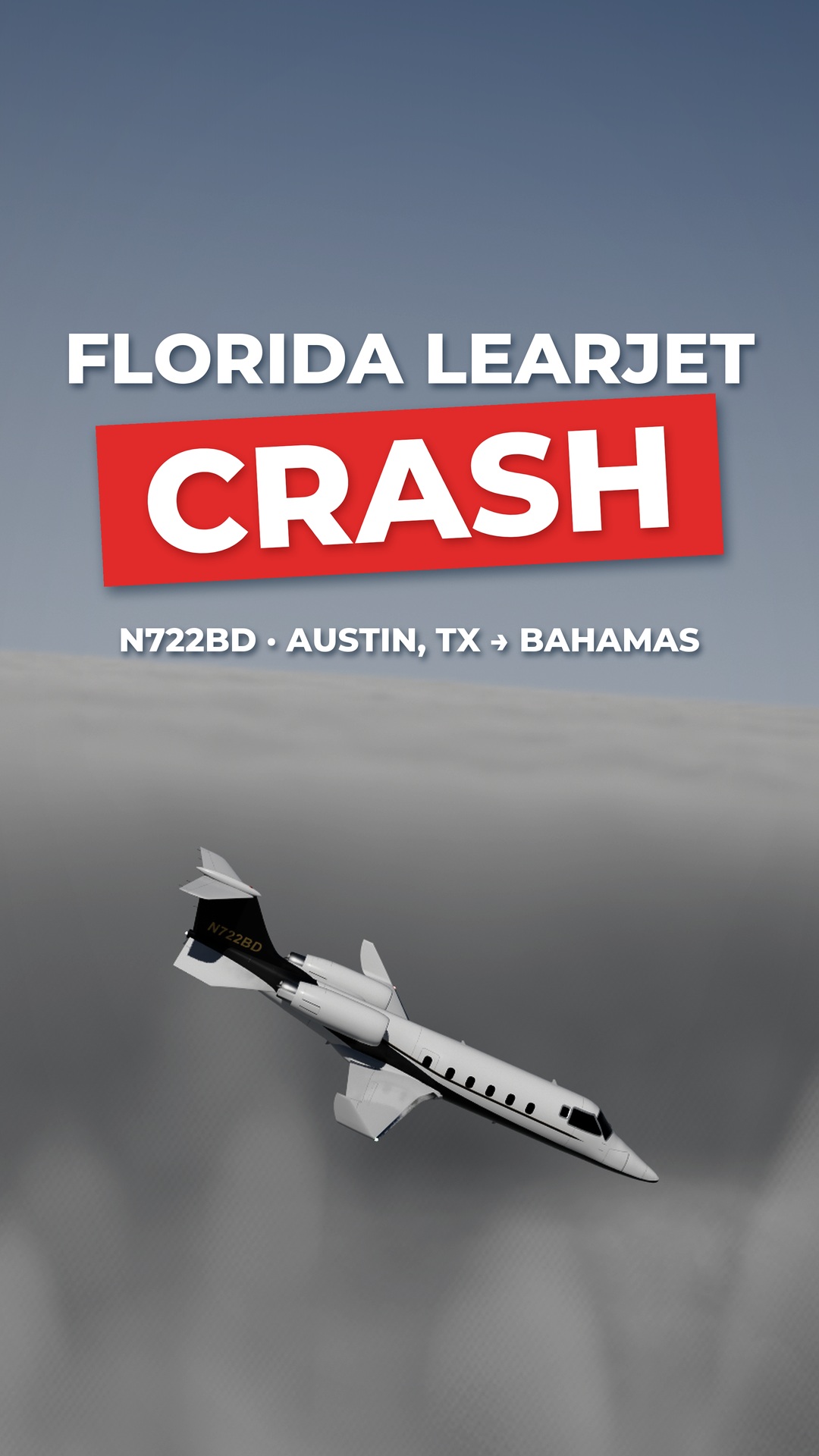 805.9K37.7×Visual data breakdown of jet crash@inside_decoded · Case Study Breakdown
 432.4KAirplane story with Snickers punchline@oliviabarbulescu · Relatable Skit
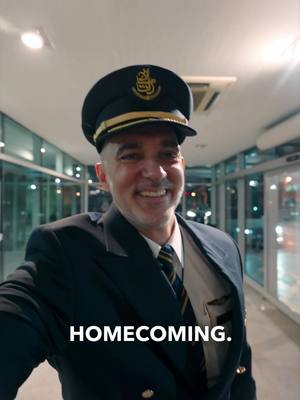 7.1M3.5×Pilot vlogs inaugural hometown flight@emirates · Day In The Life
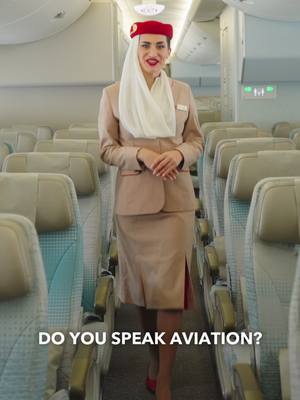 1.6MRapid fire aviation acronym quiz@emirates · Rapid Fire Listicle
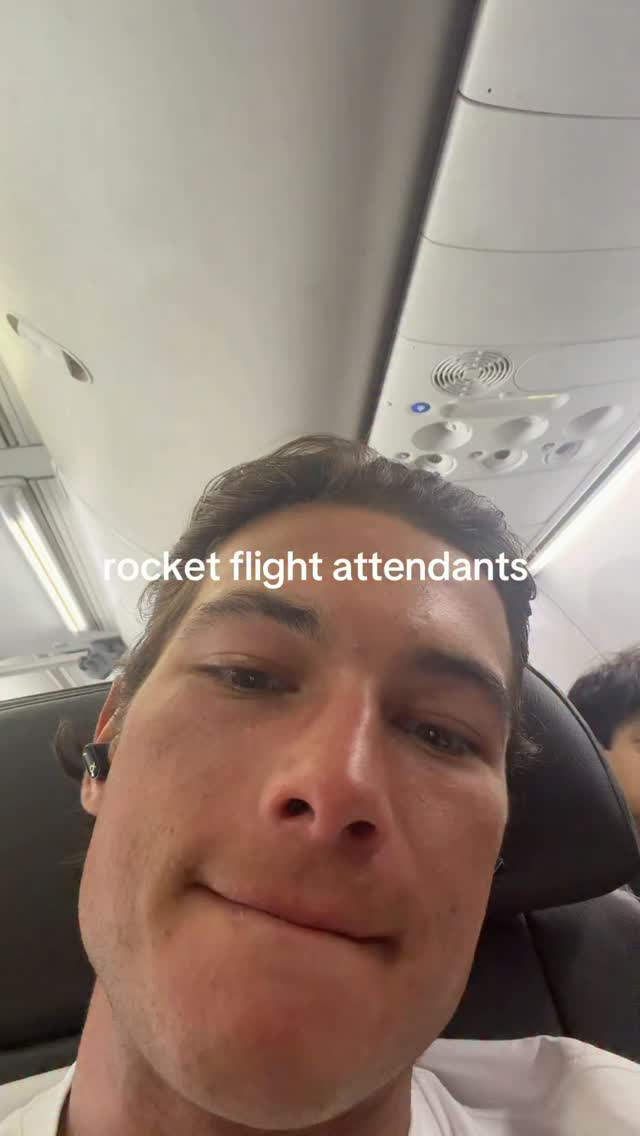 2.6M9.9×Relatable airplane crush text overlay@bigjohngolfs · Relatable One Shot
 594.8K24.1×Airport sketching tutorial and vlog@kevin_zych · Tutorial / How To
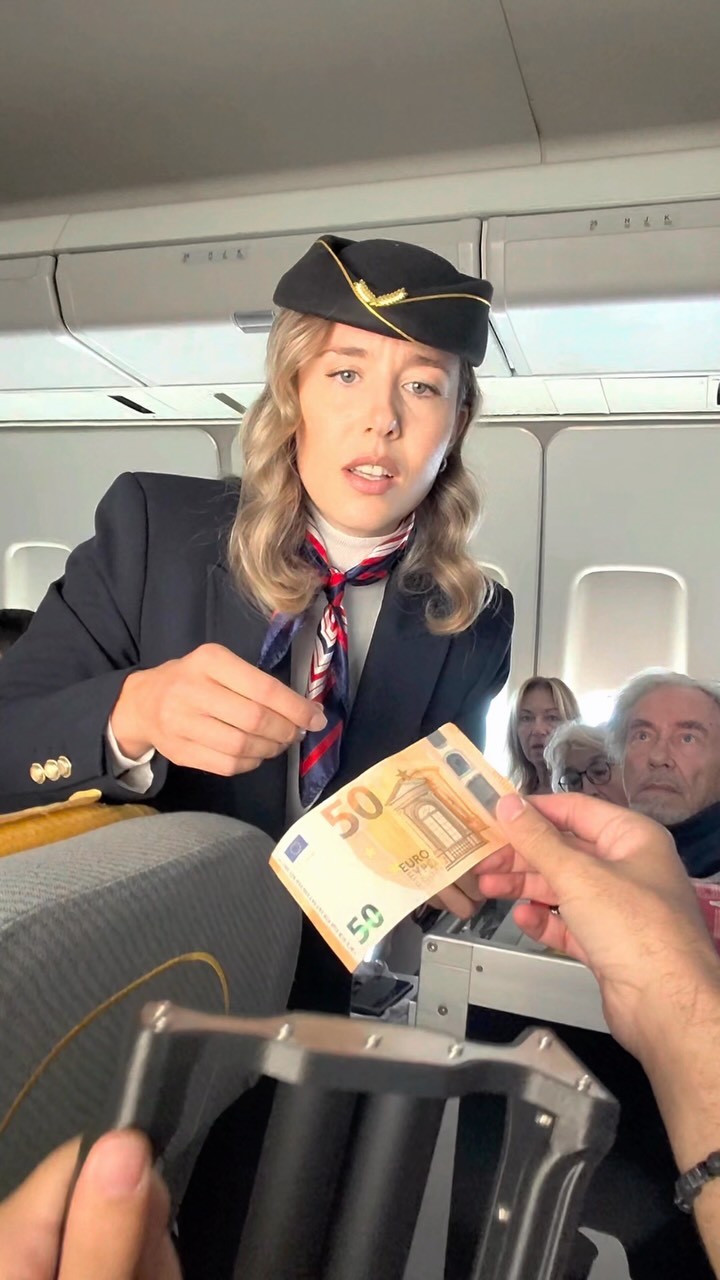 11.5M4.8×Airplane money printing prank@elyasclaire · Skit
 643.1KExaggerated budget airline skit@thejarrodbenson · Relatable Skit
 494.2K1.7×Pilot's homecoming flight with dad@united · Origin Story
 1.7M123.6×Meme text over plane takeoff@ryanair · Relatable One Shot
[04]
[05]
What stops the scroll in the first 3 seconds
Title hook · 25%
British Airways Flight 5390
Verbal hook · 65%
In June of 1990, flight attendant Nigel Ogden was entering the cockpit when a loud bang occurred.
Visual hook · 10%
A medium close-up shot of the creator speaking directly to the camera, establishing a personal connection. The background is artfully arranged with flowers and glass bottles, creating a visually interesting setting.
[06]
Steal this for your own video
In , was when happened.
[07]
The promise the opener makes, and how the video pays it back
Hook
The narrative begins in media res with the inciting incident, dropping the viewer directly into a moment of high-stakes crisis with no introduction.
Payoff
The payoff subverts expectations by revealing a miraculous or unexpected survival, followed by a detailed accounting of the physical and psychological toll, providing both shock and a grounded sense of closure.
[08]
The structural pattern this video runs on
Framework
The Cascade of Failure
A rapid-fire, escalating narrative that details a single catastrophic event, the compounding secondary failures, the impossible human choices made in the moment, and the surprising, detailed aftermath.
The Unthinkable Event
Establishes the core, unbelievable crisis that sets the story in motion, immediately defining the central conflict (e.g., a person being ejected from a vehicle).
The Compounding Disaster
Details a series of secondary and tertiary failures that stem from the initial event, systematically escalating the stakes and making the situation exponentially worse (e.g., loss of control, acceleration).
The Human Anchor
Shows a character taking a desperate, physical action to counteract the overwhelming mechanical/systemic failure, creating a focal point of human struggle.
The Horrific Dilemma
Presents the characters with an impossible, high-stakes choice where every option has a potentially catastrophic consequence, maximizing psychological tension.
The Turning Point
A critical moment where a character manages to regain a small amount of control, providing the first glimmer of hope and initiating the story's climax.
The Consequence Catalog
Delivers the final resolution by revealing the surprising outcome and then methodically listing the specific, often severe, consequences and injuries, grounding the extraordinary event in tangible human cost.
Viewer discretion is advised for viewers who suffer from a fear of flying. 🎥 @zacspeaksgiant 🎨 @punkeydoodles8
title · beginning
British Airways Flight 5390
informational · beginning
In June of 1990, Flight attendant Nigel Ogden was entering the cockpit when a loud bang occurred. The left windscreen panel, on 42-year-old Captain Lancaster's side of the flight deck, had separated from the forward fuselage; Lancaster was propelled out of his seat by the rushing air from the decompression and forced headfirst out of the flight deck. His knees were caught but his upper torso remained outside the aircraft.
informational · middle
The autopilot disengaged, causing the plane to descend rapidly. The flight deck door was blown inward onto the control console, blocking the throttle control (causing the aircraft to gain speed as it descended). Ogden rushed to grab Lancaster's belt, keeping him partially inside the cockpit.
informational · middle
By this time, Lancaster had shifted several centimetres farther outside and his head was repeatedly striking the side of the fuselage. The crew believed him to be dead, but Aitchison told the others to continue holding onto him, out of fear that letting go of him might cause him to strike the left wing or engine.
informational · end
Eventually, Aitchison was able to hear the clearance from ATC to make an emergency landing at Southampton Airport and at 08:55 the aircraft landed.
informational · end
Lancaster survived with frostbite, bruising, shock, and fractures to his right arm. Ogden had frostbite in his face, a dislocated shoulder, and later suffered from post-traumatic stress disorder. There were no other injuries.
June 1990, flight attendant Nigel Ogden was entering the cockpit when a loud bang occurred. The left windscreen panel on Captain Lancaster's side of the flight deck had separated from the forward fuselage. Lancaster was propelled out of his seat by the rushing air from the decompression, and forced head worst out of the flight deck. His knees were caught, but his upper torso remained outside of the aircraft. The autopilot disengaged, causing the plane to descend rapidly. The flight deck door was blown inward onto the control console, blocking the throttle no, causing the aircraft to gain speed as it descended. Ogden rushed to grab Lancaster's best, keeping him partially inside the cockpit. By this time, Lancaster had shifted several centimeters further outside, and his head was repeatedly striking the side of the fuselage. The crew believed him to be Ted, but Acheson told the others to continue holding on to him out of fear that letting him go might cause him to strike the left wing or engine. Eventually, Acheson was able to hear the clearance from ATC to make an emergency landed at Southampton Airport. And at 08:55AM, the aircraft landed. Lancaster miraculously survived with frostbite, bruising, shock, and fractures to his right arm. Ogden had frostbite in his face, a dislocated shoulder, and later suffered from PTSD. There were no other injuries.