Viral Hooks
Trending short videosExplaining road paint versus tape
U

@utahtransportation

Instagram · Vlog

@utahtransportation Lane markings. Let’s talk about it. Heads up for the 5600 S project in Roy: The on and off-ramps from I-15 to 5600 South will be closed Saturday, June 20, at 7 p.m. until Sunday, June 21, at 5 a.m. The same closure will repeat on Sunday, June 21, at 7 p.m. until Monday, June 22, at 5 a.m. During the closures, 5600 South beneath I-15 will also be closed. But remember, when you see tiger-tail tape going down, that means a project is getting close to the finish line.

View original on Instagram

The edit1 shot · 12 text
Shots Text1:48

Performance

Views
427.4K
Likes
26.6K
Comments
334
Engagement
6.3%
Outlier
12.4×
Length · 19 Jun 2026
1:48

Video #34272 · Vlog

Explaining road paint versus tapefrom @utahtransportation

[01]

Overview

The narrator explains the differences between road paint and road tape for lane markings. They detail the challenges of using paint in a state with harsh weather, explaining that while it contains reflective glass beads, it wears out quickly. The video addresses common questions and debunks other solutions like raised reflectors and glow-in-the-dark paint, before introducing a more durable, grooved 'Tiger Tail tape' as a superior solution for visibility and longevity, showcasing its application on a current project.

[02]

Simple outline

  1. 1Contrast two familiar things
  2. 2Explain why one fails
  3. 3Rapidly dismiss other ideas
  4. 4Reveal the superior alternative

[03]

Related videos

[04]

Classification

Format
Concepts
BreakdownPublic Service AnnouncementBehind The Scenes
Elements
VoiceoverB-Roll CutawayText OverlaySeries Title Card
Account

[05]

Hook analysis

What stops the scroll in the first 3 seconds

Title hook · 25%

This is road paint

Verbal hook · 20%

This is road paint.

Visual hook · 55%

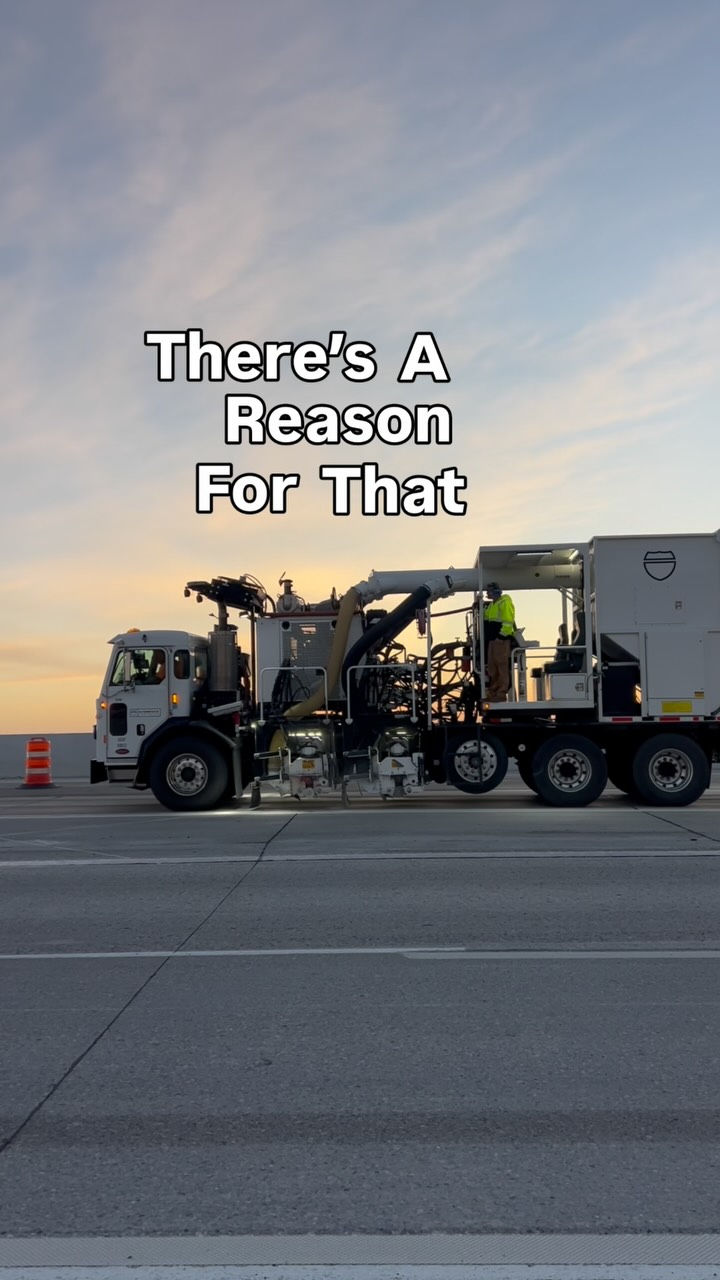
A low-angle, dynamic shot looking down a highway lane line at dusk, with the warm colors of the sunset and bright headlights of an approaching truck creating visual contrast and interest.

[06]

Hook template

Steal this for your own video

A low-angle shot looking down [familiar object or surface] at [time of day or lighting condition], with [unexpected visual contrast element] visible in the frame.

  • — A low-angle shot looking down a grocery store aisle at closing time, with a lone flickering fluorescent light visible at the far end.
  • — A low-angle shot looking down a swimming pool lane at sunrise, with a swimmer's silhouette cutting through the glowing water.
  • — A low-angle shot looking down a runway of a fashion show at night, with blinding stage lights and a model's heels approaching the camera.

[07]

Hook and payoff

The promise the opener makes, and how the video pays it back

Hook

A rapid-fire, visually-driven comparison between two similar items, creating an immediate question of 'What's the difference and why does it matter?'

Payoff

A concluding thesis that summarizes the core message: that there are complex, considered reasons behind seemingly simple things. This empowers the viewer with insider knowledge and reframes their future perspective.

[08]

Narrative framework

The structural pattern this video runs on

Framework

The Expert Explainer

To deconstruct a common, seemingly simple problem to reveal its hidden complexity, systematically disqualifying obvious solutions to build authority before revealing the 'true' expert solution and its real-world application.

  1. 1

    The Authority Frame

    Establishes the video as part of a credible series, positioning the narrator as an insider with privileged information ('behind the barrels').

  2. 2

    The Problem Statement

    Defines the core issue with the standard option, detailing the specific, relatable environmental and usage-based factors that cause it to fail.

  3. 3

    The Counter-Argument Takedown

    Preemptively addresses and dismantles the most common audience objection or 'obvious' solution, demonstrating a deep understanding of the topic and building credibility.

  4. 4

    The Complication Layer

    Introduces additional, less obvious constraints and requirements that the solution must meet, making the problem seem more difficult and the eventual solution more impressive.

  5. 5

    The Balancing Act Frame

    Re-frames the problem not as a simple failure, but as a complex optimization challenge with multiple competing variables (e.g., cost, durability, visibility), managing viewer expectations.

  6. 6

    The FAQ Gauntlet

    A fast-paced sequence that rapidly introduces and dismisses several alternative solutions, each with a concise, authoritative reason for its disqualification. This clears the path for the 'real' solution.

  7. 7

    The Solution Reveal

    Presents the preferred solution, explicitly stating how its features directly solve the specific problems and complications established in earlier beats.

  8. 8

    The Proof of Value

    Provides quantifiable data or a clear, logical benefit (e.g., longevity, reduced maintenance) that proves the superiority of the revealed solution.

  9. 9

    The Real-World Application

    Connects the abstract solution to a tangible, timely, and often localized real-world event or project, making the information immediately relevant and providing a practical payoff for the audience.

Themes

  • Public education
  • Infrastructure
  • Safety
  • Engineering challenges

Techniques

  • Voiceover
  • B-roll
  • Text overlay
  • FAQ format

Post caption

Lane markings. Let’s talk about it. Heads up for the 5600 S project in Roy: The on and off-ramps from I-15 to 5600 South will be closed Saturday, June 20, at 7 p.m. until Sunday, June 21, at 5 a.m. The same closure will repeat on Sunday, June 21, at 7 p.m. until Monday, June 22, at 5 a.m. During the closures, 5600 South beneath I-15 will also be closed. But remember, when you see tiger-tail tape going down, that means a project is getting close to the finish line.

Text overlays

  • title · beginning

    This is road paint

  • title · beginning

    This is road tape

  • title · beginning

    Let's talk the differences

  • branding · beginning

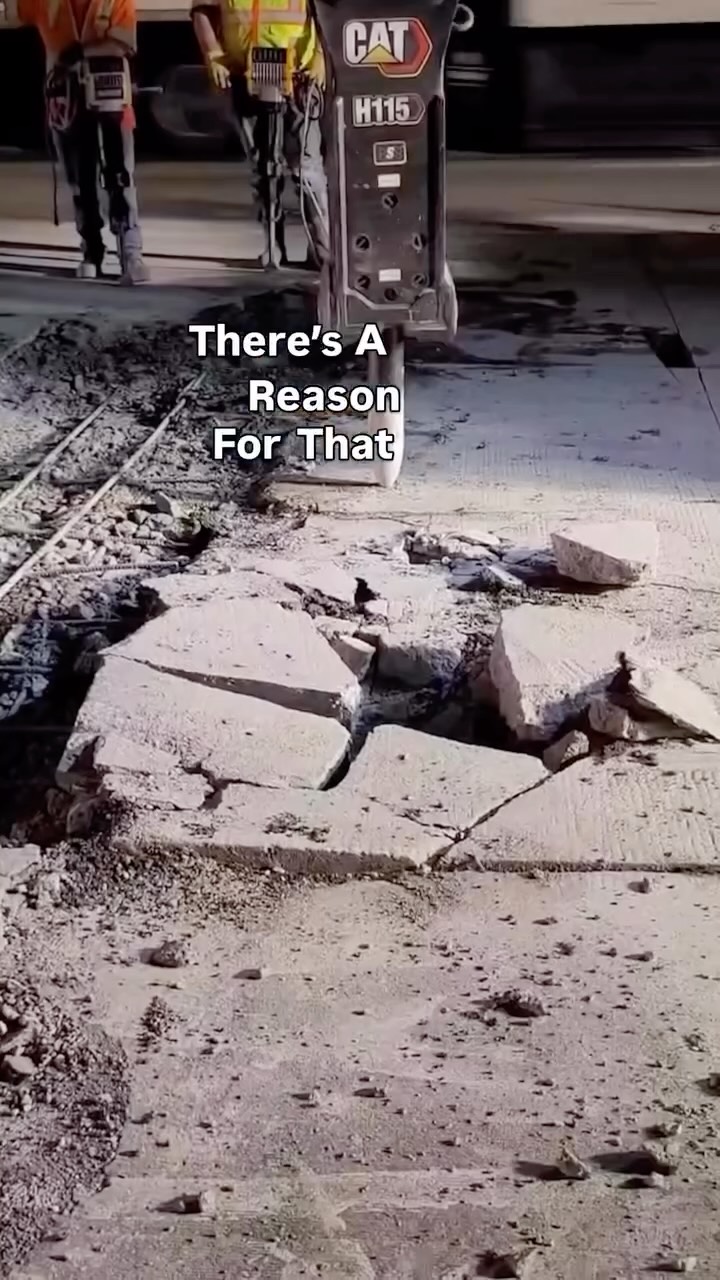
    There's A Reason For That

  • informational · middle

    That's why the tape is grooved in

  • informational · middle

    By having the tape embedded it can show up better in a sun glare

  • title · middle

    Let's rapid fire answer a few FAQs

  • informational · middle

    Raised reflectors?

  • informational · middle

    Embedded reflectors?

  • informational · middle

    Glow-in-the-dark paint?

  • contextual · middle

    Tape

  • contextual · middle

    Paint

Transcript

This is road paint. This is road tape. This is road paint. And this is road paint. Let's talk the differences. Welcome back to There's a Reason for That, a series where we take you behind the barrels and explain what the heck we're up to. We get a lot of questions about road paint, and we get it. It's important. First off, yes. We do use reflective paint. The paint contains tiny glass beads that reflect light back to drivers. The challenge is that paint doesn't last very long, especially in a state with snow, snowplows, ice, heat, and heavy traffic. You might be thinking, other states seem to have it figured out. Why not just ask them? We work closely with DOTs across the country and share ideas all the time. While you maybe have driven a road somewhere that had great striping, that's not necessarily representative of their entire system. Many snow states face similar challenges. Another thing to consider is lane markings need to work in more than just rain. They need to be visible at night, in sun glare, and against light colored pavement. If you've driven through the point of the mountain in Draper in the afternoon, you know exactly what I'm talking about. It's a balancing game. We're balancing visibility, durability, maintenance, and cost. And maybe those sound like excuses to you. The truth is there's just a lot to consider. That's the reality. Let's rapid fire answer a few FAQs. What about raised reflectors? No tear them off. How about embedded reflectors? Snow and ice still builds up in them and wears them down. Glow in the dark paint wears off surprisingly fast. Kind of like those glow in the dark stars you had on your bedroom ceiling as a kid. But, and there is a better, that's why we're switching from paint to tape as much as possible. The tiger tail tape seen here is contrasted no it can be seen during those sun glare tier, and they're reflective no it can be seen better at night. The tape also best about five years, requiring much less maintenance than paint. And we're putting this tiger tail tape up on the 5600 South project in Roy right now. That's why you've seen some closures in the area recently, and that's why there will be additional closures this weekend. The good news is that when you see that tiger tail tape start to go down, that means we're close to the end. It's one of the last things we do on a project. So next time you're wondering why road markings are done a certain way or not done a certain way, just remember tier are several reasons for that.

Explaining road paint versus tape | Viral Hooks