@utahtransportation
Instagram · Vlog
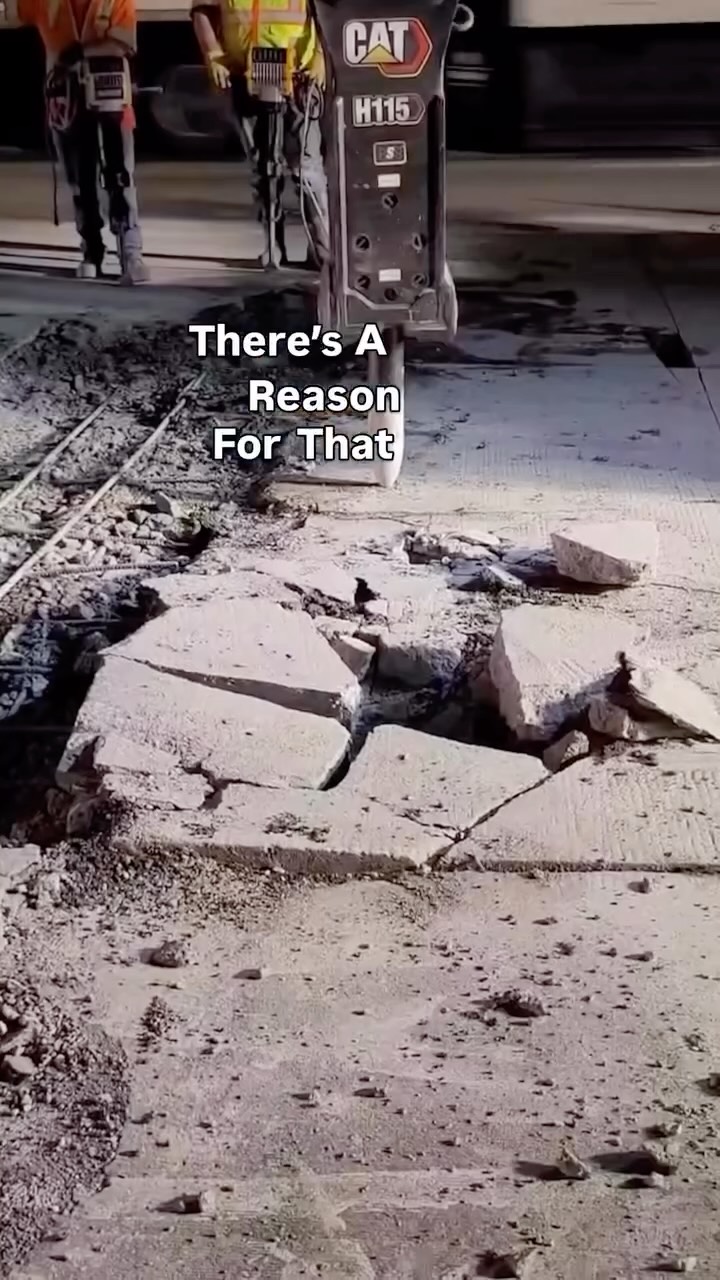
@utahtransportation It’s hot in Utah. Like really hot. And you know what happens when it’s hot? Road buckling. So let’s talk about it. What is it? Why does it happen? And what are we doing about it? Learn more.

@utahtransportation
Instagram · Vlog
@utahtransportation It’s hot in Utah. Like really hot. And you know what happens when it’s hot? Road buckling. So let’s talk about it. What is it? Why does it happen? And what are we doing about it? Learn more.
Performance
Video #36486 · Vlog
[01]
The creator explains the phenomenon of road buckling. They start by showing examples of damaged roads, then use a voiceover and simple graphics to explain the science of thermal expansion in concrete, how expansion joints work, and why they fail due to heat, debris, and moisture, leading to the road pushing upwards. The video then pivots to outlining the solutions and preventative measures being implemented, such as using asphalt bases and creating special repair crews, concluding with a call to action for the public to report such incidents.
[02]
[03]
 7.9M43.4×Construction process with funny sounds@tigrangertz · Satisfying Process
 427.4K12.4×Explaining road paint versus tape@utahtransportation · Breakdown
 475.6K132.8×Revealing hidden damage from leak@dlsturfcourts · Showcase
 219.6K34.9×Question, misconception, then explanation@colossus.production · What Is X?
 28.9MWhy decks fail construction tutorial@bas.renovations · Tutorial / How To
 252.5K66.5×Before and after turf installation@dlsturfcourts · Before/After Transformation
 276.3K8.2×Resetting the bridge accident counter@utahtransportation · Public Service Announcement
 2M81.2×Faceless voiceover construction process breakdown@colossus.production · Breakdown
 511.6K28.8×Deck repair reveals unexpected damage@dlsturfcourts · Surprise Reveal
 239K36.7×Show turf edge glue process@dlsturfcourts · Process
 361.5K14.9×Highway ramp construction transformation@utahtransportation · Before/After Transformation
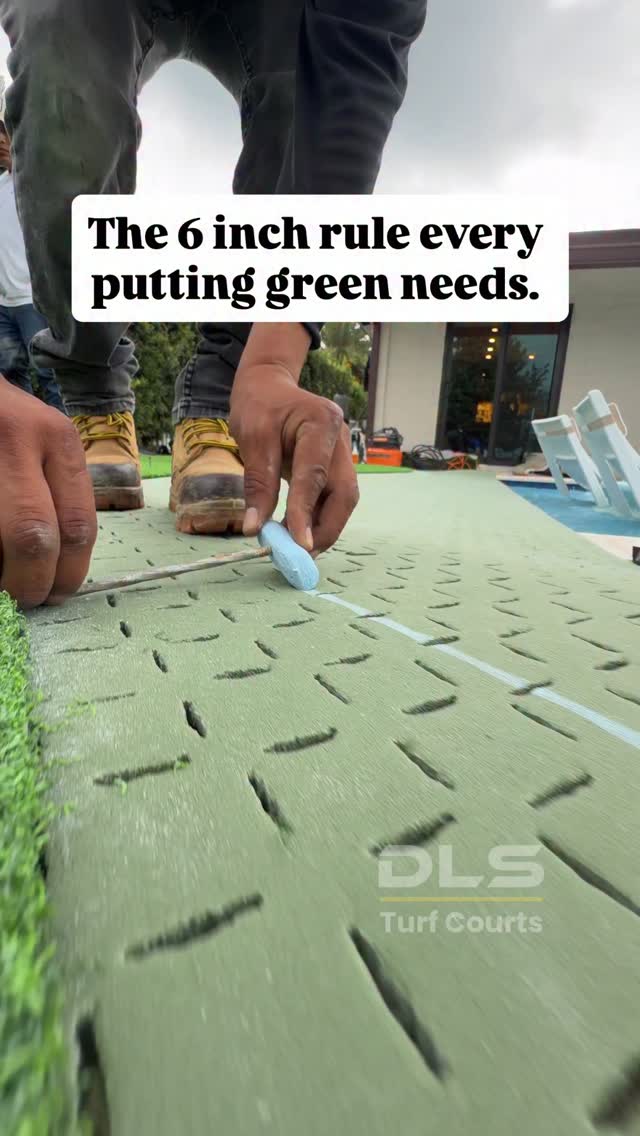 4.7M653.1×Show putting green installation rule@dlsturfcourts · Process
[04]
[05]
What stops the scroll in the first 3 seconds
Title hook · 15%
Not Utah
Verbal hook · 35%
Road buckling. What is it?
Visual hook · 50%
A jarring shot of a cracked and buckled road, showing significant damage to the pavement.
[06]
Steal this for your own video
Open on a jarring close-up of with no explanation — just the image and the question '?'
[07]
The promise the opener makes, and how the video pays it back
Hook
A rapid, disorienting montage of a visually striking problem, using repetitive audio and text overlays to create immediate curiosity and a desire for an explanation.
Payoff
An empowering call to action that gives the viewer a clear, simple role in the solution, combined with a final reassurance that a system is in place to handle the issue, providing a sense of closure and civic partnership.
[08]
The structural pattern this video runs on
Framework
The Public Service Explainer
To demystify a complex, often alarming, public phenomenon by breaking it down into simple scientific principles, explaining the real-world complicating factors, and showcasing the competent response, ultimately empowering the viewer with knowledge and a specific role to play.
The Authority Frame
Introduce the series or brand, establishing credibility and setting the expectation of a clear, authoritative explanation for the phenomenon just shown.
The Foundational Principle
Simplify the core cause of the problem down to a universally understood, basic concept, often using a relatable analogy like 'third-grade science'.
The Mechanical Deep-Dive
Use simple visuals or animations to explain the specific mechanics of how the foundational principle causes the visible problem, answering the 'why' and 'how'.
The Problem Multiplier
Introduce secondary, complicating factors that exacerbate the core problem, adding depth, demonstrating comprehensive understanding, and building credibility with data or external sources.
The Reality Check Pivot
Acknowledge the limits of total prevention, often using humor or memes, to manage audience expectations and smoothly transition from explaining the problem to presenting the solution.
The Competence Showcase
Detail the proactive measures, advanced technologies, and expert teams in place to mitigate or respond to the problem, building trust and confidence through visual proof of action.
It’s hot in Utah. Like really hot. And you know what happens when it’s hot? Road buckling. So let’s talk about it. What is it? Why does it happen? And what are we doing about it? Learn more.
contextual · beginning
Not Utah
contextual · beginning
Ok, yeah, this one is Utah
title · beginning
Road buckling
informational · beginning
How does it happen and what are we doing about it?
branding · middle
There's A Reason For That
informational · middle
Things expand in the heat and contract in the cold, right?
informational · middle
When temps hit triple digits, roads can be even more susceptible to buckling
informational · middle
But why does the concrete pop up?
informational · end
According to Illinois DOT, 73% of road buckling happens within a week of rainfall and 90% occurs when temps hit 90 degrees or higher
informational · end
But we are doing some things to help
What the heck? What the heck? What the heck? What the heck? What the heck? What the heck? Road buckling. What is it? How does it happen? And what are we doing about it? Welcome back to There's a Reason for That. A series where we take you behind the barrels and explain what the heck we're up to. Let's go back to third grade science. Things expand in the heat and contract in the cold. Right? Well, right no, things are hot. Okay? When temps hit triple digits, roads can be even more susceptible to buckling, especially when you consider that the temperature of a road can be up to tier hotter than the outside best. But why does the concrete pop up? Well, concrete roads are built in large panels and they're separated by small joints, little gaps that give the slabs room to expand. But if it gets really hot, the concrete can expand more than those joints allow. And if there's no for it to grow, it pushes up. Over time, those joints can get filled with tiny rocks and debris, what we call incompressible material, which basically clogs the joints. Bad in some moisture from rain or water in the soil and things get worse fast. According to Illinois Tier, 73% of road buckling happens within a week of rainfall and 90% occurs when temps hit 90 degrees or higher. Now for some quick math, June rain plus July heat equals not good. So rank we stop it? No. But do we know where it will happen next? Also no. But we are doing some things to help. We now build concrete roads with an asphalt base underneath for a better foundation which reduces the amount of incompressible material in the joints. We add extra relief joints to help the concrete breathe, and we've got a specially trained crew just for emergency pavement repairs like buckling no we can respond faster. So if a road is popping off, don't panic, but do let us know because as you just learned, there's a reason for that and a crew ready to jump in.