Video #34987 · Speaker address
Demonstrating different video hook techniquesfrom @ugc.withrach
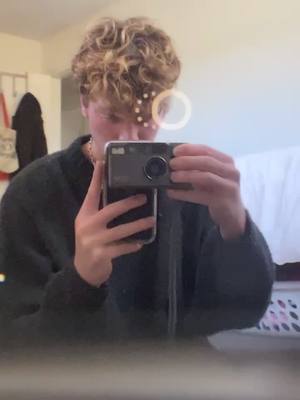
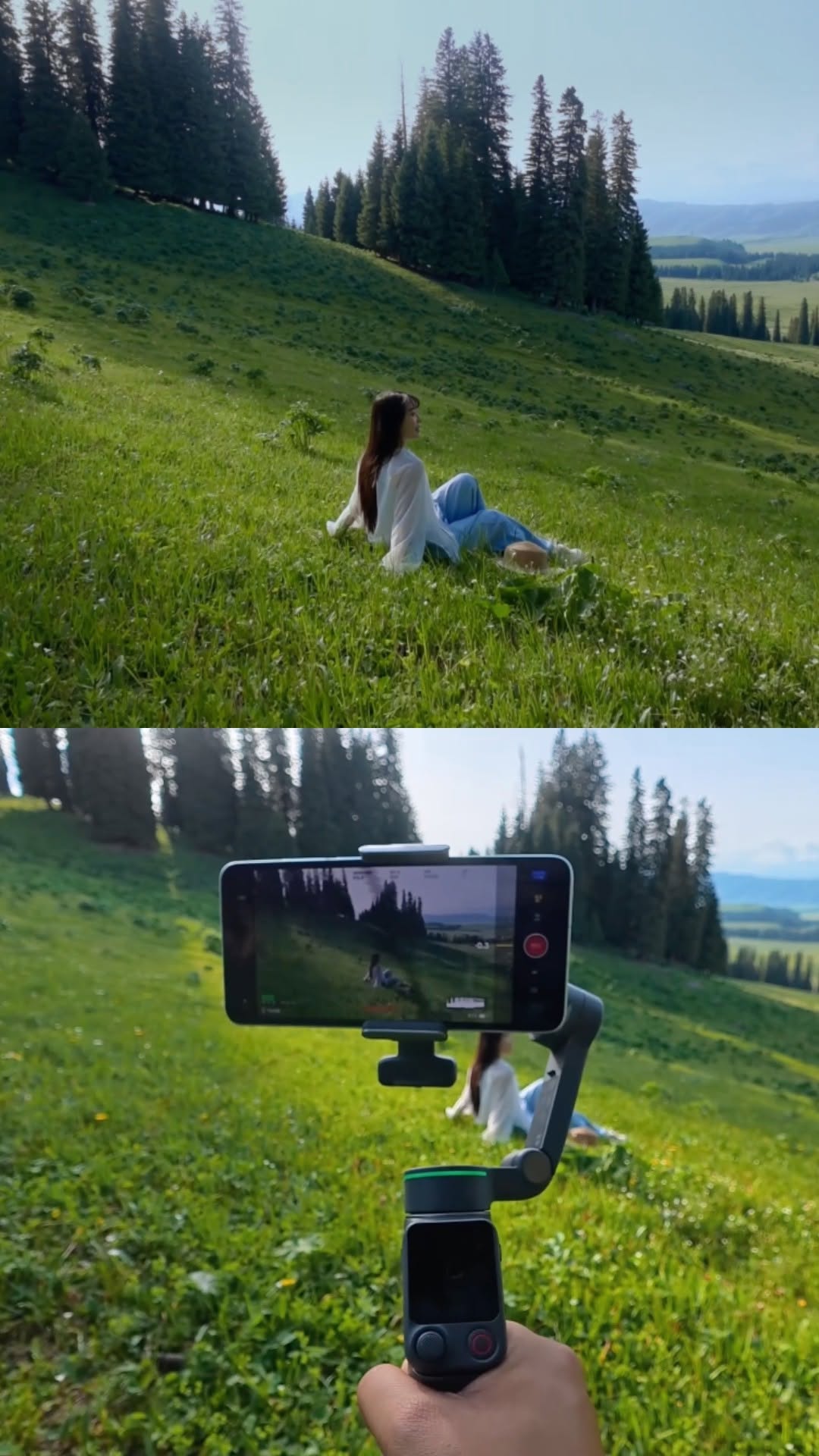
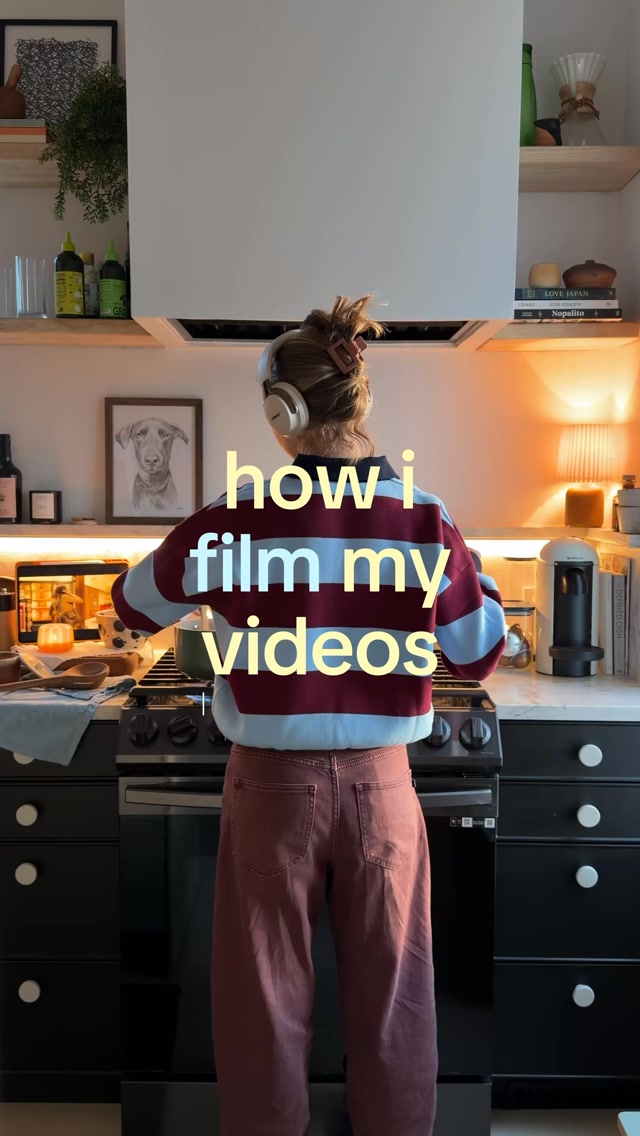
The creator demonstrates four different ways to start a video using 'pattern interruption' hooks. She shows a tilted camera angle, a shot through a mirror, an overhead shot, and a low-angle shot, explaining the psychological reason why each unconventional perspective effectively stops viewers from scrolling.
- 1Present unconventional visual
- 2Justify its effectiveness
- 3Showcase varied examples
- 4Deliver summary principle
ConceptsTutorial / How To
ElementsTitle Text HookOverhead ShotLow-Angle Shot
[05]
Hook analysis
What stops the scroll in the first 3 seconds
Title hook · 25%
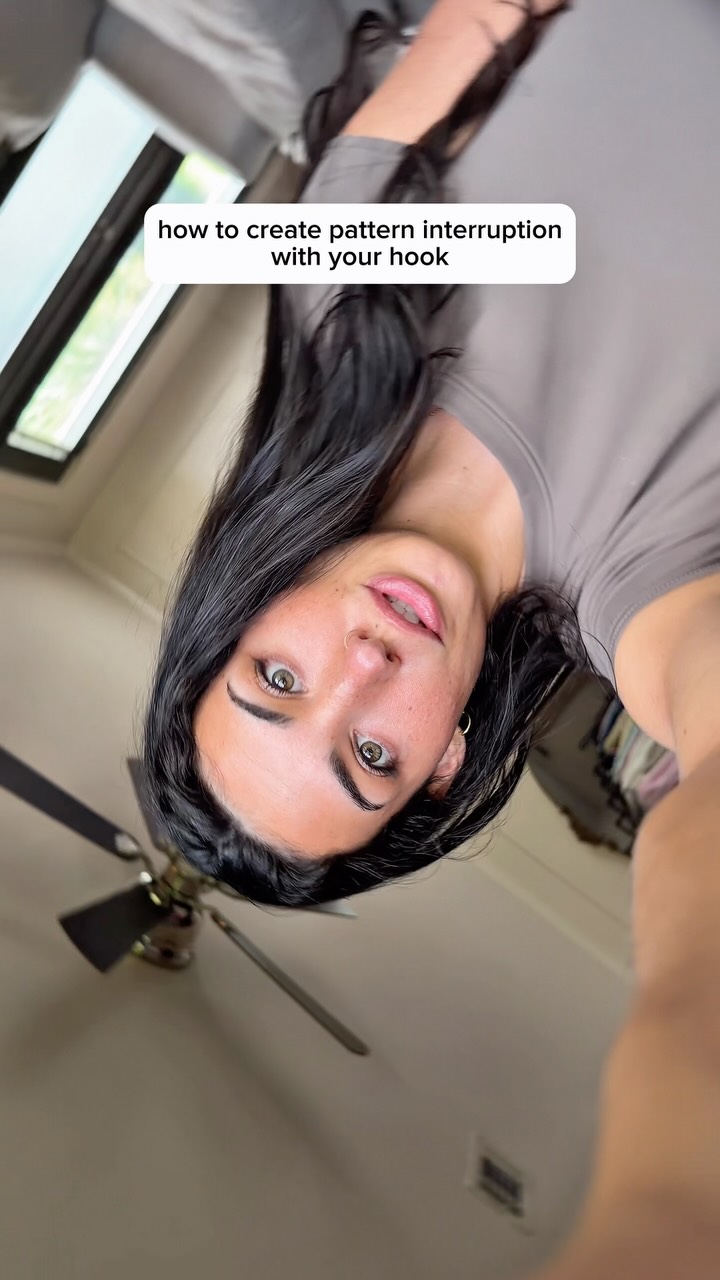
how to create pattern interruption with your hook
Verbal hook · 25%
Start your videos like this, they stop because their brain is trying to figure out what's happening.
Visual hook · 50%
The video opens with the camera tilted 90 degrees, creating a disorienting and unusual perspective that immediately breaks the viewer's scrolling pattern.
[06]
Hook template
Steal this for your own video
Open your shot with the camera [unconventional angle or orientation] so the viewer's brain stops scrolling trying to figure out [what is visually wrong or unexpected].
- — Open your shot with the camera tilted 90 degrees sideways so the viewer's brain stops scrolling trying to figure out why the whole world looks rotated.
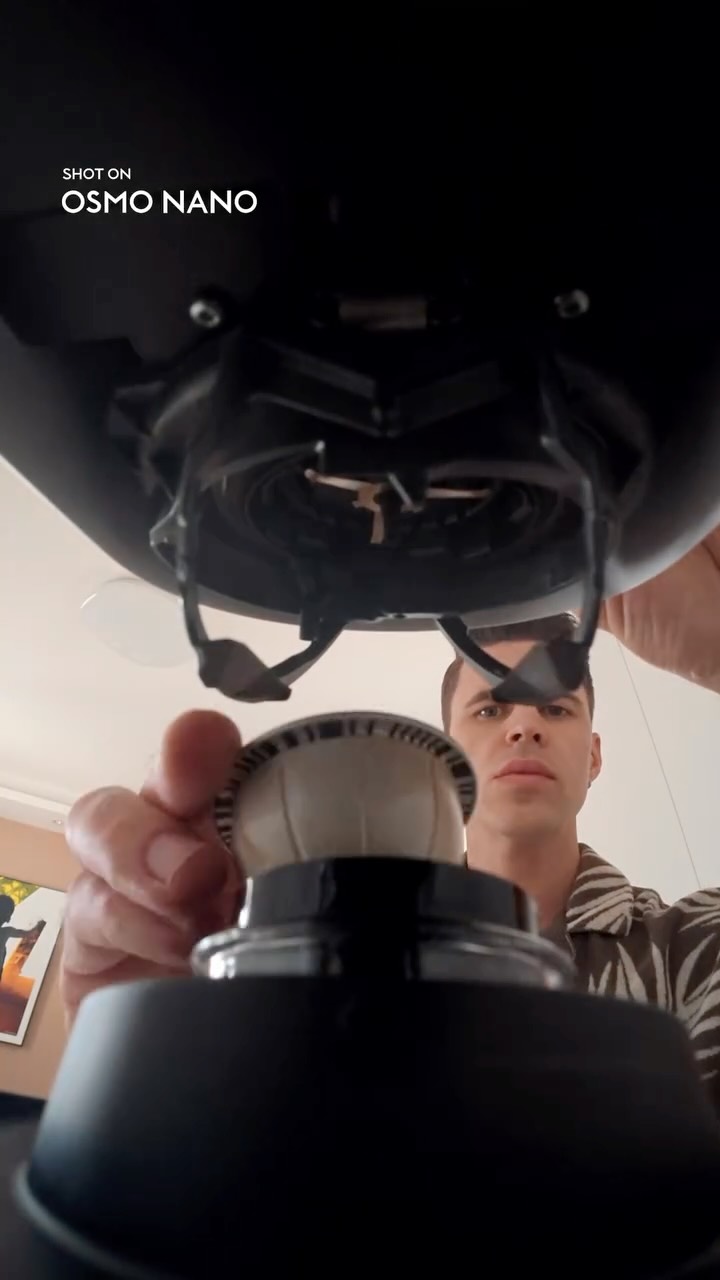
- — Open your shot with the camera placed at floor level pointing up so the viewer's brain stops scrolling trying to figure out whose perspective they are actually seeing.
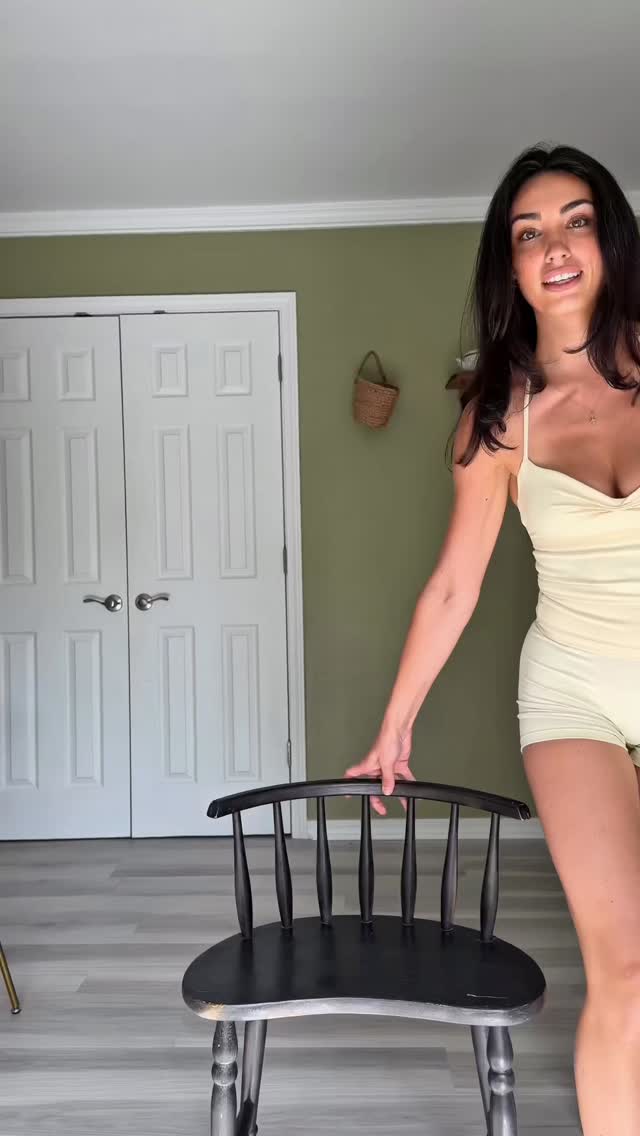
- — Open your shot with the camera filming through a mirror or reflective surface so the viewer's brain stops scrolling trying to figure out which version of the scene is real.
[07]
Hook and payoff
The promise the opener makes, and how the video pays it back
Hook
An immediate, disorienting visual that breaks the standard viewing pattern, forcing the viewer's brain to pause and try to make sense of the scene.
Payoff
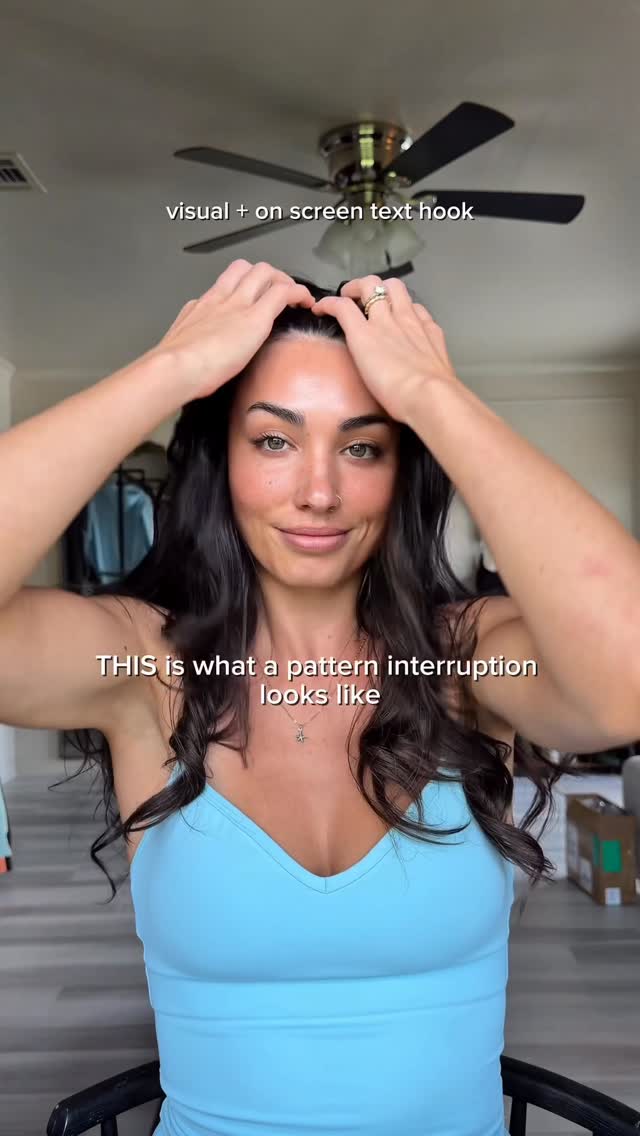
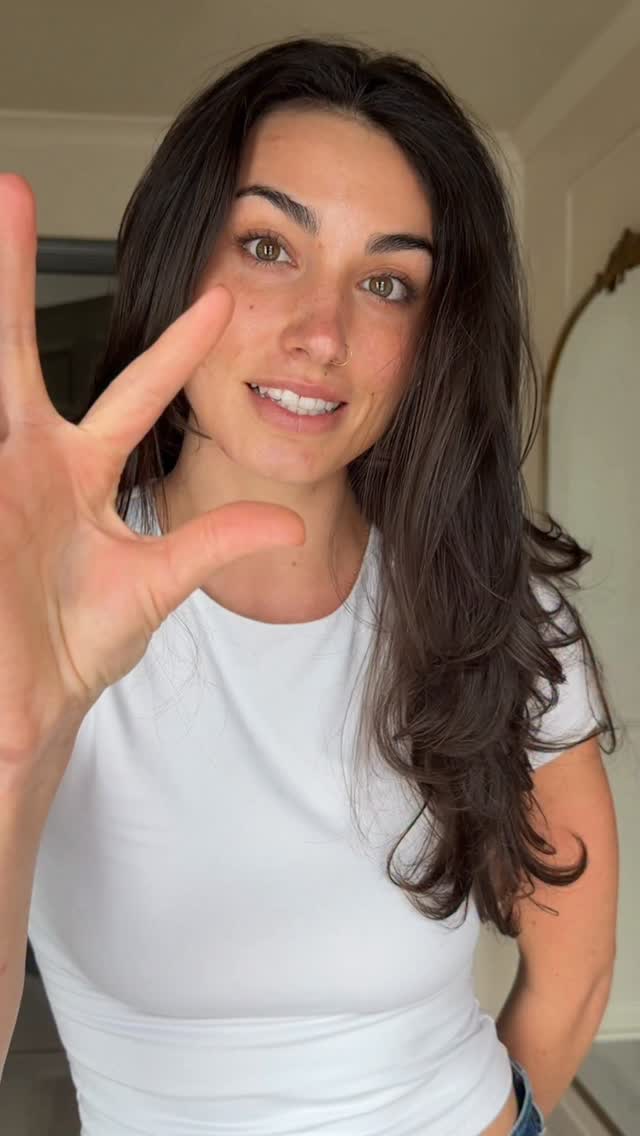
The final beat acts as the payoff, summarizing the core value proposition (how to 'hook the viewer in and stop them from scrolling') and reinforcing the creator's authority on the subject.
[08]
Narrative framework
The structural pattern this video runs on
Framework
The Meta-Demonstration Framework
A rapid-fire showcase of multiple techniques to achieve a single goal, where each technique is immediately demonstrated and then its underlying psychological principle is explained.
- 1
The Cognitive Interrupt
Demonstrate a simple technique that creates visual confusion (e.g., a tilted angle) and explain that its power lies in forcing the brain to resolve the dissonance.
- 2
The Authenticity Frame
Showcase a technique that mimics a real-life, un-staged perspective (e.g., a mirror reflection) and explain how it lowers the viewer's 'ad guard' by feeling more authentic.
- 3
The Perspective Shift
Introduce a technique that uses a highly unusual camera angle (e.g., directly overhead) and explain that its novelty is what stops the scroll.
- 4
The Kinetic Hook
Demonstrate a final, high-energy technique involving dynamic movement towards the camera and deliver a concluding statement that summarizes the overarching goal of all the demonstrated methods.
Themes
- Marketing
- Psychology
- Education
Techniques
- Unusual camera angles
- Direct address
- Demonstration
Trends
- Hook optimization
- Creator education content
Post caption
If you want more views on your video, read 👇🏼
Visual hooks are underused and the ones that are used are overused. Have fun with it and get creative!
A good visual hook works because it interrupts the scroll. Something is out of context, doesn’t make sense at first or a movement is so magnetic that people stop scrolling to watch to either make sense of it or just keep watching. A good hook does 80% of the work for your video.
If you’re a UGC creator, brands are actively seeking creators who are good at hooks!!! So many brands mention that they’re looking for a strong hook. So get good at them 👏🏻
Hope this helps 🤍
Text overlays
Transcript
Start your videos like this, they stop because their brain is trying to figure out what's happening. You start your video like this, it feels less like a video and more like they're watching you in real life. If you start your video like this, it's not an angle they're used to seeing no they're gonna pause. You start your videos with something like this, you are going to hook the viewer in and stop them from scrolling.