@jajupierogi
Instagram · Greenscreen Talking Head
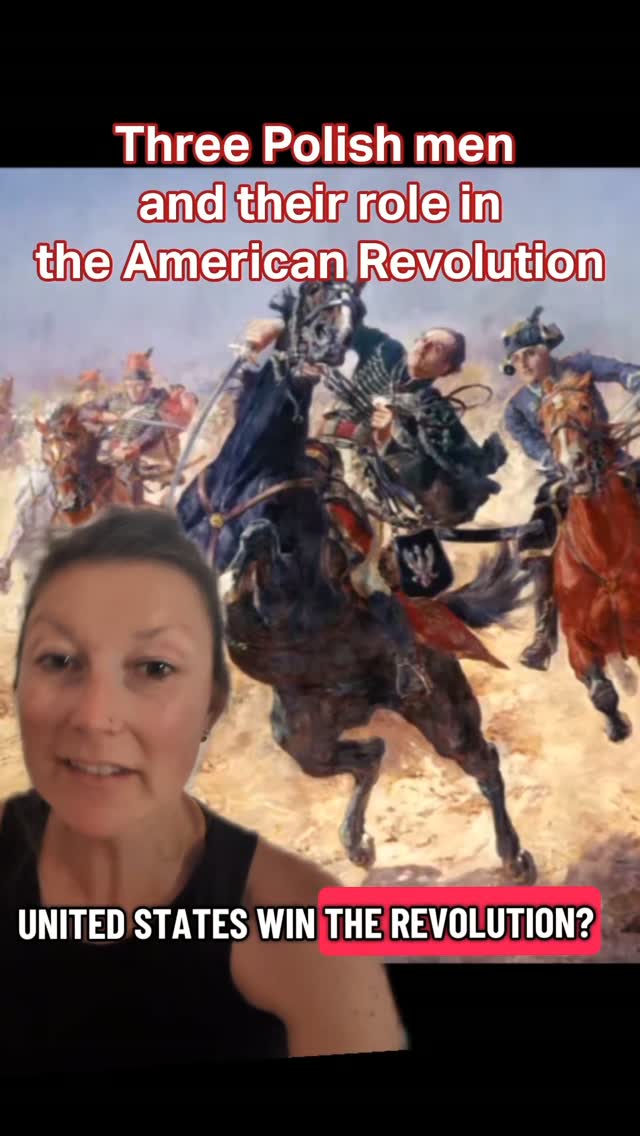
@jajupierogi BIG POLISH ENERGY IN THE AMERICAN REVOLUTION 🇵🇱🤝🏻🇺🇸

@jajupierogi
Instagram · Greenscreen Talking Head
@jajupierogi BIG POLISH ENERGY IN THE AMERICAN REVOLUTION 🇵🇱🤝🏻🇺🇸
Performance
Video #35453 · Greenscreen Talking Head
[01]
The creator presents a historical listicle detailing the significant contributions of three Polish men—Casimir Pulaski, Tadeusz Kościuszko, and Haym Salomon—to the American Revolution. She sequentially introduces each figure, explaining their specific roles as a cavalry leader, an engineer, and a financier, respectively, using historical images and text overlays to support her narration. The video concludes by explaining their motivation for fighting was a shared belief in freedom and ends with a holiday greeting.
[02]
[03]
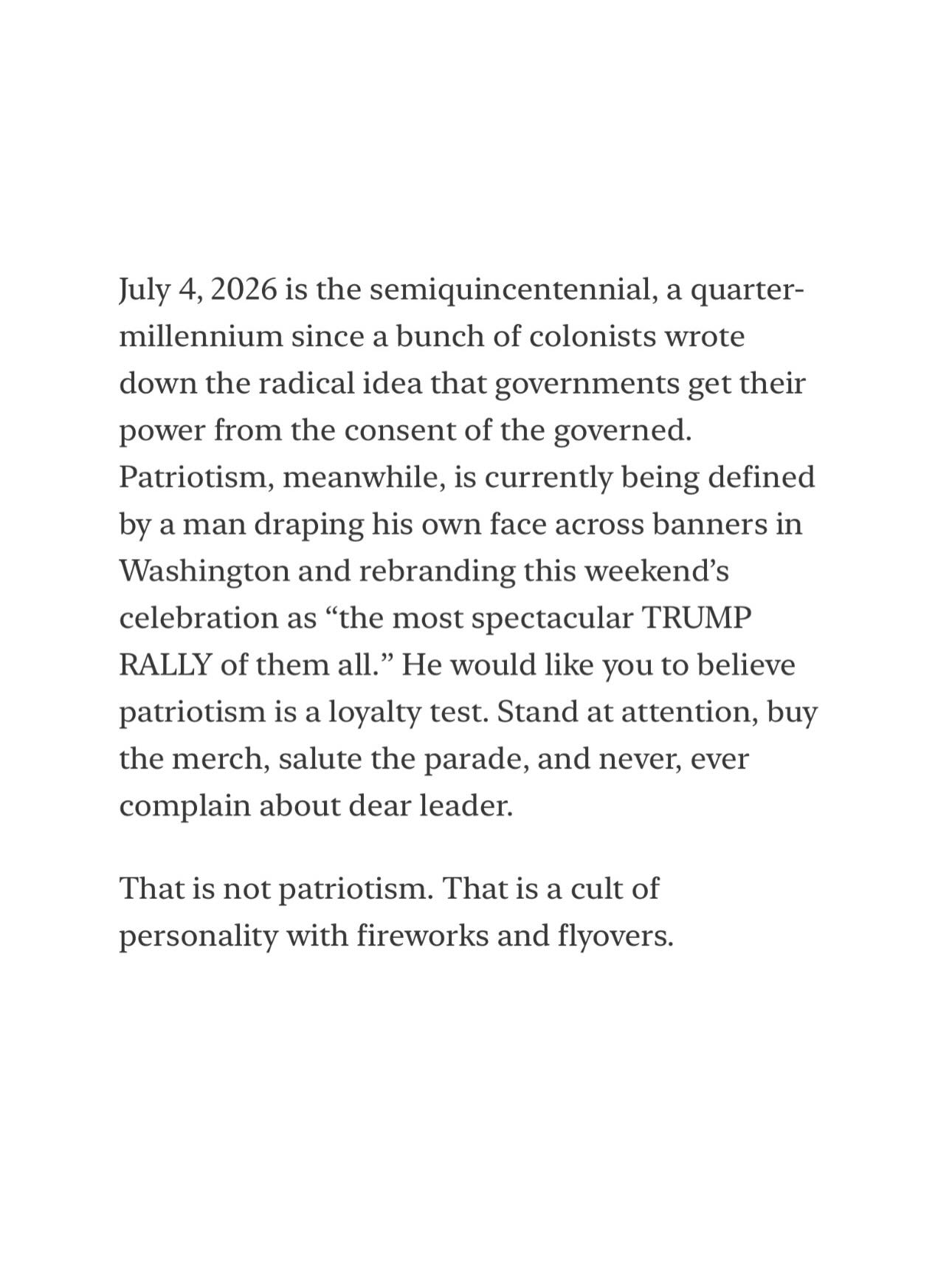 207K7.7×Text-based political commentary on patriotism.@emilyinyourphone · Statement Carousel
 1.6M3.9×Historical rebuttal to political commentator@zeteonews · Misconception Rebuttal
 1.1M238.2×Celebrity direct address protest pitch@indivisibleteam
 237.1K7.1×Creator refutes claim with historical argument@womp_tomp · Hot Take
 830.9K94.6×Panel debate on democracy's future@pbs · Breakdown
 72.8K3×Passionate monologue on Australian politics@oikirkybruz · Hot Take
 261.4K11.9×Listing political firsts on board@davejorgenson1 · Rapid Fire Listicle
 196.2K3.2×Creator reacts to political personality scandals.@womp_tomp · Rapid Fire Listicle
 1.1M13.7×Split-screen political commentary rant@womp_tomp · Hot Take
 662K4.3×Passionate political commentary with B-roll@rony · Cultural Rant
 95.6K3.1×Comparing two political responses side-by-side@garyspamsue · Good vs Bad
 446.2K14.6×Split-screen political hot take@womp_tomp · Hot Take
[04]
[05]
What stops the scroll in the first 3 seconds
Title hook · 35%
Three Polish men and their role in the American Revolution
Verbal hook · 50%
Did you know that there were three token Polish figures that helped The United States win the revolution?
Visual hook · 15%
The video opens with a dynamic and colorful historical painting of a cavalry charge, creating immediate visual interest and action.
[07]
The promise the opener makes, and how the video pays it back
Hook
A direct, curiosity-stoking question that challenges the viewer's knowledge about a familiar subject, promising a surprising revelation.
Payoff
The Grand Unification: Synthesizes the individual stories by revealing the shared motivation or underlying principle that connected all three figures. This provides a satisfying thematic conclusion that elevates the list from a series of facts to a meaningful narrative.
[08]
The structural pattern this video runs on
Framework
The Thematic Trio
To educate the audience on a little-known aspect of a well-known topic by profiling three key, yet overlooked, contributors. The narrative progresses by showcasing different types of contributions (e.g., physical, intellectual, financial) to build a comprehensive picture.
The Archetype Anchor
Introduces the most recognizable or traditional example from the list. This beat establishes the theme with a familiar archetype (e.g., the warrior, the star player) and details their primary contributions and ultimate fate, grounding the viewer.
The Nuanced Deep-Dive
Presents the second figure, who represents a different, often more strategic or intellectual, type of contribution. This beat broadens the viewer's understanding of the topic and introduces more complex ideas or surprising personal philosophies.
The Unexpected Twist
Introduces the final figure, whose contribution is the most unconventional or surprising. This beat often includes a powerful statistic to quantify their impact and concludes with a poignant or tragic detail to create a strong emotional climax.
BIG POLISH ENERGY IN THE AMERICAN REVOLUTION 🇵🇱🤝🏻🇺🇸
title · beginning
Three Polish men and their role in the American Revolution
title · beginning
1. Casimir Pulaski Head of the Cavalry
title · middle
2. Tadeusz Kościuszko The Engineer
informational · middle
FORT CLINTON (ORIGINALLY NAMED FORT ARNOLD) DESIGNED AND BEGUN BY DE LA RADIÈRE COMPLETED BY KOSCIUSZKO 1778-1780
title · middle
3. Haym Salomon The Financier
informational · end
$650,000
informational · end
$1.3 BILLION TODAY.
Did you know that there were three token Polish figures that helped The United States win the revolution? Let's start with Casimir Pulaski, who's probably the most famous of the three. He was key in an uprising against the Russians in Poland. Then he fled to France where he was recruited by Benjamin Franklin in 1775 to come and help the American cavalry. He is often called the father of the American cavalry and is even accredited with saving George Washington's life at the Better of Brandywine. You probably see a lot of Pulaski Streets, Pulaski Squares, Pulaski Day Parades all around The United States, including this one in Savannah. Casimir Pulaski actually gave the ultimate sacrifice for our country and its fight for independence, dying in battle in 1779. Our next Polish revolutionary hero is Thaddeus Kosciuszko. He also came from France and was a trained engineer rank was named the colonel of engineers for the continental army, constructing various fortresses, including Fort Clinton at West Point. Kosciusko was ahead of his tier, advocating for freedom for slaves, women's rights, and Native American rights as well. While in America, Kosciusko befriended Thomas Jefferson, and he actually named him the executor of his will, in which he had left money and land in Ohio in hopes of creating a haven for freed slaves. Of course, Jefferson never followed through with his wishes. Our third Polish hero is Haim Solomon. He escaped persecution in Poland and immigrated to The United States in 1772. It is often called the great financier of the American Revolution. Between 1781 and 1784, when the Americans were running out of money and at risk of losing to the British, Solomon personally loaned $650,000 to the American government to keep the military going. That's the equivalent of $1,300,000,000 today. Unfortunately, The United States never paid him back and he died in poverty. So why did these Polish guys fight with the Americans? Probably because they had spent their lives and even generations before them fighting oppressive powers and seeking freedom themselves. They felt solidarity with the American cause. Happy fourth of July.