@lohause
Instagram · Skit
@lohause Then I’ve never been in love.

@lohause
Instagram · Skit
@lohause Then I’ve never been in love.
Performance
Video #3584 · Skit
[01]
A woman and a man engage in a philosophical dialogue in a car, where the woman deconstructs the man's idea of love as vanity. Through their conversation, they explore the difference between loving someone for how they make you feel versus unconditional commitment, leading the man to a somber realization about his own experiences.
[02]
[03]
 2M24.7×Monologue on love with cinematic cutaways@nycdivorcelawyer · Anecdotal Philosophy
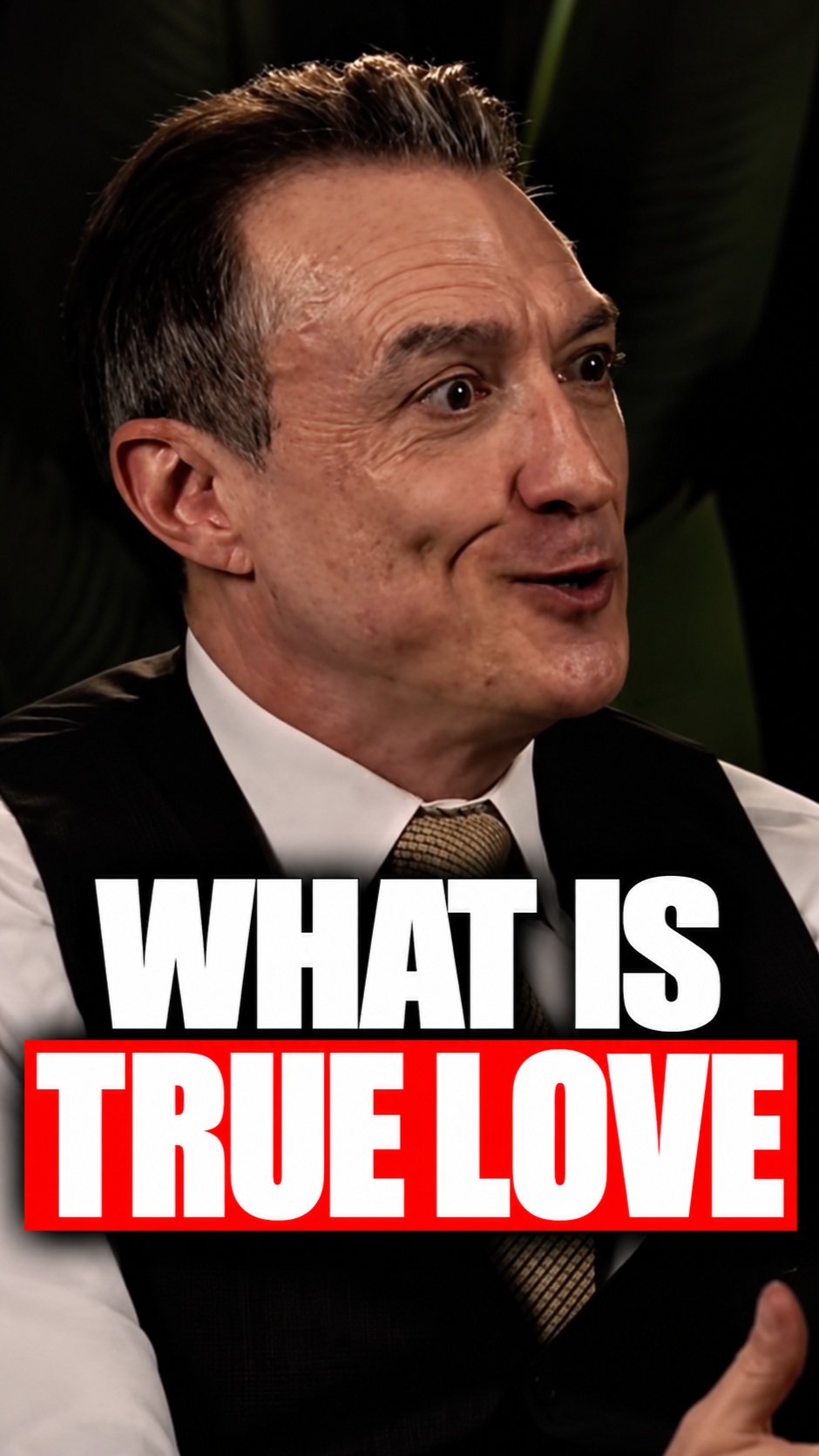
 560.6K25.8×Defining what true love is@jrp.co · Motivational Mantra
 442K26.1×Podcast clip on relationship pain@calumjohnson1 · Vulnerable Monologue
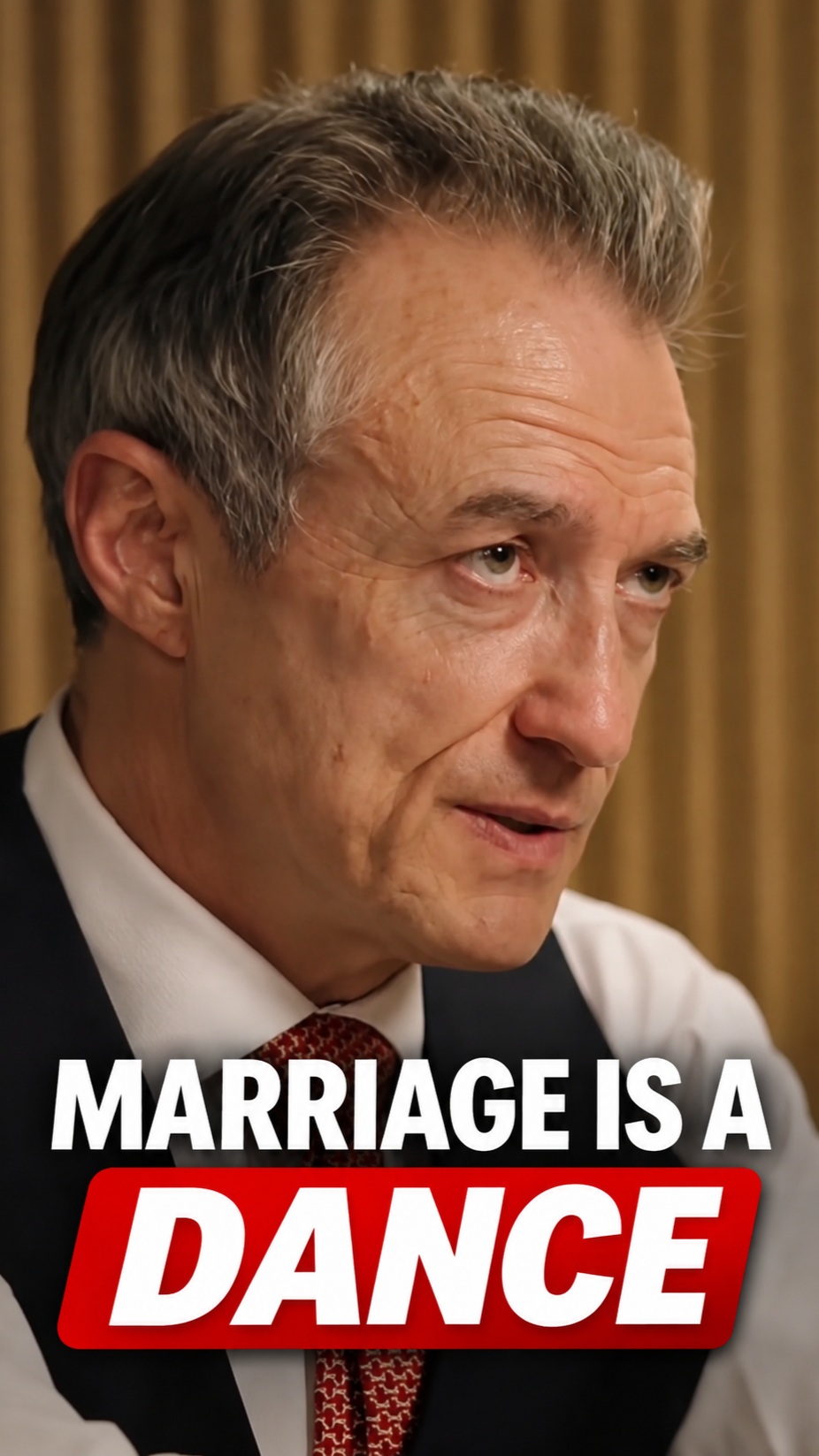 698.3K7.7×Philosophical podcast clip about marriage@nycdivorcelawyer · Motivational Mantra
 354.5K1.6×Venn diagram relationship advice montage@colewinarick · Anecdotal Philosophy
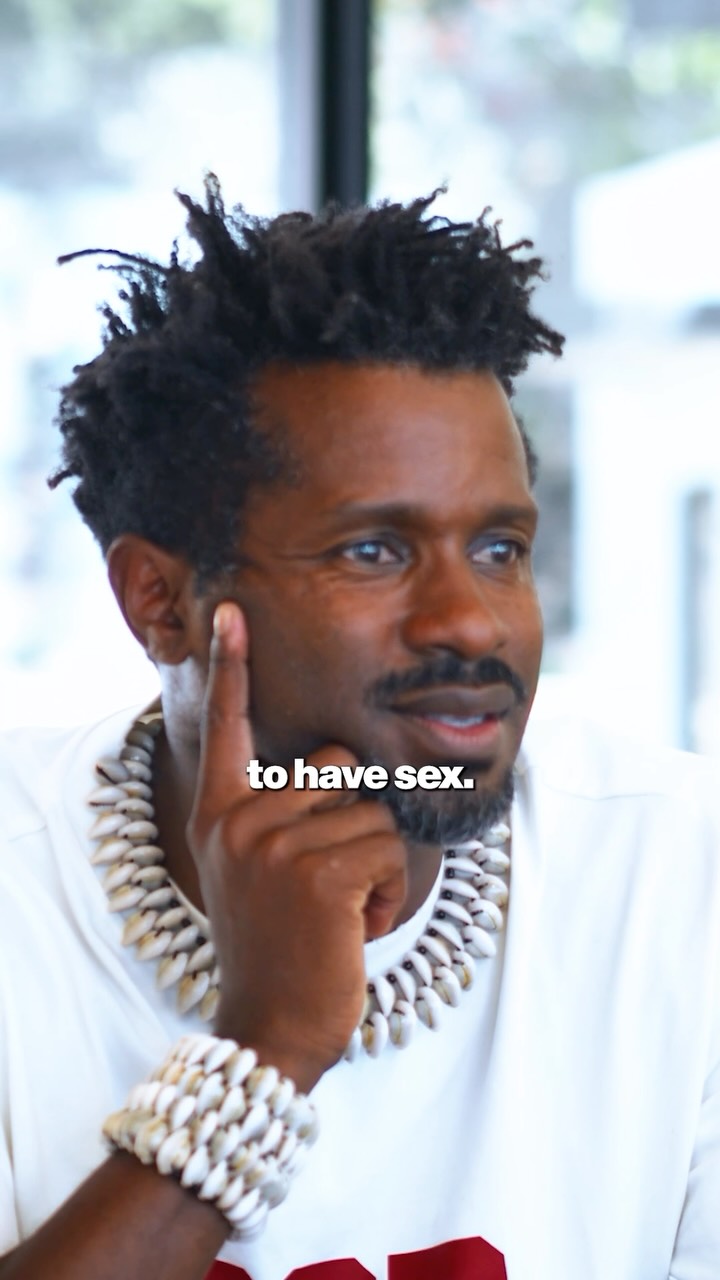 208.2K8.3×Choose a partner who's a friend@youchoosepodcast · Anecdotal Philosophy
 152.1KPersonal story about a relationship realization@bradjcho · Anecdotal Philosophy
 115.2K46.5×Aspirational relationship text overlay video@thewhiteboydakotajamesbaby · Relatable One Shot
 125.2K1.1×Relatable scenario text over video@sheima.timuori · Relatable One Shot
 240.2K103.4×Relatable marriage text overlay joke@sheima.timuori · Relatable One Shot
 575.4K4.2×Speaker shares a relationship hot take@nycdivorcelawyer · Hot Take
 314.5K49.2×Car rant on marriage expectations@amandanelz · Hot Take
[04]
[05]
What stops the scroll in the first 3 seconds
Verbal hook · 65%
You never loved her.
Visual hook · 35%
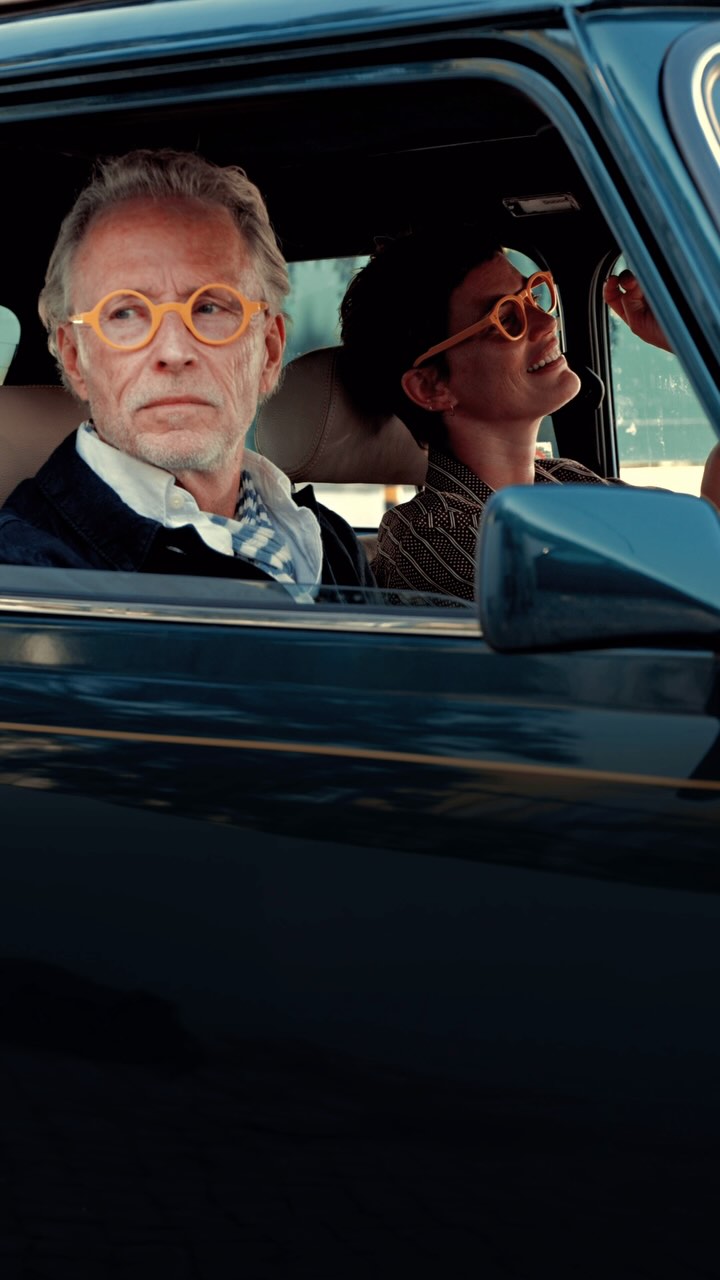
A cinematic, static shot of a stylish man and woman wearing distinctive orange glasses in a car, creating an immediate mood of seriousness and intrigue.
[06]
Steal this for your own video
You never loved —you loved .
[07]
The promise the opener makes, and how the video pays it back
Hook
A direct, provocative accusation is made, immediately establishing conflict and challenging a character's self-perception.
Payoff
Character A offers a concluding statement that universalizes the epiphany, reframing it not as a personal failure but as a common human condition, providing a sense of cynical comfort or shared understanding.
[08]
The structural pattern this video runs on
Framework
The Socratic Dialogue
A two-person dialogue where one character systematically dismantles the other's belief or self-perception through a series of escalating reframes and redefinitions, leading to a final, profound realization.
The Initial Challenge
Character A makes a bold, accusatory statement about Character B's past actions or feelings.
The Instinctive Defense
Character B offers a simple, emotional, or surface-level rebuttal to the accusation.
The Psychological Reframe
Character A dismisses the rebuttal and reinterprets Character B's motives or feelings in a more complex, often less flattering, psychological light (e.g., from love to vanity).
The Foundational Justification
Character B attempts to defend their re-framed position by appealing to a commonly accepted definition or philosophical principle.
The Foundational Counter-Argument
Character A rejects that common definition and offers a deeper, more challenging alternative that invalidates Character B's entire premise.
The Epiphany
Faced with this new, undeniable logic, Character B has a moment of quiet realization, conceding their original belief was flawed.
Then I’ve never been in love.
You never loved her. You just loved the way she looked at you. That's not true. I adored her. I think you just adore your own reflection in her eyes. She made you feel like, like a rank worse writing about. Well, that's love, isn't it? Who somebody better you feel? Well, no, it's like that's vanity. Love is when you don't care what they make you feel, and you stay anyway, you know? Then I better been in love. Well, I guess worst people haven't, and that's why they smile in photos. Yeah. Yeah. That's okay. Maybe you love yourself more.