@mike_sunday
Instagram · Talking Head Edit
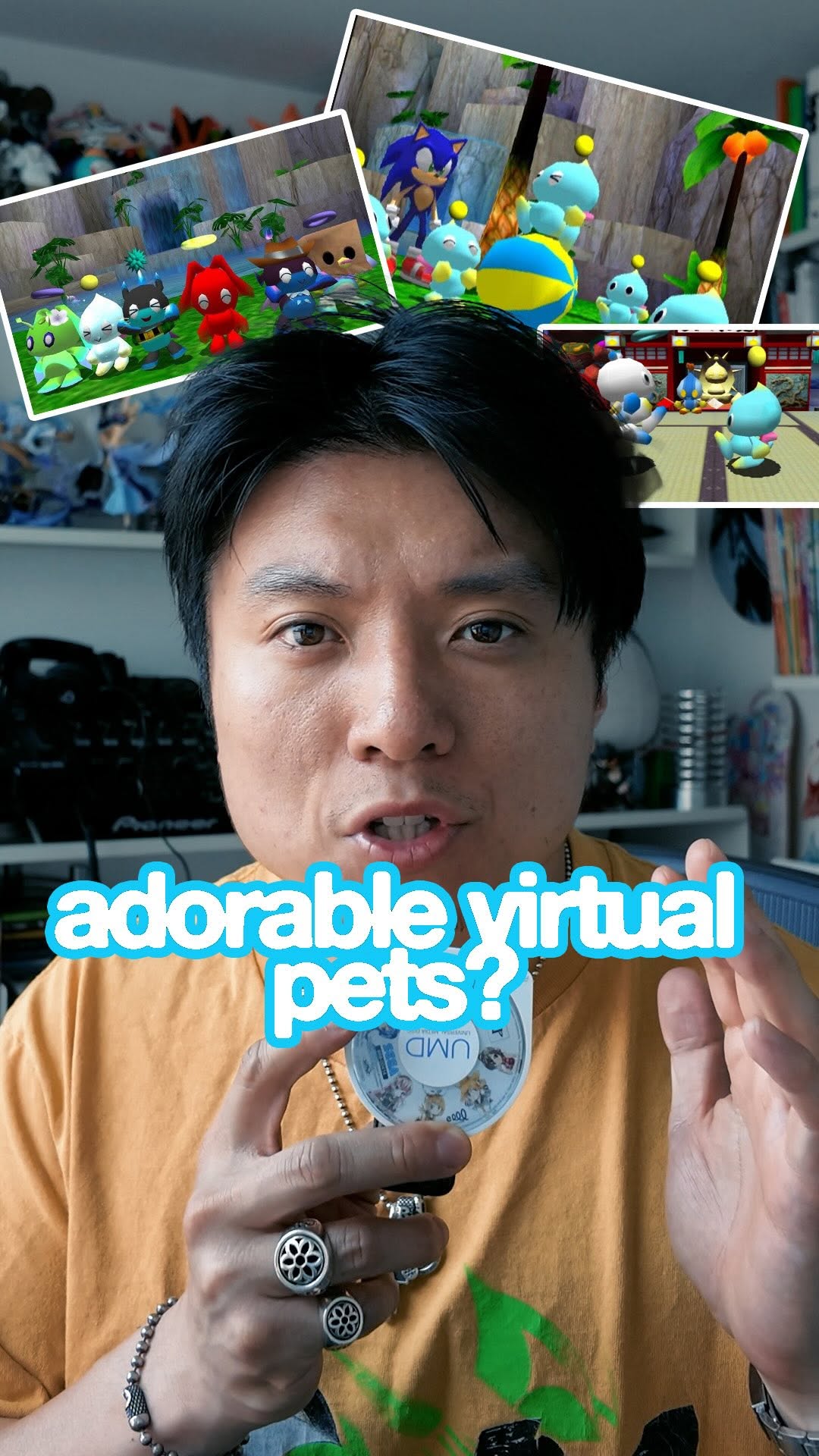
@mike_sunday WHY CAN’T I JUST LIVE IN THE CHAO GARDEN FOREVER?💧😇😈 • DO YOU REMEMBER CHAOS? WHO WAS YOUR FAV? #CHAOGARDEN #SONICADVENTURES2

@mike_sunday
Instagram · Talking Head Edit
@mike_sunday WHY CAN’T I JUST LIVE IN THE CHAO GARDEN FOREVER?💧😇😈 • DO YOU REMEMBER CHAOS? WHO WAS YOUR FAV? #CHAOGARDEN #SONICADVENTURES2
Performance
Video #35968 · Talking Head Edit
[01]
The creator provides a detailed historical analysis of the Chao Garden feature from the Sonic Adventure video game series. He explains its origins, complex mechanics, and evolution from the first game to the second, highlighting how it integrated with peripherals like the Sega Dreamcast VMU and the Game Boy Advance. The speaker emphasizes the emotional attachment players formed with their virtual pets, arguing it was more than just a minigame but a core, beloved part of the experience.
[02]
[03]
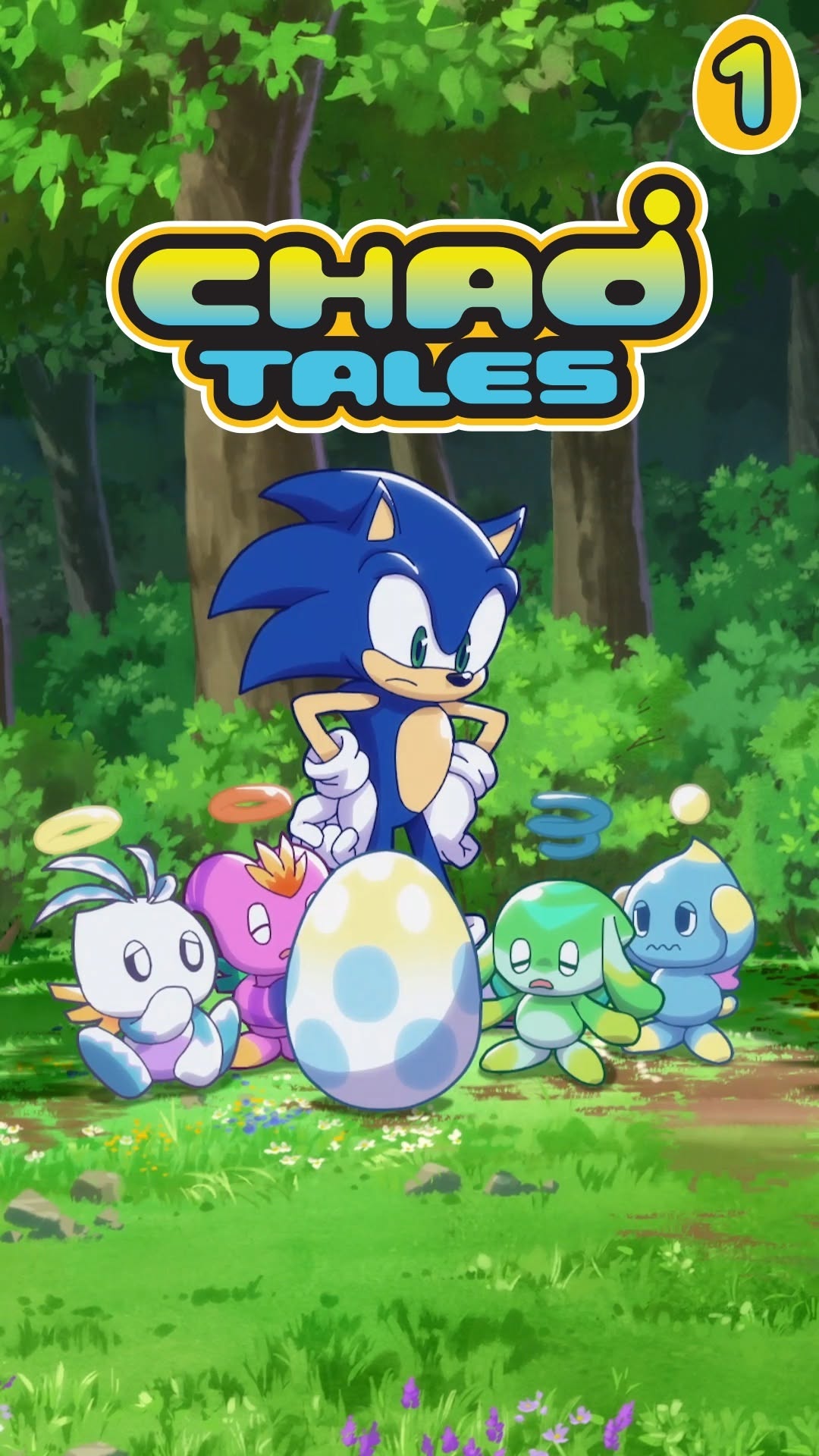 1.1M3.4×Silent animated Sonic story@sonicthehedgehog · Brand Mascot Campaign
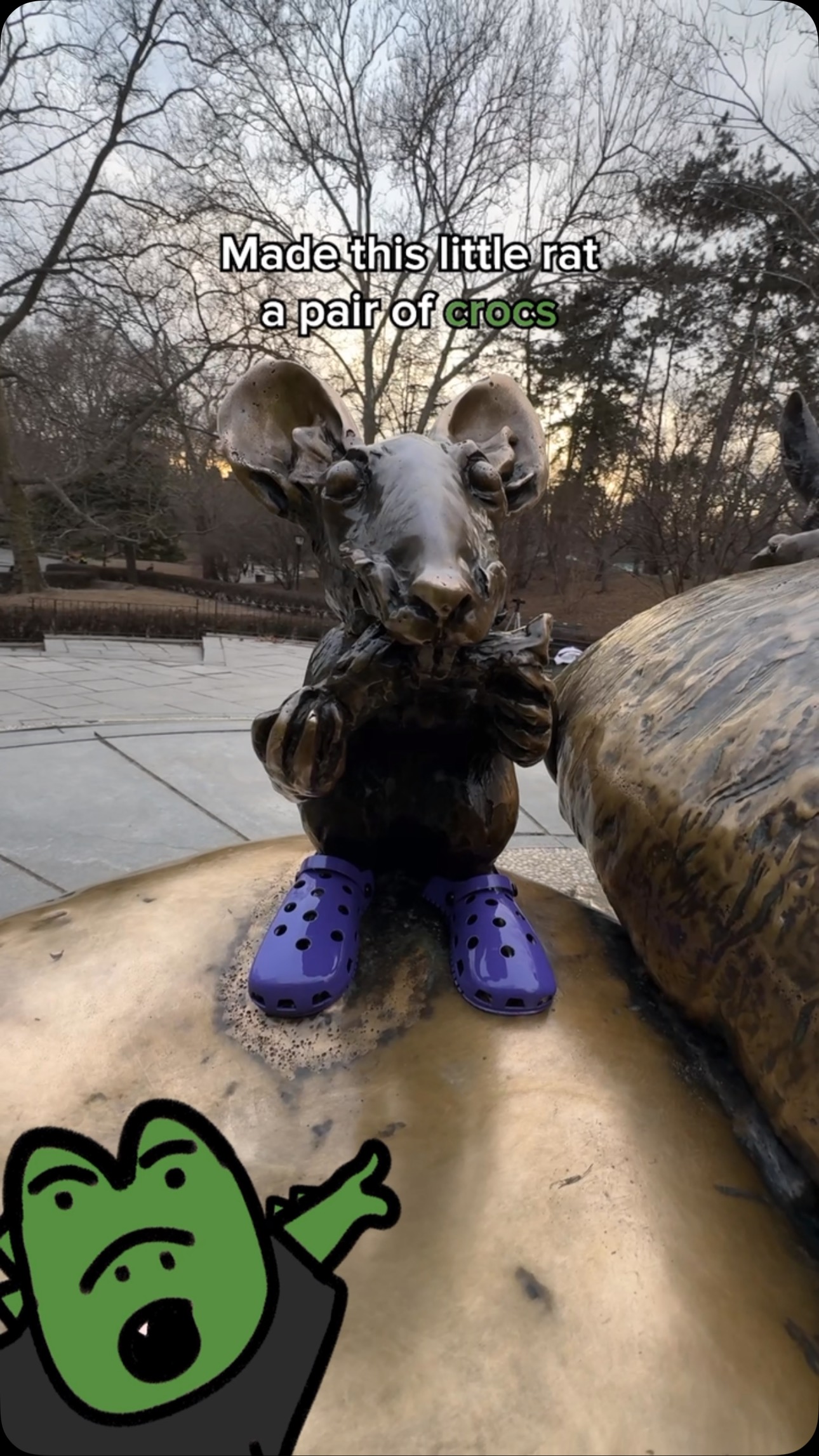 1.2MAdding 3D printed gifts to statues@kidwithcrocs · Journey Documentation
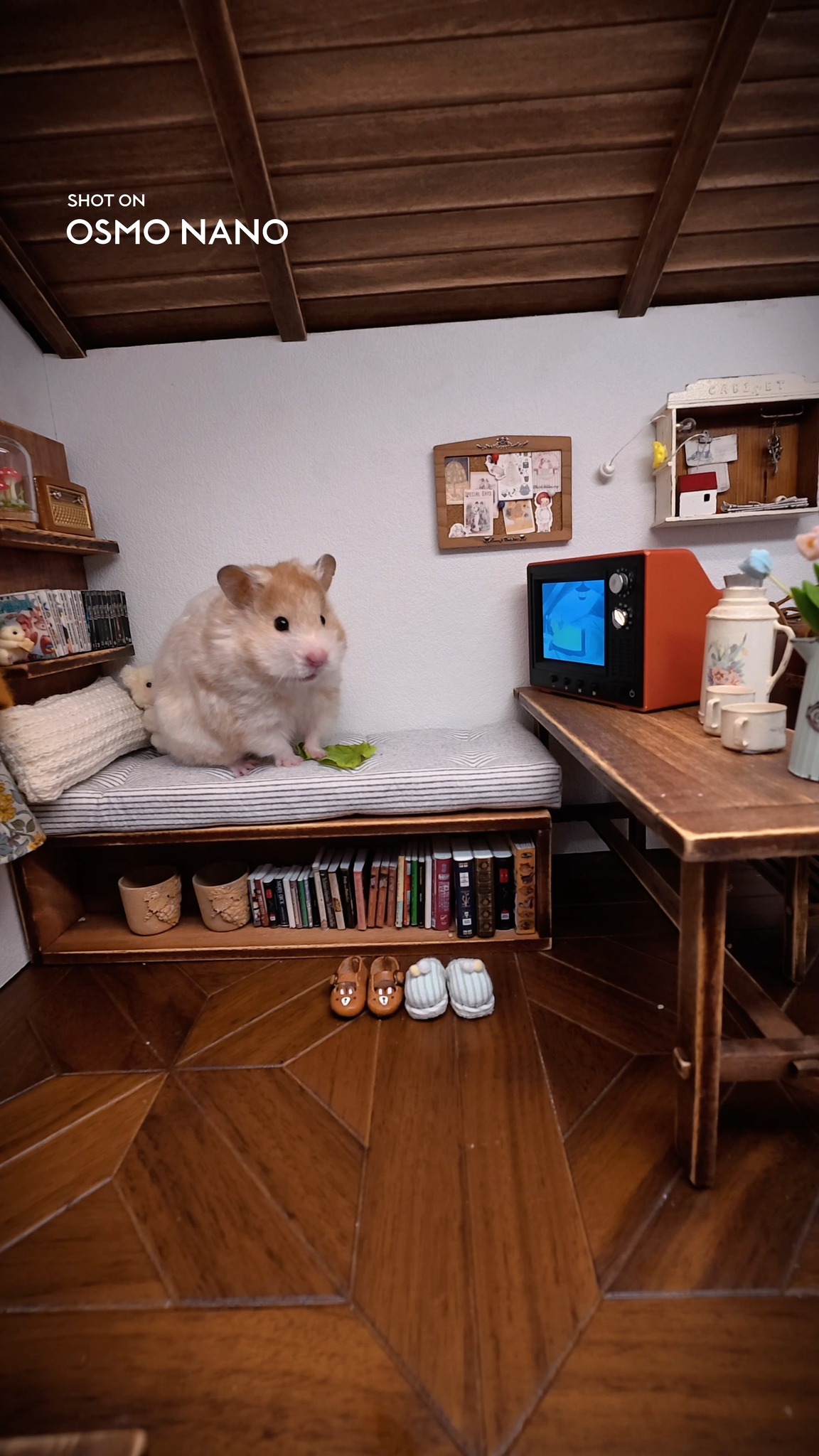 4.2M88.4×Hamster's life in miniature apartment@osmo_global · Lifestyle Showcase
 1.7M17.8×Ernie plays a reverse psychology game@sesamestreet · Social Game Challenge
 2.2M5.8×Man plays with pet otter outside@immrexotic · Lifestyle Showcase
 5.7M6.9×Plush toy tennis match animation@jellycat · Skit
 209.9K6.6×Sea snail's mockumentary life story@nationaltrust · Mockumentary Sketch
 985.5K147.7×Catching baby chameleons at night@lauraoutdoorz · Showcase
 2.5M2.5×Rapid montage of animated toys@jellycat · Brand Showcase
 678.5K5.1×Elmo and Peppa Pig disco party.@elmo
 926.1K64.3×Mascots go on a food tour@officialpacman · Lifestyle Showcase
 1.7M2.7×Stop-motion turtles' weekly mood@jellycat · Vibe Showcase
[04]
[05]
What stops the scroll in the first 3 seconds
Title hook · 15%
This
Verbal hook · 70%
This is way more than a minigame.
Visual hook · 15%
The creator points directly at the camera while an animated graphic of a Chao character from the game floats beside his head, creating immediate visual interest and context.
[06]
Steal this for your own video
This is way more than just a .
[07]
The promise the opener makes, and how the video pays it back
Hook
Make a bold, contrarian claim about a familiar topic, challenging the audience's preconceived notions and promising a deeper understanding.
Payoff
Conclude by directly asking the audience to share their own nostalgic memories and personal experiences related to the topic, transforming the video into a catalyst for community discussion.
[08]
The structural pattern this video runs on
Framework
The Nostalgic Deep Dive
To re-contextualize a familiar, nostalgic topic as being far more complex, significant, and emotionally resonant than commonly remembered, using a series of escalating revelations to prove a bold opening thesis.
The Core System Explained
Establish the fundamental mechanics of the topic, highlighting what makes it different from its contemporaries and providing a 'deep lore' fact to build credibility.
The Expansion & Feature Overload
Introduce a point of evolution (e.g., a sequel or update) where the system's complexity dramatically increased. Rapidly list advanced features to demonstrate this depth.
The Cross-Platform Innovation
Reveal a unique and memorable integration with other hardware or platforms that made the experience special and portable.
The Emotional Investment
Introduce the core emotional stakes of the system, explaining the psychological loop that created a deep attachment for users (e.g., life/death cycles, personalization).
The Ultimate Objective
Unveil the 'endgame' or a rare, highly sought-after achievement within the system that served as the ultimate goal for dedicated users.
The Lasting Legacy
Prove the topic's significance by showing its cultural impact and relevance long after its initial release, connecting it to present-day phenomena.
WHY CAN’T I JUST LIVE IN THE CHAO GARDEN FOREVER?💧😇😈 • DO YOU REMEMBER CHAOS? WHO WAS YOUR FAV? #CHAOGARDEN #SONICADVENTURES2
contextual · beginning
This
contextual · beginning
mini
contextual · beginning
Chao
contextual · beginning
Adventure.
contextual · beginning
remembers
contextual · beginning
pet
contextual · beginning
and 2000,
contextual · beginning
don't think
contextual · beginning
system
contextual · beginning
complex
contextual · beginning
loyalty
contextual · beginning
Chao
contextual · beginning
developed
call-to-action · end
Chaos?
call-to-action · end
Let's have
call-to-action · end
down
This is way more than a minigame. This was the Chao Garden from Sonic Adventure. Now everyone remembers the virtual pet craze from the nineties and February, but I don't think any system was as complex and had the loyalty that the Chao System had developed by the Sonic Team. Now the Chao Garden was actually built on top of the a life system from Nights Into Dream for the Sega Saturn. But what's so great about the Chao system is that it's treated as a core game loop mechanic as opposed to just a separate mini game in the Sonic universe. So while you're playing Sonic Adventure, you actually collect chaos drives and you're able to give them to the chows, which gives them a physical mutation like tails or horns, but also affects their ability to swim, fly, their stamina, their power, etcetera. But it wasn't until Sonic Adventure two where we got the Chao Kindergarten, and the system totally went berserk. You could buy rare Chao eggs, seeds, different items to give the Chows. There were classrooms where the Chows could learn specific skills. You could even visit a fortune teller or your Chaos could even get sick. But what's even more memorable is the VMU unit for the Sega Dreamcast. You could actually load your Chao onto it and take it with you. Now I never played Sonic Adventure two for the Dreamcast better I did play it for GameCube. And that's where they introduced the tiny Chao Garden which you could access through a Game Boy Advance and a cable. So So after a certain amount of time your chows would eventually expire and depending on how happy they were they would either be reborn or sort of just disintegrate which is quite sad if you think about it. But it's really this attachment to these virtual pets which makes this game so special. They behave like infants or better. And so when you pet them or interact with them, they may clap or seem happy, which is what makes you want to take care of these chows as opposed to neglecting them. Now tier were super rare chows that people tier to unlock like ghost chows, ones wearing like a shell, flame chows, but the ultimate was the chaos chao who never died. They were immortal better they couldn't actually breed. Outside of the sonic games, the symbol of chows have gained their own life and have become an iconic mascot and can be found on pfps across any sort of social media platform. So do you remember Chauce? Which was your favorite? Let's have a discussion down in the comments.