@callherdaddy
Instagram · Clip
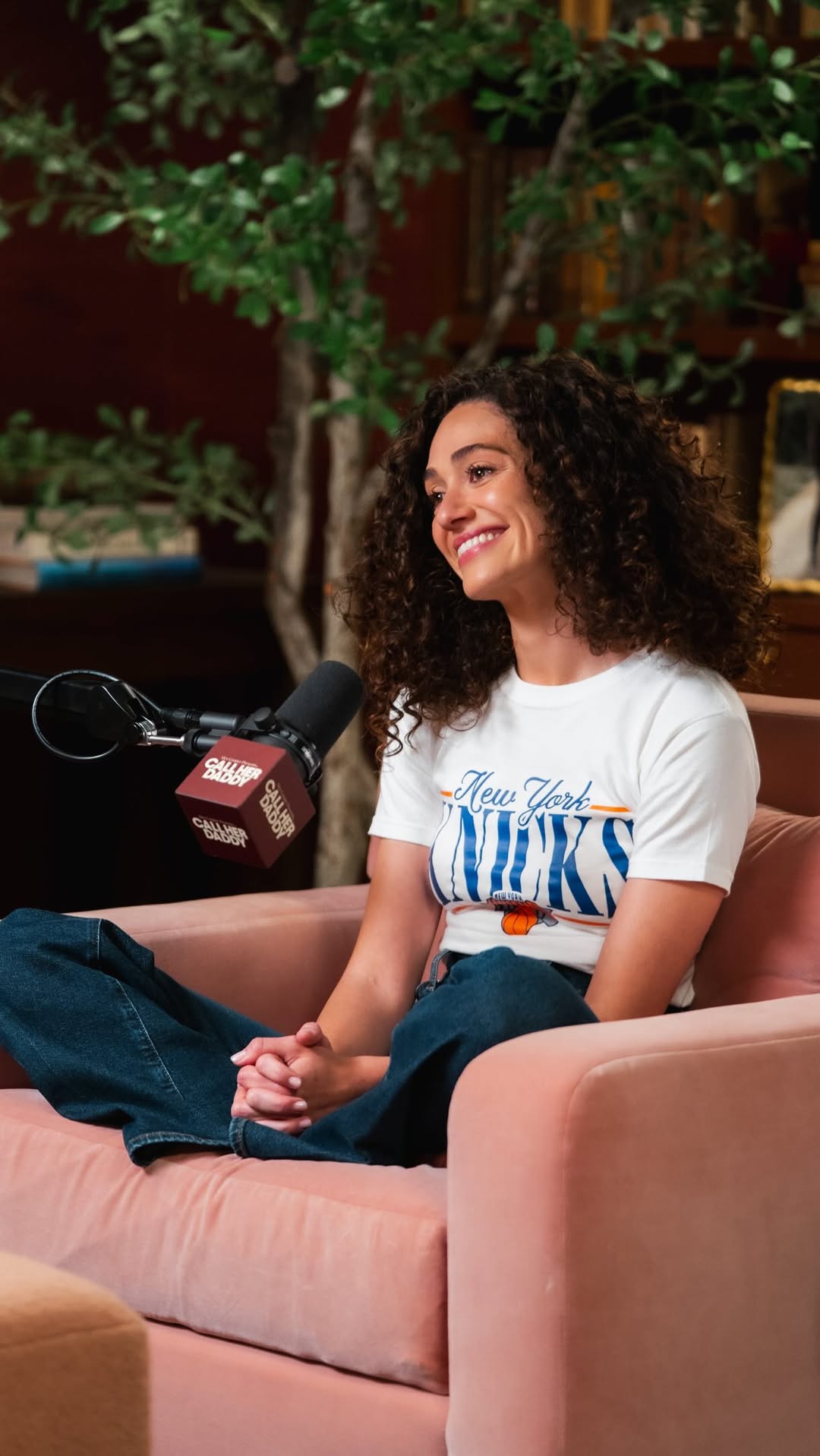
@callherdaddy “Women are always told you can have it all. You can, but that actually means you have to do it all, and it comes at a cost. And often that cost is not your job and not your kid, but you”

@callherdaddy
Instagram · Clip
@callherdaddy “Women are always told you can have it all. You can, but that actually means you have to do it all, and it comes at a cost. And often that cost is not your job and not your kid, but you”
Performance
Video #35990 · Clip
[01]
The speaker shares a vulnerable story about her initial desire to be a 'worthy' mother, leading to a realization that she was trying too hard. She discusses the societal pressure on women to 'do it all' and illustrates this with a personal anecdote about feeling disconnected from her 10-month-old daughter due to a demanding work schedule, which she calls the 'pancake problem'.
[02]
[03]
 387.3K4.2×Creator reflects on identity shift@amandanelz · Vulnerable Monologue
 207.9K4.5×Personal monologue about social anxiety@livewellwithsophie · Vulnerable Monologue
 1.5M3.8×Exposing contradictory motherhood standards@gracebeverley · Cultural Rant
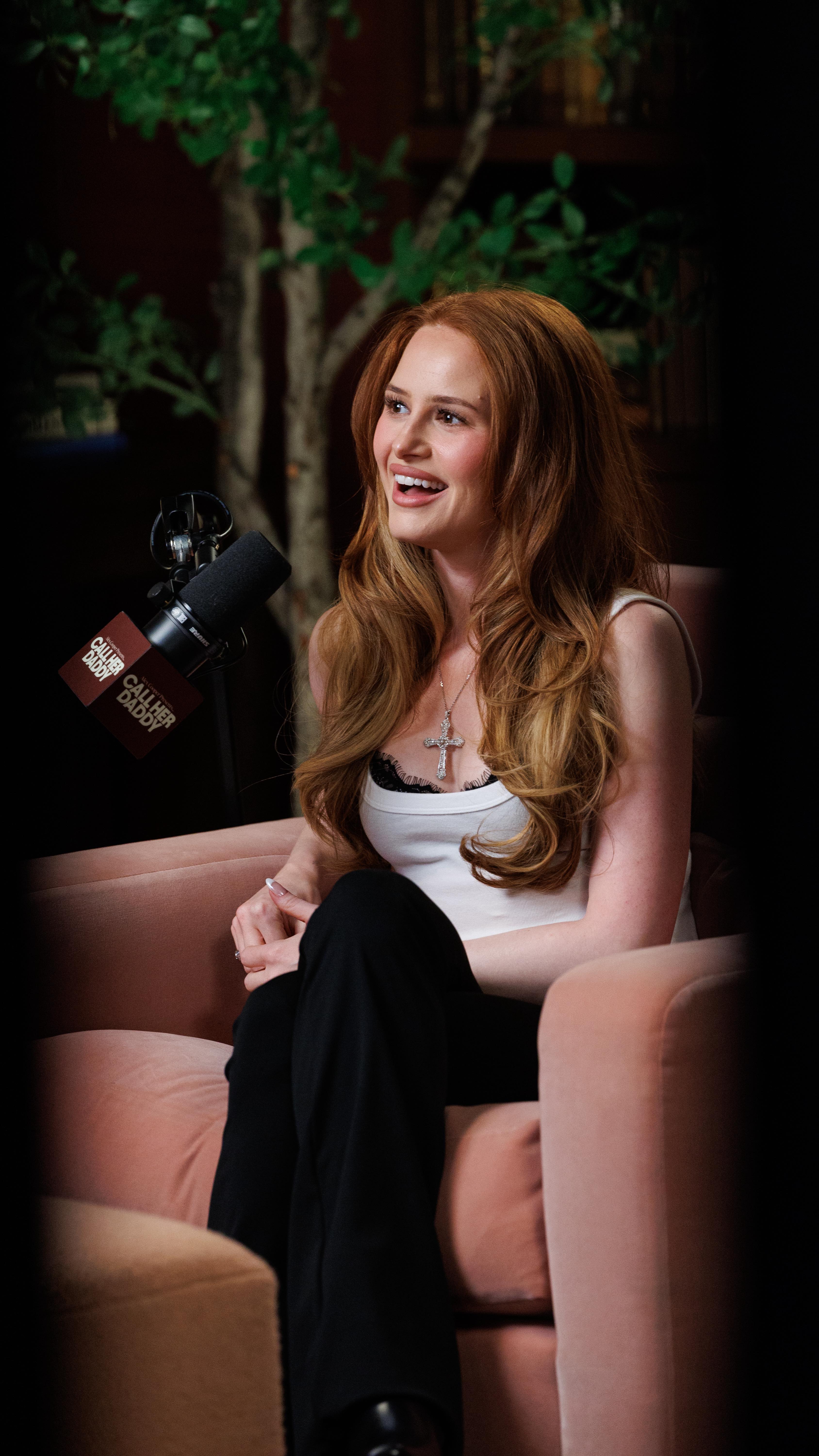 1.2MChanging views on having kids@callherdaddy · Vulnerable Monologue
 1.1M8.5×Creator shares insecurity and action plan@chloe.shih · Vulnerable Monologue
 1.7M55.8×Relatable conversation about mom guilt@doordash · Vulnerable Monologue
 1.3M36.7×Controversial take on single motherhood@aspirewithemmagrede · Hot Take
 252.6K2.9×Interview clip on teen pregnancy shame@aspirewithemmagrede · Vulnerable Monologue
 2.7M8.1×Guest shares postpartum anxiety story@callherdaddy · Vulnerable Monologue
 1.6M9.6×Interview clip on Hollywood motherhood@nytmag · Anecdotal Philosophy
 146.8K4.3×Podcast clip on motherhood identity@reikoslivingroom · Vulnerable Monologue
 1M12×Podcast clip about career motivation@reikoslivingroom · Vulnerable Monologue
[04]
[05]
What stops the scroll in the first 3 seconds
Verbal hook · 65%
I wanted to be a mother that was worthy of being this child's mother.
Visual hook · 35%
An intimate medium close-up of the speaker with an earnest, emotional expression, creating an immediate sense of vulnerability and human interest.
[06]
Steal this for your own video
I told myself I had to be — and that's exactly where I went wrong.
[07]
The promise the opener makes, and how the video pays it back
Hook
Begins with a statement of a deeply held, high-stakes personal goal or desire, creating immediate emotional investment and relatability.
Payoff
The narrative concludes on the decision to perform the symbolic action, creating a cliffhanger that leaves the audience to ponder the implications of the story and the universal problem it represents.
[08]
The structural pattern this video runs on
Framework
The Universal Paradox Anecdote
To illustrate a universal societal pressure or paradox by grounding it in a deeply personal and emotionally charged anecdote, making an abstract concept feel tangible and relatable.
The Aspirational Premise
Establishes the initial, often idealized, goal the speaker was striving for, setting the emotional stakes for the story.
The Flawed Strategy & Correction
The speaker reveals a moment of self-realization where they understood their initial approach was wrong, creating a pivot in the narrative and introducing internal conflict.
The Universal Truth
The speaker zooms out from their personal experience to state a broader, often paradoxical, societal truth that frames their struggle as a shared one. This is the 'it's not just me' moment that hooks the wider audience.
The Concrete Example
The narrative zooms back in to a specific, high-pressure scenario that serves as the ultimate test case for the universal truth, making the abstract problem tangible and giving it a memorable name.
The Emotional Core Question
The speaker articulates the central, gut-wrenching question at the heart of their dilemma, representing the peak of the emotional tension.
The Symbolic Action
The speaker reveals the small, tangible, and often imperfect action they decided to take in an attempt to resolve the massive emotional question. This action becomes a symbol for the entire struggle.
“Women are always told you can have it all. You can, but that actually means you have to do it all, and it comes at a cost. And often that cost is not your job and not your kid, but you”
branding · throughout
CALL HER DADDY
I wanted to be a mother that was worthy of being this child's mother. And then I realized, I'm trying too hard. I'm trying too hard to be worthy of anybody else. I just gotta be me. And women are always told, you can have it all. You can. But that actually means you have to do it all, and it comes at a cost. And often that cost is not your job and not your kid, but you. So when my daughter was 10 old, this is what my therapist calls the pancake problem, I was going to shoot on a crowded good, and I had, like, a sixteen hour shoot day. And I was waking up before she was gonna wake up, and I was coming home way before right after she was gonna be asleep. And I was like, how will my daughter know that I love her today? She will think I don't love her today. She's 10 old. She doesn't know what's going on. So I thought, okay. Well, the car is gonna pick me up in, like, twenty minutes, but I have to do some things that my daughter knows I love her today. So I have to take a shower. I have to get in the car in twenty minutes, but I'm gonna make my daughter pancakes from