@callherdaddy
Instagram · Clip

@callherdaddy “Sometimes I have a hard time conveying emotions to people because I want to be seen as this very collected, strong woman”

@callherdaddy
Instagram · Clip
@callherdaddy “Sometimes I have a hard time conveying emotions to people because I want to be seen as this very collected, strong woman”
Performance
Video #38020 · Clip
[01]
The speaker recounts a deeply personal and frightening experience with postpartum anxiety and derealization. She describes waking up after giving birth and feeling like her reality was a dream, questioning if she was alive or if the baby was real. She explains her fear and her partner's concern, and concludes by sharing her reluctance to seek help from her midwife due to a desire to appear strong and collected.
[02]
[03]
 2M4.1×Emotional interview about book inspiration@callherdaddy · Vulnerable Monologue
 4.4M14.3×Relatable story about working motherhood@callherdaddy · Anecdotal Philosophy
 2.4M3.4×Personal story about pregnancy body image@callherdaddy · Vulnerable Monologue
 213.5K2.9×Split-screen podcast relationship advice clip@reikoslivingroom · Anecdotal Philosophy
 2.3M4.5×Creator rants about morning sickness@callherdaddy · Cultural Rant
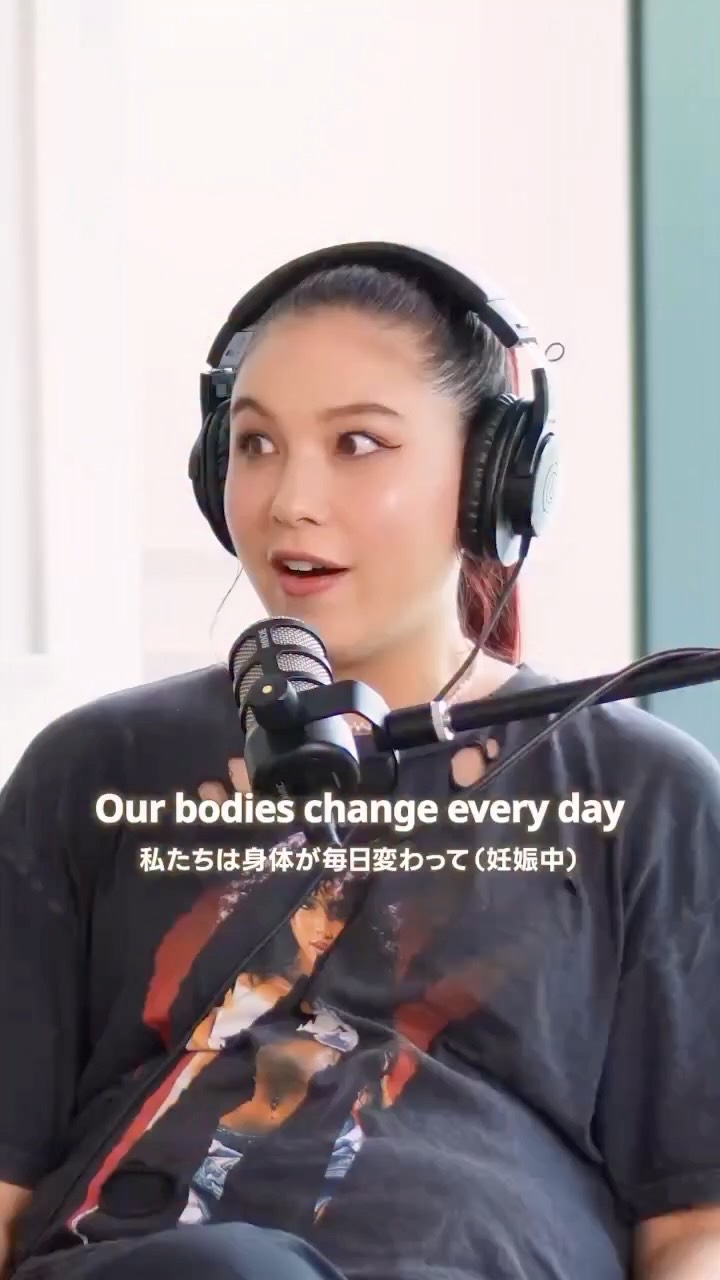 234.9K8.3×Podcast clip on partner pregnancy experience@reikoslivingroom · Anecdotal Philosophy
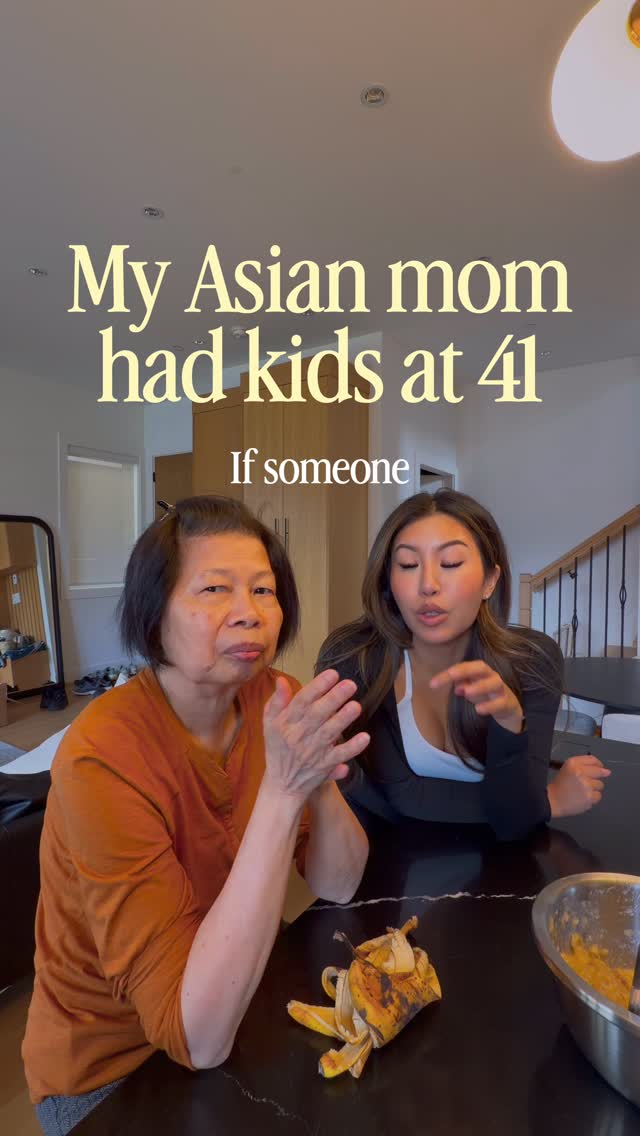 594K125.5×Daughter interviews mom about birth@meraki.michelletran · Storytime
 1.1M8.5×Creator shares insecurity and action plan@chloe.shih · Vulnerable Monologue
 252.6K2.9×Interview clip on teen pregnancy shame@aspirewithemmagrede · Vulnerable Monologue
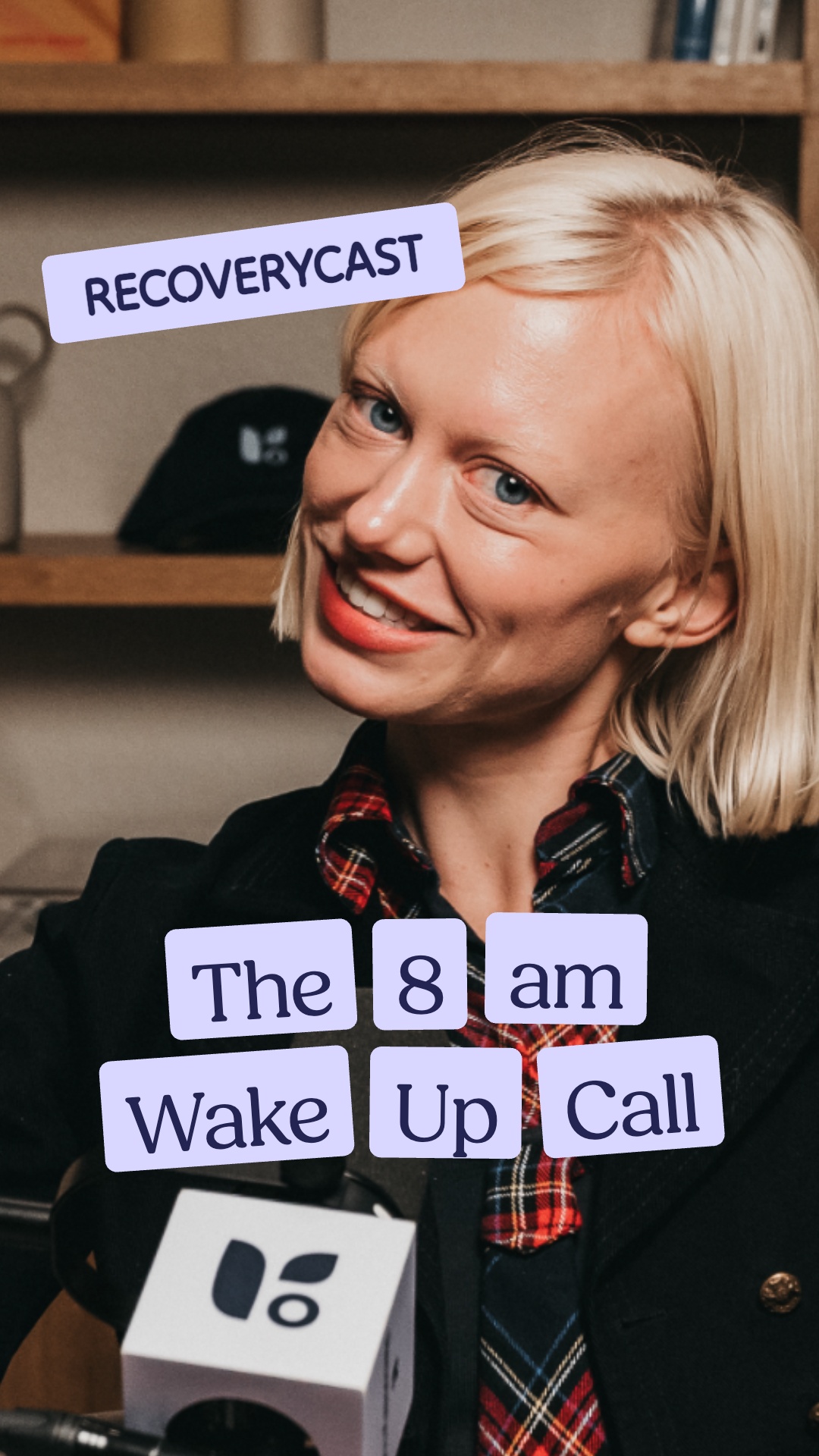 409.5K180×Vulnerable story about addiction dangers@recoverydotcom · Vulnerable Monologue
 473.9K9.9×Ironic horror story list over baby@lesleyannemurphy · Listicle One Shot
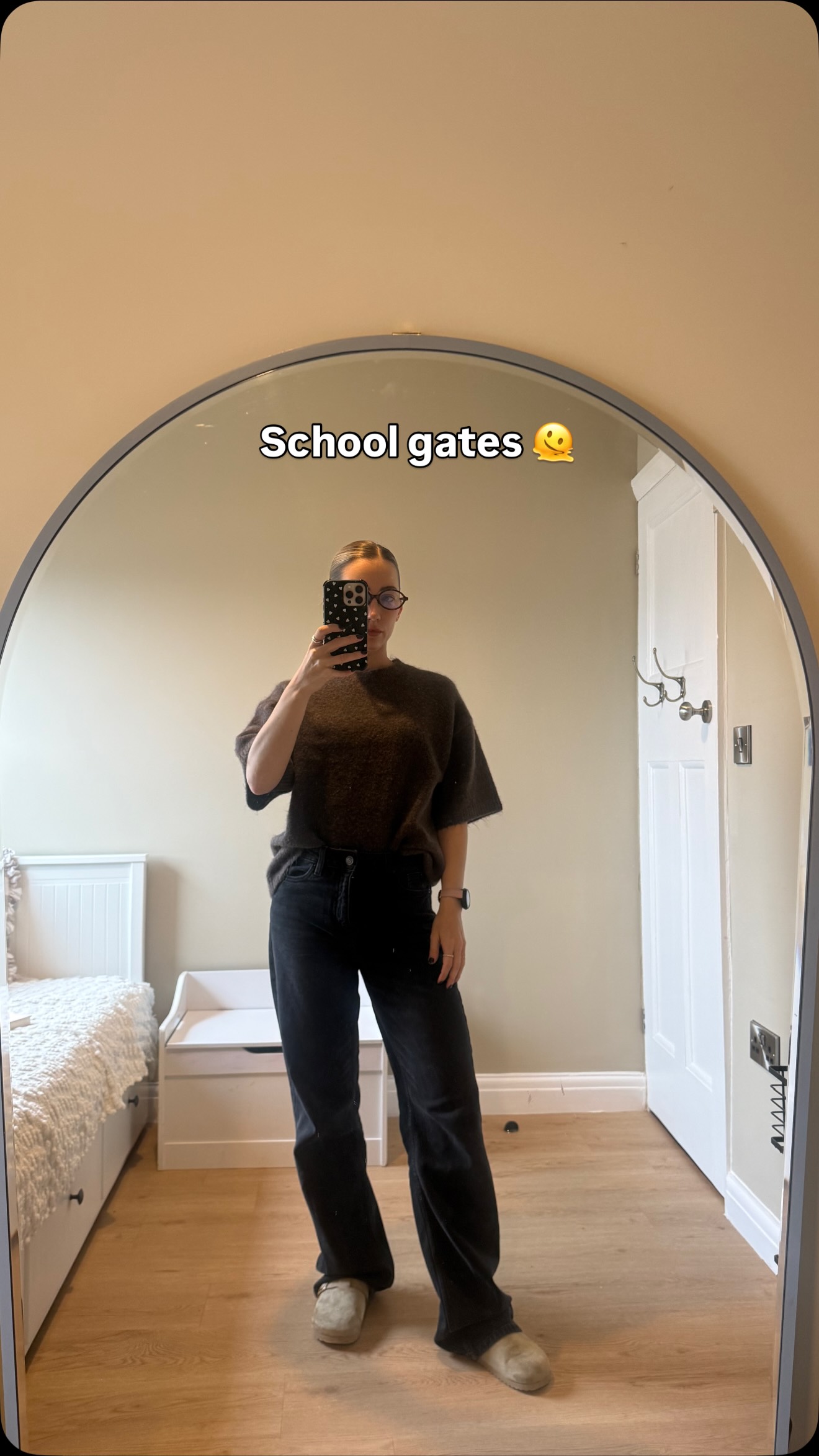 207.9K4.5×Personal monologue about social anxiety@livewellwithsophie · Vulnerable Monologue
[04]
[05]
What stops the scroll in the first 3 seconds
Title hook · 65%
LAST YEAR
Verbal hook · 30%
Last year, you did post about struggling with postpartum anxiety.
Visual hook · 5%
A medium shot of a pregnant podcast host speaking earnestly in a professionally lit studio, which then cuts to a guest with a serious, engaged expression.
[06]
Steal this for your own video
LAST , ADMITTED THIS ABOUT
[07]
The promise the opener makes, and how the video pays it back
Hook
An external prompt (a question from an interviewer) that introduces a highly vulnerable and relatable topic, immediately signaling a deep, personal story is about to be told.
Payoff
The payoff is not a resolution but a moment of profound empathy. By leaving the core tension unresolved, it compels the viewer to reflect on the experience and seek more of the story.
[08]
The structural pattern this video runs on
Framework
The Vulnerability Spiral
To build intense emotional connection by recounting a personal crisis, escalating from a general feeling of unease to a specific, terrifying moment, and then revealing the underlying social or internal pressure that compounded the struggle.
The Contextual Frame
The narrative is grounded by an external voice, setting the specific topic (e.g., a past struggle, a specific event) that the story will explore.
The Disorienting Shift
The speaker describes the inciting incident—a specific moment where their perception of reality became fractured or surreal, establishing the core conflict.
The Articulation of Unreality
The internal, abstract feeling is made concrete through recounted dialogue or specific, disquieting thoughts shared with another person in the story.
The Existential Climax
The emotional tension peaks as the speaker reveals their single most profound and terrifying thought or question during the crisis, representing the height of their struggle.
The External Validation
The severity of the internal crisis is confirmed for the audience through the described reaction of another character (e.g., a partner, a friend), who shows concern or alarm.
The Social Mask Confession
The speaker reveals a deeper, often relatable, reason for their silence or hesitation to get help—typically tied to a fear of judgment or a desire to maintain an image of strength.
The Lingering Disconnect
The narrative concludes not with a resolution, but by describing the persistent, ongoing emotional or psychological effect of the crisis, leaving the audience with the weight of the experience.
“Sometimes I have a hard time conveying emotions to people because I want to be seen as this very collected, strong woman”
branding · throughout
CALL HER DADDY
Last year, you did post about struggling with postpartum anxiety. Tier gave birth. I was sitting tier. Lucky helped. And we were sitting tier, and then the next morning, I woke up, and it was one of the scariest experiences postpartum for me because it genuinely felt like everything was a dream. I told Lucky. I was like, it feels like I'm gonna wake up tomorrow, and I would have never been pregnant. I don't have a baby. This doesn't feel real. What is happening? I was terrified. I told him, like, I don't feel like I'm here. Am I here? Here? I looked at him one night and I'm like, did I die? And he got so concerned. He called his sister and his mom, and he's like, is this normal? Like, what's going on? And then I didn't tell my midwife because sometimes I have a hard time conveying, like, hard emotions to people because I wanna be seen as this very, like, collected, strong woman to where I don't want people to think I'm unwell. Unwell. It felt like it didn't happen. Every morning, I'd wake up looking at this baby being like, who are you? And I'd never had that experience before, and that was really, really hard. And then the postpartum exi