Video #37714 · Talking Head Edit
Explains astronomy project from laptopfrom @lumiere_edu
The creator explains how high school students can conduct astronomy research from their laptops to discover exoplanets. He outlines the scientific principle of transit photometry, introduces free NASA tools and databases (MAST and Lightkurve), and provides a step-by-step process for analyzing star brightness data to find potential new planets, concluding with a call-to-action to receive a detailed guide.
- 1Promise accessible expertise
- 2Reveal secret tool
- 3Simplify the process
- 4Gate the full guide
ConceptsTutorial / How ToOpportunity Explainer
ElementsImage OverlayDM / Comment-for-Info CTAFollow / Subscribe CTAJump Cut
[05]
Hook analysis
What stops the scroll in the first 3 seconds
Title hook · 60%
Astronomy Research Idea Without a $1 Billion Telescope (In High School)
Verbal hook · 35%
Here's a research project you can do from your laptop with a free tool built by NASA.
Visual hook · 5%
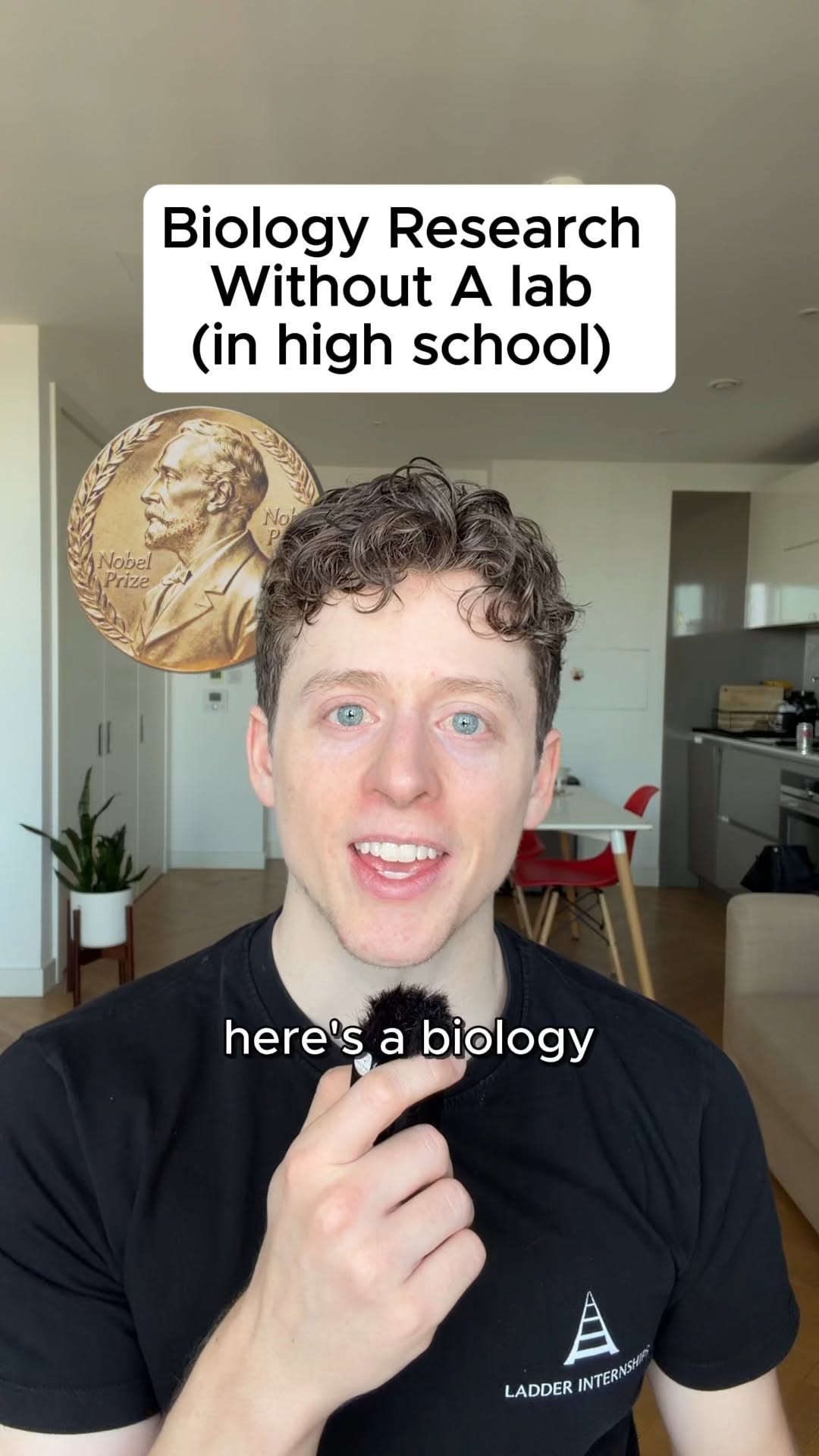
A speaker addresses the camera directly while holding a small microphone, with the official NASA logo prominently displayed next to his head, establishing immediate authority and visual interest.
[06]
Hook template
Steal this for your own video
Real [impressive goal] Without [expensive barrier] (In [accessible starting point])
- — Real Astronomy Research Without a $1 Billion Telescope (In High School)
- — Real Film Scoring Without a $50,000 Studio (In Your Bedroom)
- — Real Clinical Data Without a Lab Coat (In College)
[07]
Hook and payoff
The promise the opener makes, and how the video pays it back
Hook
A high-value, low-barrier promise that targets a specific aspirational identity (e.g., 'researcher') and includes a retention mechanic ('I'll tell you how at the end').
Payoff
A direct call to action that acknowledges complexity to build trust, then immediately offers a gated, high-value resource (a 'lead magnet') in exchange for specific engagement actions (follow, comment).
[08]
Narrative framework
The structural pattern this video runs on
Framework
The Accessible Genius Blueprint
Demystifying a complex, high-status skill by revealing a simple process and free, authoritative tools, then gating the full instructions behind a call to action to drive engagement.
- 1
The Scientific Premise
Establishes the core concept or problem in simple, understandable terms, grounding the subsequent solution in a clear principle.
- 2
The Authority & Resource Reveal
Introduces a powerful, free, and credible resource (e.g., a public database) that makes the seemingly impossible task feasible, lending authority to the method.
- 3
The Tool Introduction
Presents the specific, user-friendly tool that acts as the bridge between the user and the complex resource, making it accessible.
- 4
The Automated Discovery Process
Details the core steps of the process, framing them as a simple, almost automated sequence that the viewer can easily replicate.
- 5
The Empowerment Statement
Summarizes the outcome by reframing the activity, connecting the viewer's potential actions to a larger, more meaningful purpose or identity.
Themes
- Citizen science
- STEM education
- Accessibility of research
- Passion projects
Techniques
- Direct address
- Visual aids
- Step-by-step explanation
Trends
- Educational content
- Side hustle/passion project ideas
Post caption
You don't need a $1 billion telescope to hunt for planets, NASA already did the hard part.
Years of brightness data on hundreds of thousands of stars sit in a free public archive, and a hidden planet shows up as a tiny dip that repeats on a schedule.
Follow and comment "BUILD" and I'll DM you the full step by step guide, every tool in it is free.
#astronomy #exoplanets #nasa #space #stem #highschool #research #passionproject
Text overlays
Transcript
A research project you can do from your laptop with a free tool built by NASA. I'll send you the step by step guide with every tool at the end of the video. Almost every star in the sky is planets. We just haven't found most of them yet. When a planet crosses in front of its star, the starlight dips a tiny bit. NASA stores tier brightness of brightness of hundreds of thousands of stars in a free database called Best measured every few minutes for years. Now here's what you do for your project. Open a free tool called LightCurve in your browser. Type in any star rank it pulls that star status straight from MAST for you. Then it scans for a dip that repeats on a regular schedule and scores it. The stronger the repeating dip, the better your candidate, a potential undiscovered planet. This is the real first step of exoplanet discovery from your bedroom and for free. It's obviously more complicated than this, so follow my account and comment build, and I'll send you the step by step guide for how to do it.