@jason_swet
Instagram · Split screen
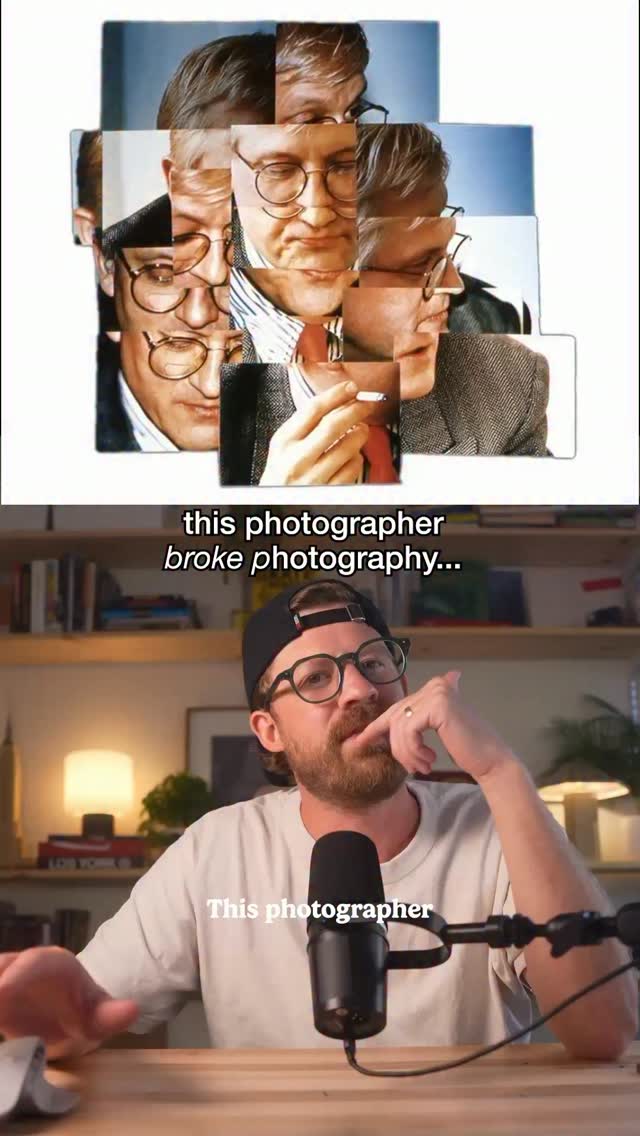
@jason_swet In honor of David Hockney, tell me what would be the coolest scene to photograph as a Hockney Joiner?

@jason_swet
Instagram · Split screen
@jason_swet In honor of David Hockney, tell me what would be the coolest scene to photograph as a Hockney Joiner?
Performance
Video #39176 · Split screen
[01]
The creator profiles artist David Hockney, explaining how Hockney's dissatisfaction with the limitations of traditional photography led him to develop his signature 'Joiner' photo-collage technique. He uses Hockney's artwork and an archival clip of the artist to illustrate how this method captures the passage of time and multiple perspectives, concluding with a reflection on how creative limitations can inspire great art.
[02]
[03]
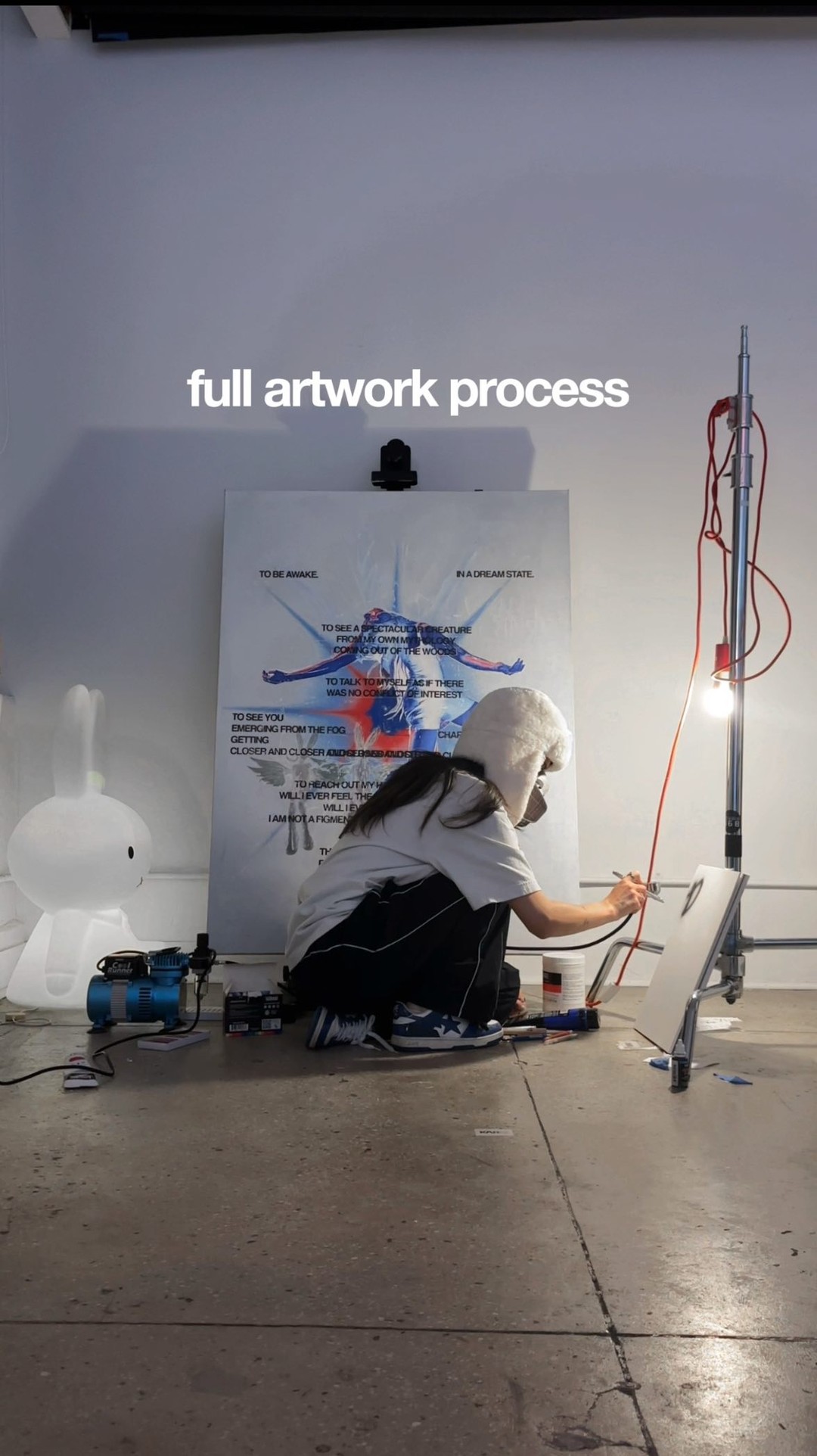 585.5K2×Artist explains artwork creation journey@karocrafts · Behind The Scenes
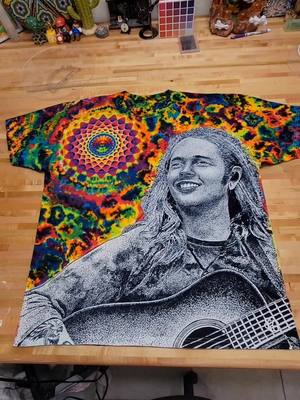 1.8M1.7×Tie-dye art process start to finish@dyesngoodvibes · Process
 393.9K3.7×Artist shares origin story and reveal@byantonlangreiter · Newsletter Lead Magnet
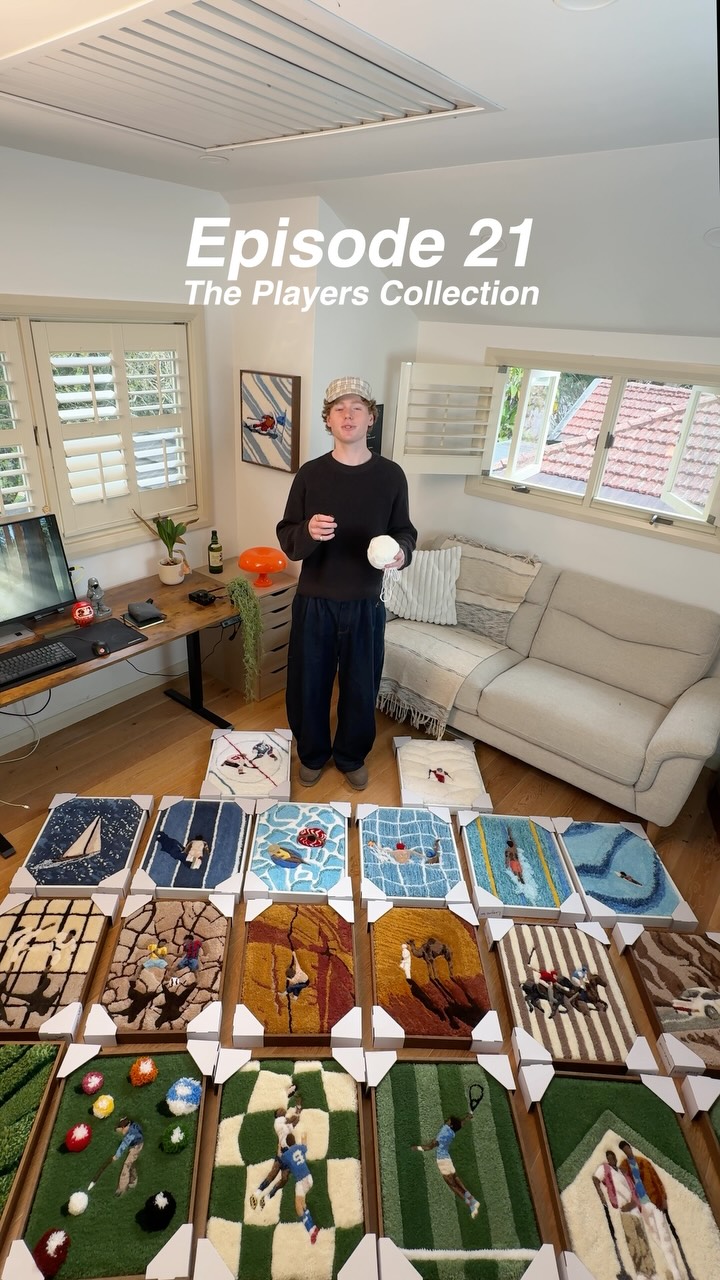 147.3K14.5×Artist shows art creation process@byantonlangreiter · Process
 2M11×Building wool art collection series@byantonlangreiter · Journey Documentation
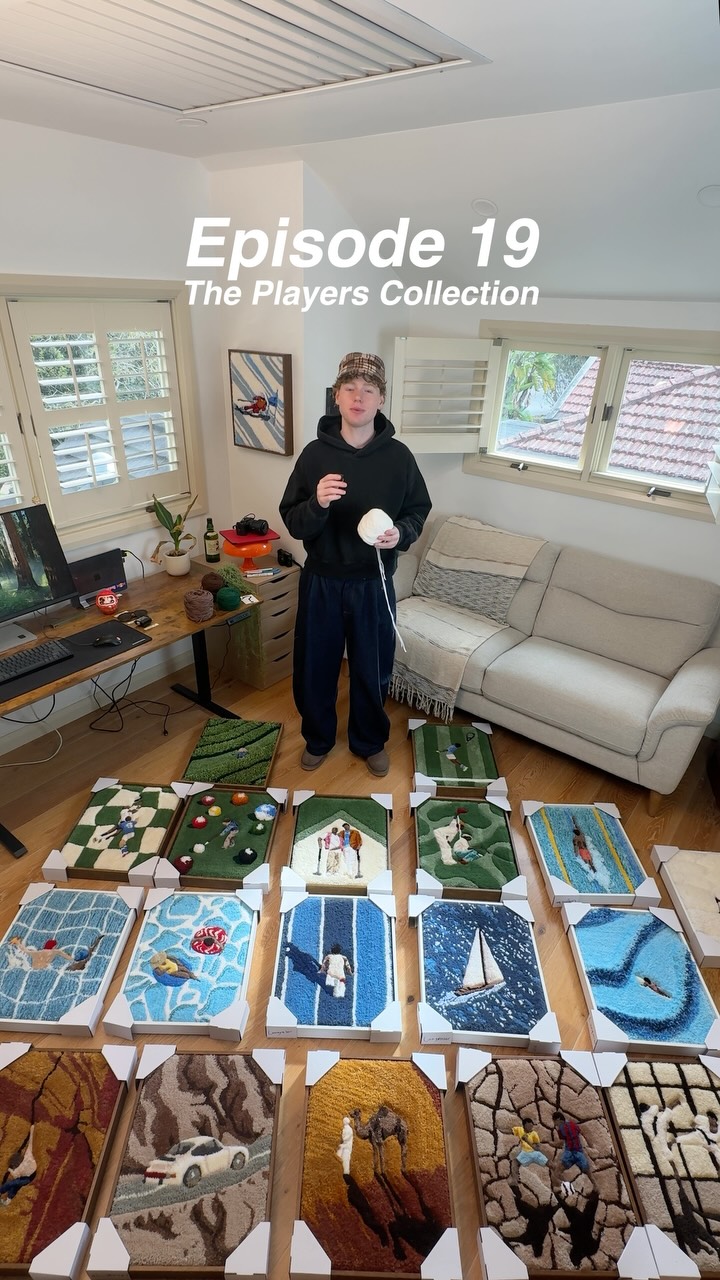 809.9K81.4×Artist shows 3D art process@byantonlangreiter · Process
 590K2×Jacket design process breakdown@sakata.ken · Breakdown
 158.1K15.8×Artist documents making art series@byantonlangreiter · Journey Documentation
 188.5K2.3×Making a Wimbledon-inspired wool artwork@byantonlangreiter · Day X of Doing Y
 814.7K1.3×Designer explains jacket creation process@frontoffice.co · Origin Story
 243.8K2.1×Showing the process of art.@olympics · Process
 1.3M60.4×Showing the tie-dye creation process@dyesngoodvibes · Process
[04]
[05]
What stops the scroll in the first 3 seconds
Verbal hook · 45%
This photographer ironically disliked photography as a medium and its fundamental limitations...
Visual hook · 55%
A split-screen view with the top half showing a visually complex and fragmented photo collage of a man's face, immediately creating intrigue and questioning traditional portraiture.
[06]
Steal this for your own video
A split-screen showing on one half and on the other — before a single word is spoken.
[07]
The promise the opener makes, and how the video pays it back
Hook
Introduce a subject with an intriguing contradiction that defies expectations, creating an immediate curiosity gap.
Payoff
Deliver an intellectual and emotional resolution by revealing the deeper meaning behind the subject's work and inviting the viewer to see its influence in their own world.
[08]
The structural pattern this video runs on
Framework
The Contrarian Creator
Introduce a creator or concept through a central paradox (they reject a core tenet of their field), then reveal how this rejection led to a groundbreaking innovation, using primary source evidence to build authority before delivering a philosophical takeaway.
The Contrarian Hook
State the central paradox about the subject (e.g., a photographer who dislikes photography) to immediately engage the viewer's curiosity.
The Problem Statement
Explain the subject's critique of the established norm or medium, framing it as a fundamental limitation that needs to be overcome.
The Solution Reveal
Introduce the subject's unique technique, method, or creation as their specific answer to the stated problem.
The Concrete Case Study
Showcase a specific, relatable example of the solution in action to make the abstract concept tangible and demonstrate its effect.
The Primary Source Proof
Incorporate direct evidence from the source (a quote, archival audio/video) to validate the narrative, add profound authority, and let the creator explain their own 'why'.
The Formal Identity Reveal
Formally name the subject and their innovation, providing the 'answer' the audience has been waiting for after being drawn in by the initial mystery.
The Thematic Synthesis
Articulate the broader philosophical takeaway or the inspiring lesson derived from the subject's approach, elevating the story from a simple explanation to a meaningful insight.
The Legacy & Engagement Hook
Connect the subject's work to a lasting legacy and pose a question to the audience that links the topic to their own contemporary experience, encouraging comments.
In honor of David Hockney, tell me what would be the coolest scene to photograph as a Hockney Joiner?
title · beginning
How We Experience The World
title · beginning
With Time And Spacial Dynamics
title · end
Are What Make The Art Special
This photographer ironically disliked photography as a medium and its fundamental limitations the fact that it captures only a single snapshot in time from one perspective, one focal length and a far cry from the reality of how he experienced the world with time and spatial dynamics. So he developed this technique you see here. This is Mr. And Mrs. Friedman doing a crossword, although for them it's more of an intellectual best. And with this technique, you experience that and observe the change in their faces. I think probably the first picture was taken when she was almost ready to write the worse. And then as she got more excited thinking the word is correct and moves down, It starts at the top of her head and ends with the tip of the pen. And I realized you could make portraits, more and more complex, showing, different expressions on the face using the passing of tier, and it opened up enormous possibilities. The artist is David Hockney. These are often called Hockney joiners, and what inspires me is that the limitations of the medium, in this case photography, are what make the art special. David Hockney recently passed away better he leaves a legacy of curiosity, questioning the norm, and a drive for experimentation that I really admire. Curious if you've noticed his influence in modern media.