@sakata.ken
Instagram · Talking Head Edit
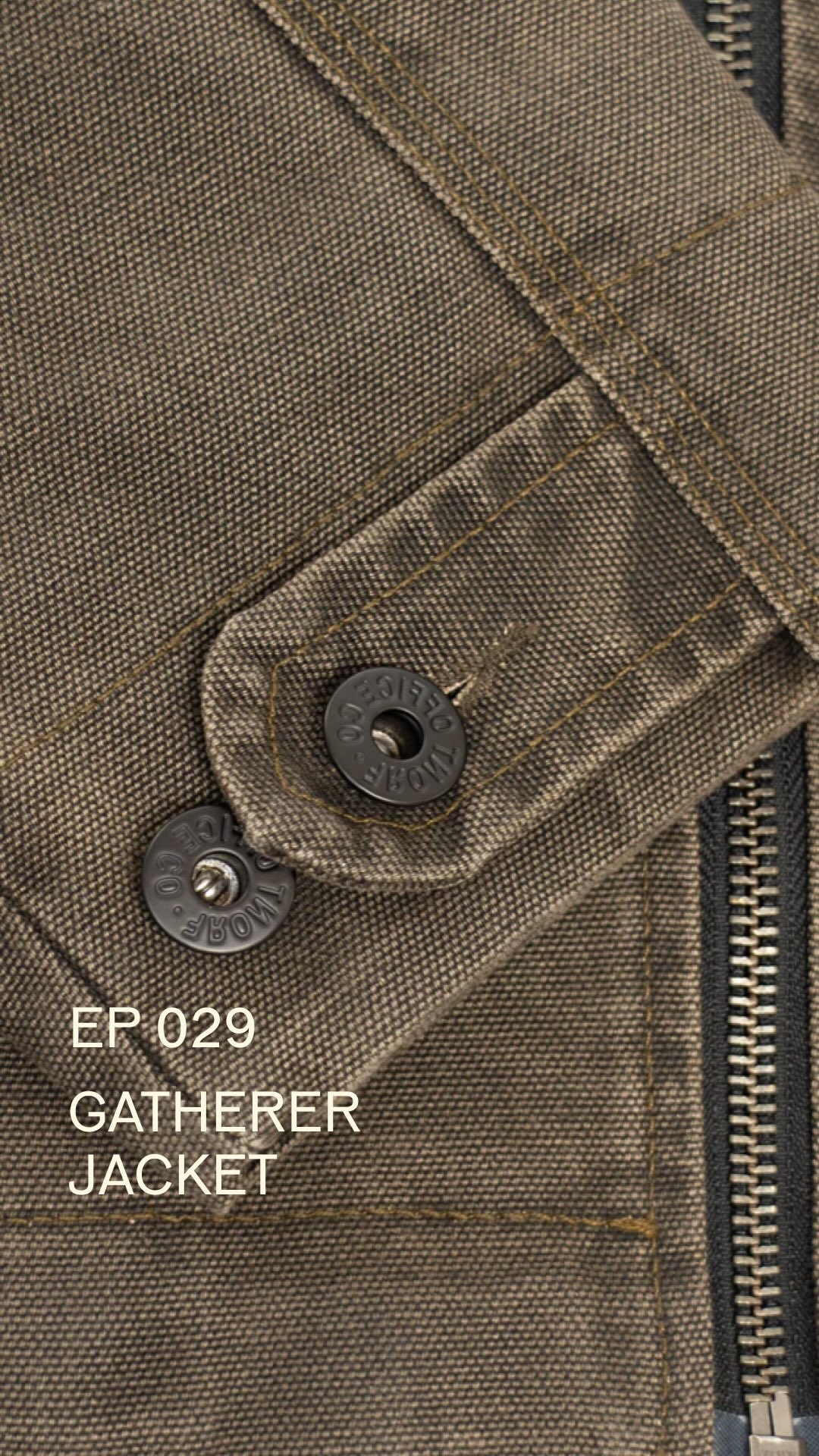
@sakata.ken Our gatherer jackets are back in stock. Sold out three times in a row. I am grateful that people will consistently back our little studio against luxury players in the industry.

@sakata.ken
Instagram · Talking Head Edit
@sakata.ken Our gatherer jackets are back in stock. Sold out three times in a row. I am grateful that people will consistently back our little studio against luxury players in the industry.
Performance
Video #15452 · Talking Head Edit
[01]
The creator deconstructs the design process of a hunting jacket, explaining how abstract feelings like confidence and utility can be reverse-engineered into specific design choices. He breaks the process down into three stages: fabric, silhouette, and color. He compares different fabric weights, discusses various silhouettes like the Carhartt Detroit shape, and explains how his design incorporates 'gathering' pockets. Finally, he details a pigment wash technique used to create a faded, experienced look that evolves with the wearer, concluding that the goal is to sell a feeling of meaning, not just a physical garment.
[02]
[03]
 814.7K1.3×Designer explains jacket creation process@frontoffice.co · Origin Story
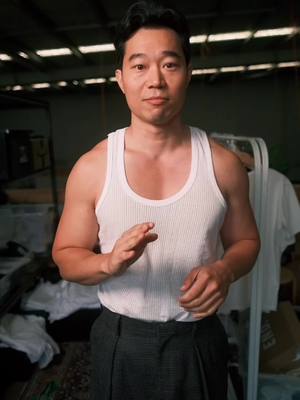 354.8KDesigner shows jacket creation process@frontoffice.co · Origin Story
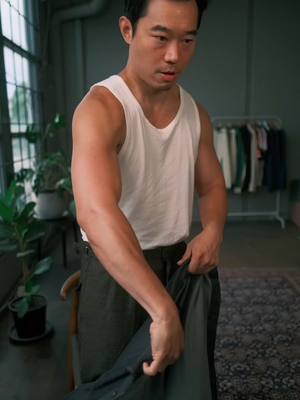 320.2KDesigner breaks down overshirt fabrics@frontoffice.co · Breakdown
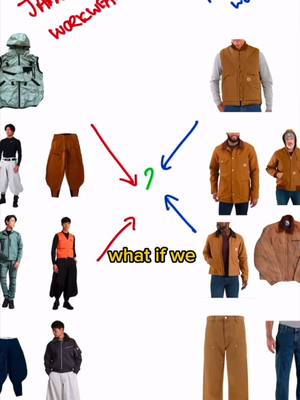 700.5K1.9×Deconstructing Japanese and American workwear@frontoffice.co · Breakdown
 827.8K2×Designer breaks down hoodie construction@frontoffice.co · Case Study Breakdown
 349KWhy durable clothes still create waste.@frontoffice.co · Breakdown
 292.4K2.6×Custom jacket process start to finish@crust_young · Tutorial / How To
 3M5.5×Comparing workwear styles, creating hybrid jacket.@frontoffice.co · Case Study Breakdown
 380.4K2.2×Explaining waterproof clothing design principles@frontoffice.co · Explainer
 548.2K1.6×Explaining waterproofing beyond the coating@sakata.ken · Breakdown
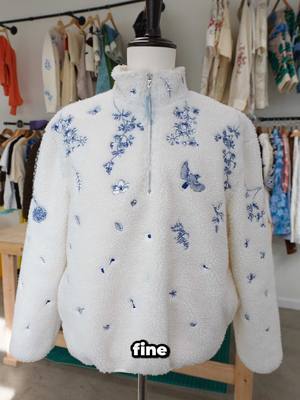 275.8K4.7×Designer shares jacket's personal story@yitaigeng · Origin Story
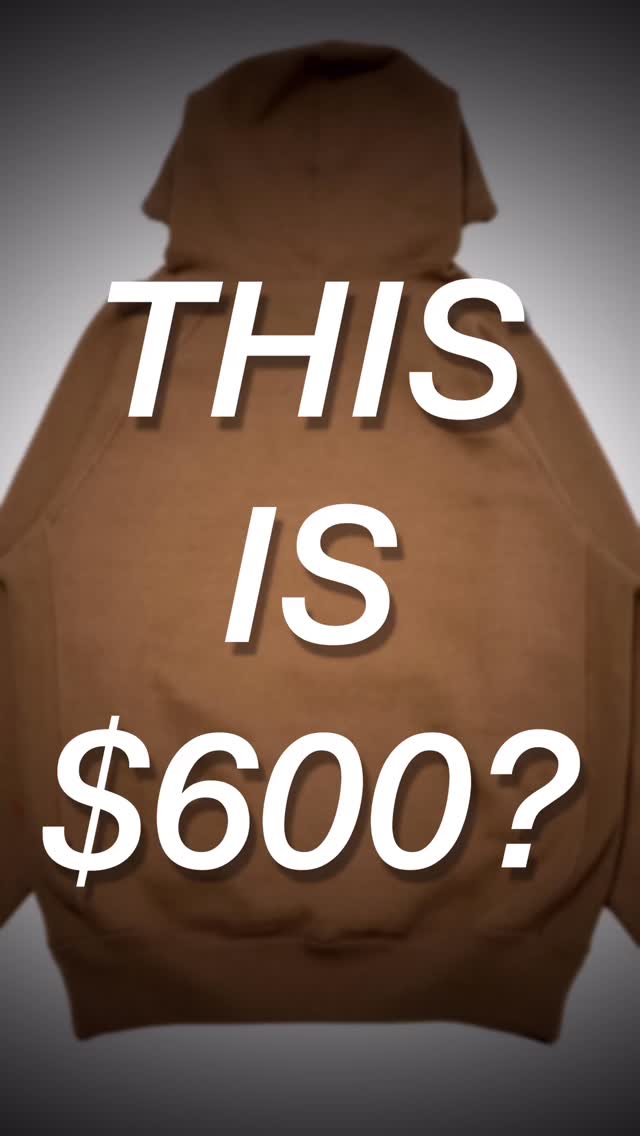 278.1K19.4×Explain hoodie quality and pricing@fineasjackson · Breakdown
[04]
[05]
What stops the scroll in the first 3 seconds
Title hook · 55%
picture this
Verbal hook · 40%
picture this. You're wearing your favorite canvas hunting jacket.
Visual hook · 5%
A medium shot of the speaker at a desk, making a direct pointing gesture to the camera, immediately engaging the viewer.
[07]
The promise the opener makes, and how the video pays it back
Hook
The Evocative Premise: The video begins by painting a relatable, emotional picture to connect the audience to a specific abstract feeling or 'vibe' associated with the subject.
Payoff
The Value Transformation: Concludes by reframing the subject's value. It argues that the audience isn't acquiring a collection of physical parts, but rather a vessel for the abstract concept it was designed to embody (e.g., 'you're not buying materials, you're buying meaning').
[08]
The structural pattern this video runs on
Framework
The Reverse-Engineering Manifesto
Deconstructing an abstract feeling or concept into a series of tangible, deliberate choices, thereby revealing the creator's mastery and imbuing the final product/idea with deeper meaning.
The Intellectual Reframe
Immediately pivots from the emotional premise to an intellectual one, asserting that the feeling is not magic but the result of a series of concrete, reverse-engineerable decisions. This establishes authority and sets the video's core thesis.
The Deconstruction Gauntlet
Systematically breaks the subject down into its core components (e.g., material, shape, finish). For each component, it presents a problem, compares options (often referencing a past iteration or a common standard), and reveals the chosen solution, justifying it by linking the tangible choice back to the initial abstract feeling.
The Unifying Manifesto
Zooms out from the technical details to state a grand, unifying philosophy. It explicitly explains the creator's role in translating abstract concepts into the tangible choices the viewer has just witnessed, effectively revealing the 'magic' behind the craft.
Our gatherer jackets are back in stock. Sold out three times in a row. I am grateful that people will consistently back our little studio against luxury players in the industry.
title · beginning
picture this
informational · beginning
reverse engineered
informational · beginning
start with fabric
informational · middle
a silhouette
informational · middle
gathering shapes
informational · end
show the passage of time
informational · end
feel meaning
No picture this. You're wearing your favorite canvas hunting jacket. You're feeling confident, capable, useful. Like, what a vibe. Right? Actually rank. Like, these aren't vibes, feelings. These are actually a series of design decisions stacked on top of each other. Feelings of confidence, utility, experience can be reverse engineered. So we start with fabric. Cotton canvas is typically the fabric of choice, also called duck cloth, sail cloth, but tier are different types of canvas, so let's try a few options. So this is last year's hunting jacket. It's a Worse War two reproduction cloth made in a Japanese mill. So they actually analyzed and recreated a Bulgarian military cloth. I love the history, I love the meaning, but it's a little bit light for a hunting jacket. So this is a heavier canvas, almost one and a half times as heavy. So we bought this fabric from the same mill that supplies Carhartt and a lot of worse brands. I'm not always a huge fan of heavy fabrics, but in this use case it's pretty sound because we have to hit these no of confidence, like utility, experience. Like wearing something heavy also gives you the confidence of being protected better also that you could be a protector, that you could be useful. So next we have to decide on a silhouette, a shape. There are all kinds of different shapes and silhouettes in the American hunting jacket genre. The one that's probably the most popular right now is the Carhartt Detroit shape, which is pretty straight off the bat one note hunting jacket. But I guess as a design company what we want to do is be a little bit subversive. So instead of a hunting jacket, let's think of gathering shapes, a gatherer. These large pockets where you put like a dead duck or a dead fish or something like that, like really reinforce this idea of gathering. And we coupled that with the pocket shape of some vintage Carhartt Arctic jackets. So this is last year's jacket with these huge pockets at the front and at the back and that was a pretty successful design. We sold that in a few weeks. But this year with the heavier fabric, it's not gonna work. With the fabric now one and a half times heavier, it's gonna be too unbalanced. So we'll keep the front pockets and keep the back as a seam. So we've got fabric, we've got silhouette, now it comes to colour. How do we communicate these big ideas of utility, of experience? What most designers do would be to choose a colour. But what we want to do is to show a fade, show experience, show the passage of time. So we coat the initial color of a black pigment and then it looks jet black. And the third process is to wash it back and then you have an interplay between the two colors. And the beautiful thing about that pigment wash is that it's dynamic. So with time it will pick up the little scuffs, the contact points between the arm and the body or towards the cuff. Like very similar to raw denim it will reflect your experience, your life, the way that you've worn your jacket. I've said it before and I'll say it again right, clothes are just clothes. However, if you want to touch these really abstract ideas of like confidence, experience, utility, these are really nebulous. And your skill as a designer is to sit down and condense that, mulch that into what is the weight of the fabric, what wash techniques are we gonna use, what shape is it gonna best. So that via the jacket, when someone else puts it on, these abstract ideas float up and they get to experience that. So hopefully, at the end of the day, you're not buying close to a kilogram of cotton and a metal zip. You're buying something that makes you feel meaning.