@callherdaddy
Instagram · Clip

@callherdaddy PSA from @parisjackson: Leave your expectations at the door and give something real the chance to grow

@callherdaddy
Instagram · Clip
@callherdaddy PSA from @parisjackson: Leave your expectations at the door and give something real the chance to grow
Performance
Video #39319 · Clip
[01]
The speaker, Paris Jackson, recounts her experience of not growing up with her mother, Debbie Rowe. She details how she first learned about her as a child, describes their casual and non-dramatic first meeting at age 15, and reflects on how their relationship grew organically. She concludes by sharing a broader life lesson on how entering relationships without expectations allows for genuine connection to blossom.
[02]
[03]
 1.7M3.3×Podcast trailer with celebrity guest@callherdaddy · Hype Teaser
 4.2M9.2×Podcast clip on calling off engagement@callherdaddy · Vulnerable Monologue
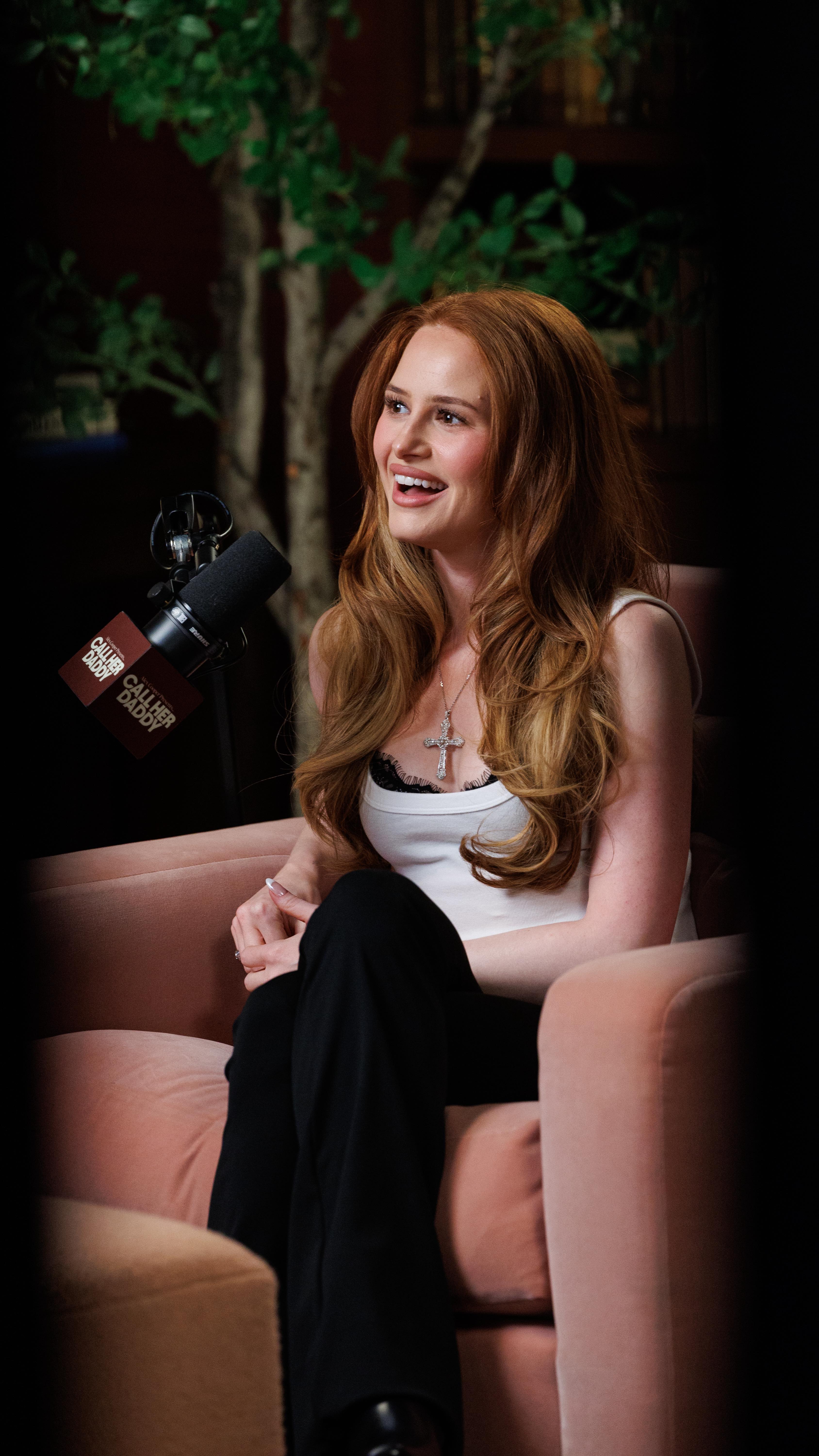 1.2MChanging views on having kids@callherdaddy · Vulnerable Monologue
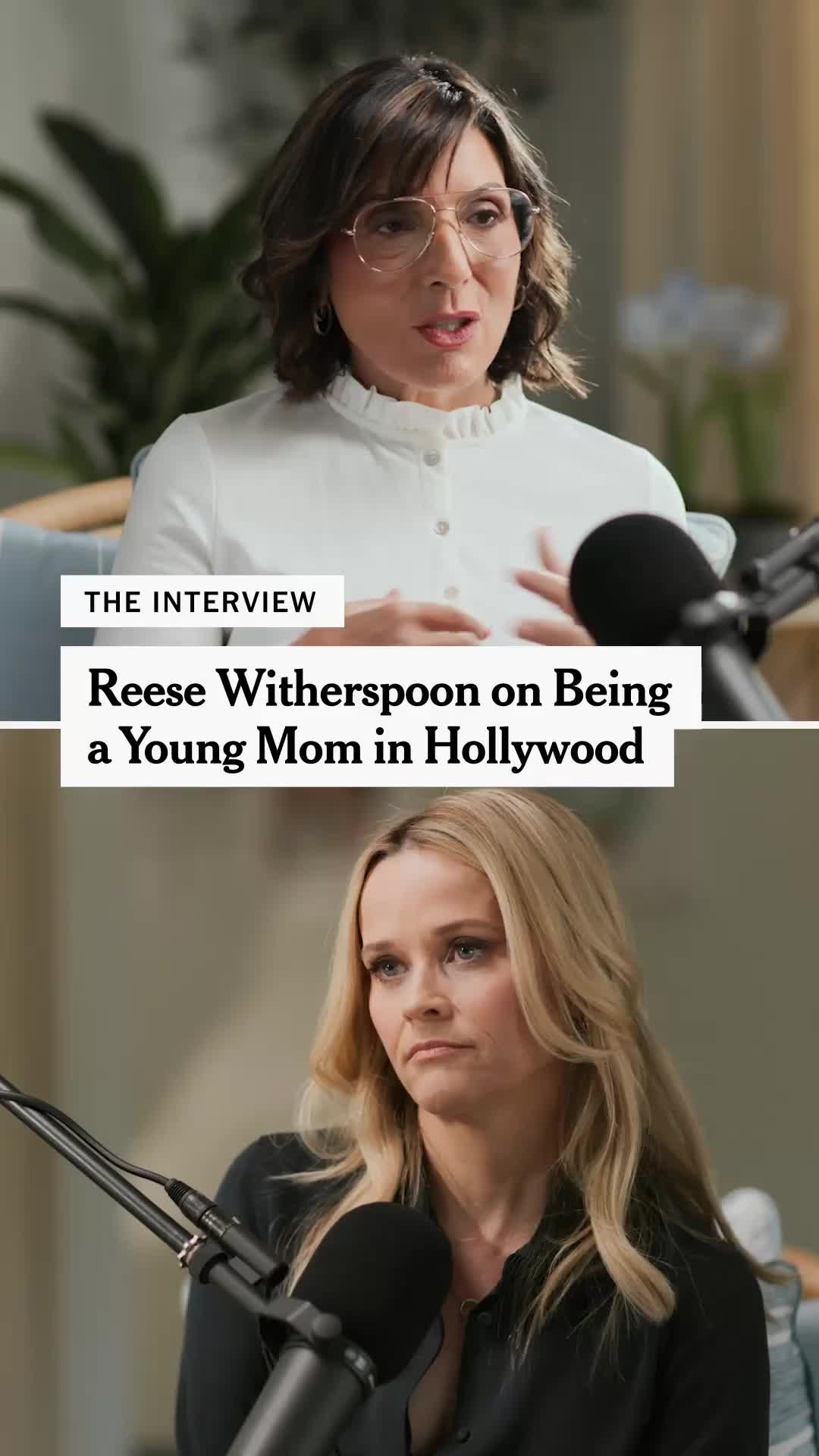 1.6M9.6×Interview clip on Hollywood motherhood@nytmag · Anecdotal Philosophy
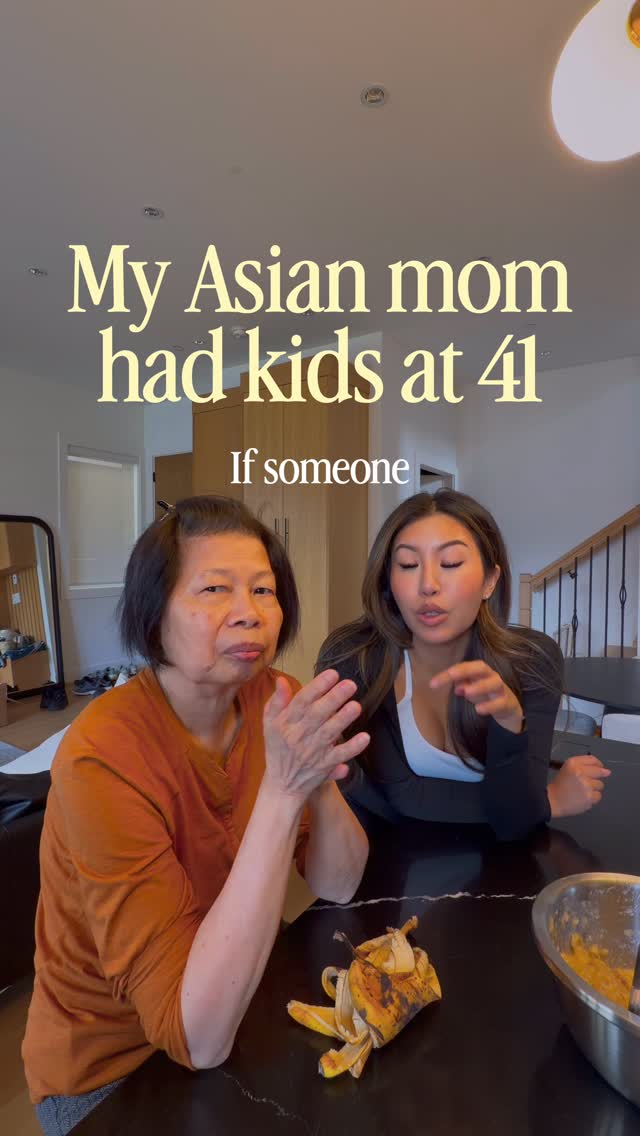 594K125.5×Daughter interviews mom about birth@meraki.michelletran · Storytime
 1.9M10.5×Ex-pornstar shares personal story@wasabi.wifey · Ask an Expert
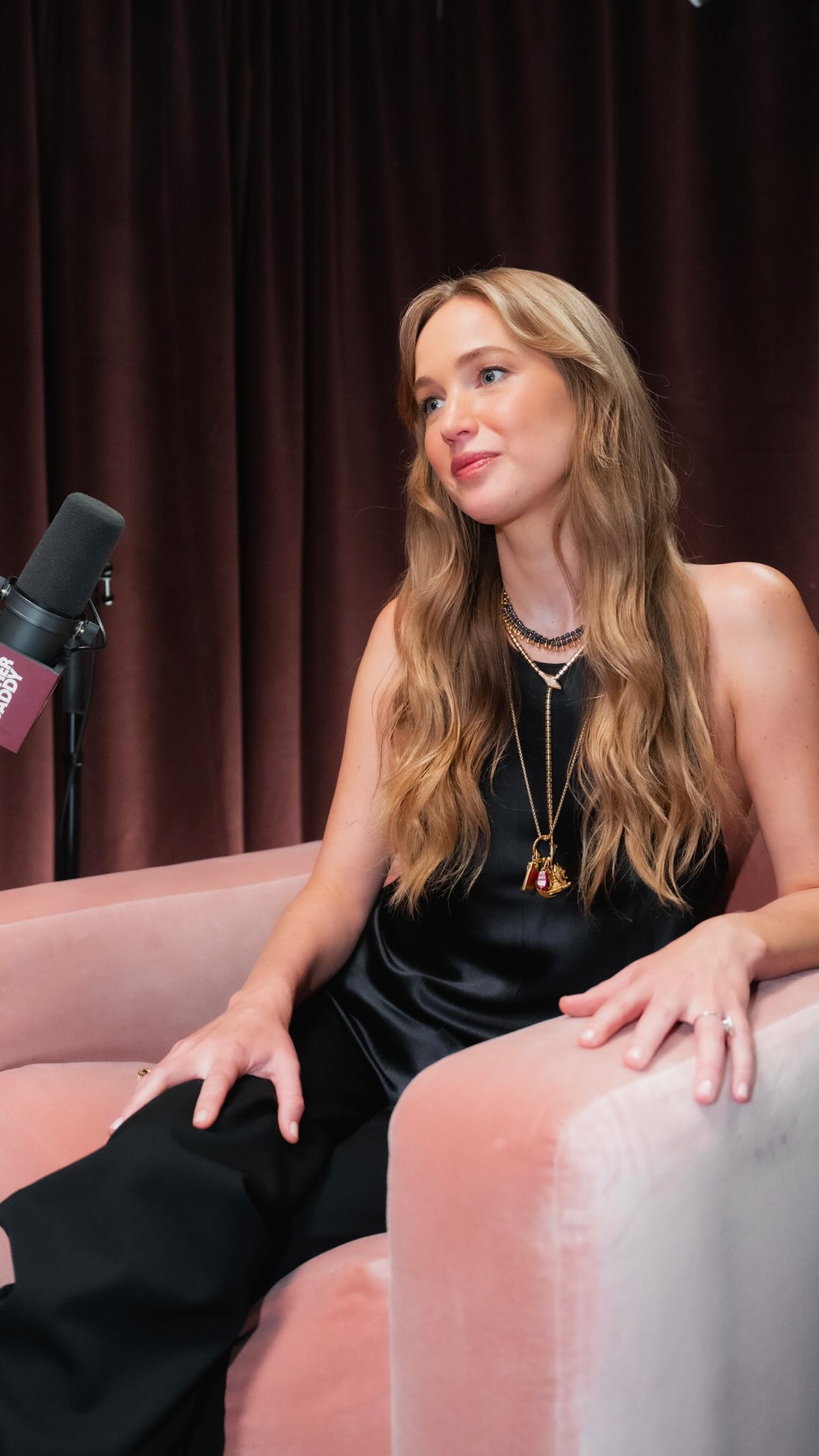 3.9M8.5×Podcast clip on motherhood challenges@callherdaddy · Q&A Response
 283.1K16.9×Creator explains surrogacy journey start@katherinegarbarino · Origin Story
 530.5K10.6×Podcast reacts to weird celebrity clip@shamelesspodcast · Reaction
 1.1M3.6×Numbered list of personal anecdotes@milkytran · Breakdown
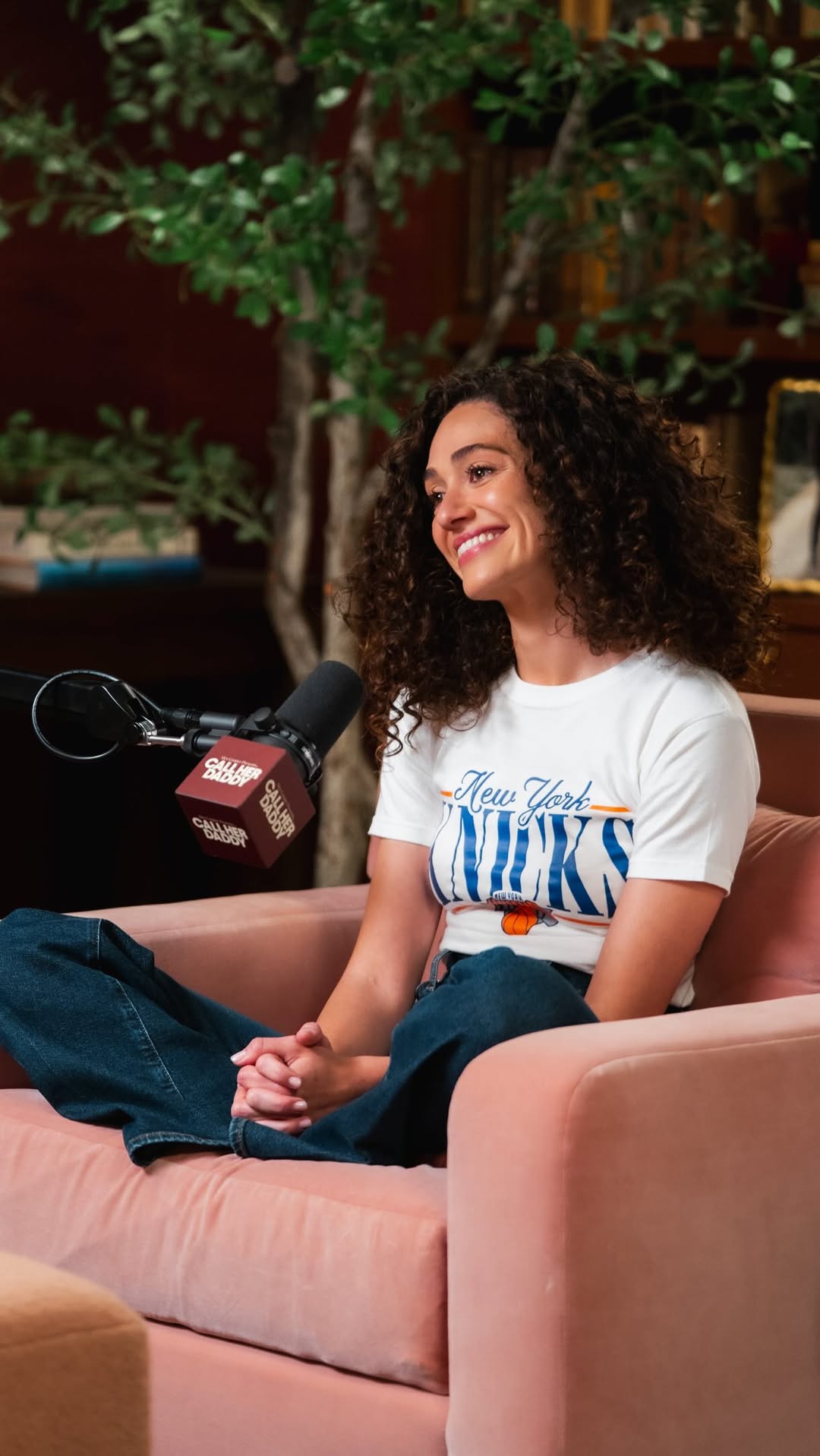 4.4M14.3×Relatable story about working motherhood@callherdaddy · Anecdotal Philosophy
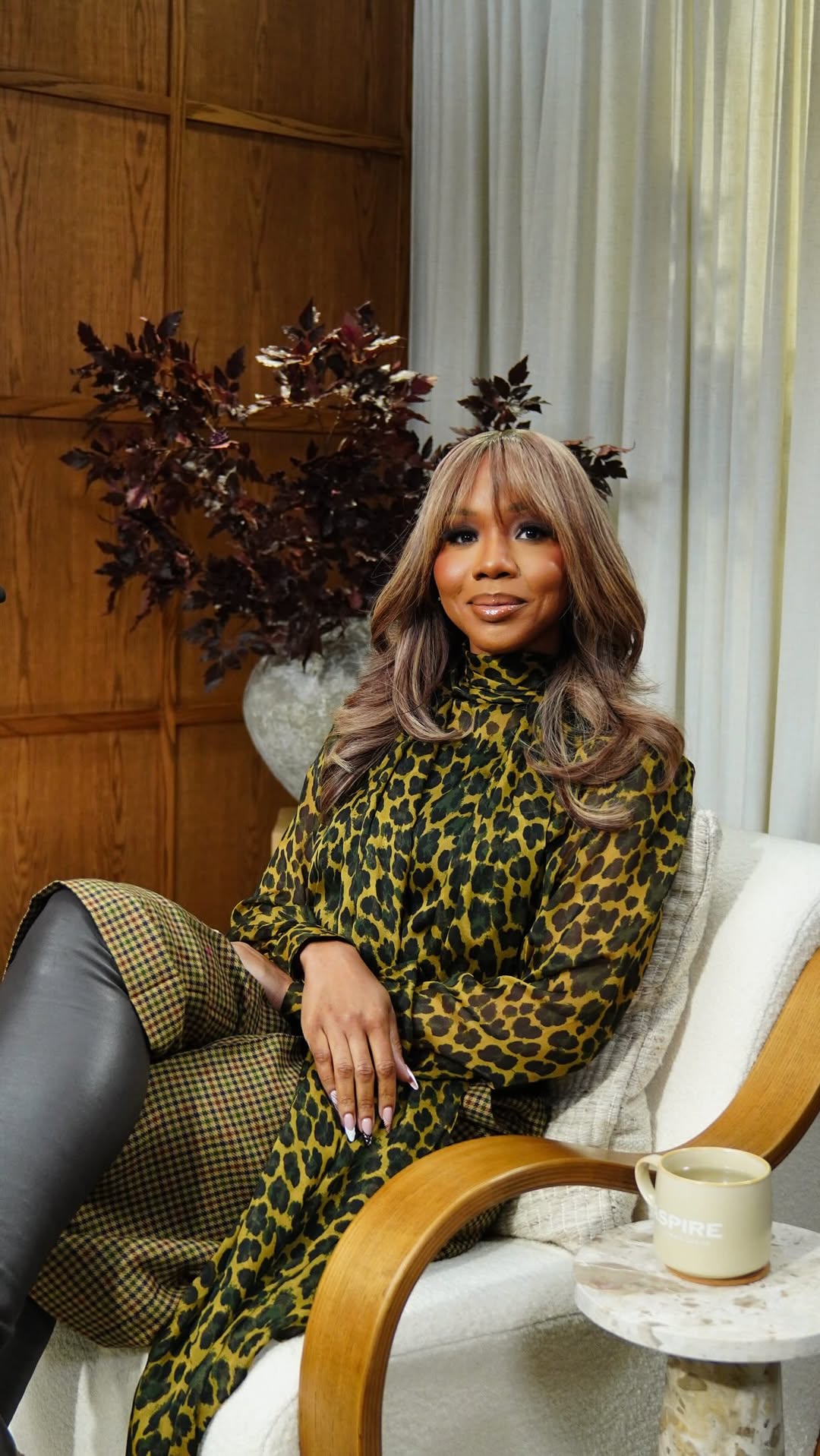 252.6K2.9×Interview clip on teen pregnancy shame@aspirewithemmagrede · Vulnerable Monologue
[04]
[05]
What stops the scroll in the first 3 seconds
Verbal hook · 75%
You didn't really grow up with your mother.
Visual hook · 25%
A medium shot of the podcast host in a professional studio setting with warm, soft lighting, gesturing as she asks a direct and personal question.
[06]
Steal this for your own video
You didn't really grow up with your .
[07]
The promise the opener makes, and how the video pays it back
Hook
A direct and intimate question is posed to the subject, immediately establishing a tone of vulnerability and tapping into audience curiosity about a sensitive topic.
Payoff
The subject pivots from their personal story to a universal truth or piece of advice, transforming the specific anecdote into a broadly applicable life lesson for the audience.
[08]
The structural pattern this video runs on
Framework
The Anecdote to Axiom Bridge
This framework uses a direct, personal question to elicit a specific anecdote from a subject, which then serves as a foundation to deliver a broader, universal piece of wisdom or life lesson. The power comes from grounding an abstract concept in a concrete, human experience.
The Foundational Context
The subject provides the initial backstory or context in response to the question, setting the stage with a simple, factual account of their past experience.
The Narrative Leap
The subject bridges a significant time gap in the story, quickly moving the narrative forward to a more recent and emotionally significant period.
The Emotional Zoom-In
The interviewer focuses the narrative on a single, high-stakes moment, probing for the specific emotions and feelings associated with that pivotal event to elicit a detailed anecdote.
The Subversive Anecdote
The subject recounts the pivotal moment, but in a way that subverts audience expectations of high drama, often revealing a surprisingly simple or anticlimactic reality that makes the story more authentic and relatable.
The Metaphorical Explanation
The subject provides a simple, often metaphorical or analogical reason for why events unfolded as they did, offering a digestible explanation for a complex dynamic.
PSA from @parisjackson: Leave your expectations at the door and give something real the chance to grow
branding · throughout
CALL HER DADDY
You didn't really grow up with your mother. How was that explained to you as a kid? Yeah. I remember, you know, kinda asking about it when I was probably around, like, 10 or 11, and the answers I got were, you know, sufficient to me. She's like, oh, like, what's her name? And I got told her name, and I'm like, alright. Cool. Like, it was, you know, moved on. And we connected when I was about 15 and then really started getting closer towards, like, my the end of my teen years and things like that. Thinking about you at 15 years old, Paris, rank you're like, oh, you're gonna, like, meet your mom for the first time. Like, do you remember if you were nervous? I mean, I remember coming downstairs rank she was in the living room with with my grandma. I came in. I was just like, hey, mom. And she was like, hi. I sat down. We talked for a second. And then we went out for the day and just like hung out. And you called her mom right away. She I mean, she's a she's a Bad. So she's got the fire. And I'm an Aries. I got the fire. We just you no, we're very we're very similar. You know, I I think what's really cool about my process best in in general in all things is learning how expectations kinda fuck us up. If I walk into a relationship with expectations, probably gonna end up being maybe disappointed or frustrated or irritated or a resentment will be born or something, you no. And and when I walk into something and I don't have expectations, it creates this really cool space for something organic to just to blossom.