@quinlanwalther
TikTok · Speaker address
@quinlanwalther #personalgrowth #emotionalintelligence #selfawareness

@quinlanwalther
TikTok · Speaker address
@quinlanwalther #personalgrowth #emotionalintelligence #selfawareness
Performance
Video #39679 · Speaker address
[01]
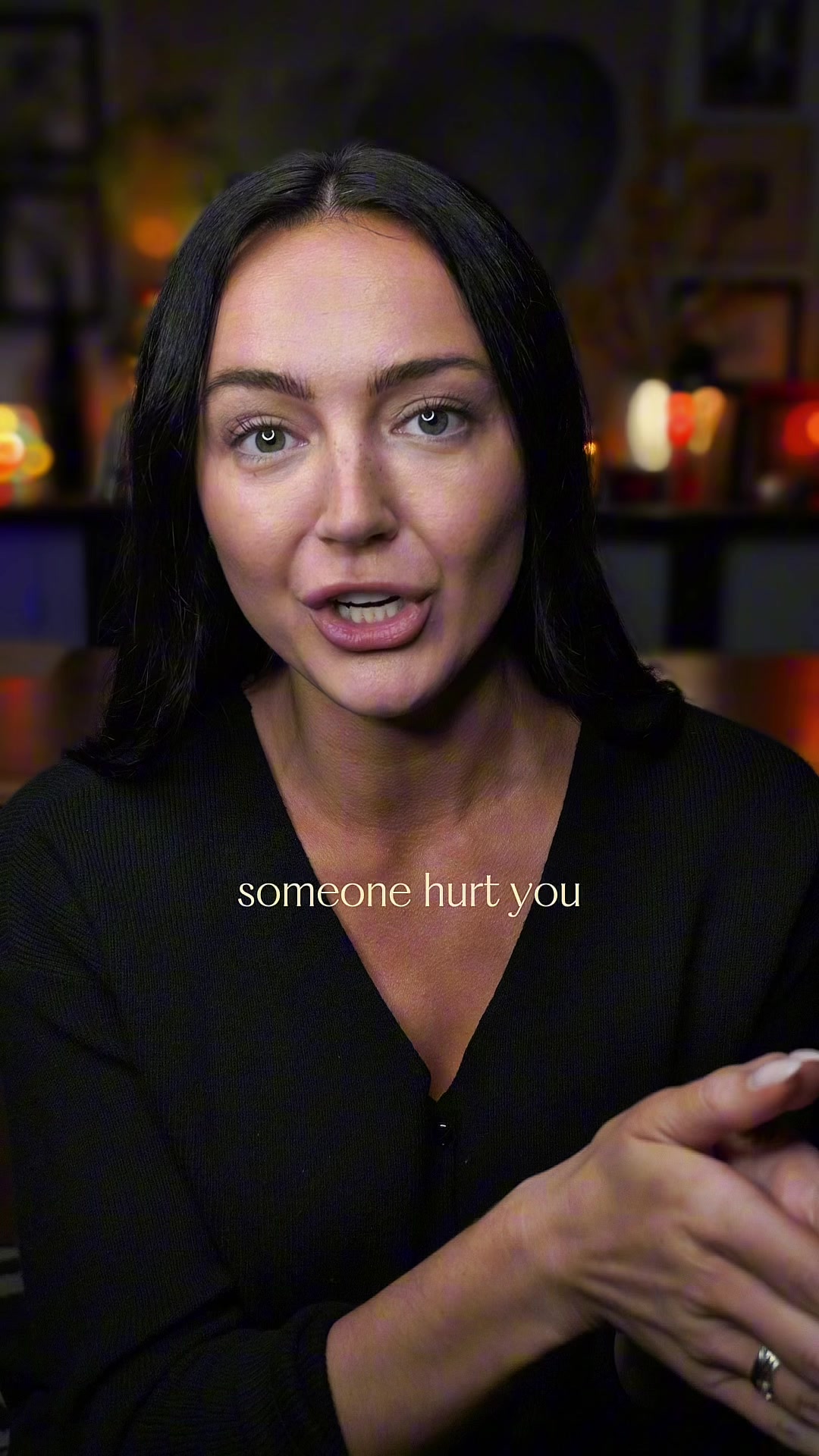
The creator delivers a direct-to-camera monologue explaining why trying to prove the depth of one's hurt to a partner is a flawed strategy. She argues that this approach does not increase one's value in the other person's eyes and that genuine change in a partner comes from their own decision to be better, not from obligation. She concludes by emphasizing that self-respect must be prioritized over the desire to be chosen, as love and respect should not be earned through enduring harm.
[02]
[03]
 102.2K2.9×Raw talking head relationship advice@couldbaret · Motivational Mantra
 7.6M564.1×Passionate monologue on dating reality@jrp.co · Vulnerable Monologue
 651.3KMonologue on not forcing connections@jb_copeland · Motivational Mantra
 7.2M179.3×Direct to camera relationship advice@jrp.co · Vulnerable Monologue
 568.8K49.5×Motivational speech over scenic B-roll@michelleylens · Motivational Mantra
 476.3K27×Tough love monologue on rejection@jondavisdtx · Motivational Mantra
 147.5K7.8×Relationship advice using food analogy@couldbaret · Analogical Definition
 661.5K2.7×Personal story teases future announcement@bradjcho · Vulnerable Monologue
 194.7K21.4×GRWM sharing mental health advice@lifewithranela · Get Ready With Me
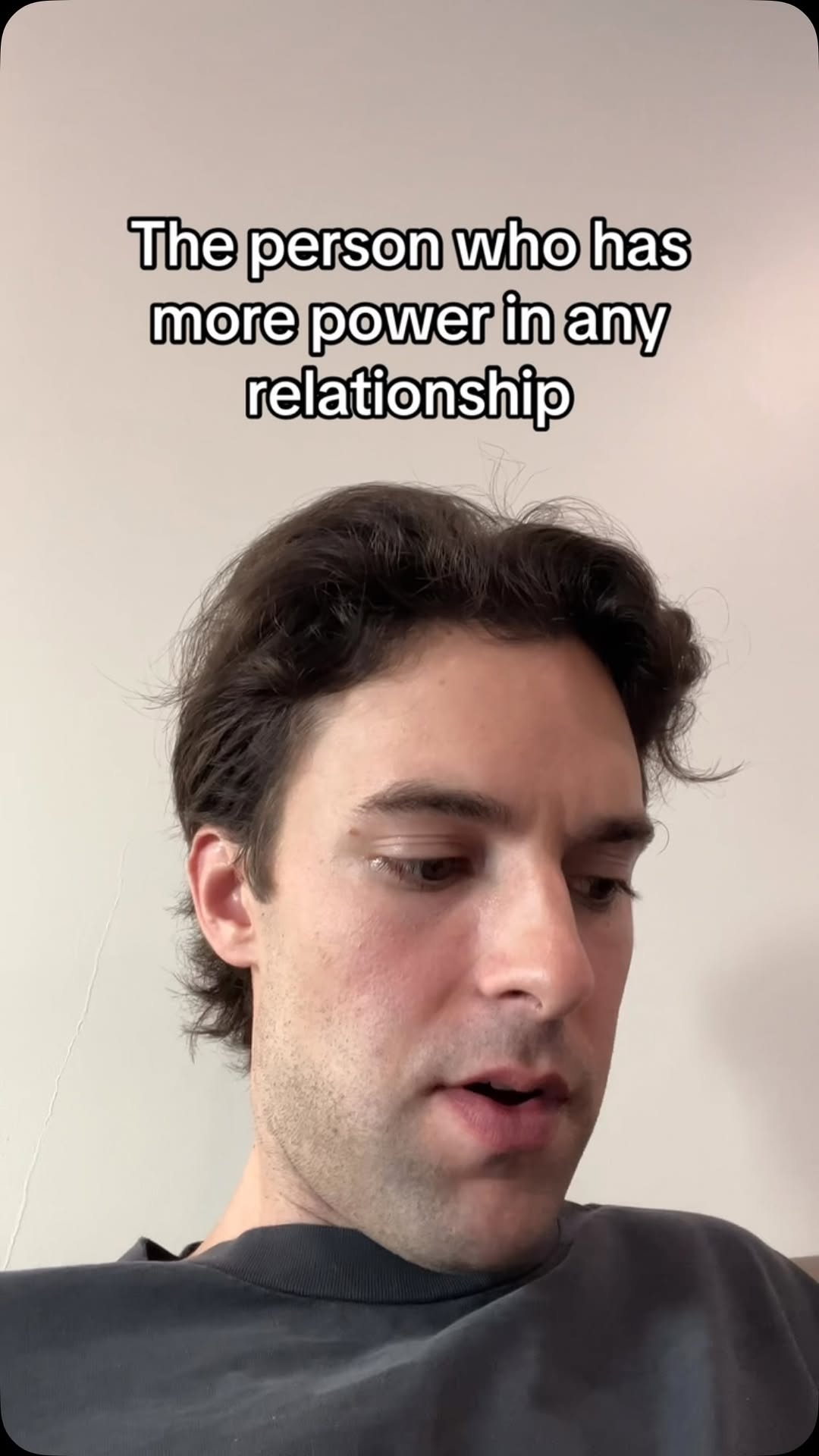 583.9K53.8×Explains power dynamics in dating@thejaunt_ · Breakdown
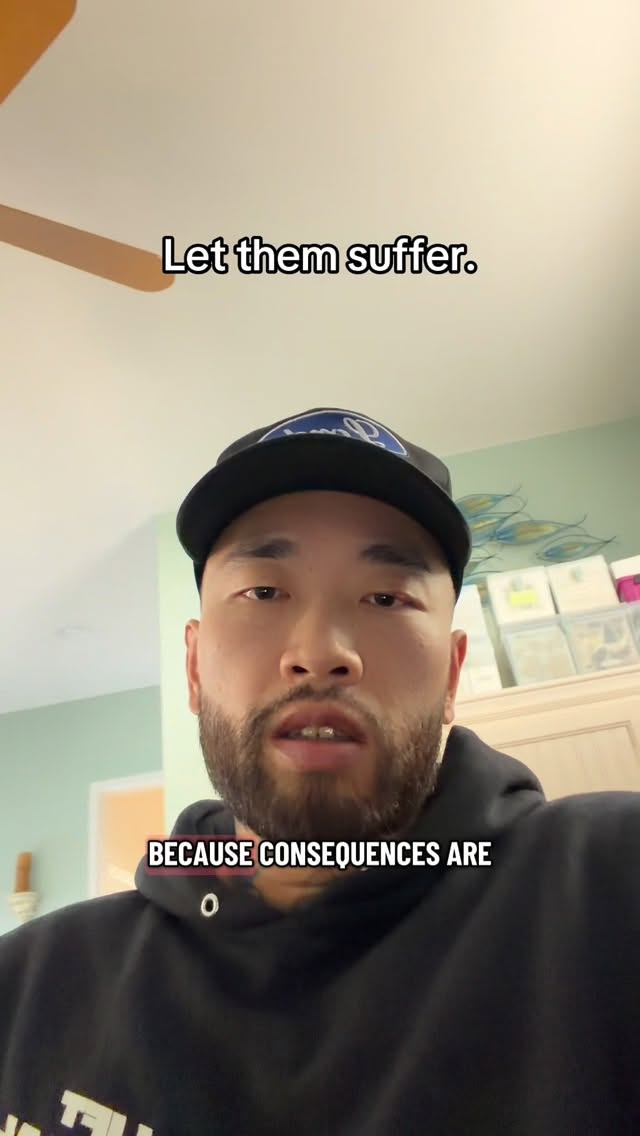 148KTough love advice monologue@sensei.nick · Hot Take
 8.5MMoody outdoor mindset advice monologue@tonito.rt · Motivational Mantra
[04]
[05]
What stops the scroll in the first 3 seconds
Title hook
proving how badly
Verbal hook
Proving how badly someone hurt you, how deeply they betrayed you, will not make them value you more.
Visual hook
A close-up shot of the speaker looking directly into the camera with a serious and empathetic expression. The shallow depth of field and warm, soft background lighting create an intimate and focused atmosphere.
[07]
The promise the opener makes, and how the video pays it back
Hook
A direct, counter-intuitive statement that challenges a deeply held but painful belief, immediately engaging anyone who relates to the sentiment.
Payoff
The Moral of the Story. The entire philosophy is summarized in a single, memorable, and highly quotable sentence that provides a powerful sense of closure and clarity.
[08]
The structural pattern this video runs on
Framework
The Belief Inversion
To identify a common, self-sabotaging belief held by the audience, systematically dismantle its flawed logic, and replace it with an empowering, actionable truth.
The Counter-Intuitive Thesis
The video opens by stating the core argument as a definitive, challenging truth that goes against the viewer's likely behavior or hope.
The Relatable Justification
The speaker articulates the viewer's internal monologue and flawed reasoning, creating a strong sense of being understood and validated before the argument pivots.
The Reality Inversion
A hard pivot introduced with a phrase like 'But the reality is...' that directly refutes the previously stated justification, explaining why the common approach fails.
The Alternative Truth
After debunking the old belief, this beat introduces the correct principle or mechanism for how the situation actually works, shifting the focus from a flawed strategy to a fundamental truth.
The Actionable Mandate
The argument is distilled into a clear, concise, and empowering instruction that reframes the viewer's role and gives them a new rule to live by.
#personalgrowth #emotionalintelligence #selfawareness
contextual · beginning
proving how badly someone hurt you
contextual · beginning
how deeply they betrayed you
contextual · beginning
will not make them value you more
contextual · beginning
it's one of the most painful lies we tell ourselves in relationships
contextual · beginning
if I can just get them to see how badly they hurt me
contextual · middle
they'll have to care more
contextual · middle
people don't change because you tolerated just enough disrespect
contextual · middle
people change when they decide they no longer want to be someone who causes harm
contextual · end
your self respect needs to be stronger than your desire to be chosen
contextual · end
because love and respect don't need to be earned by enduring harm
Proving how badly someone hurt you, how deeply they betrayed you, will not make them value you more. It's one of the most painful lies we tell ourselves in relationships. Part of you thinks, if I can just get them to see how badly they hurt me and how willing I am to forgive them, they'll have to care more. Of course they'll commit to doing better. But the reality is people don't change because you tolerated just enough disrespect. They don't change out of obligation or emotional debt. People change when they decide they no longer wanna be someone who causes harm. Someone with integrity will care about how their actions affect you, but they won't make you suffer repeatedly in order to earn it. No in short, your self respect needs to be stronger than your desire to be chosen because love and respect don't need to be earned by enduring harm. Bye.