Video #48217 · Single Take
Monologue on not forcing connectionsfrom @jb_copeland
The creator delivers a direct-to-camera motivational monologue about relationship standards and self-worth. He advises viewers to stop forcing connections with people who don't see their value, explains that the right person will meet their standards, and reframes their past experiences as simply asking the wrong person, not asking for too much.
- 1State a normalizing thesis
- 2Contrast the wrong vs. right scenario
- 3Reframe a common insecurity
- 4Deliver a hopeful payoff
ConceptsMotivational Mantra
ElementsSequential text revealMood MusicText Overlay
[05]
Hook analysis
What stops the scroll in the first 3 seconds
Title hook
Normalize
Verbal hook
Normalize not forcing connections with people.
Visual hook
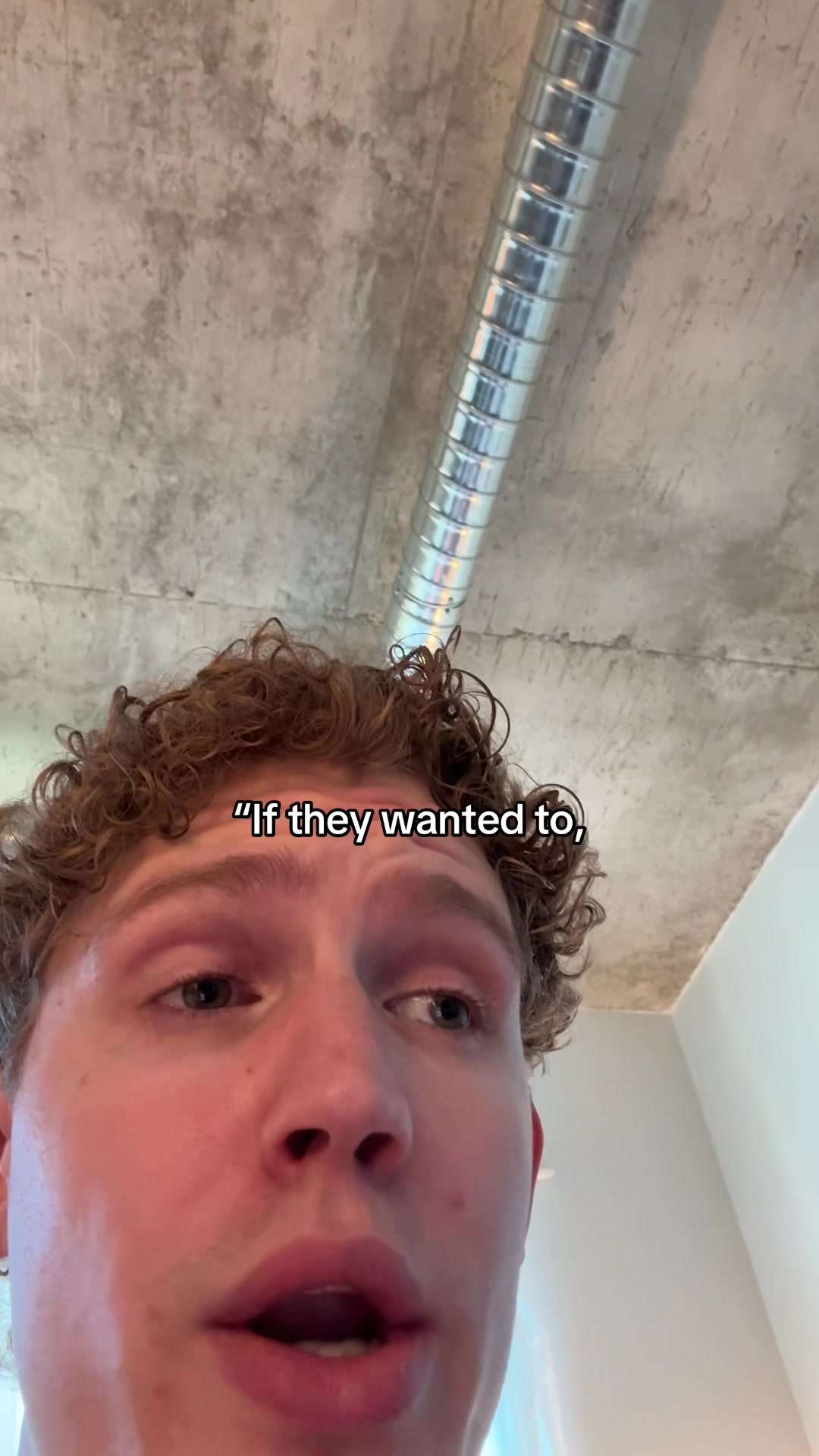
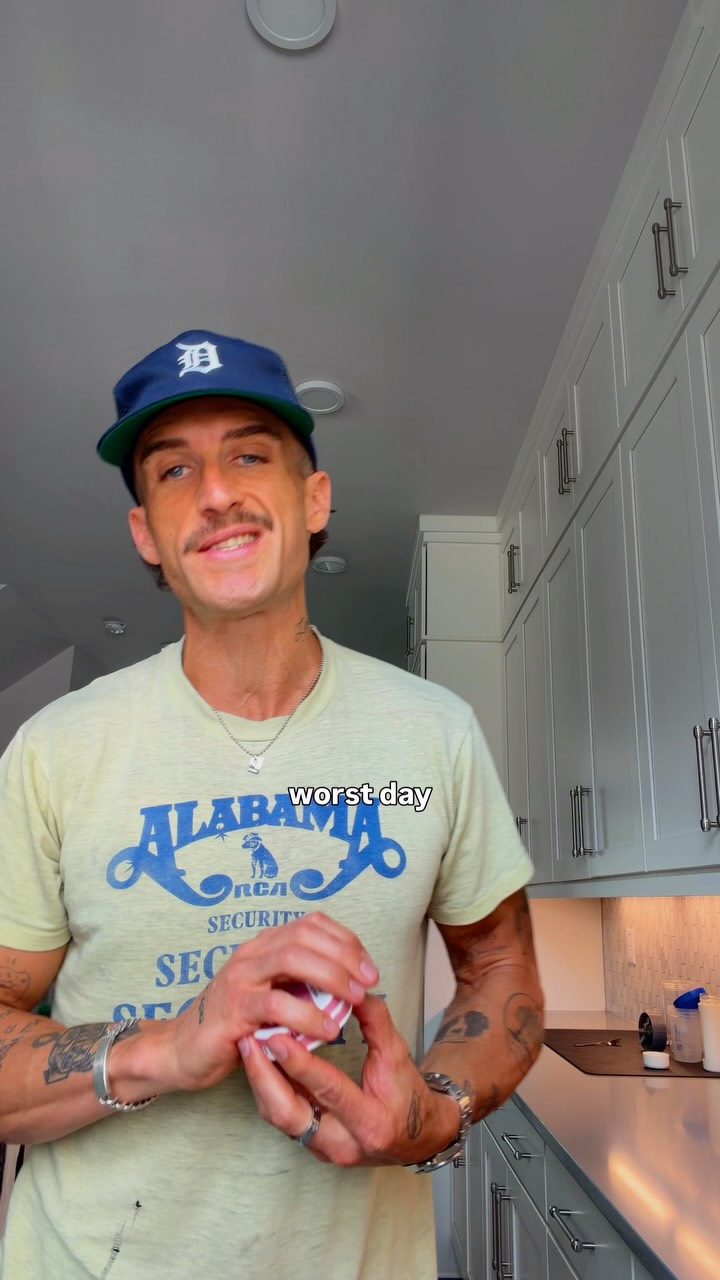
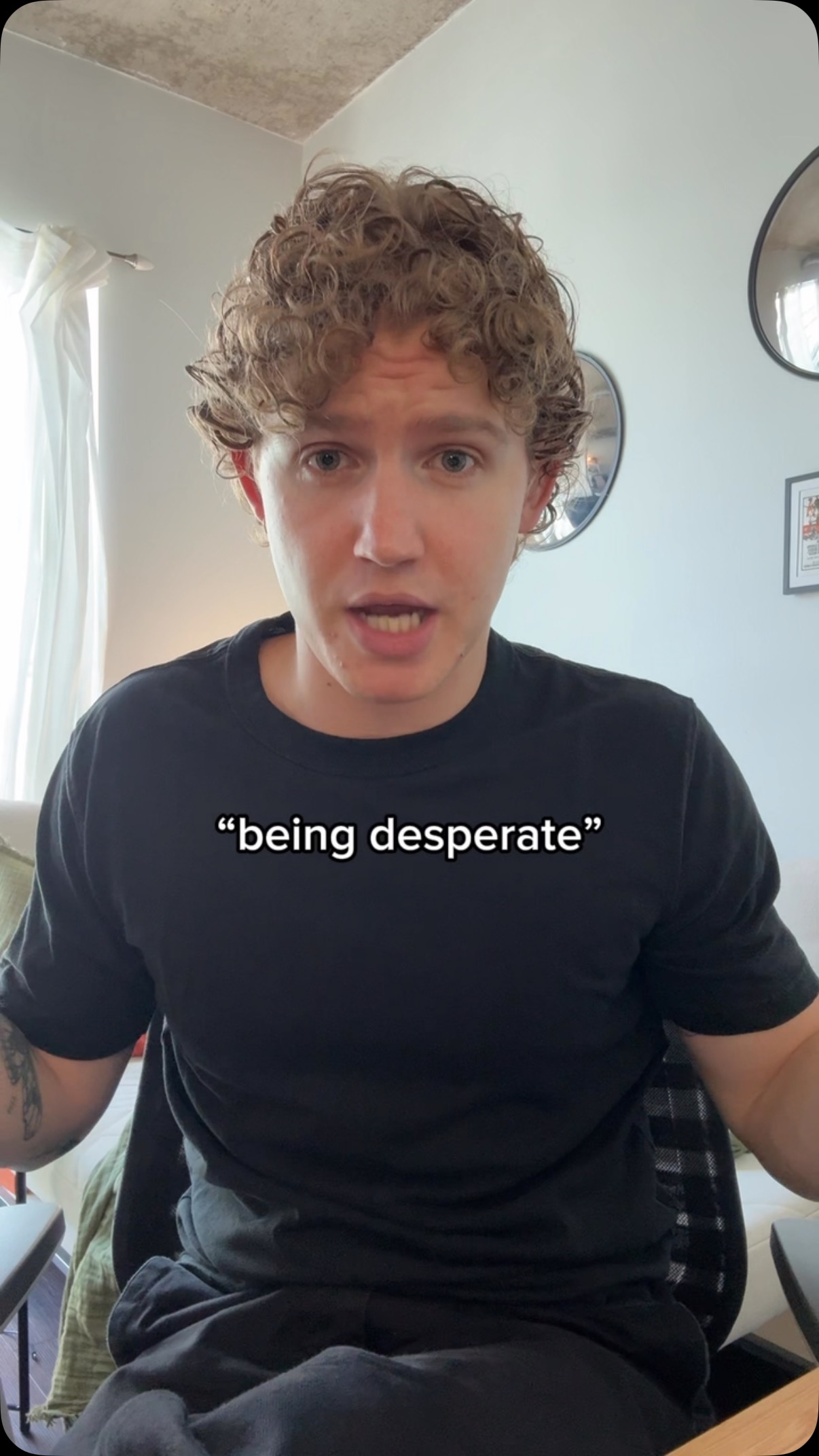
A man makes direct, serious eye contact with the camera in a warmly lit, aesthetically pleasing room with art on the walls, creating an intimate and engaging atmosphere.
[07]
Hook and payoff
The promise the opener makes, and how the video pays it back
Hook
A direct, imperative statement that introduces a new, empowering 'normal' for a common social or emotional problem.
Payoff
A final, forward-looking statement, often delivered via text overlay after the speaker has departed, which promises a positive future outcome as a reward for adopting the new mindset.
[08]
Narrative framework
The structural pattern this video runs on
Framework
The Validation Reframing
The framework establishes a relatable problem, validates the viewer's feelings by reframing a common insecurity, and provides an empowering resolution that shifts their perspective from self-doubt to self-worth.
- 1
The Problem Behavior Identification
Explicitly defines the common, unhelpful action the audience takes in response to the problem, telling them what *not* to do.
- 2
The Ideal Contrast
Presents the 'right' alternative—the ideal person, situation, or outcome—that doesn't require the problematic behavior, establishing a new standard for the viewer.
- 3
The Directive to Action
Provides a clear, simple instruction based on the contrast, telling the viewer how to align their actions with the new, ideal standard.
- 4
The Re-framing Validation
Addresses a core insecurity associated with the problem and reframes it, shifting the blame from the viewer's character to external circumstances. This provides emotional relief and validation.
Themes
- Self-worth
- Boundaries
- Healthy relationships
Techniques
- Direct address
- Motivational speaking
Trends
- Mental health awareness
- Relationship advice content
Post caption
Normalize not forcing connections with people.
If someone doesn’t see the value in having you in their life… Don’t try and convince them.
The right person won’t be intimidated by your depth or your standards. They will match your energy.
Always choose those who see your value & understand your heart. You were never asking too much… you were just asking the wrong people.
Text overlays
contextual · beginning
Normalize
contextual · beginning
not forcing connections
contextual · beginning
with people.
contextual · beginning
If someone doesn't see the value of having you in their life...
contextual · beginning
Don't try and convince them.
contextual · middle
the right person won't be intimidated by your depth or your standards.
contextual · middle
They'll actually and meet you there.
contextual · middle
So always choose that see your value and understand your heart.
contextual · middle
that you were for too much.
contextual · end
You were just the wrong person.
informational · end
You're about to meet the reason that you didn't settle.
Transcript
Normalize not forcing connections with people. If someone doesn't see the value of having you in their life, don't try and convince them. Because you see, the right person won't be intimidated by your depth or your standards. They'll actually match your energy and meet you there. So always choose the people that see your value and understand your heart. And realize that you are never asking for too much. You worse just asking the wrong person.