Viral Hooks
Trending short videosExplaining new H-1B visa fee
P

@postpolitics

Instagram · Speaker address
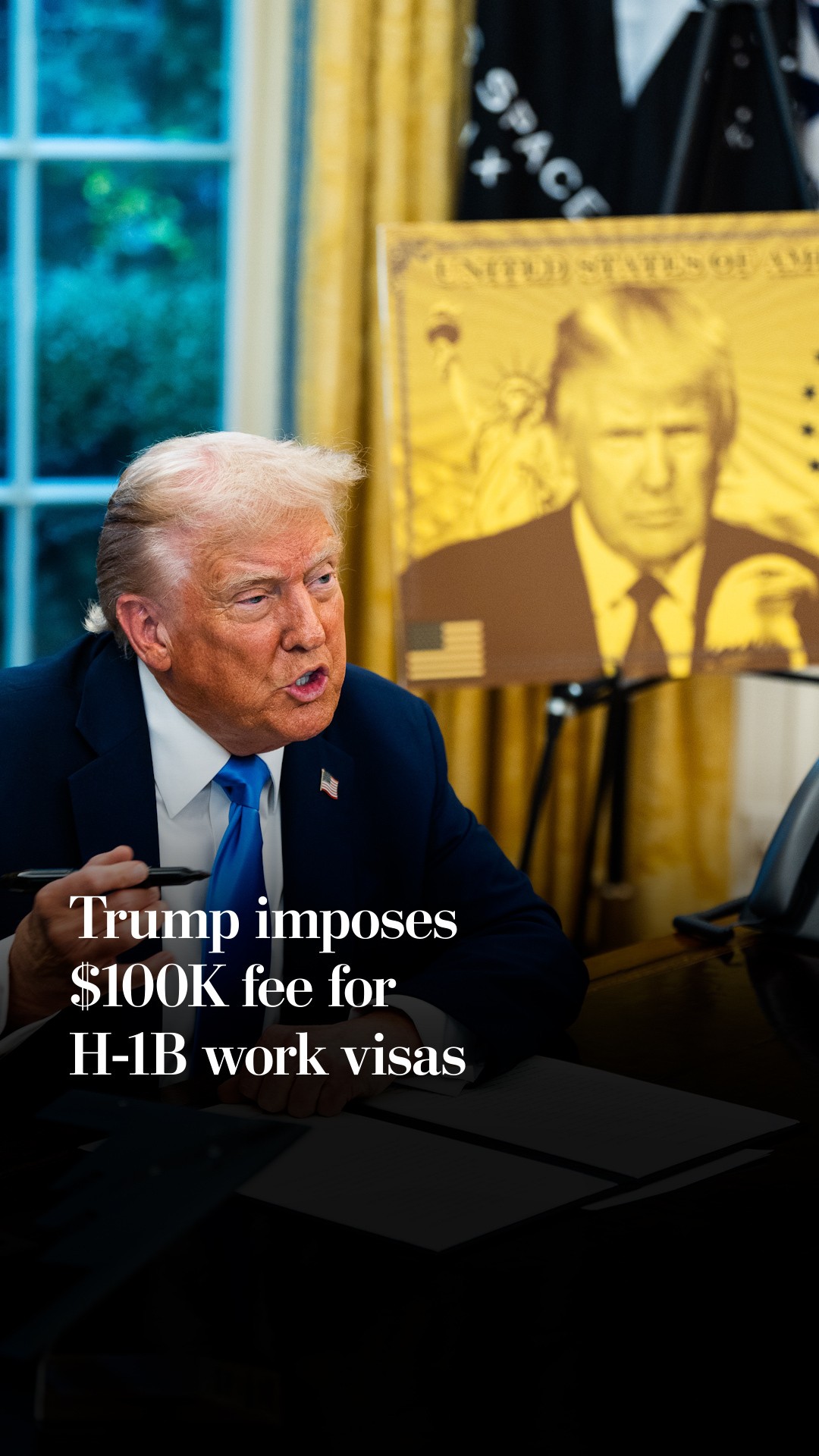
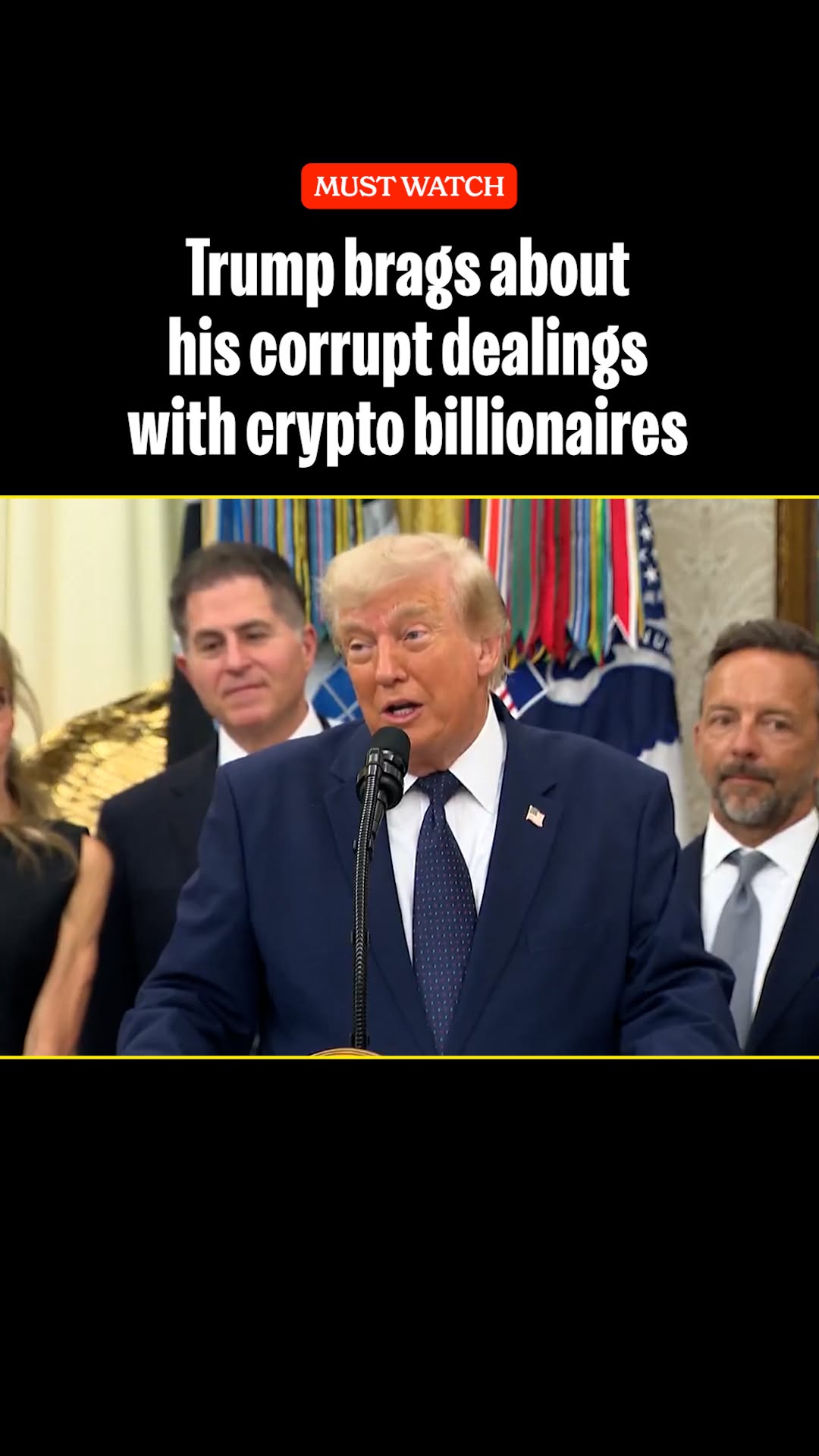
@postpolitics President Donald Trump on Friday announced an annual $100,000 fee on successful applicants for a high-skilled worker visa program that is widely used in Silicon Valley, constraining a key path to legal immigration. The president also signed an executive order that would allow wealthy foreigners to pay $1 million for a ‘Gold Card’ for U.S. residency and companies to pay $2 million for a ‘Corporate Gold Card’ that would permit them to sponsor one or more employees. Both moves likely will face legal challenges. If upheld, however, they would dramatically tighten legal immigration systems while opening access to the U.S. for wealthy foreigners. That would deliver a win to outspoken members of Trump’s nationalist base, while left-leaning critics have faulted the program, which they say can be used to exploit workers from overseas. Employers rely on H-1B visas to hire foreign workers with specialized skills, usually in science and technology, when they cannot identify American workers to fill those jobs. Tech companies are the largest beneficiaries of such visas, but employers in manufacturing, finance, education, retail and health care employers also use the program. Tap the link in our bio to learn more.

View original on Instagram

The edit1 shot · 5 text
Shots Text

Performance

Views
2.9M
Likes
21.4K
Comments
2.7K
Engagement
0.8%
Outlier
1.8×

Video #3971 · Speaker address

Explaining new H-1B visa feefrom @postpolitics

[01]

Overview

The video presents an announcement by the Trump administration to impose a $100,000 annual fee for H-1B work visas. A White House staff secretary explains that the H-1B program is abused and the new fee will ensure only highly-skilled, non-replaceable workers are hired. President Trump agrees, stating the need for great workers, and the Secretary of Commerce adds that the fee forces companies to decide if a foreign worker is valuable enough to justify the cost over hiring an American.

[02]

Simple outline

  1. 1Announce a drastic action
  2. 2Frame the problem being solved
  3. 3Justify the action's benefits
  4. 4Reframe as a simple choice

[03]

Related videos

[04]

Classification

Concepts
Opportunity ExplainerHeadlines
Elements
Text OverlayJump Cut

[05]

Hook analysis

What stops the scroll in the first 3 seconds

Title hook · 75%

Trump imposes $100K fee for H-1B work visas

Verbal hook

Let's go.

Visual hook · 25%

A man in a suit stands in a formal office setting, likely the Oval Office, next to a large, prominent sign displaying a 'TRUMP GOLD CARD' and the URL 'TRUMPCARD.GOV'.

[06]

Hook template

Steal this for your own video

[public figure or institution] imposes a [dollar amount] fee for [program or service]

  • — City Hall imposes a $25 fee for short-term rental permits.
  • — A major airline imposes a $50 fee for carry-on bags.
  • — The university imposes a $10,000 fee for international student enrollment.

[07]

Hook and payoff

The promise the opener makes, and how the video pays it back

Hook

A bold, text-based declaration of a controversial action or decision, presented without initial context to maximize shock value and curiosity.

Payoff

The viewer is left with a simplified, powerful argument that frames a complex issue as a clear-cut choice, making the proposed policy seem like a logical and necessary test of value.

[08]

Narrative framework

The structural pattern this video runs on

Framework

The Policy Justification Funnel

To present a controversial policy change by first framing a significant problem, then introducing the policy as the clear and logical solution, and finally simplifying its implications into a stark, binary choice for the affected parties.

  1. 1

    The Problem Declaration

    An authority figure identifies a current system or situation as flawed, broken, or 'abused,' establishing the clear need for intervention.

  2. 2

    The Ideal State Contrast

    The speaker briefly describes the intended or ideal function of the system, creating a clear gap between the current reality and the desired state.

  3. 3

    The Solution Reveal

    The specific, drastic action from the hook is formally presented as the direct solution to the previously stated problem.

  4. 4

    The Multi-Layered Rationale

    The speaker provides key justifications for the solution, often focusing on improving quality/merit and protecting an in-group.

  5. 5

    The Executive Endorsement

    A higher authority figure offers a simplified, powerful endorsement of the solution, adding weight and validating the decision.

  6. 6

    The Stakeholder's Dilemma

    A second authority figure reframes the policy's impact as a straightforward decision-making challenge for the primary stakeholders, shifting the focus to their response.

  7. 7

    The Binary Ultimatum

    The narrative culminates by simplifying the stakeholder's challenge into a stark, binary choice: either accept the high cost of the new policy or choose a default, alternative path.

Themes

  • Immigration reform
  • American workers
  • Economic policy
  • Nationalism

Techniques

  • Direct address
  • Expert commentary

Post caption

President Donald Trump on Friday announced an annual $100,000 fee on successful applicants for a high-skilled worker visa program that is widely used in Silicon Valley, constraining a key path to legal immigration. The president also signed an executive order that would allow wealthy foreigners to pay $1 million for a ‘Gold Card’ for U.S. residency and companies to pay $2 million for a ‘Corporate Gold Card’ that would permit them to sponsor one or more employees. Both moves likely will face legal challenges. If upheld, however, they would dramatically tighten legal immigration systems while opening access to the U.S. for wealthy foreigners. That would deliver a win to outspoken members of Trump’s nationalist base, while left-leaning critics have faulted the program, which they say can be used to exploit workers from overseas. Employers rely on H-1B visas to hire foreign workers with specialized skills, usually in science and technology, when they cannot identify American workers to fill those jobs. Tech companies are the largest beneficiaries of such visas, but employers in manufacturing, finance, education, retail and health care employers also use the program. Tap the link in our bio to learn more.

Text overlays

  • title · beginning

    Trump imposes $100K fee for H-1B work visas

  • contextual · beginning

    Washington, D.C. Sept. 19, 2025

  • contextual · middle

    Will Scharf WHITE HOUSE STAFF SECRETARY

  • contextual · middle

    President Donald Trump

  • contextual · middle

    Howard Lutnick SECRETARY OF COMMERCE

Transcript

Let's go. Thank you, mister president. One of the most abused visa systems in our current immigration system has been the h one b nonimmigrant visa program. This is supposed to allow highly skilled laborers, who work in fields that Americans won't work in to come into Tier United States Of America. What this, proclamation will do is raise the fee that companies pay to sponsor h one b applicants to $100,000. This will ensure that the people they're bringing in are actually very highly skilled and that they're not responsible by American workers. So it'll protect American workers and ensure that companies have a pathway to hire truly extraordinary people and bring tier to you. We need workers. We need great workers. We need great workers. And there's too much insurance that they're supposed to have. The company needs to decide, do they want is that worse valuable enough to have a $100,000 a year payment to the government, or they can get home and they should go higher in America? The whole idea is all yours, and it's the total it can be a total of six years.

Explaining new H-1B visa fee | Viral Hooks