@megsstalter
Instagram · Carousel
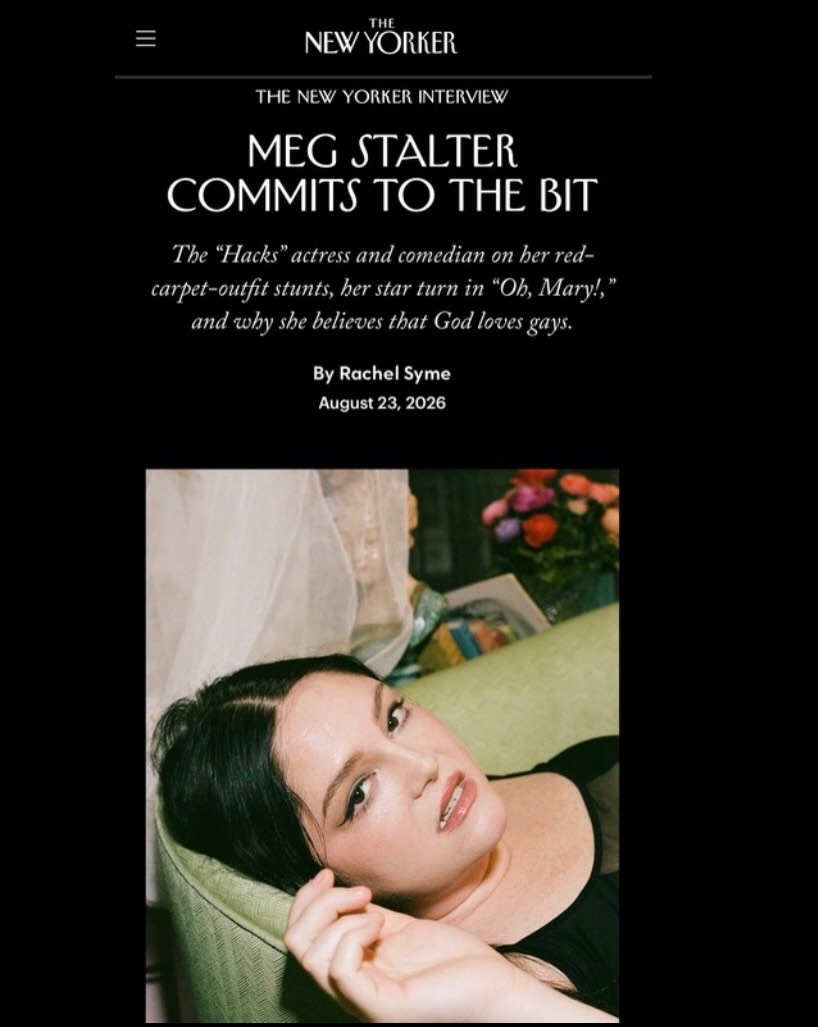
@megsstalter Thank you so much @newyorkermag 🖤🖤🖤Loved talking about @ohmaryplay @hacks being a popstar AND GOD!!! How did I get this lucky 🙏🖤

@megsstalter
Instagram · Carousel
@megsstalter Thank you so much @newyorkermag 🖤🖤🖤Loved talking about @ohmaryplay @hacks being a popstar AND GOD!!! How did I get this lucky 🙏🖤
Performance
Video #39733 · Carousel
[01]
The image is a screenshot of an online article from The New Yorker featuring an interview with actress Meg Stalter. The purpose is to promote the interview and celebrate the career milestone, leveraging the publication's prestige as social proof.
[02]
[03]
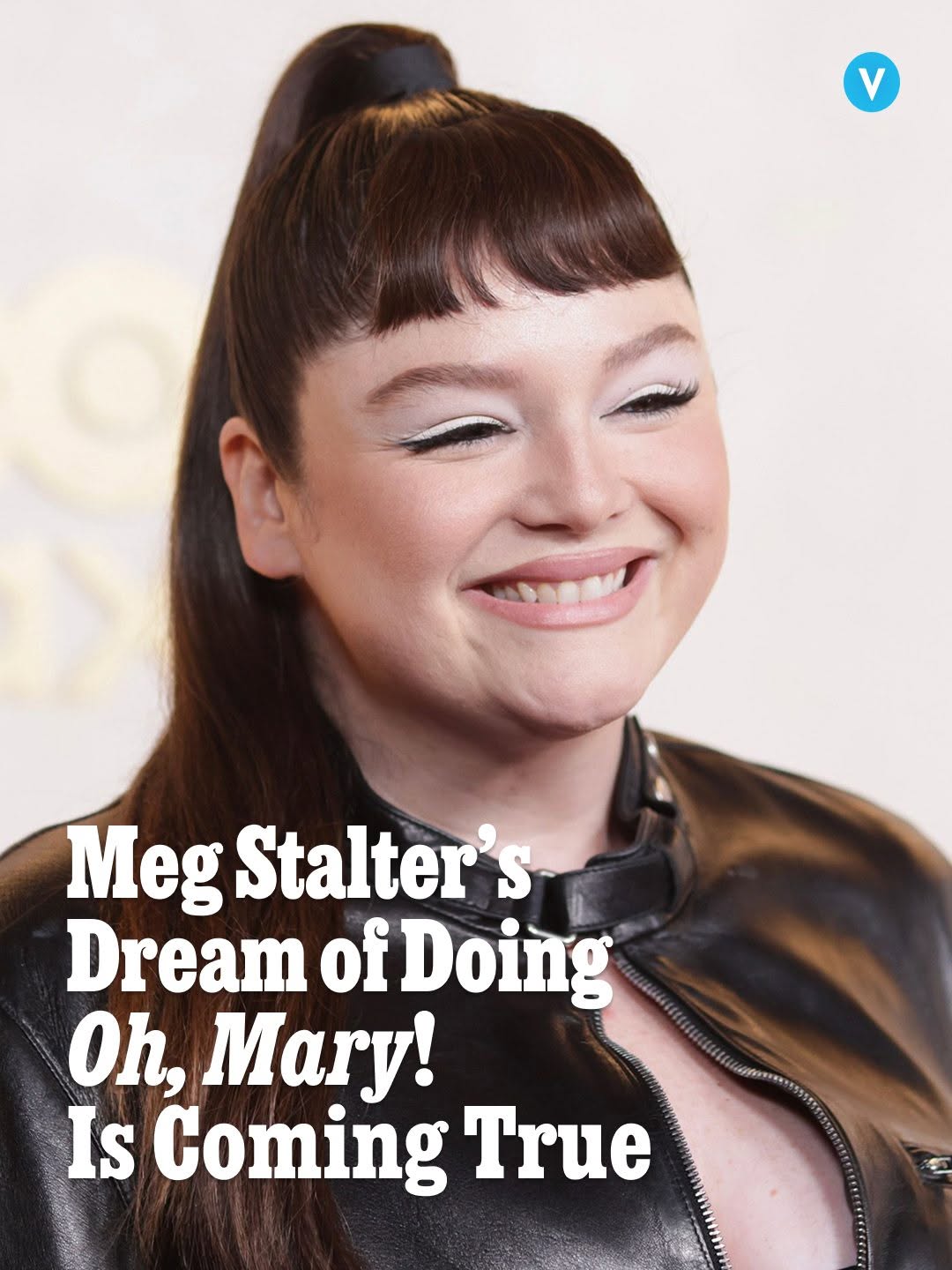 327K13.9×Meg Stalter Broadway announcement photo@vulture · Themed Announcement
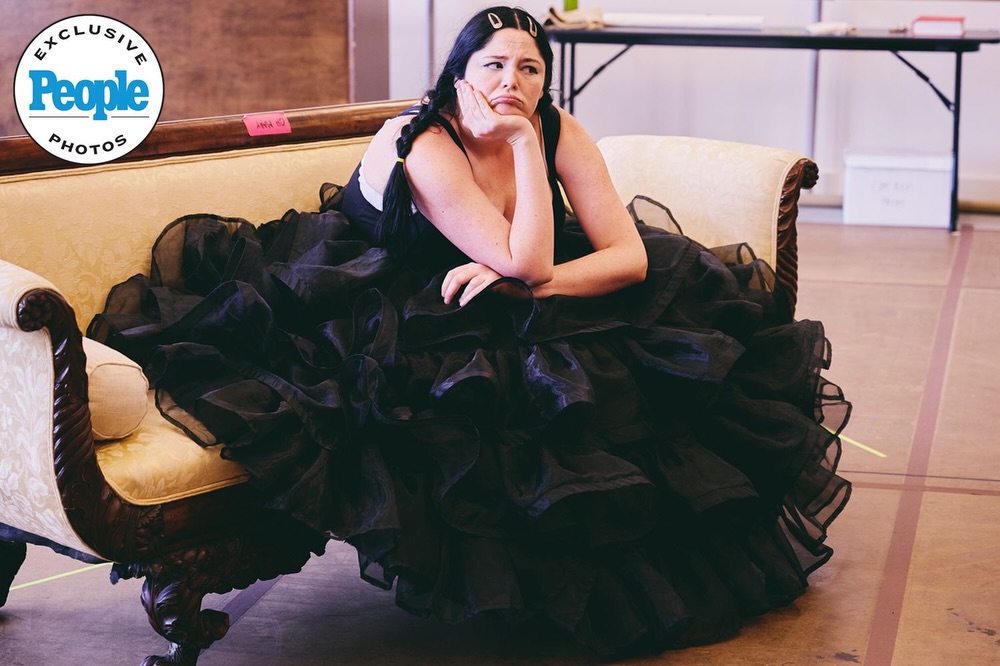 553.3K20.3×Actress pouting on a couch during rehearsal.@people · Behind The Scenes
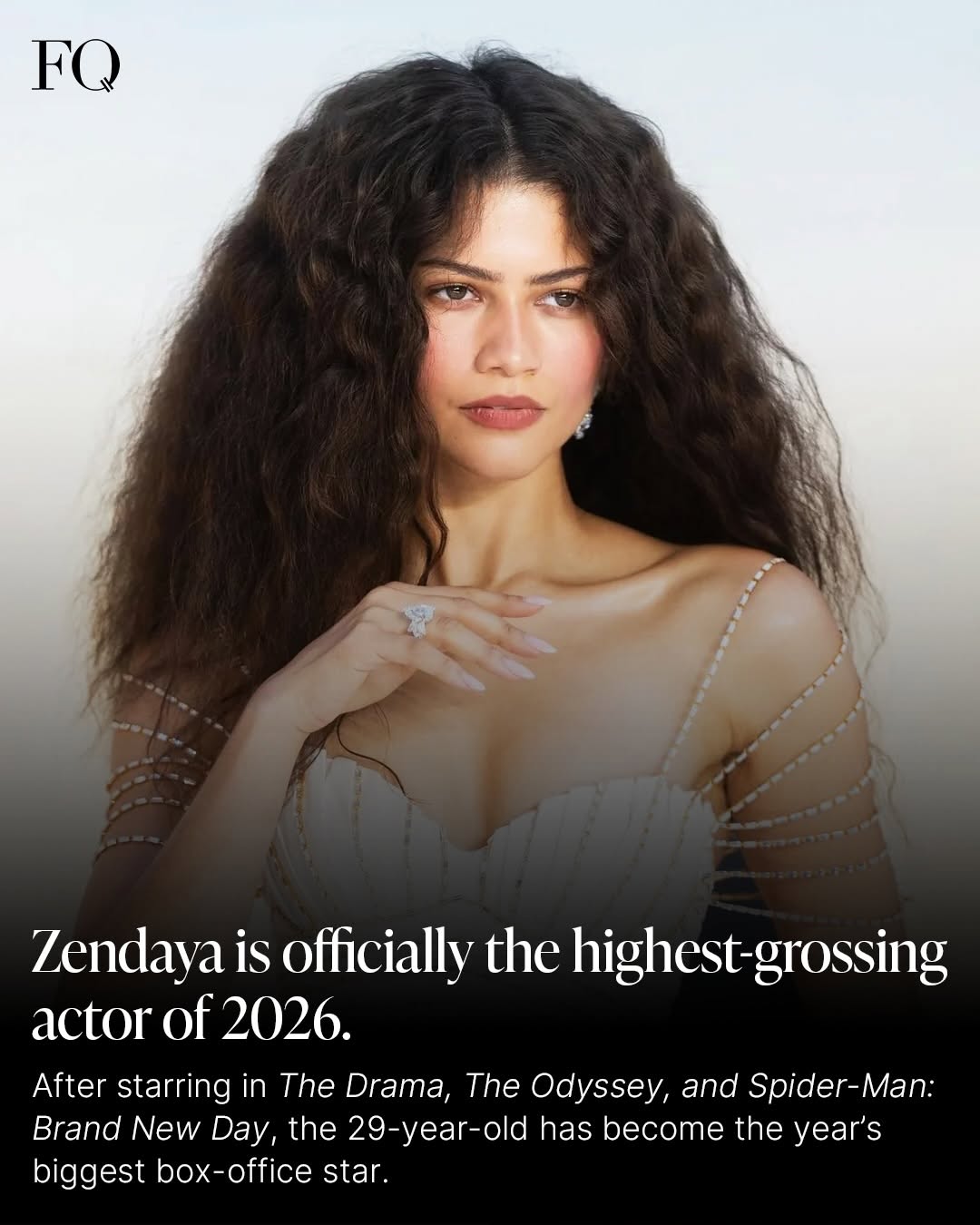 337.7K1.9×Zendaya future success news photo@femalequotient · News Carousel
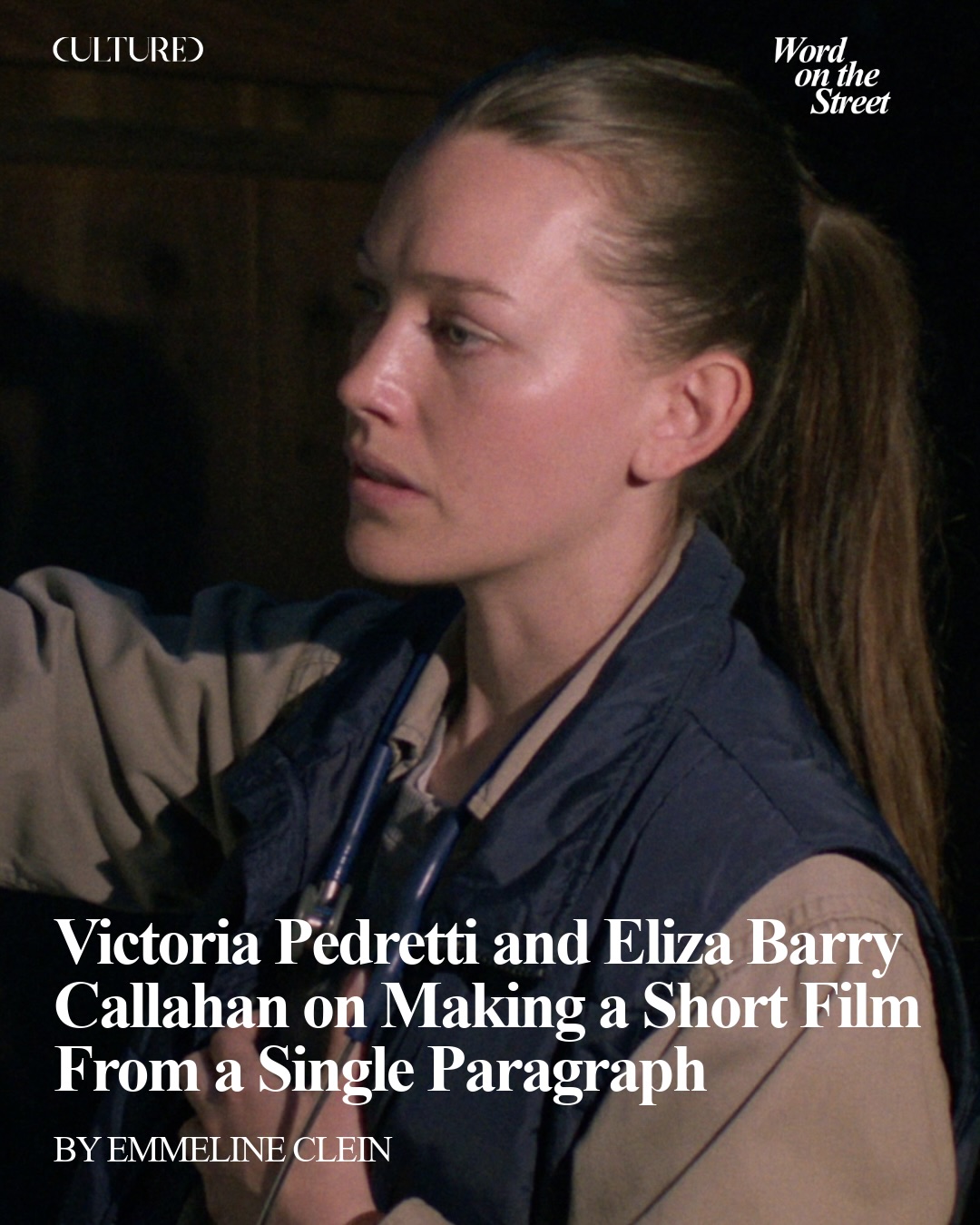 461.8K6.8×Actress interview for short film@cultured_mag · Editorial Carousel
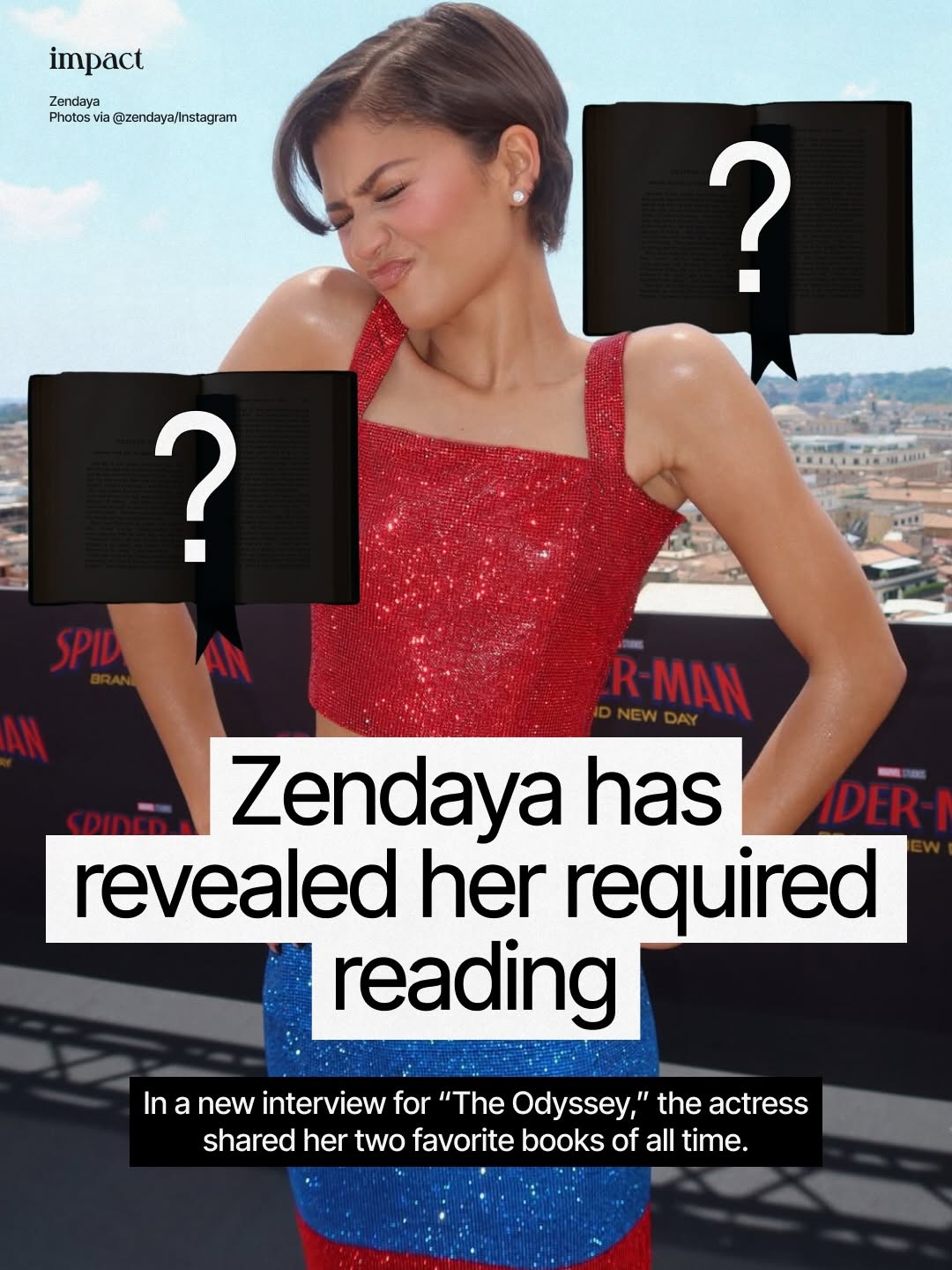 1.3M3.8×Zendaya reveals her favorite books@impact · Headlines
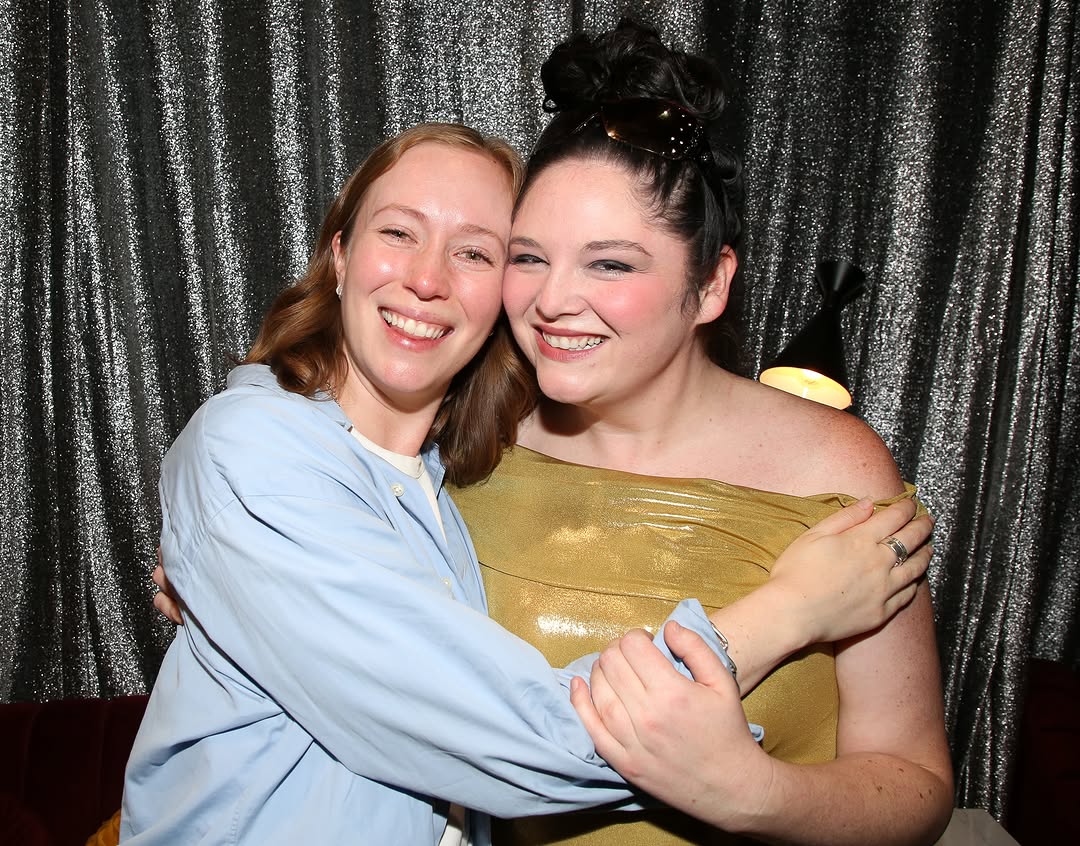 169.6K6.2×Two actresses hugging and smiling@ohmaryplay · Event Showcase
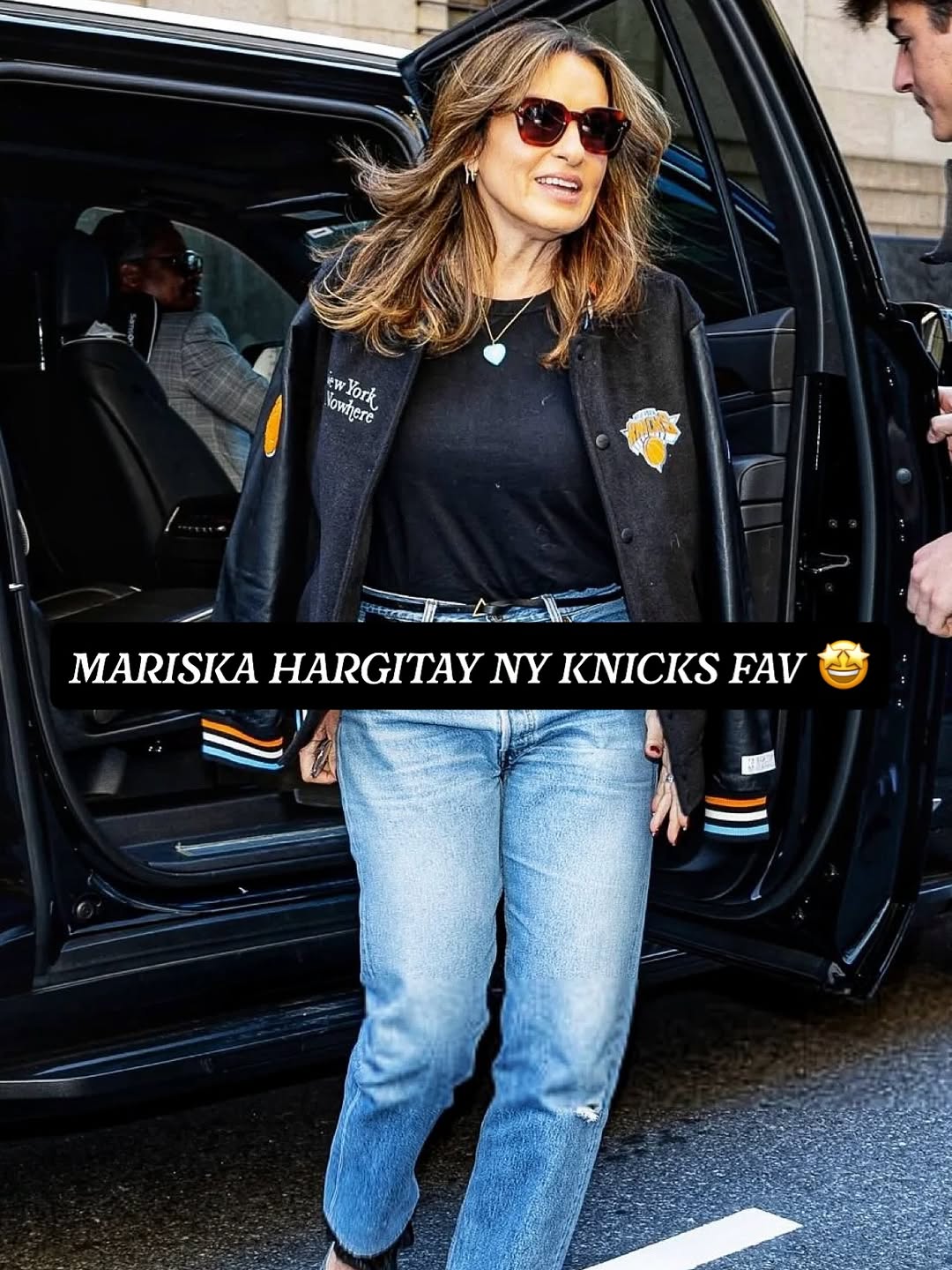 393.2K5.7×Mariska Hargitay Knicks fan photo@togethxr · Lifestyle Showcase
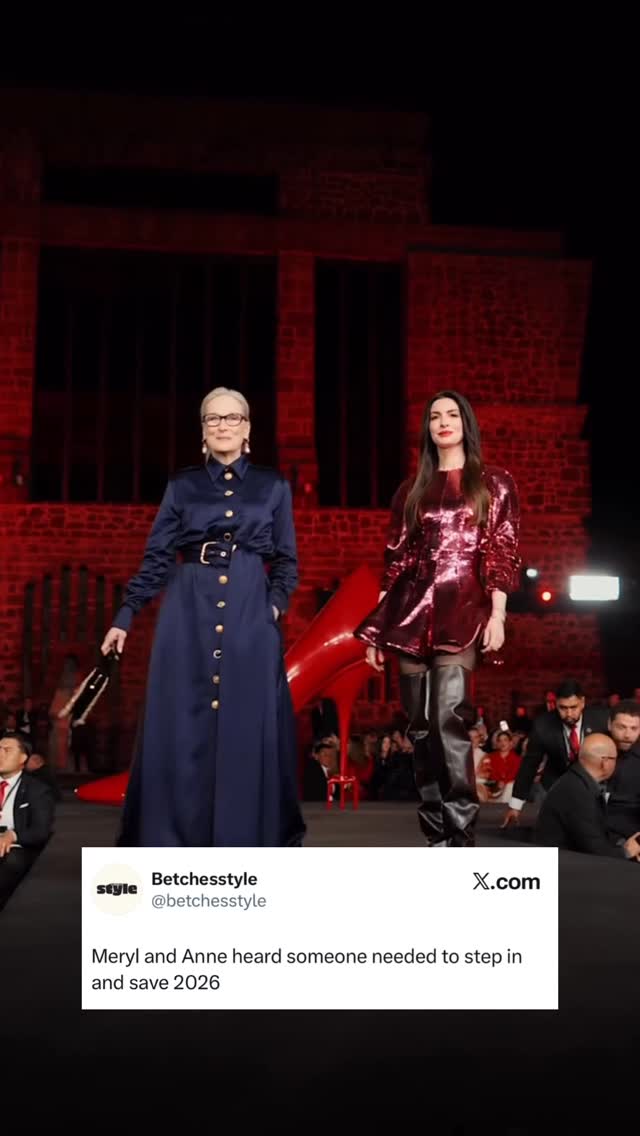 562.7K13.9×Tweet overlay on celebrity runway@betchesstyle
 332.1K13.7×Gwyneth Paltrow behind-the-scenes photo@ohmaryplay · Behind The Scenes
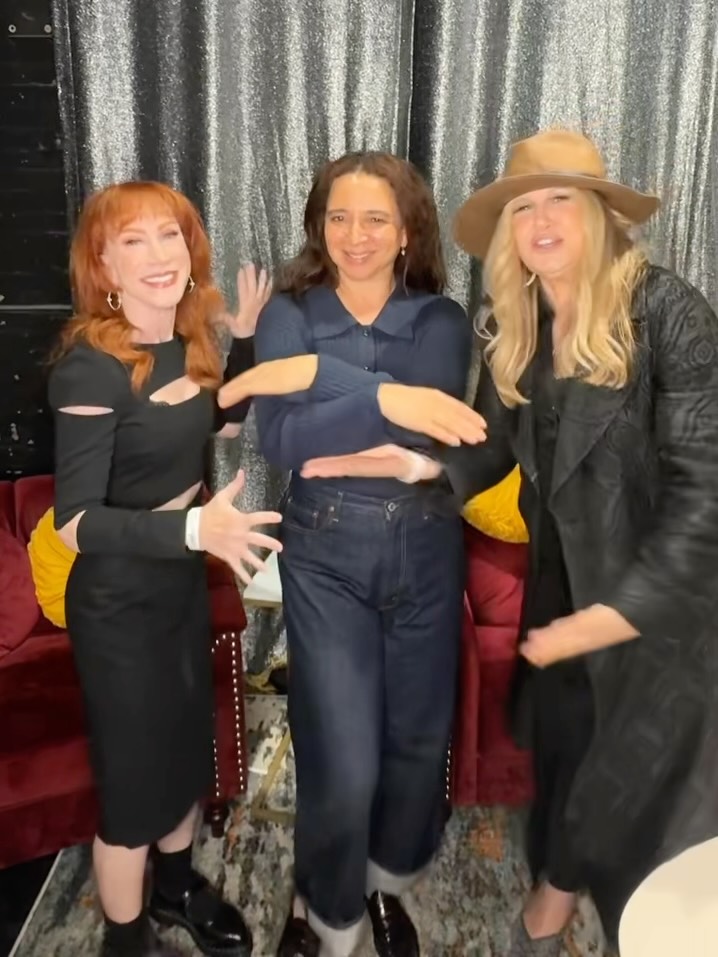 159.2K6.5×Three famous actresses posing together@ohmaryplay · Behind The Scenes
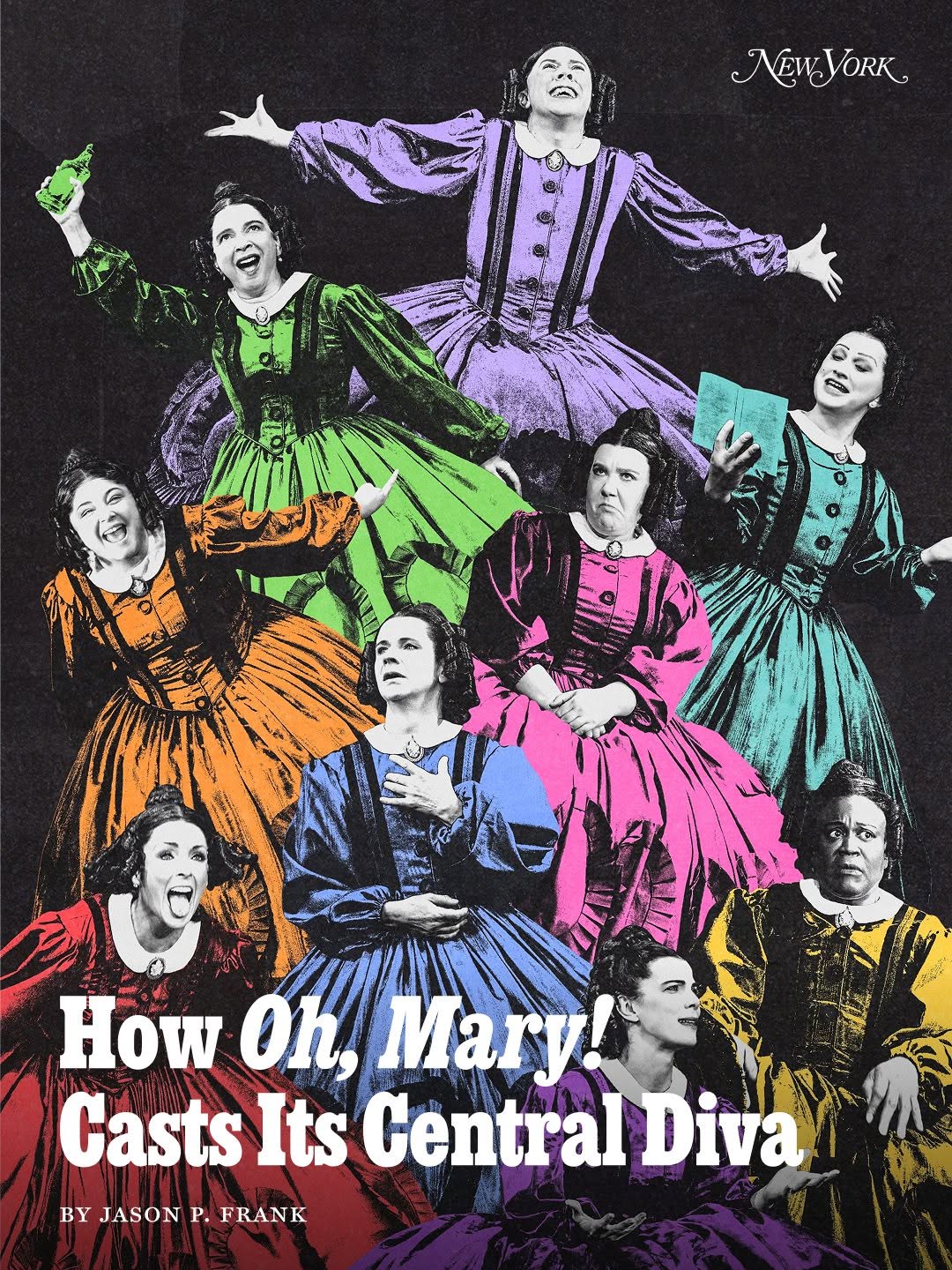 351.6K9.9×Colorful collage of actors in period dresses@nymag · Editorial Carousel
 7.4M99×Celebrity friendship quote photo post.@femalequotient · Motivational Mantra
[04]
[05]
What stops the scroll in the first 3 seconds
Title hook · 55%
MEG STALTER COMMITS TO THE BIT
Verbal hook · 35%
and why she believes that God loves gays.
Visual hook · 10%
The prominent and recognizable masthead of 'The New Yorker' immediately signals prestige and credibility, combined with a professionally shot, intimate portrait of the celebrity subject.
[07]
The promise the opener makes, and how the video pays it back
Hook
The immediate visual presentation of a highly credible, recognizable third-party source (e.g., a major publication's masthead) to instantly confer authority and importance onto the subject.
Payoff
The viewer is left with a strong, positive impression of the subject's success and importance, validated by a powerful external source. The payoff is the successful transfer of credibility from the source to the subject.
[08]
The structural pattern this video runs on
Framework
The Authority Stamp
Leveraging a screenshot of a high-status external validation (e.g., a media feature, award, or positive review) to build credibility and announce a significant achievement in a single, easily digestible frame. The authority of the source is transferred to the subject.
The Authority Anchor
Presents the name and logo of the validating institution (e.g., 'The New Yorker') to establish the source of credibility.
The Headline Proclamation
Uses a large, bold headline to clearly and concisely state the central achievement or topic, serving as the main announcement.
The Curiosity Teaser
Provides a sub-headline or summary that lists specific, intriguing sub-topics, designed to create curiosity and hint at the depth of the content.
The Legitimacy Stamp
Includes formal details like a byline and date to ground the feature in a real-world, professional context, reinforcing its authenticity and official nature.
Thank you so much @newyorkermag 🖤🖤🖤Loved talking about @ohmaryplay @hacks being a popstar AND GOD!!! How did I get this lucky 🙏🖤
branding · photo_0
THE NEW YORKER
contextual · photo_0
THE NEW YORKER INTERVIEW
title · photo_0
MEG STALTER COMMITS TO THE BIT
informational · photo_0
The “Hacks” actress and comedian on her red- carpet-outfit stunts, her star turn in “Oh, Mary!,” and why she believes that God loves gays.
contextual · photo_0
By Rachel Syme
contextual · photo_0
August 23, 2026